


Traditional Brass Candlestick Holders
Traditional brass candlestick holders bring domestic warmth and historic metalwork into a room, offering both practical illumination and sculptural presence.
Traditional Brass Candlestick Holders
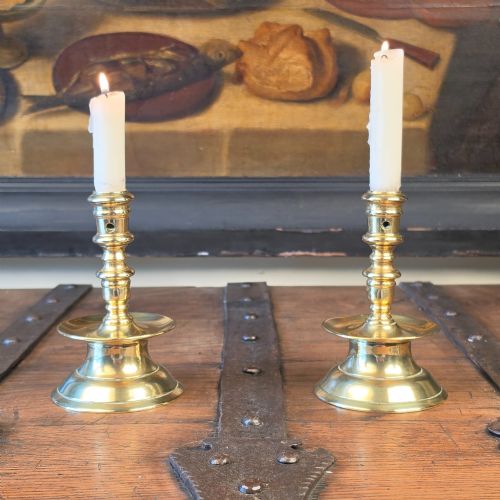
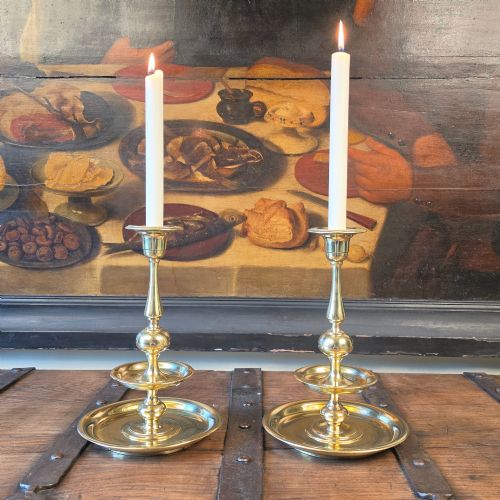
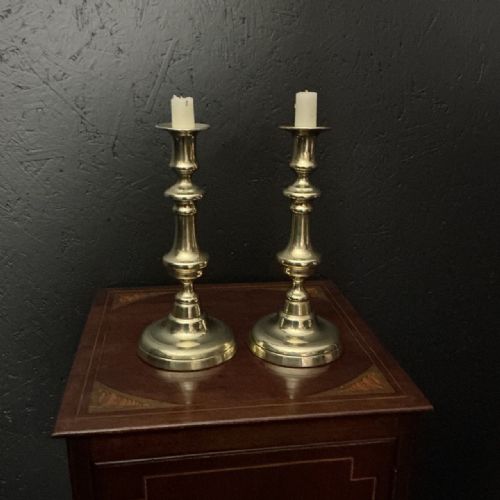
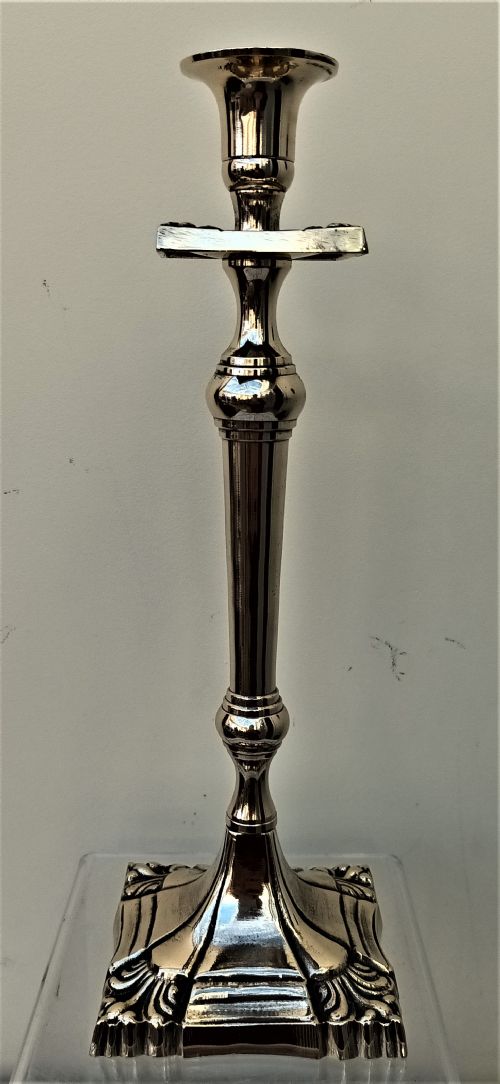
Traditional brass candlestick holders span centuries of domestic lighting, originating as essential household items before evolving into decorative objects. When searching for traditional brass candlestick holders, buyers encounter forms ranging from Georgian column designs to ornate Victorian pairs.
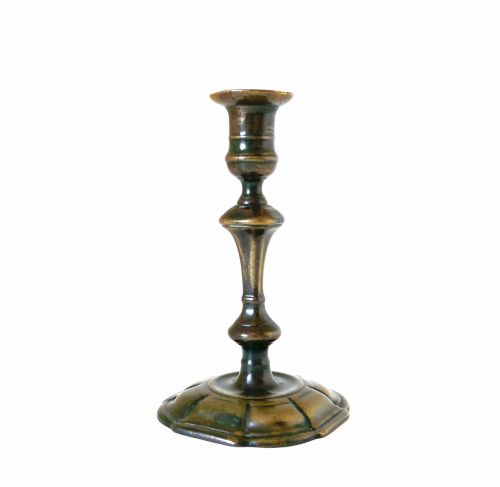
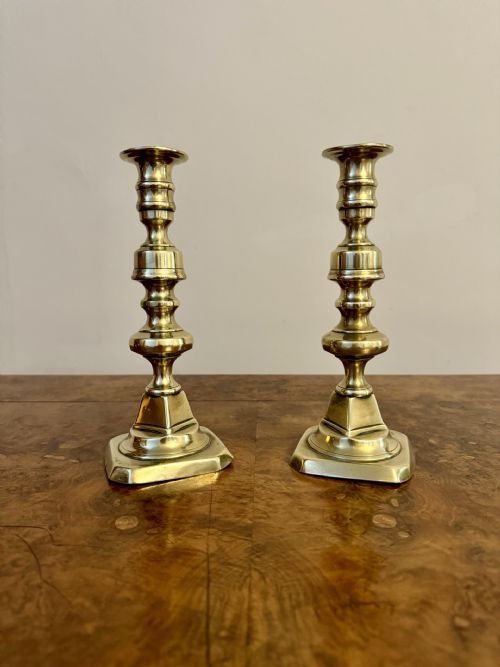
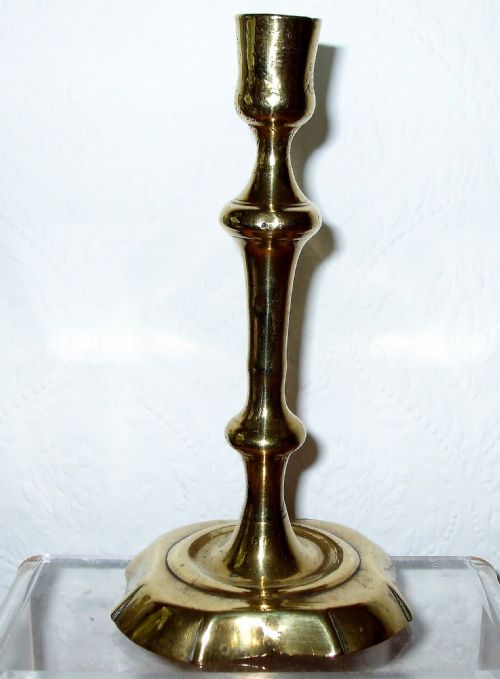
The selections on this page primarily date from the 18th and 19th centuries, including Victorian examples alongside earlier George II and Georgian pieces. Variations appear in height, base configuration, and whether the items utilise wood or bronze alongside the dominant metal.
Most entries are straightforward candlesticks or pairs designed for table use, though church candlesticks, double-arm variations, and candle lamps with shades also emerge. These objects reflect the changing interior tastes of successive periods while retaining their fundamental purpose of holding a taper.
How they were made
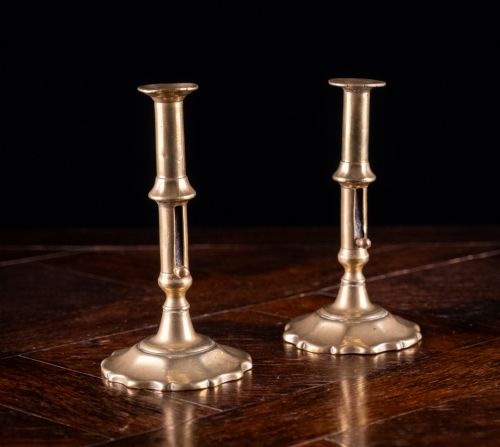
The construction of traditional brass candlestick holders relies heavily on casting and seaming techniques appropriate to the period. Mid-18th-century examples often utilise seamed brass construction, where sheet metal is formed and joined vertically before being attached to a cast base.
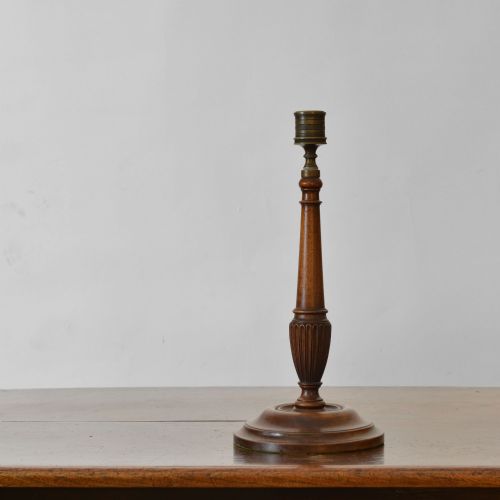
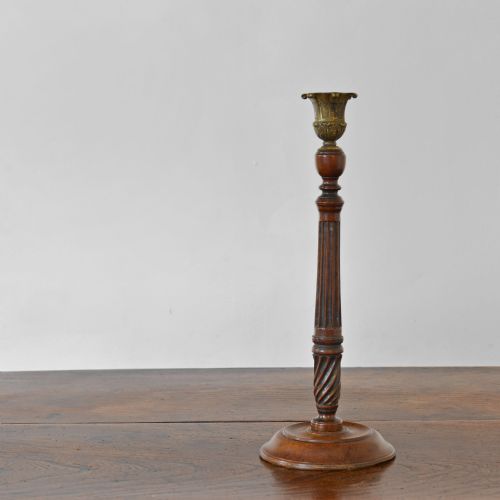
Later Victorian and Edwardian pieces frequently employ cast brass or bronze, sometimes incorporating turned mahogany, oak, or barley twist elements. These mixed-material variations combine the warmth of timber with the metallic sheen of brass or patinated bronze.
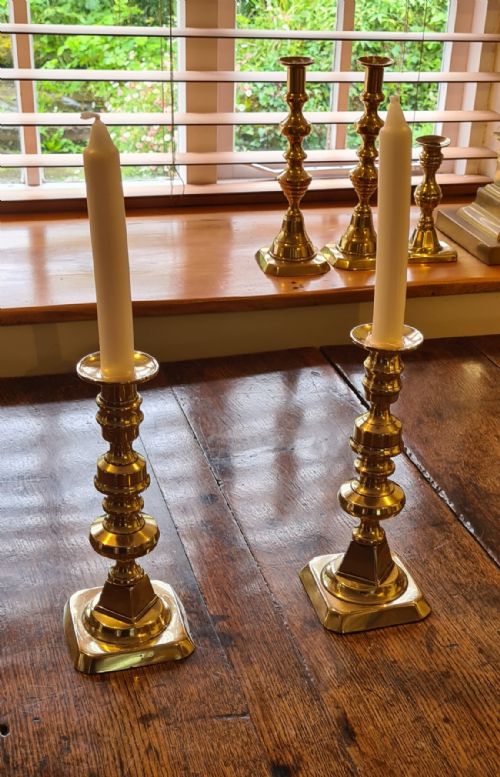
Some Victorian examples hide a playful 'King of Diamonds' motif, bringing an unexpected card game flourish to domestic illumination.
What varies in quality
Quality in traditional brass candlestick holders rests upon the crispness of the casting, the weight of the metal, and the integrity of the proportions. Heavier castings retain sharper detail in mouldings, fluting, and base ornamentation, whereas lighter production often results in softer edges.
The degree of original finish and natural patina also distinguishes superior examples from heavily polished or altered pieces. Surviving components, such as functional ejector mechanisms within the shaft, add mechanical interest that reflects higher manufacturing standards.
J.T. & Co
The Traditional Brass Candlestick Holders Glossary
- Ejector candlestick
- A candlestick fitted with an internal mechanism to push out the remaining stub of a candle. This device uses a small sliding button on the stem connected to an internal disc.
- Pricket candlestick
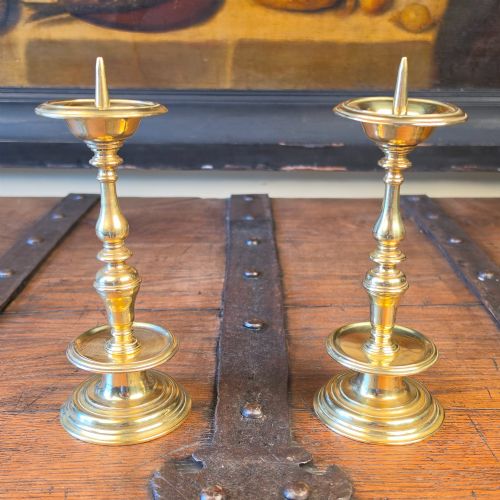
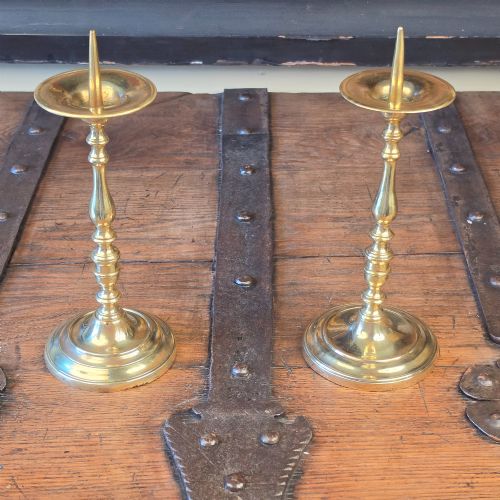
- A candlestick that holds a candle upon a sharp metal spike rather than inside a socket. This medieval style persists in church furniture and later revival pieces.
- Barley twist
- A decorative turning technique resembling a spiralling rope found on wooden or metal stems. It gained popularity during the 17th century and saw various revivals.
- Patination
- The surface alteration and mellowing of metal or wood caused by age, handling, and oxidation. A good surface shows depth and character accumulated over generations.
- Column candlestick
- A lighting form designed to imitate classical architectural columns, complete with base, fluted shaft, and capital. They frequently reference Doric or Corinthian orders.
Traditional Brass Candlestick Holders: Frequently Asked Questions
How do I clean a brass candlestick?
Traditional brass candlestick holders require gentle dusting and occasional cleaning with a mild, non-abrasive metal cleaner if polish is desired. Many collectors prefer to leave an undisturbed patinated surface.
Avoid harsh chemical dips that strip the historic colour and leave the brass looking unnaturally bright. A soft cloth and mild soapy water suffice for everyday maintenance.
What is an ejector mechanism?
An ejector mechanism is a clever internal slide operated by a thumbpiece on the stem that raises the remaining candle base upward for easy removal. It became common during the 18th and 19th centuries.
When buying, check that the internal stem moves freely without catching. Original mechanisms add functional charm to domestic lighting.
How do I date a brass candlestick?
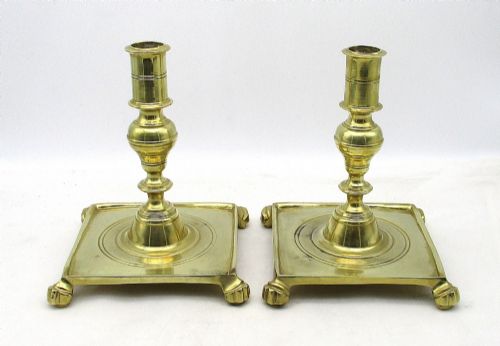
Dating traditional brass candlestick holders involves examining the casting seams, base construction, and stylistic references to periods like George II or the Victorian era. Earlier pieces often feel heavier and show different manufacturing tool marks than later mass-produced examples.
Design motifs such as square bases, drip pans, and column orders also shift across centuries, helping to narrow the decade of manufacture.