
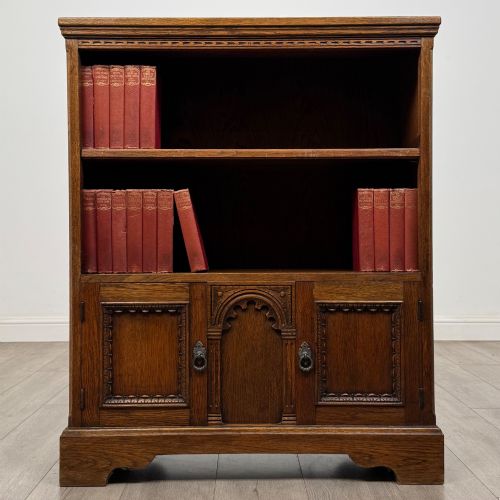

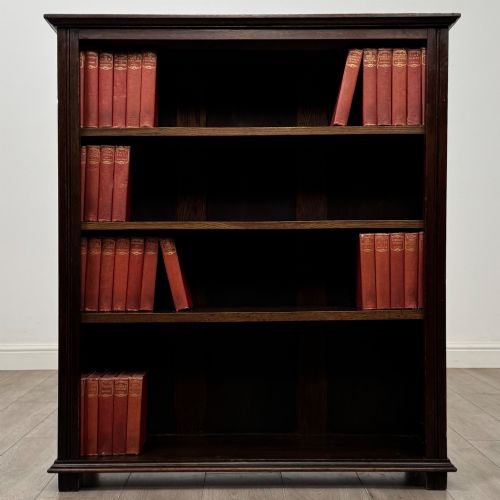
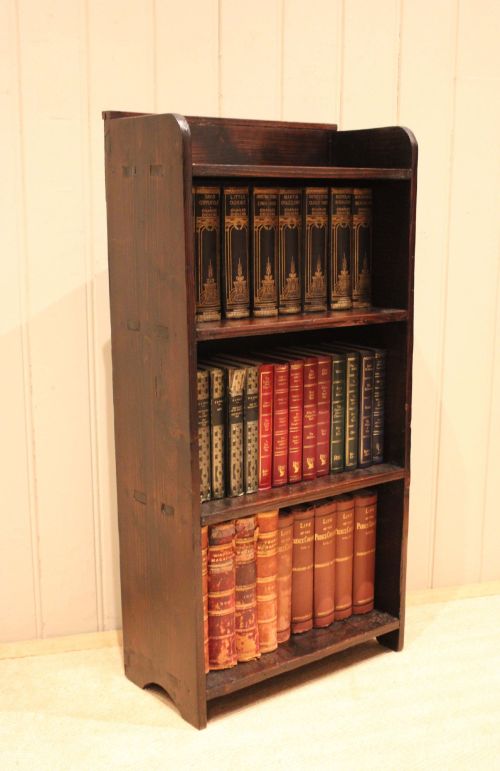
Traditional Book Display
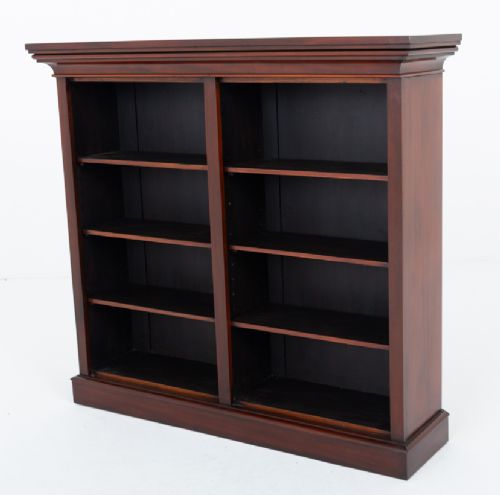
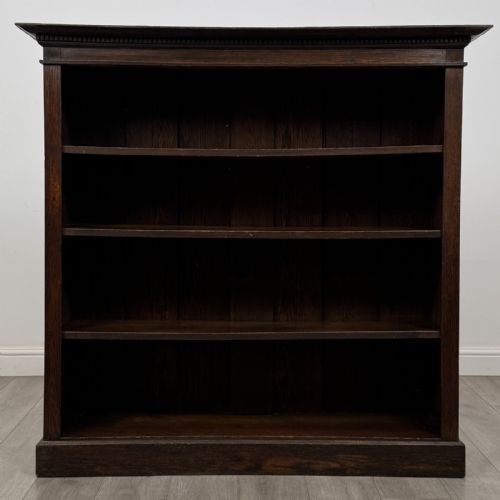
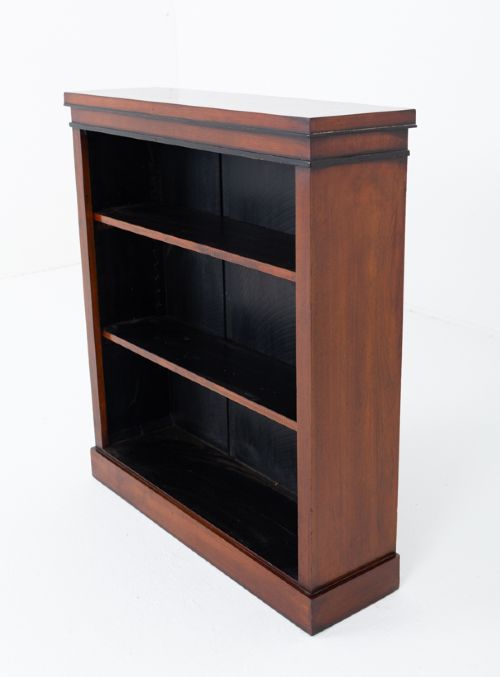
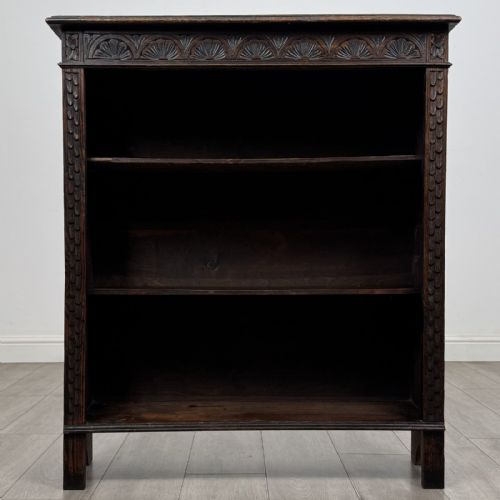
Traditional book display brings together sturdy oak, warm mahogany and practical open shelving spanning the Victorian and Edwardian eras.
Traditional Book Display
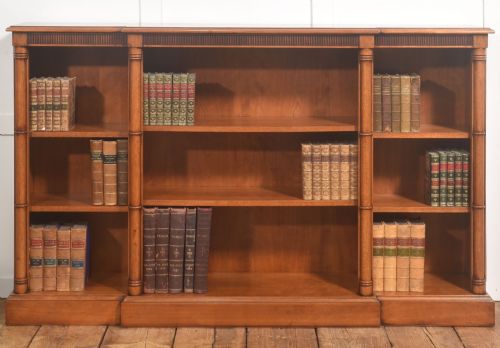
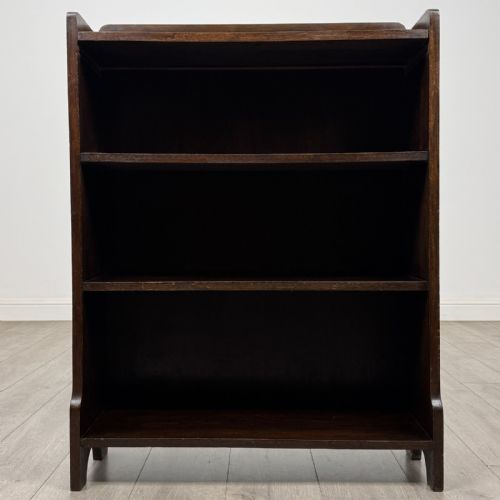
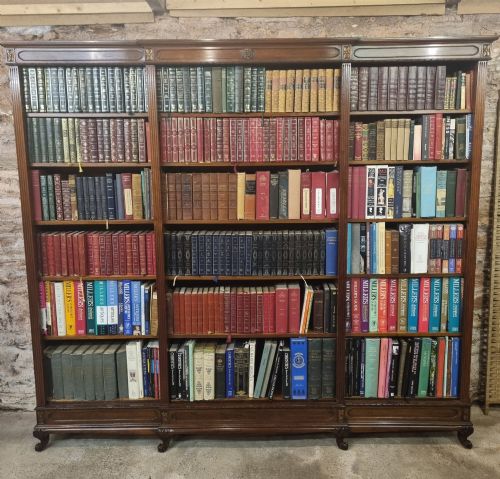
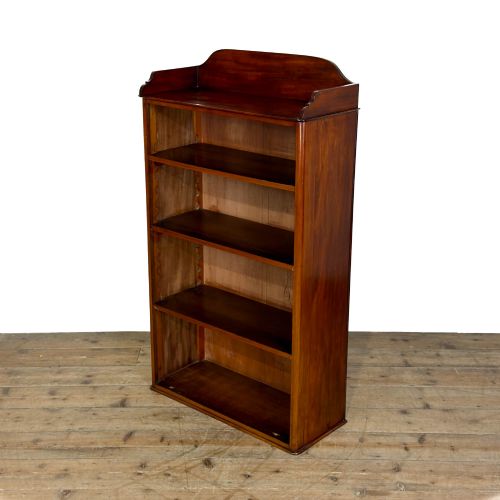
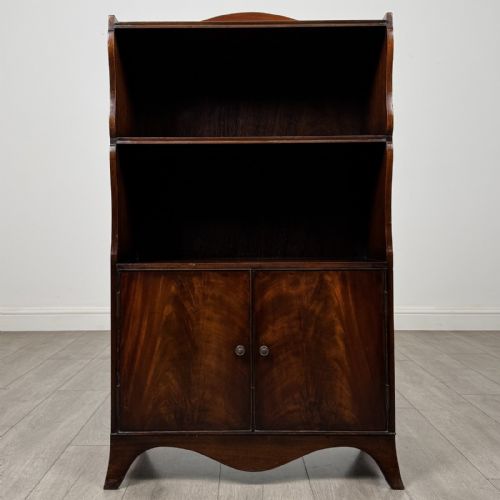
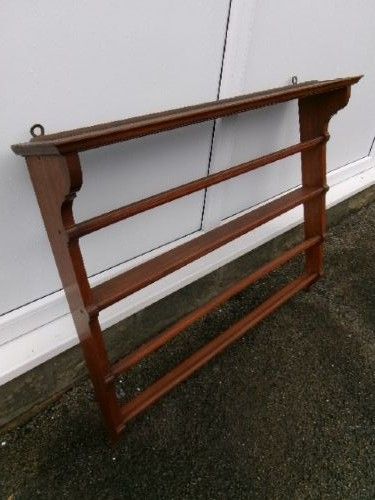
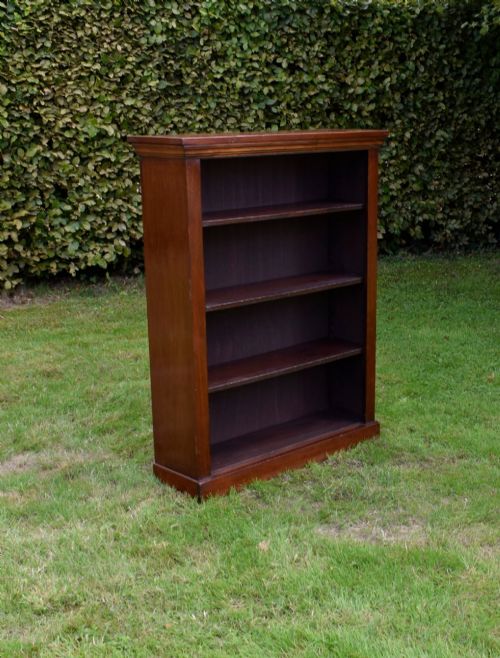
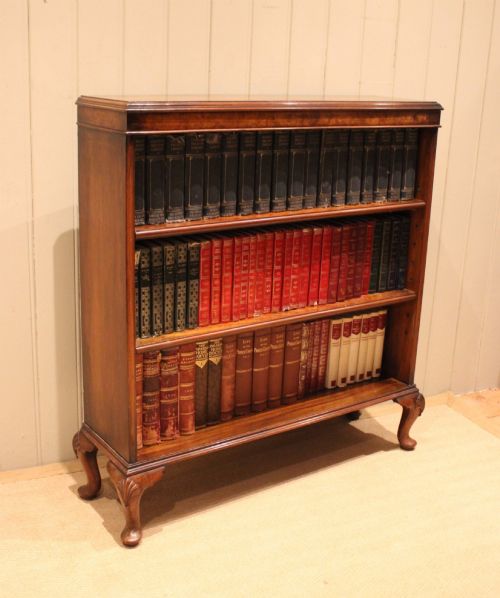
Traditional book display encompasses open bookcases, wall shelves and breakfront library pieces designed to hold and exhibit volumes in domestic spaces. These furnishings organise libraries and sitting rooms while keeping texts accessible for everyday reading.
Formats range from small rustic pine wall racks to large breakfront walnut cabinets reflecting Jacobean Revival, Queen Anne Revival and Arts and Crafts styles. Pieces often date from the late nineteenth century through to the nineteen-thirties.
Materials and construction methods
Cabinet makers relied heavily on solid hardwoods like oak, mahogany and walnut alongside flame mahogany veneer and pine for backing or secondary parts. Brass fittings and glass doors appear on specific hybrid or part glazed forms.
Construction techniques focused on utility, employing adjustable wooden shelving systems supported by pegged or screwed uprights. Carved galleries, beaded edges and panelled lower doors added decorative detail without compromising structural stability.
The listings show pieces spanning the Victorian, Edwardian and early twentieth century periods, predominantly constructed from oak and mahogany.
Distinctions in construction and finish
The finest pieces employ dense timber selections such as burr walnut or figured mahogany, demonstrating superior grain pattern alignment across large breakfront surfaces. Simpler items utilise plain oak or pine intended for functional country or domestic utility.
Refinements like carved wooden galleries, finely turned columns and smoothly operating adjustable shelf mechanisms separate standard utility furniture from more ambitious cabinet work.
Ercol
The Traditional Book Display Glossary
- Breakfront
- A cabinet design where the central section projects forward from the flanking wings. This architectural arrangement creates depth and visual interest in large library pieces.
- Open bookcase
- A shelving unit without doors designed for immediate access to books. These pieces dominate traditional domestic library interiors.
- Raised gallery
- A decorative low railing or upstand fitted along the top rear edge of a bookcase or cabinet. It prevents displayed items from sliding off the back.
- Adjustable shelves
- Internal boards resting on movable supports that allow the user to alter vertical spacing. This system accommodates volumes of varying heights.
Traditional Book Display: Frequently Asked Questions
What is a traditional open bookcase?
An open bookcase is a timber shelving unit without glass or wooden doors, designed for easy access to a personal library.
Most examples found here date from the Victorian and Edwardian periods, constructed in oak, mahogany or walnut.
How do I use these bookcases at home?
These pieces suit studies, living rooms and hallways for organising book collections and displaying decorative objects.
Many feature adjustable shelves that accommodate larger volumes and varied display arrangements.
How can I tell the period of a bookcase?
Periods are identified through timber choices, joinery methods and decorative styles such as carved galleries or revival motifs.
Victorian and Edwardian pieces frequently combine solid oak or mahogany with practical adjustable wooden shelving.
What wood types are most common?
Oak and mahogany appear most frequently across these listings, alongside walnut, pine and flame mahogany veneer.
Lighter golden oak often indicates Edwardian production, while deeper red mahogany points towards Victorian origins.