



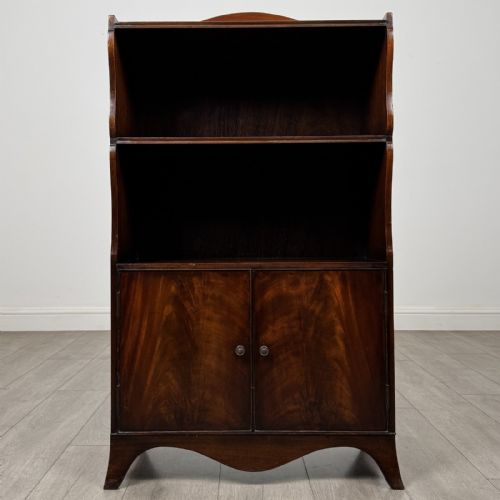
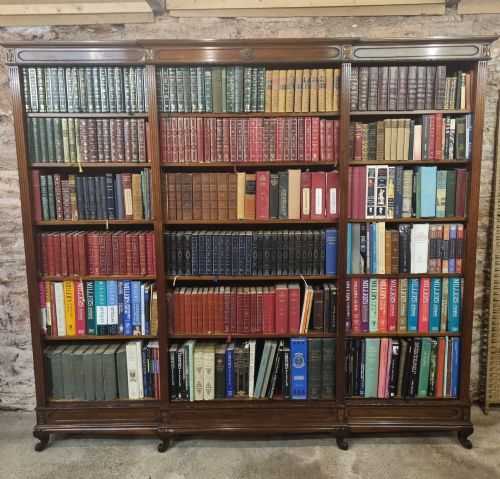
Traditional Book Display Unit
A traditional book display unit organises your library with open access, drawing on Victorian and Edwardian craftsmanship to bring timeless timber into a room.
Traditional Book Display Unit
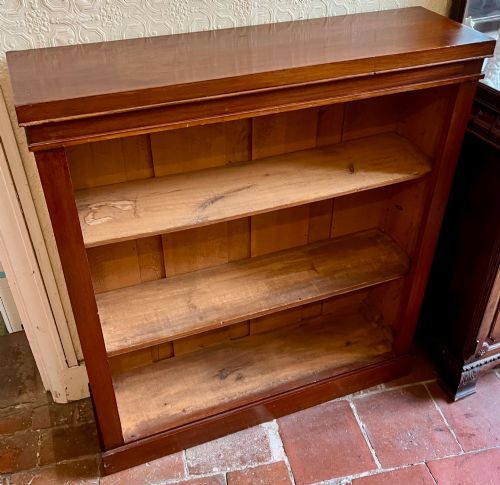
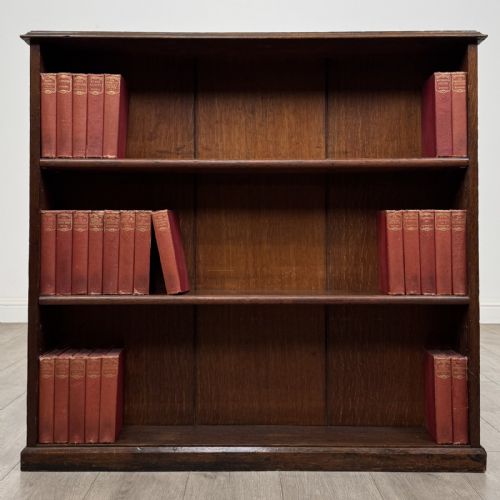
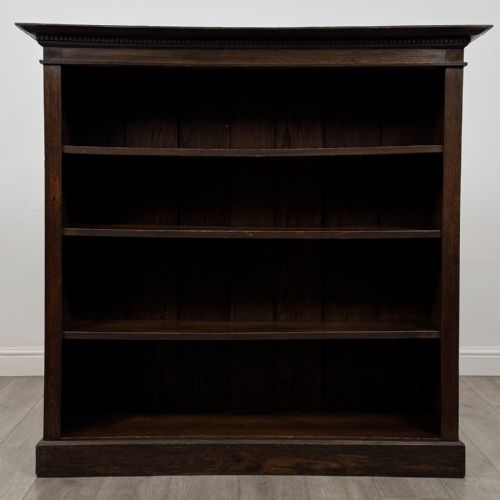
A traditional book display unit provides open shelving for everyday volumes, appearing most frequently as an oak or mahogany bookcase from the Victorian and Edwardian periods.
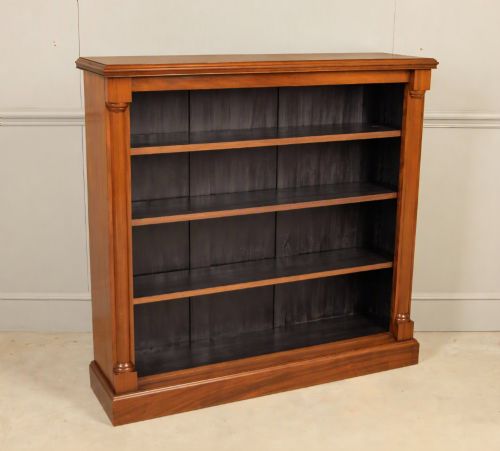
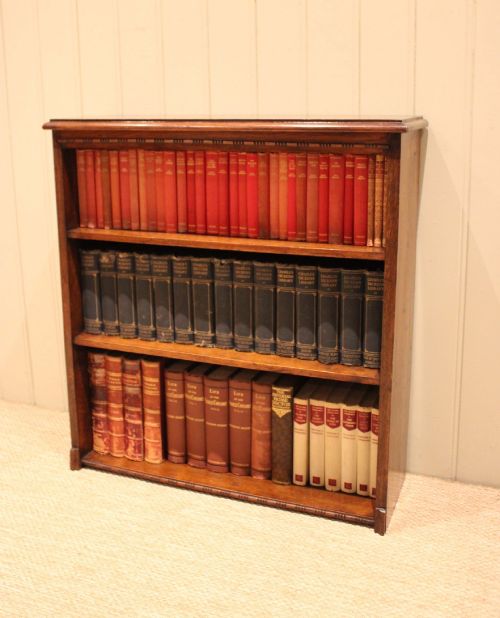
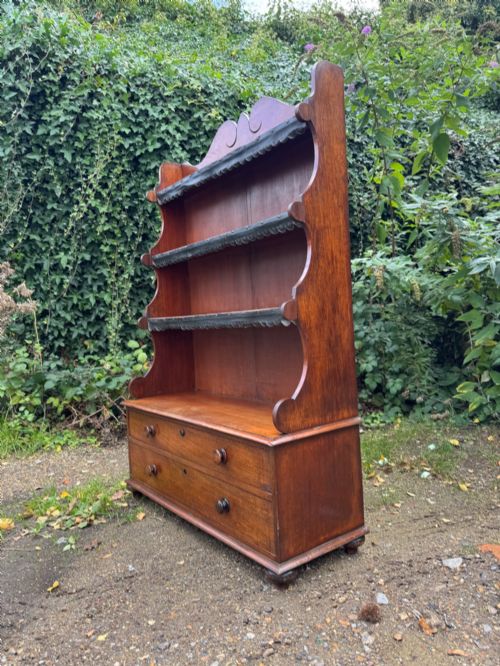
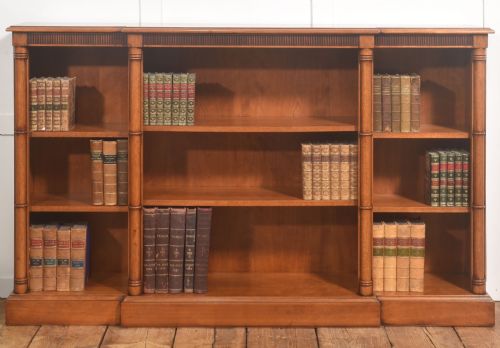
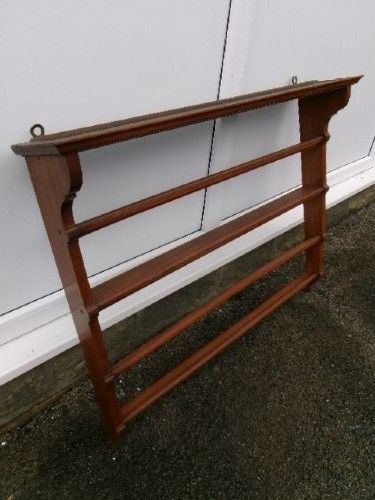
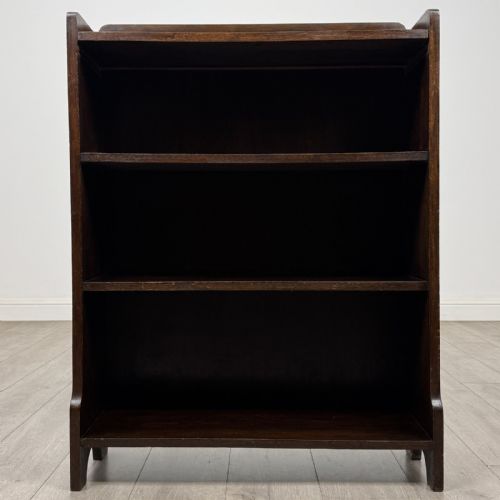
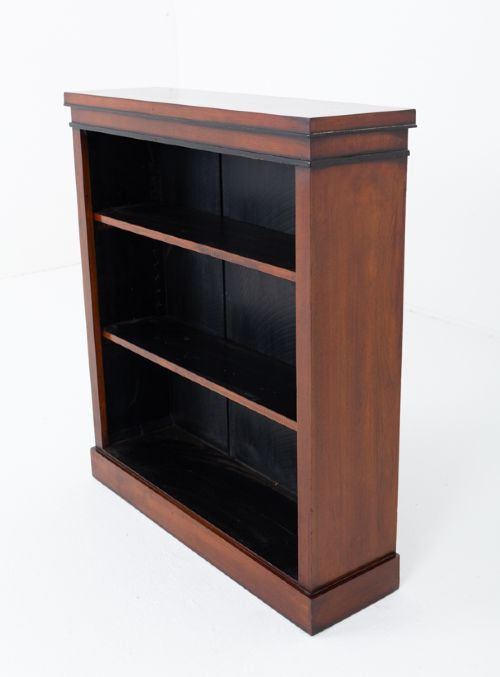
Buyers seeking a traditional book display unit will encounter open-front bookcases, wall hanging shelves, and breakfront designs featuring adjustable shelves and raised galleries.
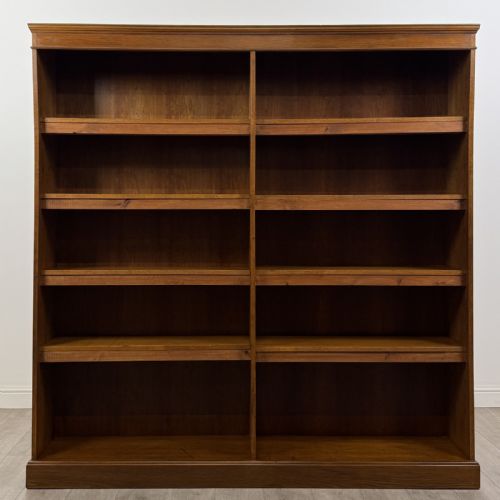
These pieces range from compact wall-mounted racks to large double-width and tall freestanding structures built across the nineteenth and early twentieth centuries.
How they were made
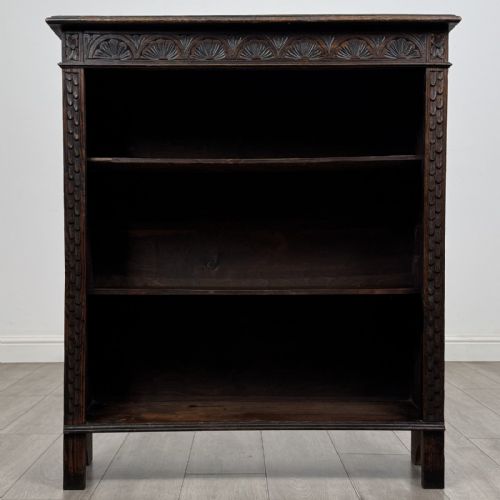
Cabinet makers constructed these units primarily from solid hardwoods such as oak, mahogany, walnut, and pine, often finished with detailed carvings or beaded edges.
Functional additions such as adjustable wooden shelving, brass fittings, and glass elements allowed the pieces to adapt to varying collections of books.
Traditional Book Display Unit Retail Price Guide 2026
Typical asking prices for traditional book display unit among the pieces listed under this phrase on Sellingantiques today, from the lower quarter to the upper quarter. They describe what is for sale here now, not the wider market.
Listings span the nineteenth and early twentieth centuries, featuring oak, mahogany, walnut, and pine across Victorian, Edwardian, and Regency revival styles.
What varies in quality
The architectural presence of a piece depends on the crispness of its cornice details, such as dentil moulding, and the proportional balance of its breakfront silhouette.
Selection of timber grain, particularly in burr walnut and figured mahogany, elevates the visual weight of the bookcase, while robust internal shelf supports dictate everyday utility.
The Traditional Book Display Unit Glossary
- Breakfront
- A piece of furniture where the central section projects forward from the flanking sections. This architectural arrangement adds depth and shadow to large library walls.
- Dentil cornice
- A decorative horizontal projection featuring a series of small, evenly spaced rectangular blocks. It crowns the top of formal bookcases.
- Waterfall bookcase
- A tiered set of open shelves where each level steps back progressively from the one below. The cascading profile suits smaller collections and display objects.
- Raised gallery
- A low decorative railing or panel edging the top surface of a piece. It prevents items placed on the upper surface from sliding off.
- Adjustable shelves
- Movable horizontal boards supported on a system of pins or ratchets. This adaptability accommodates books of varying heights.
Traditional Book Display Unit: Frequently Asked Questions
What is a traditional book display unit?
A traditional book display unit is an open-front wooden bookcase or shelving rack designed to hold and exhibit volumes.
Most examples originate from the Victorian and Edwardian eras, utilising timber like oak and mahogany.
How do I adjust the shelves?
Many period bookcases feature adjustable shelves resting on internal wooden supports, metal pins, or ratchets.
Simply lift each shelf clear of its supports to reposition the board at the desired height.
Where should I place a wall hanging shelf?
Wall hanging shelves suit smaller spaces, such as studies, hallways, or above desks, where floor area is limited.
Ensure the unit is securely fixed to structural wall studs to bear the weight of heavy volumes.
How do I date a Victorian bookcase?
Dating relies on timber choice, construction methods, and stylistic details such as heavy carvings or slender galleries.
Victorian pieces often feature deep mahogany or dark oak finishes combined with traditional hand-cut joinery.