


Traditional Bedside Chest
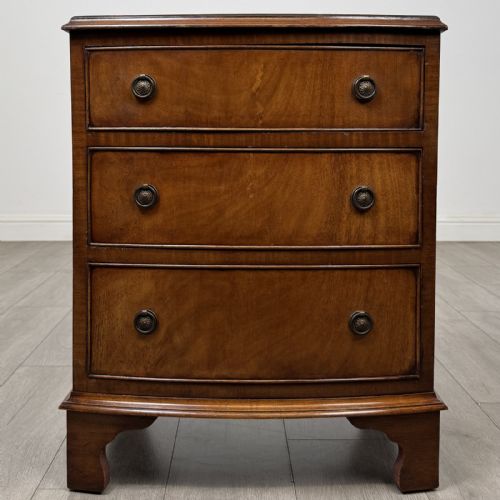
A traditional bedside chest offers compact storage with period character, anchoring the room beside a low bed.
Traditional Bedside Chest
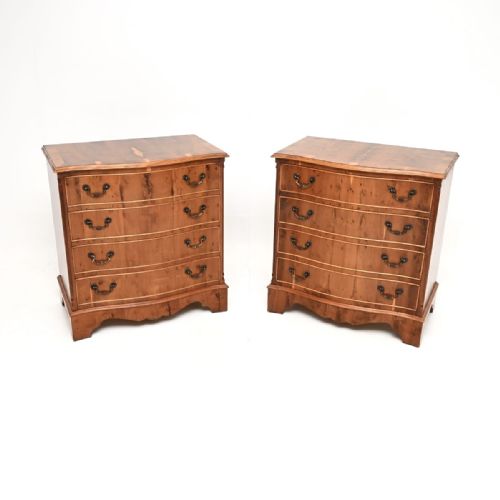
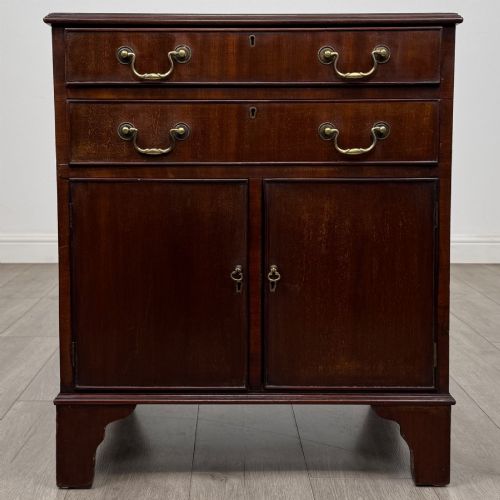
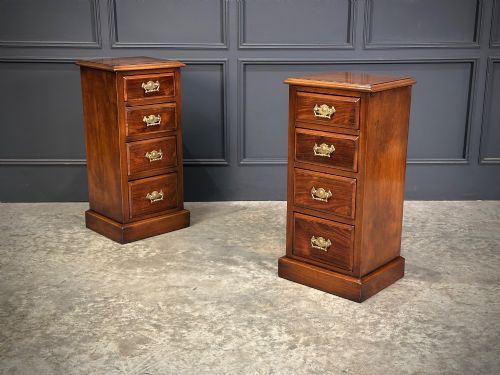
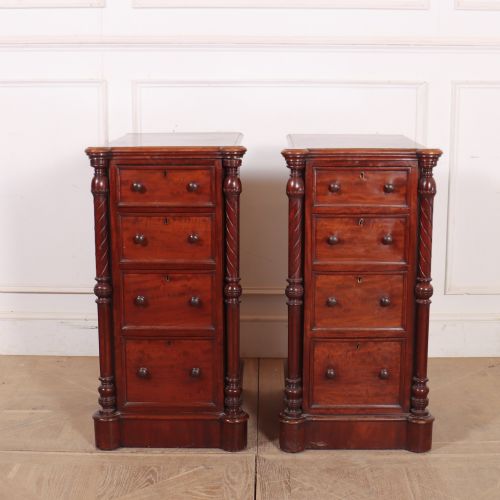
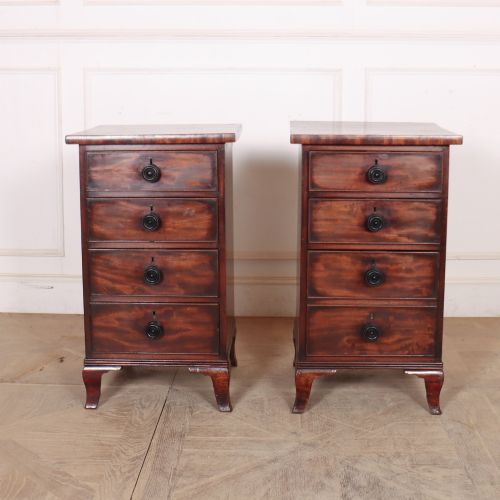
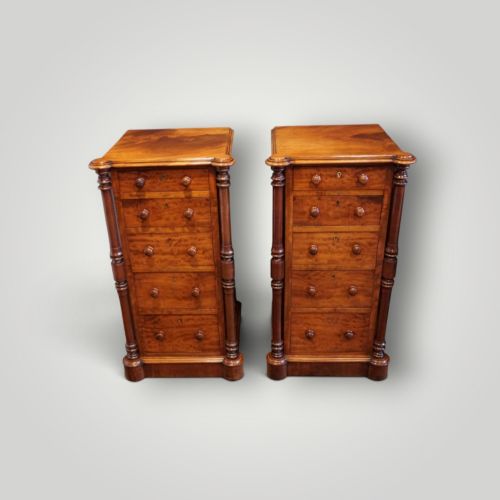
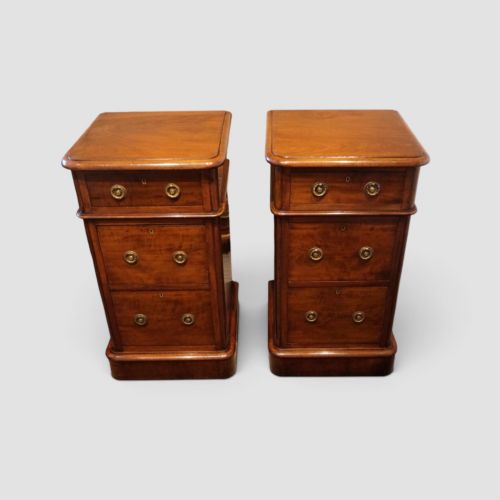
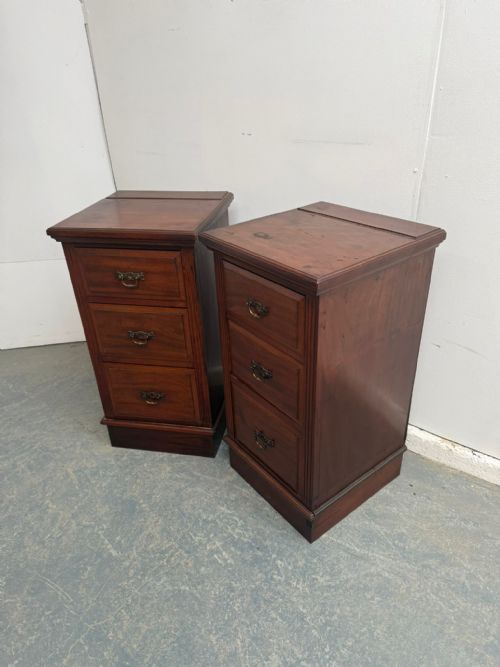
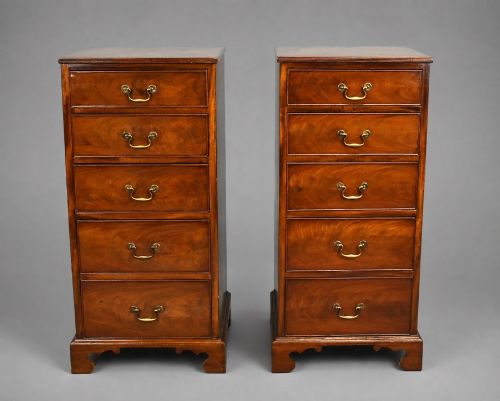
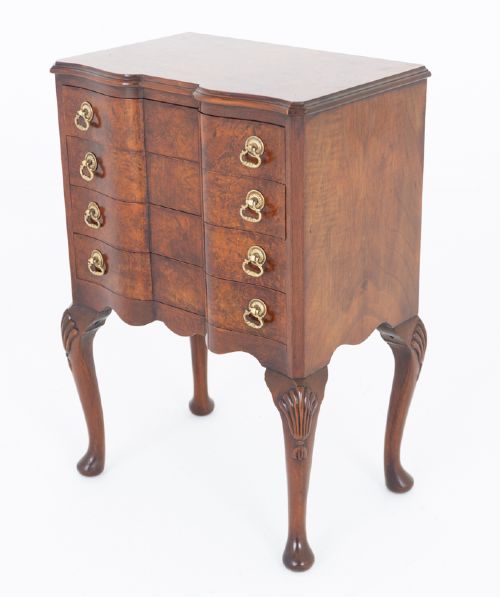
A traditional bedside chest provides practical night-time storage in forms ranging from small chests of drawers to compact cupboards and cabinets. These pieces appear in varied styles including Victorian, Edwardian, Georgian, and Queen Anne, reflecting centuries of domestic furniture design.
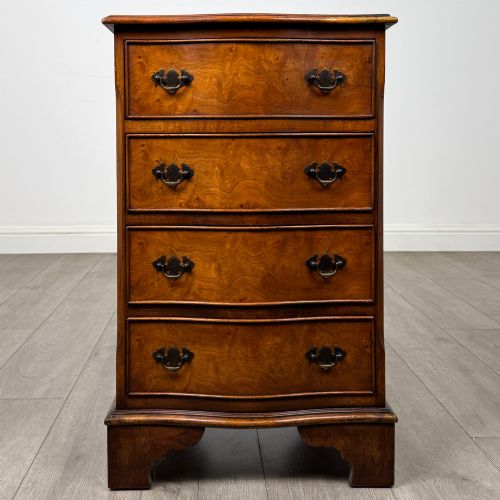
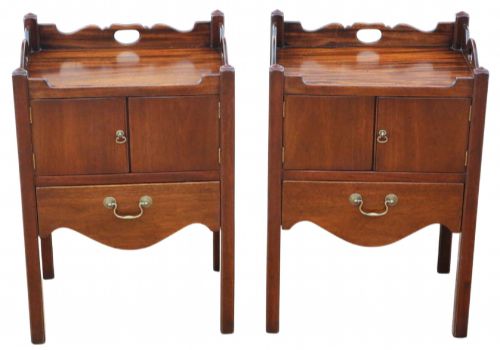
Most examples found here utilise rich hardwoods like mahogany, walnut, and yew wood, often shaped with bow fronts or serpentine outlines. Buyers frequently encounter pairs alongside single pieces, designed to sit neatly beside a bed while holding everyday items.
How they were made
Cabinet makers constructed these small chests using solid timbers and figured veneers such as burr walnut, flame mahogany, and rosewood over sturdy pine or oak carcases. Surfaces were traditionally waxed or polished to highlight the natural grain and depth of the wood.
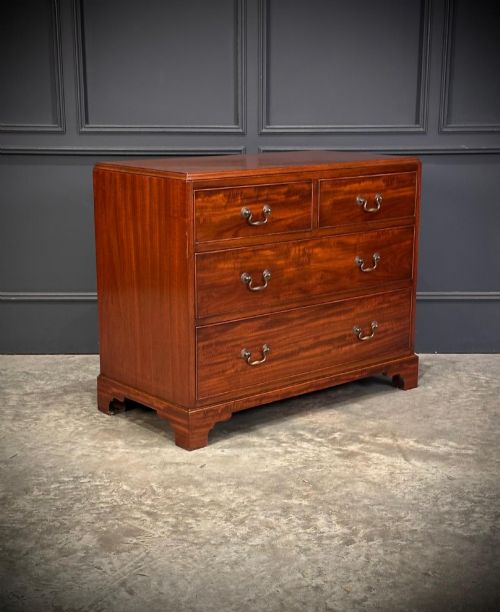
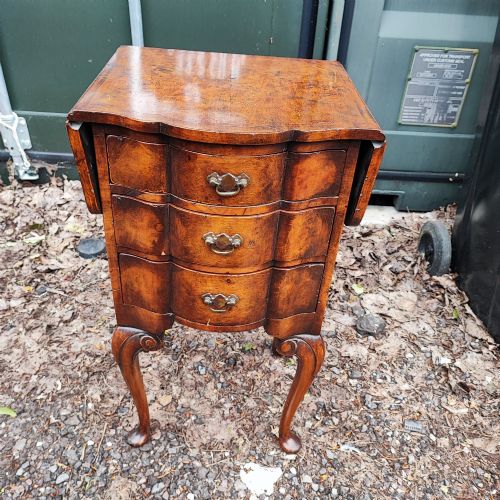
Joinery details included bracket feet, dovetailed drawer construction, and shaped panels, paired with cast brass handles or knobs. Specialised forms incorporated drop flaps, marble tops, or internal cupboard shelving for functional utility.
Traditional Bedside Chest Retail Price Guide 2026
Typical asking prices for traditional bedside chest among the pieces listed under this phrase on Sellingantiques today, from the lower quarter to the upper quarter. They describe what is for sale here now, not the wider market.
Chinese apothecary chests and travelling boxes occasionally slip into the bedroom, offering dozens of tiny drawers for pills or potions.
What varies in quality
Quality rests in the selection of timbers, where highly figured veneers like burr walnut or flame mahogany distinguish finer commissions from plain stock. The crispness of the carving, the elegance of proportions, and the presence of original brass hardware elevate certain pieces.
Construction methods also separate standard production from superior work, seen in closely fitted drawers with neat dovetailing and harmonious proportions. Matching pairs demand greater skill in timber selection and symmetry than individual items.
Warings Liverpool
The Traditional Bedside Chest Glossary
- Bow front
- A convex curved cabinet front that projects outward at the centre, popular in Georgian and later designs. This shape softens the profile of a small bedroom chest.
- Serpentine
- A shaped furniture front featuring a concave centre flanked by two convex ends, creating a flowing wave line. This profile demands advanced woodworking skill.
- Bracket foot
- A simple structural foot supporting the corners of a case piece, shaped like a bracket and often found on Georgian and Victorian chests. It lifts the body slightly off the floor.
- Burr walnut
- A prized wood veneer taken from the knotted growth of a walnut tree, showing intricate swirling patterns. It was favoured for decorative cabinet surfaces.
- Drop flap
- A hinged panel that lowers to reveal a surface or compartment inside a cabinet. This mechanism adds versatility to compact bedside storage.
Traditional Bedside Chest: Frequently Asked Questions
Are these chests suitable for modern beds?
Most traditional bedside chests feature compact footprints and heights that suit standard bed frames comfortably. Their enclosed drawers and cupboards keep modern bedside clutter neatly hidden away.
Measuring the height of your mattress ensures the surface of the chest sits at a convenient level for lamps and books.
How do I care for polished mahogany surfaces?
Polished timber benefits from regular dusting with a soft, dry cloth to prevent grit accumulation. Applying a traditional beeswax polish occasionally nourishes the wood and maintains its gentle sheen.
Keeping antique chests away from direct heat sources and strong sunlight protects the polish and natural veneers from drying out.
How can I tell a Victorian chest from an Edwardian one?
Victorian pieces tend to use dense solid mahogany with robust proportions, heavy bracket feet, and simple turned wooden knobs. Edwardian furniture often introduces lighter timbers, delicate stringing, and refined satinwood or burr veneer accents.
Examining the drawer linings and secondary woods underneath helps confirm the period of construction.
Do bedside chests always come in pairs?
While many listings feature matched pairs intended for either side of a larger bed, numerous single chests remain available. Single pieces work effectively in smaller bedrooms or mixed room layouts.
Matching proportions and wood tones matter more than finding identical pairs if you choose to mix different styles.