



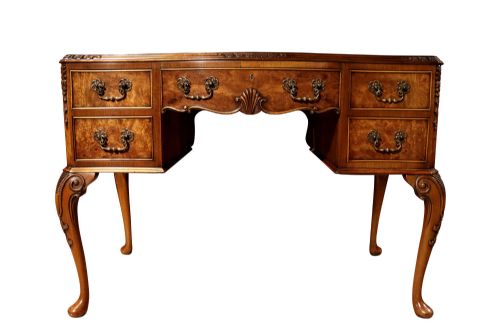


Traditional Bedroom Vanity
A traditional bedroom vanity brings together dressing tables, washstands and low seating from the nineteenth and early twentieth centuries.
Traditional Bedroom Vanity
A search for a traditional bedroom vanity uncovers a diverse collection of dressing tables, washstands, and low seating designed for private chambers. These objects span from the Regency period through the Victorian and Edwardian eras up to the 1930s, reflecting changing domestic habits. The most frequent survivors on this page are dressing tables, washstands, and various bedroom chairs and stools.
Makers utilised woods such as mahogany, walnut, satin walnut, pine and oak to construct these pieces. Many items incorporate supportive elements of brass, glass, ceramic and fabric upholstery, including tapestry and vintage linen. The stylistic vocabulary draws heavily on Victorian, Edwardian, Georgian style, French chateau, Queen Anne style and Regency influences.
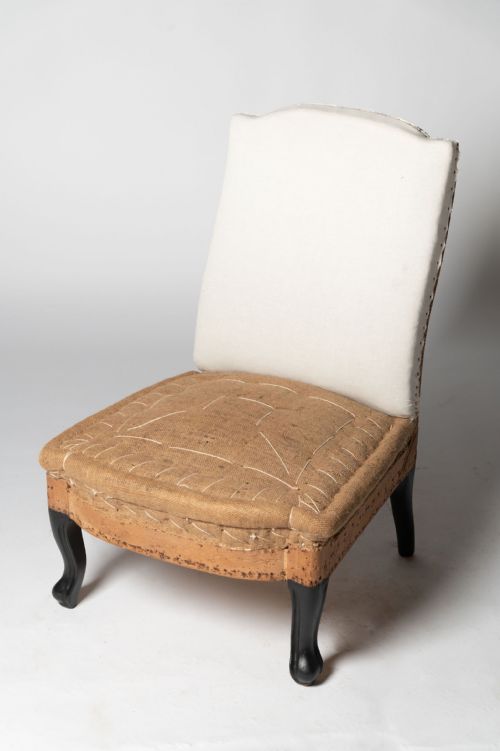
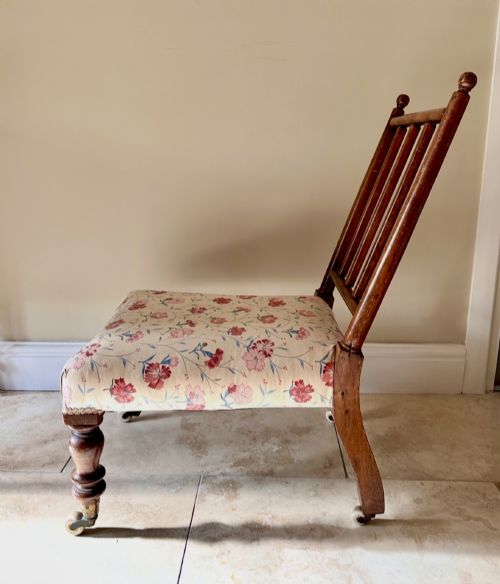
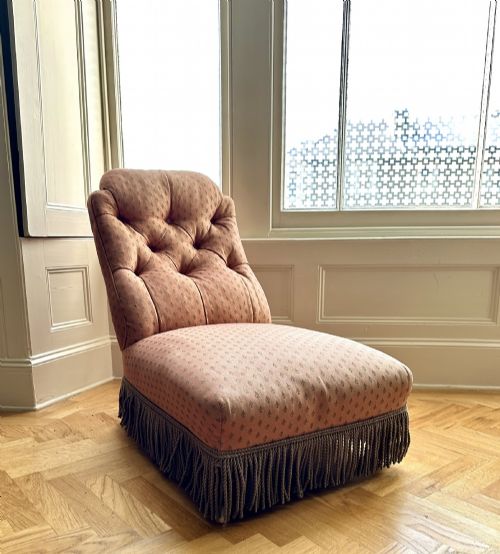
Seating takes the form of slipper chairs, nursing chairs, side chairs and dressing stools, often paired with pedestal dressing tables or marble top washstands. Smaller accessories such as toilet mirrors and footstools also appear within this category. Every piece serves a domestic function connected to personal grooming and chamber comfort.
Materials and construction methods
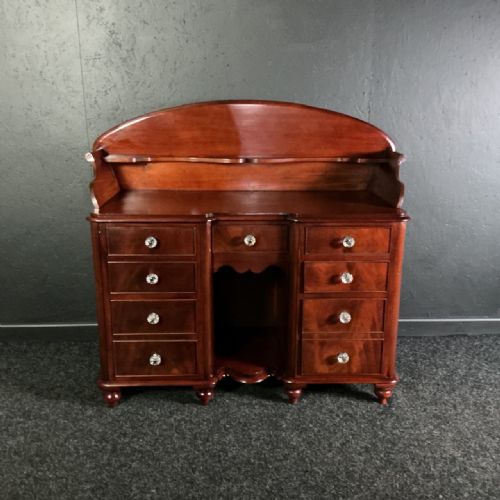
Cabinet makers built dressing tables and washstands using solid and veneered timbers including mahogany, walnut, satin walnut and oak. These woods were often selected for rich grain patterns, particularly burr walnut and figured mahogany, which provided decorative surfaces for daily use. Marble tops were fitted to washstands to create durable, water-resistant counters.
Upholstered seating utilised solid timber frames in oak, pine and mahogany, padded with traditional stuffing and covered in fabrics such as tapestry, linen and patterned textiles. Details like fringe trim and spindle backs added ornamental character to slipper chairs and bedroom chairs. Brass hardware was commonly employed for handles, castors and mirror pivots.
Traditional Bedroom Vanity Retail Price Guide 2026
Typical asking prices for traditional bedroom vanity among the pieces listed under this phrase on Sellingantiques today, from the lower quarter to the upper quarter. They describe what is for sale here now, not the wider market.
Listings feature items spanning the 19th Century, Victorian, Edwardian, Regency and 1930s periods.
Distinguishing quality in chamber furniture
The highest quality traditional bedroom vanity pieces demonstrate superior timber selection, such as closely matched burr veneers and solid mahogany frames. Joinery details like hand-cut dovetails in drawer construction and robust framing distinguish finer cabinet work from utilitarian pieces. The weight and clarity of glass in dressing mirrors also signal higher grade manufacture.
Upholstered seating varies according to the integrity of the internal frame and the execution of traditional upholstery techniques. Pieces retaining well-fitted original or sympathetic textile coverings like mulberry linen demonstrate careful preservation. Finer items exhibit balanced proportions and refined stylistic details aligned with periods such as Regency or Queen Anne revival.
The Traditional Bedroom Vanity Glossary
- Slipper chair
- A low-seated upholstered bedroom chair traditionally used by women while putting on shoes or slippers. These pieces feature short legs to sit close to the floor.
- Washstand
- A dedicated chamber piece designed to hold a basin and jug for morning ablutions. They frequently incorporate marble tops and tiled splashbacks.
- Dressing table
- A table equipped with drawers for cosmetics and accessories, usually featuring an attached or pivoting mirror. Pedestal versions include flanking stacks of small drawers.
- Satin walnut
- A timber derived from the American sweetgum tree, widely utilised during the Edwardian period for bedroom furniture. It offers a warm, golden tone with distinctive grain movement.
- Toilet mirror
- A small tabletop mirror supported on a frame with drawers, placed upon a chest or dressing table. These pieces allowed users to adjust their appearance closely.
Traditional Bedroom Vanity: Frequently Asked Questions
What is a traditional bedroom vanity?
A traditional bedroom vanity encompasses the various furnishings used for grooming and washing in older homes. This includes dressing tables, washstands, and low seating like slipper chairs.
These pieces date primarily from the nineteenth and early twentieth centuries, constructed in timbers such as mahogany, walnut and pine.
How do I use a washstand today?
A vintage washstand makes a practical washbasin stand in a cloakroom or an interesting plant table in a hallway. The marble tops withstand moisture effectively.
Lower shelves originally designed for water jugs now accommodate baskets, towels or decorative objects.
Where should I place a slipper chair?
Slipper chairs suit bedrooms, dressing rooms and corner spaces where low seating is advantageous. Their compact dimensions allow them to fit into tighter architectural layouts.
They pair naturally beside dressing tables or near wardrobes as functional accent seating.
How do I distinguish Edwardian from Victorian pieces?
Victorian furniture often displays heavier proportions, darker mahogany timbers and rich ornamentation. Pieces from this era frequently feature pedestal configurations and elaborate turning.
Edwardian items tend to show lighter construction, utilising satin walnut or lighter oak with simpler, brighter aesthetics inspired by earlier revivals.