


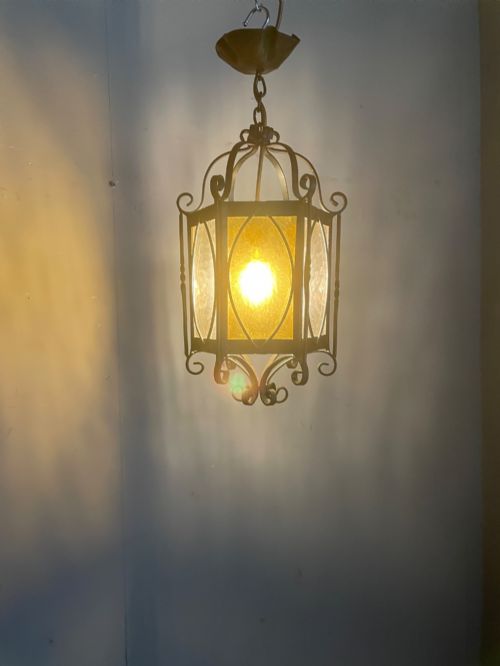


Traditional Art Work
Traditional art work encompasses diverse period paintings and metalwork, offering authentic character and historic charm for period interiors.
Traditional Art Work
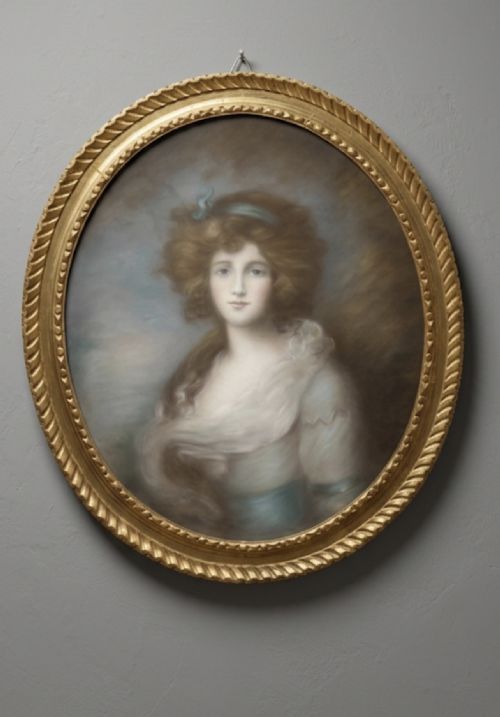
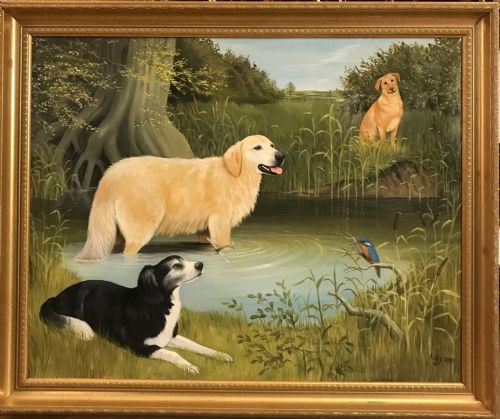
Traditional art work spans oil paintings, watercolours, and pastoral pastels depicting rural landscapes, sporting dogs, and equine scenes from the nineteenth and early twentieth centuries.
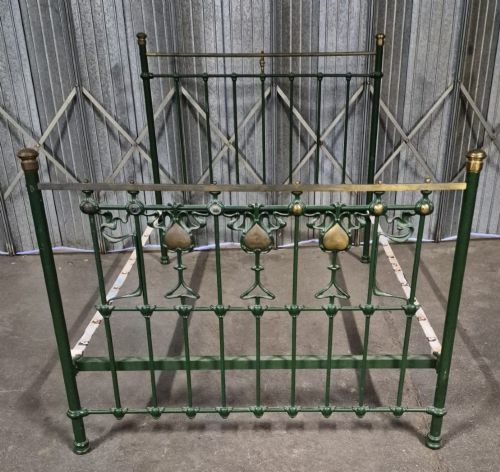
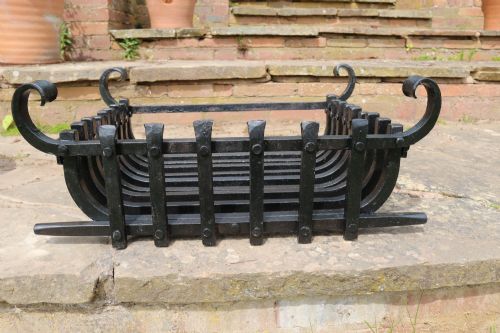
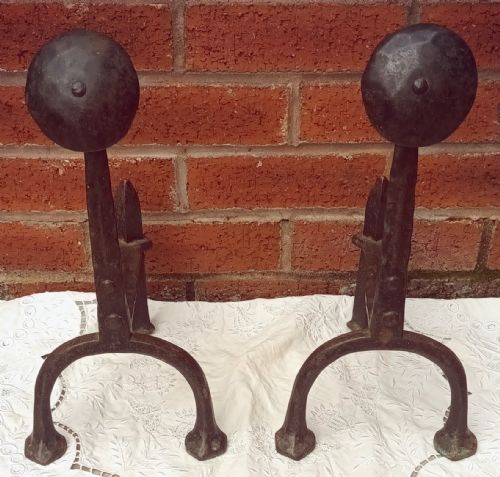
Buyers frequently encounter framed canvas paintings alongside functional wrought iron pieces such as andirons, fire baskets, and lanterns reflecting Arts and Crafts or Victorian design.
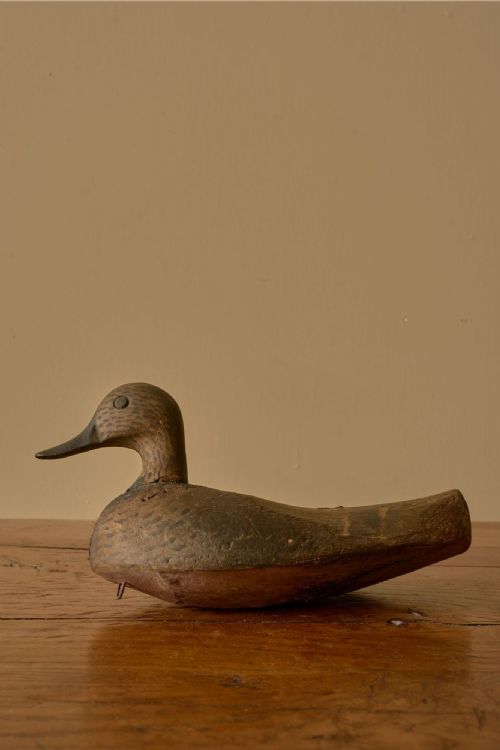
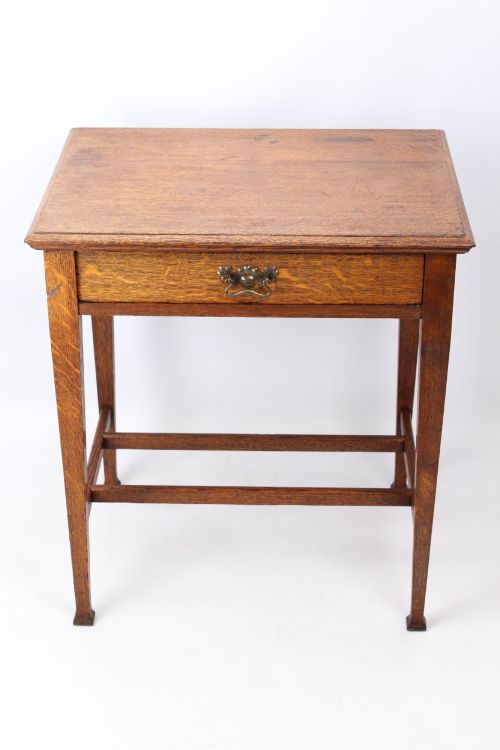
Originating largely from British and European makers, these pieces include textiles, carved wooden furniture, and folk art objects produced across several decades.
Materials and construction methods
Canvas and paper support layered oil pigments and watercolour washes, applied by hand to capture detailed textures in figurative and landscape subjects.
Wrought iron and brass are beaten, forged, and cast into structural forms, creating durable fire furniture and lighting fixtures with visible hammer marks.
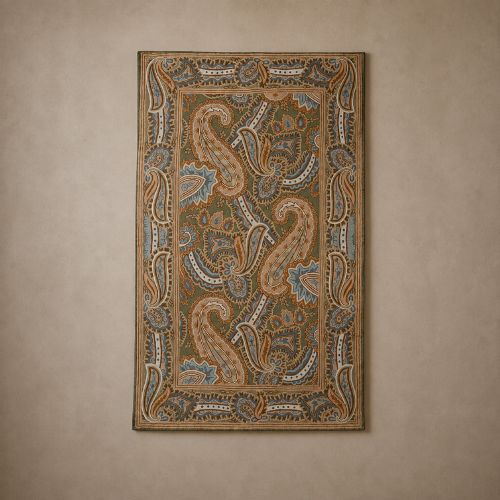
Textiles employ wool, cotton, and silk threads in crewelwork embroidery, Soumak weaving, and Suzani needlework techniques.
Traditional Art Work Retail Price Guide 2026
Typical asking prices for traditional art work among the pieces listed under this phrase on Sellingantiques today, from the lower quarter to the upper quarter. They describe what is for sale here now, not the wider market.
Listings feature 19th Century and early 20th Century periods alongside styles such as Arts and Crafts, Victorian, and Folk Art.
Judging quality and execution
Painterly skill in handling light, proportion, and anatomy separates accomplished canvases from routine decorative studio output.
Metalwork quality shows in the crispness of forged joints, balanced weight, and the absence of crude modern welding repairs.
Textiles rely on tight knotting, preserved natural dye pigmentation, and intact borders to distinguish superior historic examples.
Thomas Gainsborough·John Frederick Herring·James William Booth·Colin Graeme Roe·Adrian Jones·George Hamilton Constantine·Herbert Royle
The Traditional Art Work Glossary
- Arts and Crafts
- A design movement prioritising handcraftsmanship and traditional materials over mass production. It heavily influences many ironwork and wooden items from the period.
- Soumak work
- A flat-weave textile technique producing a durable fabric with a braided appearance on the face. It is frequently seen on antique bags and rugs.
- Andirons
- Horizontal metal supports used in fireplaces to hold logs above the hearth. Pairs often feature decorative wrought iron or brass terminals.
- Pastel
- A dry medium composed of powdered pigment and a binder, pressed into sticks. It is applied to paper to create soft portraits and landscapes.
- Suzani
- A type of embroidered tribal textile originating from Central Asia. These large decorative panels display bold floral motifs stitched in silk.
Traditional Art Work: Frequently Asked Questions
How do I hang antique oil paintings safely?
Use picture wire rated well above the weight of the frame, secured to sturdy wooden studs in the wall.
Keep paintings away from direct sunlight and radiators to protect the canvas and oil pigments from cracking.
Can I use antique wrought iron andirons in an active fireplace?
Most solid wrought iron and brass andirons are built to handle heat and support logs during regular fires.
Inspect the metal for deep rust or structural thinning before placing them in an open hearth.
How should I clean antique textiles and wall hangings?
Gently brush dust away from embroidered panels using a soft-bristled brush or low-suction vacuum through a mesh screen.
Avoid washing historic wool or silk textiles with water to prevent dye bleeding and fibre shrinkage.
How do I identify the period of a landscape painting?
Examine the style of brushwork, costume details on any figures, and the stretcher frame or canvas backing.
Victorian and Edwardian canvases often exhibit specific framing styles and artist signatures recorded in regional directories.