

Traditional Arm Chair
A traditional arm chair anchors a room with solid wood and generous proportions, offering a seat that lasts through generations.
Traditional Arm Chair
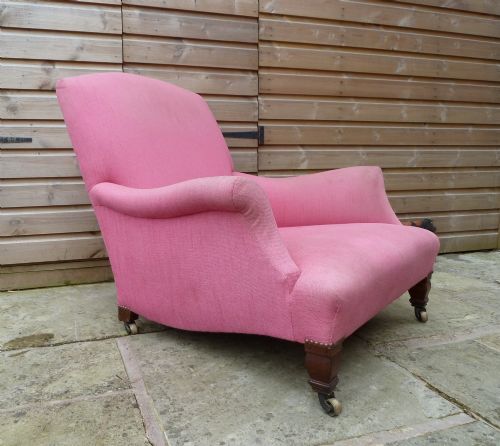
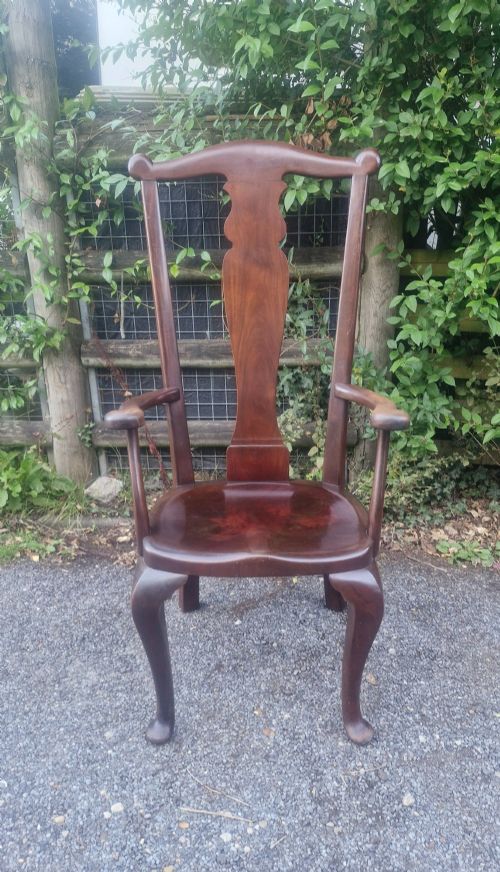
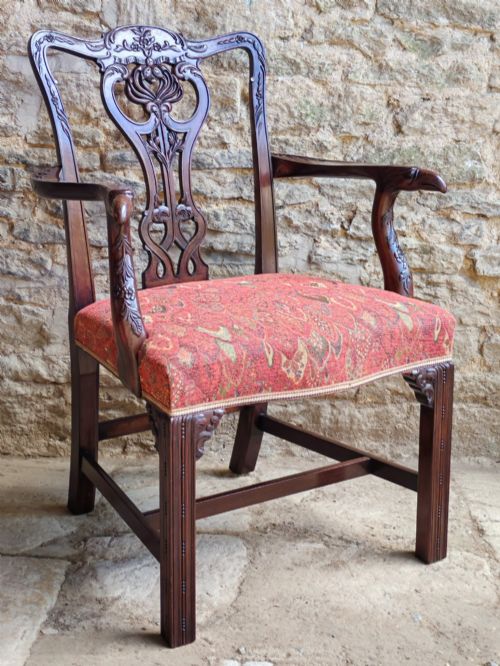
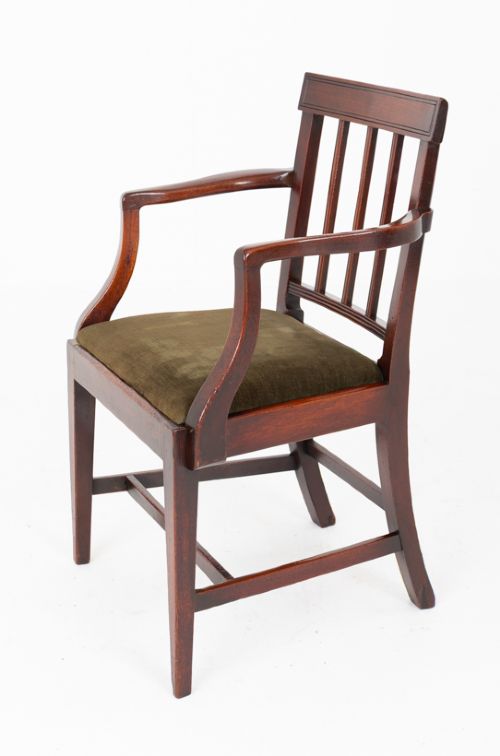
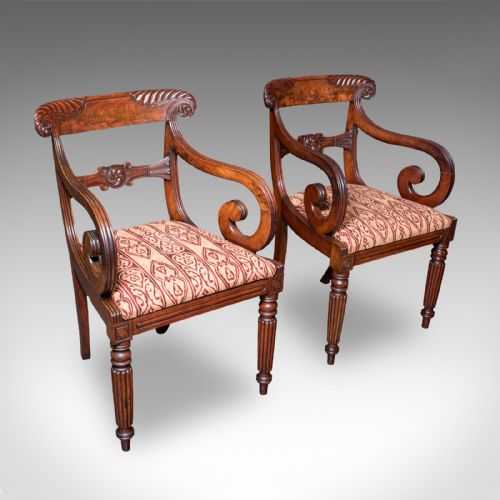
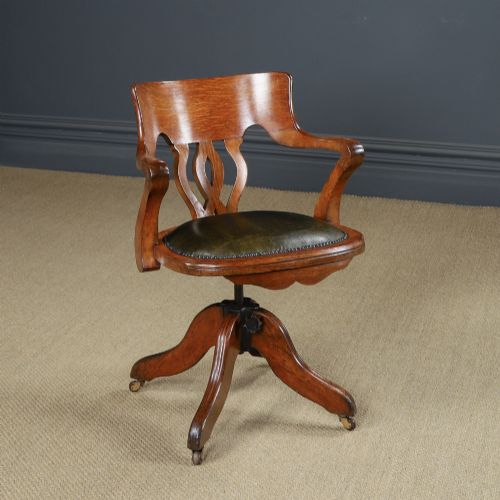
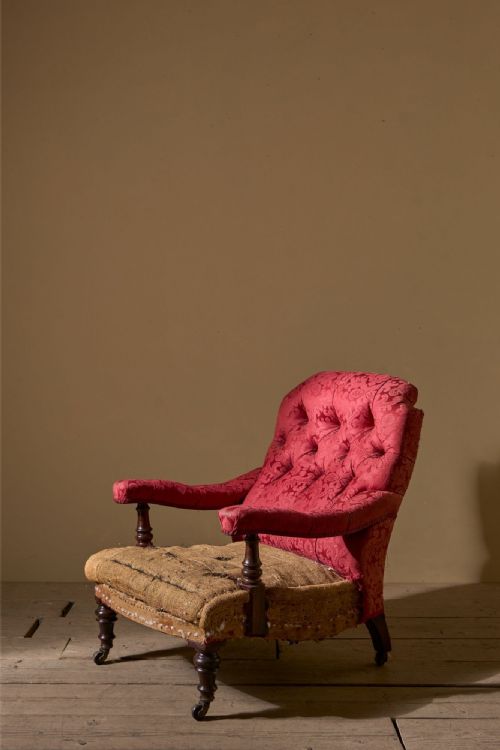
A traditional arm chair brings centuries of seating history into daily use, spanning robust country designs and formal parlour styles. When exploring these listings, buyers encounter pieces originating from the Georgian, Victorian, and Edwardian eras, alongside various revival periods.
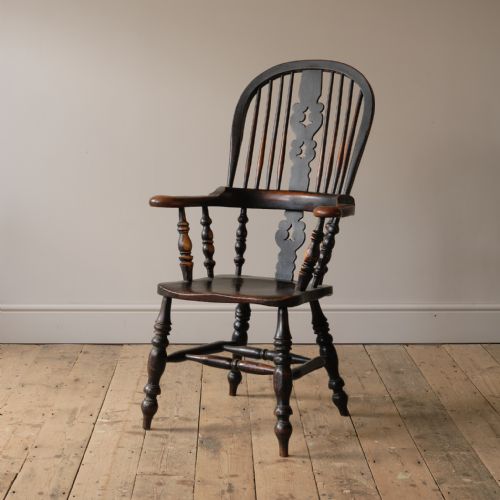
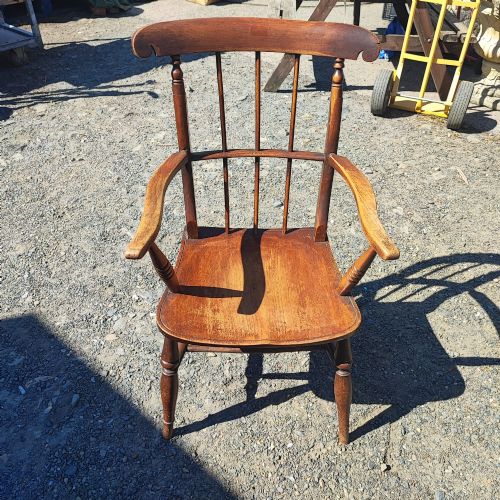
The selection ranges from sturdy ash and elm country windsors and ladder-backs to upholstered mahogany library chairs and leather club seats. English country houses and town residences alike have supplied these varied seating forms over the decades.
How they were made
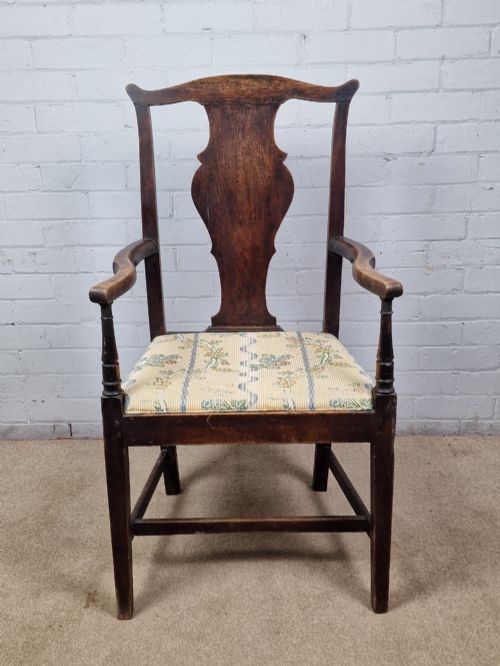
Cabinet makers and country joiners utilised timber such as mahogany, oak, elm, ash, and walnut to build the foundational frames of these chairs. Traditional joinery methods ensure structural longevity, often combining turned wooden spindles, carved arms, and solid legs.
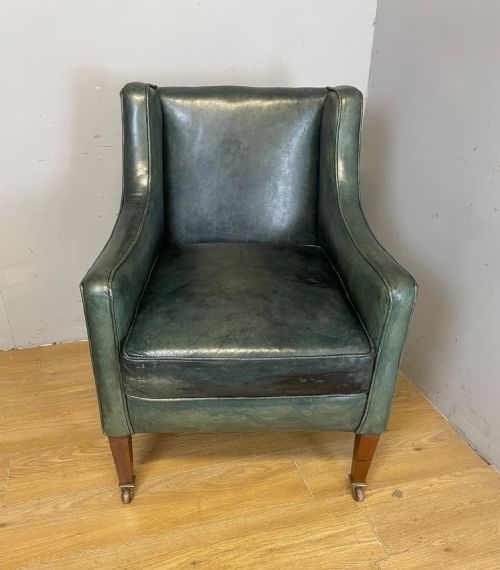
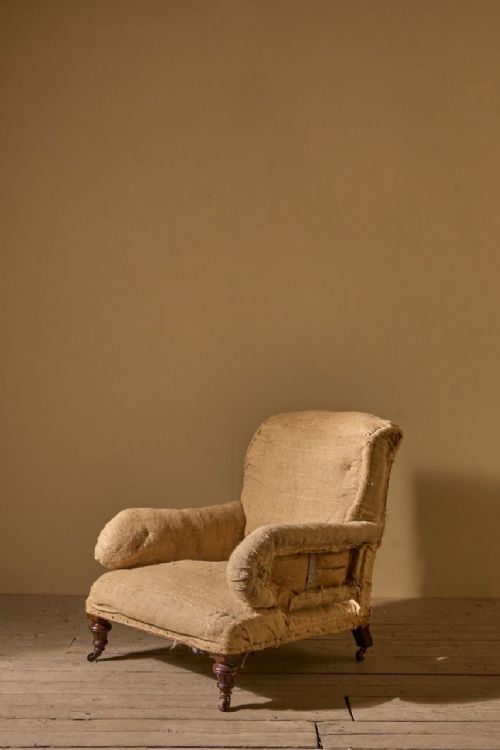
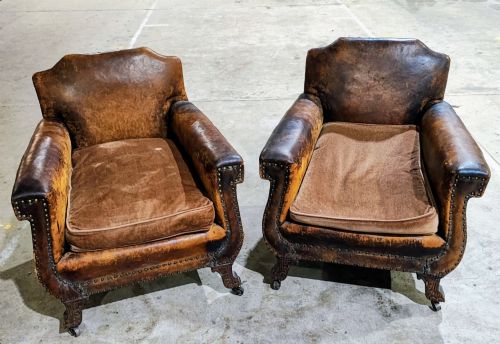
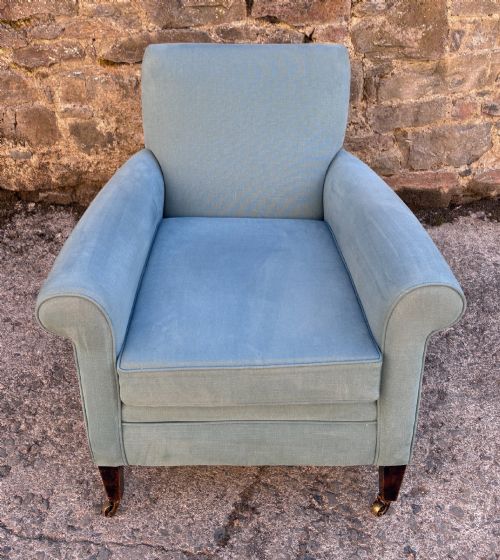
Upholstered versions incorporate materials like leather, velvet, fabric, and calico, frequently supported by brass details. Craftspeople padded deep seats and high backs to provide durable comfort alongside sturdy wooden construction.
Materials across these listings include mahogany, leather, oak, elm, and ash, reflecting centuries of British furniture tradition.
What varies in quality
The distinction between standard examples and finer pieces lies in the selection of timber and the precision of the carving or turning. Superior items display well-figured mahogany or carefully matched ash and elm grain.
Design proportion and the integrity of the original frame structure determine the standing of an armchair. Pieces retaining authentic upholstery materials or bearing documented maker details command greater attention from collectors.
Howard and Sons·Morris and Co
The Traditional Arm Chair Glossary
- Windsor chair
- A wooden chair built with a solid saddle-shaped seat into which the back and legs are wedged directly. These country pieces often utilise ash and elm.
- Wingback armchair
- A seated piece featuring flanking side panels designed to shield the occupant from drafts. Large examples appear frequently in Georgian and Victorian forms.
- Ladder-back chair
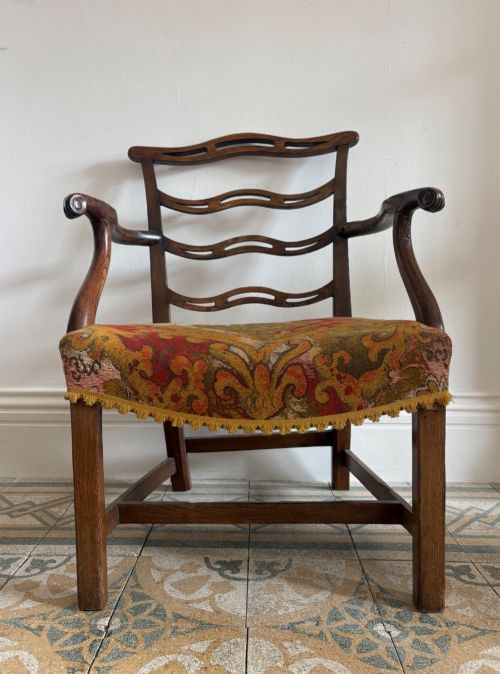
- A seating form featuring horizontal wooden slats across the backrest. These traditional frames trace back through country and revival styles.
- Bergère armchair
- An enclosed upholstered chair with exposed wooden framing and woven cane panels. These seats date across the Regency and later periods.
Traditional Arm Chair: Frequently Asked Questions
What defines a traditional arm chair?
A traditional arm chair is defined by historical construction methods, period timber frames, and classic seating forms originating before the mid-twentieth century. These pieces rely on traditional joinery rather than modern fasteners.
They encompass everything from Windsor spindle chairs to deep-seated upholstered library and club chairs.
How do I care for leather upholstery?
Leather upholstery on antique armchairs benefits from gentle dusting and occasional specialist conditioning to maintain suppleness. Avoiding direct sunlight prevents the hide from drying out.
Keeping the material nourished preserves the aged character of vintage club and desk chairs.
Can I use an antique armchair daily?
Solid wood and robustly framed antique armchairs suit everyday sitting when the joinery remains sound and stable. Many period designs were built specifically for heavy domestic use.
Checking the frame stability ensures the chair safely supports daily routines.
How do I identify the period?
Period identification relies on observing the turning styles, wood types, upholstery techniques, and overall design proportions. Georgian pieces often display mahogany and refined carving, while country pieces utilise elm and ash.
Comparing construction details against documented historical examples clarifies the likely date of manufacture.