



Townscape Watercolour Painting
These townscape watercolour painting selections capture historic streets and market squares through delicate washes on paper.
Townscape Watercolour Painting
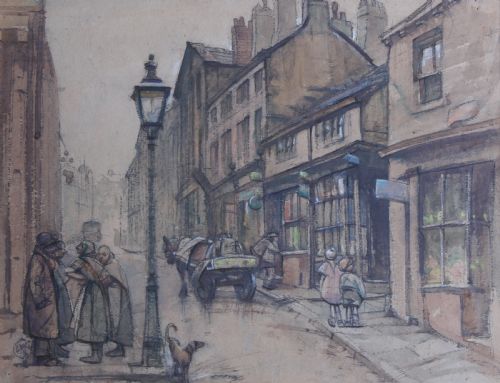
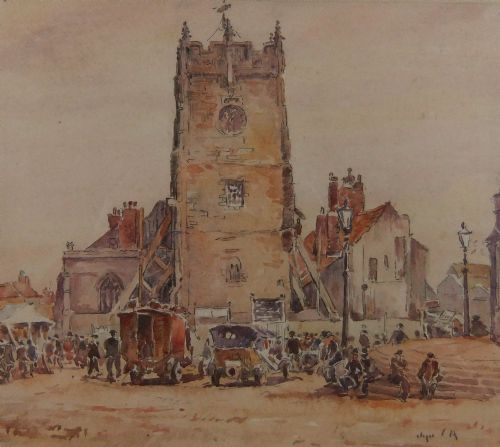
A townscape watercolour painting records architectural facades, market squares, and bustling thoroughfares through fluid pigments on paper. When exploring a townscape watercolour painting on this page, buyers encounter works executed across the nineteenth and twentieth centuries.
The compositions depict specific locations ranging from quiet Yorkshire alleys to continental European marketplaces. Such pieces serve as both topographical records and evocative atmospheric studies of urban life.
Makers frequently employ ink or pencil alongside watercolour to define structural details before applying washes. Framed examples typically utilise wood and glass to protect the delicate surface from environmental moisture.
Materials and Technique
Artists lay down preliminary outlines using graphite pencil or fine ink lines to establish perspective and architectural proportions. Pigments are then applied in transparent washes upon paper surfaces, allowing the white of the sheet to provide natural highlights.
Gilt wood frames paired with protective glass are commonly utilised to house these watercolours, shielding the paper substrate from atmospheric degradation. The interaction between ink, watercolour, and paper defines the physical integrity of each piece.
Townscape Watercolour Painting Retail Price Guide 2026
Typical asking prices for townscape watercolour painting among the pieces listed under this phrase on Sellingantiques today, from the lower quarter to the upper quarter. They describe what is for sale here now, not the wider market.
Listings feature watercolours on paper spanning from the nineteenth century through the mid-twentieth century, utilising ink, pencil, and gilt wood framing.
Judging Quality
The distinction between tiers rests upon the sureness of the initial drawing and the control of pigment washes. Superior examples demonstrate confident handling of perspective and atmospheric light without excessive reworking.
Provenance and specific topographical interest also elevate individual works. Pieces by documented artists working within established British traditions command greater attention from collectors.
John Smith Atherton·WILLIAM MANNERS·Stanley Orchart·Joseph W Milliken·ANGUS RANDS·WALTER EMSLEY·Fred Lawson·Annie L Lee·John J Hamer·Victor Noble Rainbird·Thomas Hearne
The Townscape Watercolour Painting Glossary
- Townscape watercolour painting
- A work executed in water-soluble pigments on paper depicting urban architecture, streets, or market places. These images focus on human habitation and built environments.
- Watercolour
- A painting method in which the paints are made of pigments suspended in a water-based solution. The medium relies on transparency and light reflecting through the pigment from the paper.
- Gouache
- An opaque water-based paint method sometimes combined with transparent watercolour to add solid highlights. It provides denser colour application than standard watercolour washes.
- Gilt wood
- Timber framing treated with gold leaf or gold-coloured finishing. This material was traditionally chosen to complement and protect framed works on paper.
Townscape Watercolour Painting: Frequently Asked Questions
What is a townscape watercolour painting?
A townscape watercolour painting depicts urban views, streets, and buildings using water-based pigments on paper. These artworks range from rapid topographical sketches to finished exhibition pieces.
Artists document specific towns, market crosses, and historic inns, providing a visual record of past architectural landscapes.
How should I frame and display my painting?
Watercolours require framing behind glass to protect the paper and pigments from atmospheric moisture and dust. Acid-free mounts prevent chemical damage to the paper over time.
Keep these artworks away from direct sunlight to prevent the watercolour pigments from fading.
How do I identify the period of a work?
Dating relies upon architectural styles, artist signatures, clothing worn by figures in the street, and framing materials. Edwardian and Victorian works often exhibit specific stylistic conventions in perspective and palette.
Comparing signatures with known records helps confirm the era of execution.
Were these works intended as preparatory sketches?
Some pieces serve as quick on-the-spot drawings intended to capture light and shadow before returning to a studio. Others are fully resolved compositions created for sale or exhibition.
Pencil lines visible beneath the pigment often reveal the working method of the artist.