



Tortoiseshell Marquetry
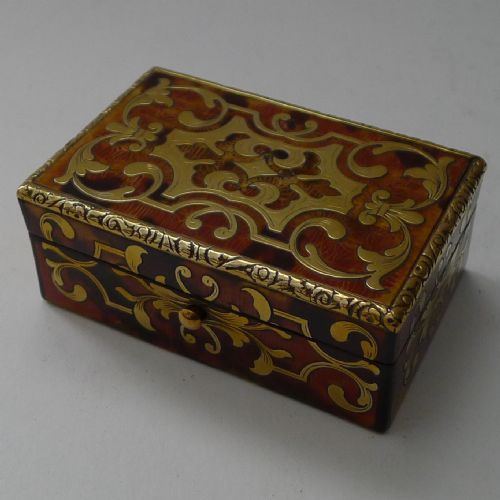
Tortoiseshell marquetry pieces bring together rich tortoiseshell and gleaming brass inlay in ornate French designs that transform a room.
Tortoiseshell Marquetry
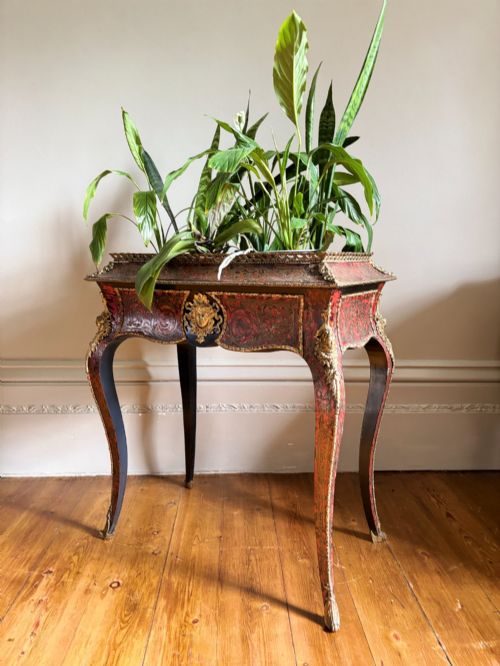
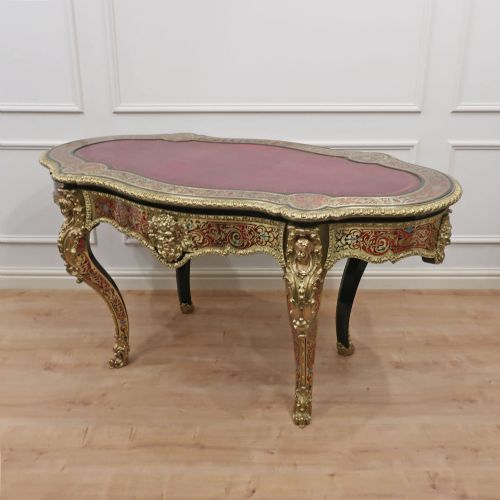
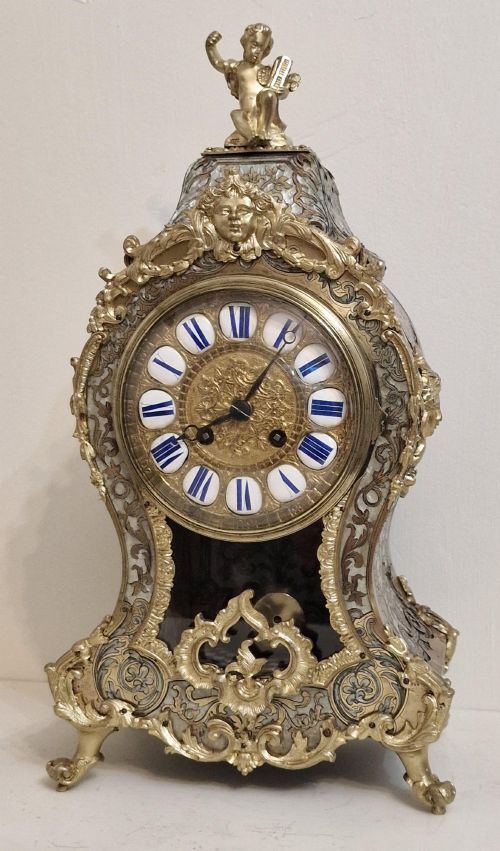
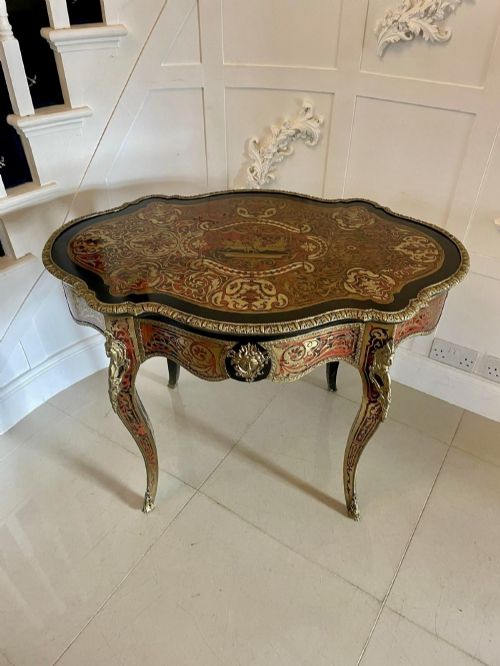
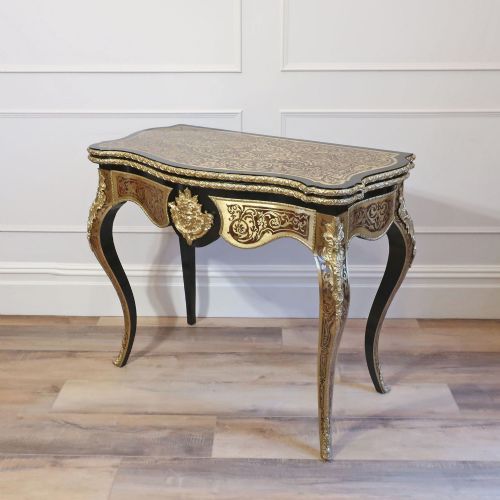
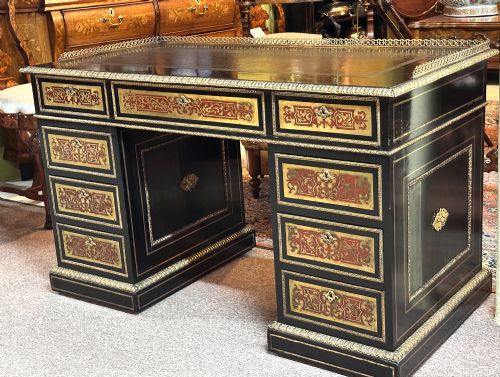
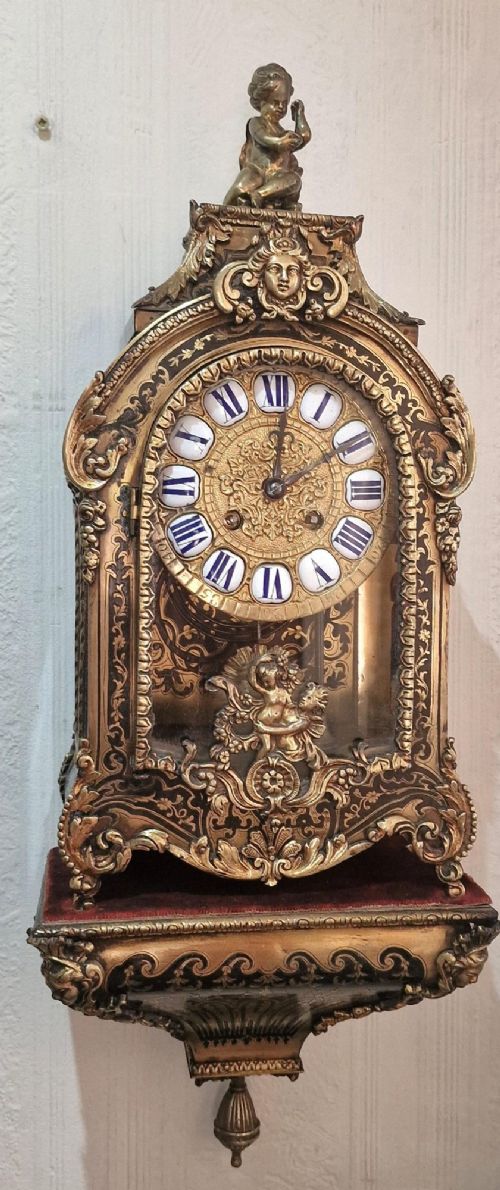
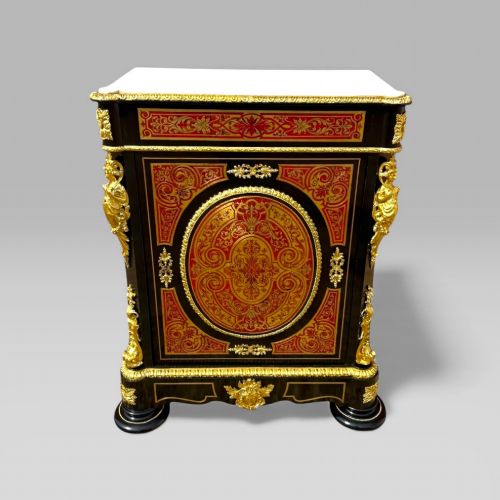
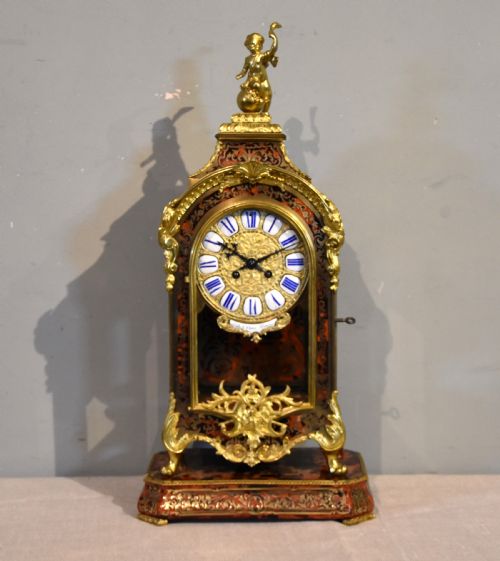
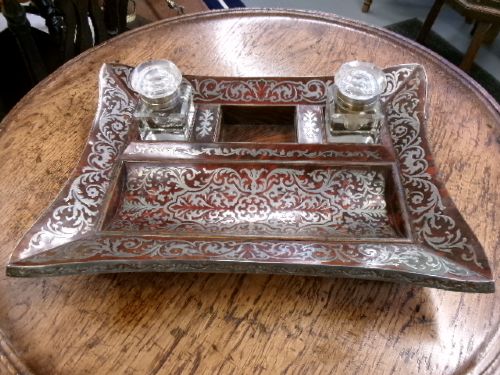
When you search for tortoiseshell marquetry, you encounter elaborate French furniture and decorative objects from the nineteenth century. These pieces include mantel clocks, pier cabinets, writing desks, and centre tables designed in revival styles such as Napoleon III and Louis XIV.
The objects often display intricate brass and tortoiseshell work across ebonised wood surfaces. Mantel clocks and display cabinets dominate the selection, bringing distinctive nineteenth-century craftsmanship into domestic interiors.
Judging quality in tortoiseshell marquetry
The precision of the brass inlay against the tortoiseshell ground dictates the standard of a piece. Finer examples maintain tight junctions between metal and shell without gaps or excessive filler.
The crispness of the cast ormolu mounts and the depth of the ebonised finish further separate ordinary items from exceptional works. Well-preserved surfaces retain the natural warmth of the shell and the sharp detail of the chased brass.
Tortoiseshell Marquetry Retail Price Guide 2026
Typical asking prices for tortoiseshell marquetry among the pieces listed under this phrase on Sellingantiques today, from the lower quarter to the upper quarter. They describe what is for sale here now, not the wider market.
Listings feature nineteenth-century tortoiseshell marquetry items, including brass-inlaid mantel clocks, pier cabinets, and writing desks.
Maison Millet·Edwards & Roberts·Samuel Marti·Henri Marc·Lund Of Cornhill
The Tortoiseshell Marquetry Glossary
- Boulle work
- Marquetry technique using brass and tortoiseshell inlaid in contrasting patterns. Named after the royal cabinetmaker André-Charles Boulle.
- Ormolu
- Gilded bronze used for decorative mounts and feet on furniture and clocks. This material adds metallic contrast to dark timber and shell.
- Pier cabinet
- Narrow display cabinet designed to fit against the wall space between windows. These pieces often feature glass doors and elaborate marquetry fronts.
- Credenza
- Low cabinet with doors, frequently used for storage and display. Nineteenth-century examples often incorporate extensive brass and tortoiseshell inlay.
- Bureau plat
- Flat-topped freestanding writing desk. These desks typically display finished marquetry across all sides.
Tortoiseshell Marquetry: Frequently Asked Questions
How do I clean tortoiseshell marquetry?
Dust surfaces gently with a dry, soft cloth to prevent scratching the delicate shell and brass inlay. Avoid commercial polishes or damp cloths that can damage the underlying adhesives.
Keep pieces away from direct sunlight and fluctuating heat sources to protect the natural shell from warping or cracking over time.
Are these clocks reliable timekeepers?
Nineteenth-century mantel clocks require careful professional setup and regular pendulum adjustment to keep accurate time. Many feature eight-day movements that need gentle winding.
Consult a horologist experienced in antique French clock movements if the mechanism requires servicing or adjustment.
Where should I place a pier cabinet?
Pier cabinets suit hallways, drawing rooms, or living spaces where wall space allows a narrow piece of furniture to stand out. Their glass doors protect contents while displaying decorative objects.
Position cabinets away from radiators and windows to maintain stable environmental conditions for the ebonised wood and inlay.
How do I identify Napoleon III pieces?
Napoleon III items often revive earlier French court styles like Louis XIV and Louis XV, using abundant brass inlay and ebonised finishes. These nineteenth-century works lean towards ornate symmetry and decorative excess.
Look for typical nineteenth-century construction methods, lock mechanisms, and materials beneath the decorative exterior.