



Tool Storage Trunk
A tool storage trunk is a sturdy wooden box built for trade work, and you want one for its honest utility and rugged character.
Tool Storage Trunk
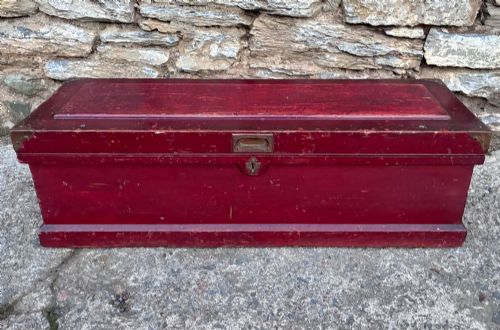
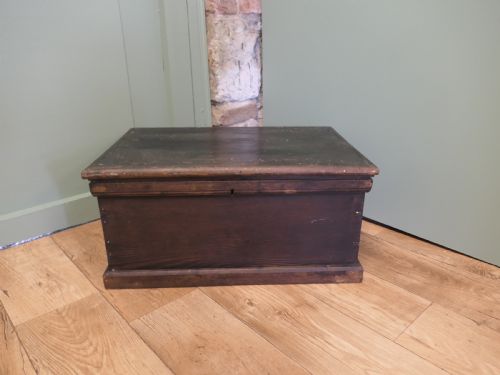
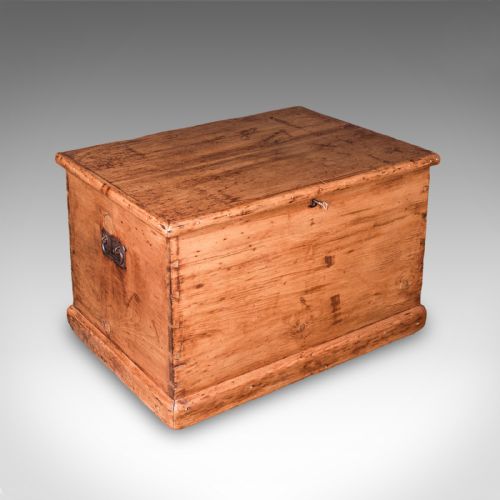
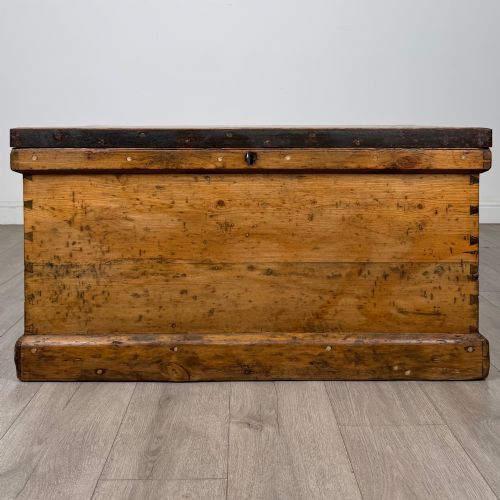
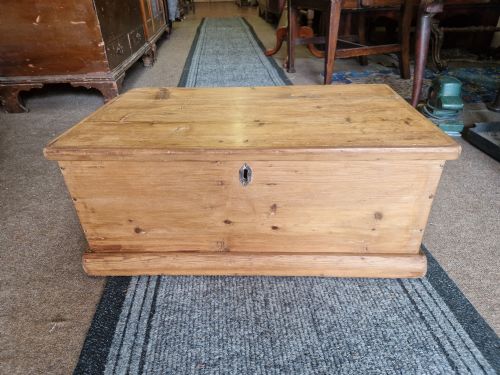
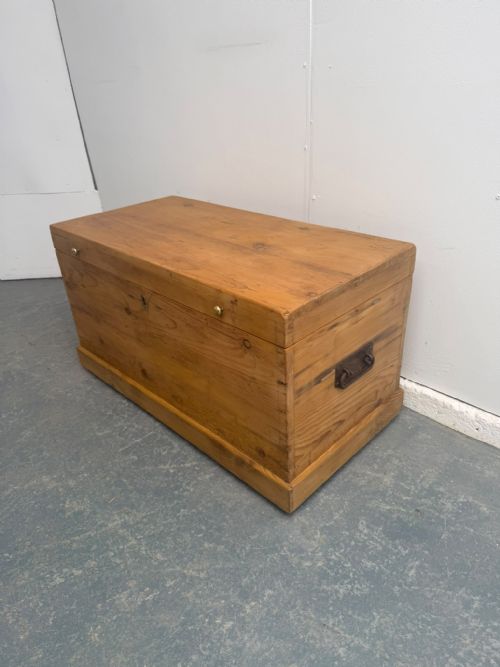
A tool storage trunk is a practical container designed for tradespeople like carpenters, cabinet makers, and shipwrights to transport and secure their implements. You are most likely to meet Victorian and Edwardian examples made from pine, pitch pine, elm, or mahogany, often bearing the marks of genuine workshop use.
The forms range from simple blanket boxes and ammunition cases to elaborate fitted cabinets with multiple small drawers and internal compartments. Many items display regional British origins, including Welsh artisan boxes and English maritime trunks.
These pieces bridge the gap between heavy-duty storage and decorative rustic furniture, fitting comfortably into country houses, industrial lofts, and contemporary living spaces alike.
Materials and construction methods
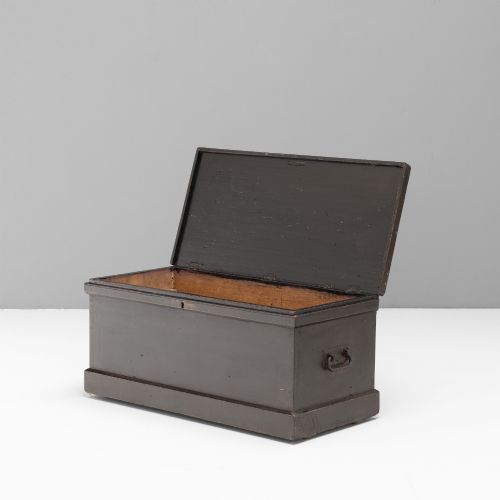
Makers utilised durable native timbers such as solid pine, pitch pine, elm, and occasionally mahogany or teak to withstand the heavy loads of metal tools. Surfaces were finished in various ways, ranging from natural wax and scumble paint to ebonised treatments or painted maritime finishes.
Robust hardware is integral to the construction, featuring iron hinges, brass corner brackets, side lifting handles, and working locks with keys. Interiors often incorporate clever fitted compartments, tills, and banks of small drawers tailored to specific trades.
Tool Storage Trunk Retail Price Guide 2026
Typical asking prices for tool storage trunk among the pieces listed under this phrase on Sellingantiques today, from the lower quarter to the upper quarter. They describe what is for sale here now, not the wider market.
Listings feature solid pine, pitch pine, elm, teak, and mahogany, frequently reinforced with iron and brass hardware.
Distinctions in craftsmanship and survival
The distinction between a basic utilitarian box and a superior piece lies in the complexity of the interior architecture and the grade of timber chosen by the maker. Master cabinet makers and shipwrights built chests with meticulous dovetail joints, complex internal till arrangements, and twelve or more small drawers.
Originality of surface and hardware preserves the historical integrity of a trunk, distinguishing untouched workshop survivors from heavily restored examples. Retaining working locks, original brass bindings, and authentic scumble or painted finishes elevates the standing of any piece.
Gnome Et Le Rhone Engine Company
The Tool Storage Trunk Glossary
- Scumble paint
- A translucent glaze applied over a base coat to imitate the grain of more expensive woods. This decorative technique was popular on nineteenth-century utilitarian furniture.
- Pitch pine
- A dense, resinous softwood sourced mainly from North America and heavily used for durable Victorian packing and storage cases. It displays a prominent grain pattern.
- Till
- A small internal sliding tray or compartment inside a chest designed for holding smaller implements and measuring tools. These lift out to reveal deeper storage beneath.
- Dovetail joint
- An interlocking corner joint formed by interlocking wedge-shaped fingers that provides immense tensile strength. It is a hallmark of traditional box construction.
- Ebonised
- Wood treated with a chemical stain or dark finish to resemble ebony. This treatment was frequently applied to maritime and workshop trunks for a severe, smart appearance.
Tool Storage Trunk: Frequently Asked Questions
What were tool storage trunks used for originally?
Tradespeople utilised these sturdy wooden boxes to store, organise, and transport hand tools safely between job sites. Cabinet makers, carpenters, and shipwrights relied on them to protect valuable implements from moisture and theft.
Over time, these chests became portable workshops containing bespoke compartments for every specialised chisel, plane, and saw required by the craftsman.
How do I date a nineteenth century pine trunk?
Dating relies on observing construction methods, hardware styles, and timber types recorded in the piece. Hand-cut dovetails, iron strap hinges, and the specific patina of aged pine point towards the Victorian era.
Makers often left clues through lock stamps, handwritten labels inside the lid, or regional construction traits typical of Welsh or English country workshops.
Can I use an antique tool chest as a coffee table?
These robust trunks possess the flat tops and sturdy proportions necessary to function effectively as coffee tables in living spaces. Their internal storage provides a practical place to stow blankets, books, or household items.
Placing a heavy wooden chest in a room introduces texture and historical character without compromising on everyday surface utility.
What is the difference between a blanket box and a tool chest?
Blanket boxes generally feature simple open interiors designed for soft textiles and garments. Tool chests incorporate complex internal arrangements including fitted tills, small drawers, and specialised brackets.
The presence of heavy iron or brass hardware and locking mechanisms usually indicates a piece built for professional trade use rather than domestic storage.