



Tobacco Smoking Accessories
These tobacco smoking accessories are tactile personal and parlour objects crafted to hold leaf, flame and ash across the Georgian, Victorian and Edwardian eras.
Tobacco Smoking Accessories
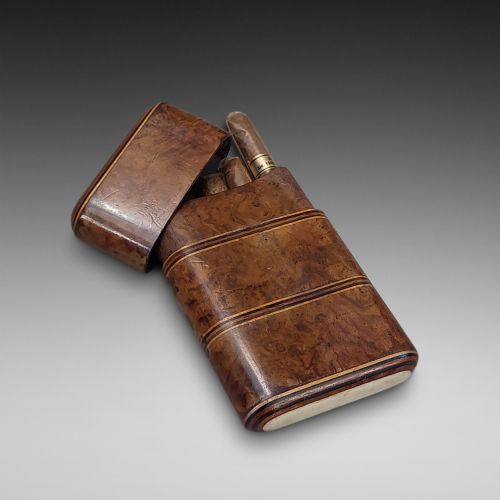
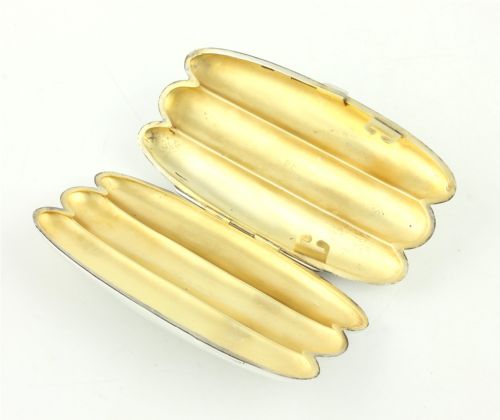
When you search for tobacco smoking accessories, you encounter a diverse assemblage of portable cases, desktop cabinets, floor-standing stands and pocket items designed for pipes, cigars and cigarettes. The selections span simple brass tampers and clay pipe racks to opulent sterling silver cigar cases and carved wood humidors.
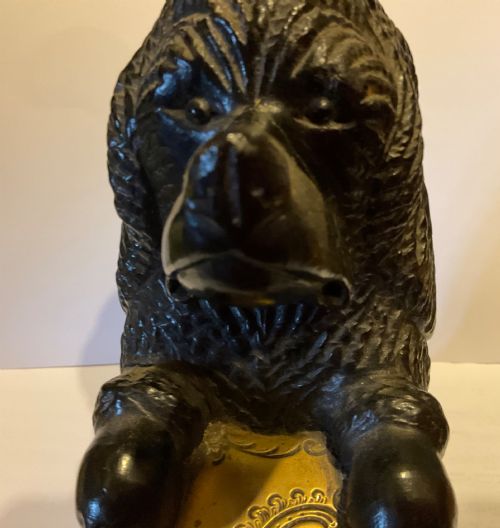
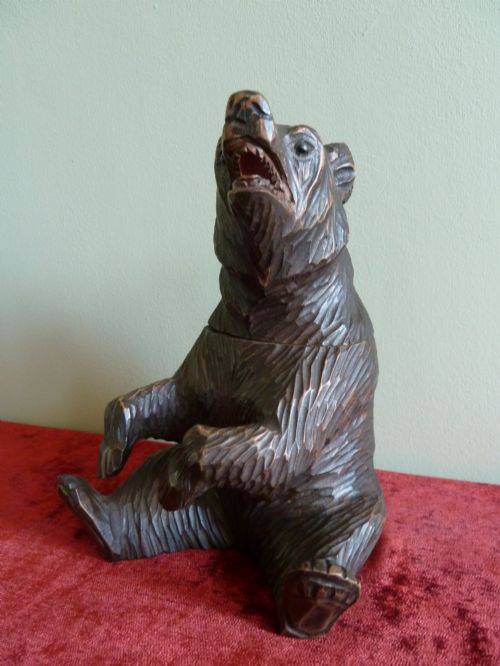
You are most likely to meet Victorian and Edwardian pieces on this page, reflecting the peak of domestic smoking culture in Britain. These range from Black Forest carved bears holding tobacco to engine-turned silver pocket cases intended for daily carriage.
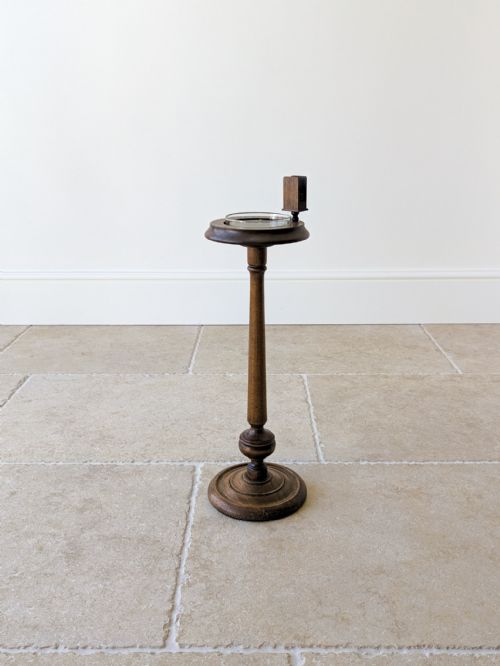
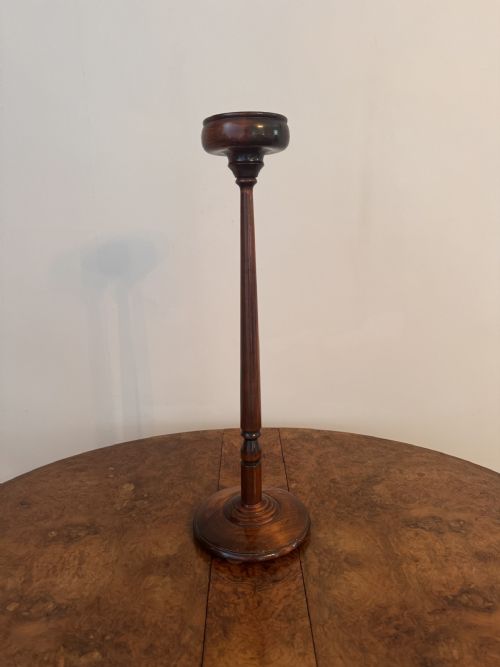
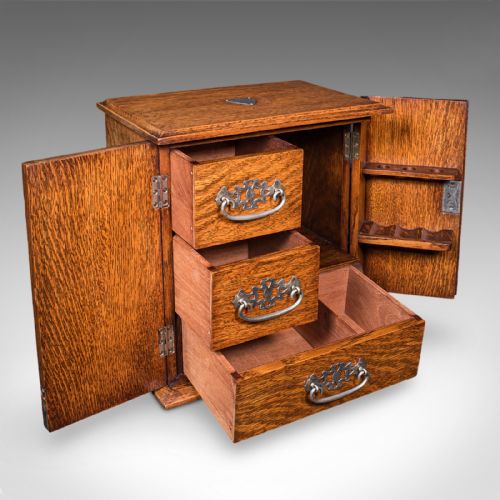
Cabinet forms also appear, including doctor's smoking cabinets and burr walnut locking gentleman's cases designed to organise pipes and leaf at home. Floor-standing smokers stands bring this utility directly beside the armchair.
Materials and construction
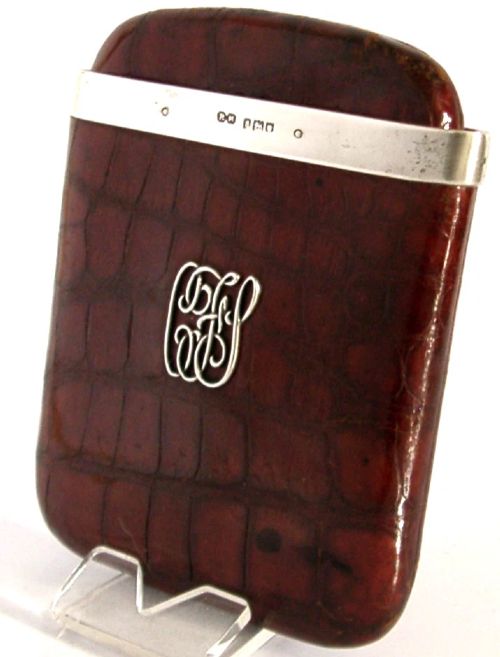
Sterling silver forms the structural and decorative core for many pocket pieces, often detailed with gilding, engine-turning or secure catches. Craftsmen combined silver with crocodile skin leather, amber and gold to build durable luxury items for personal use.
Tobacco Smoking Accessories Retail Price Guide 2026
Typical asking prices for tobacco smoking accessories among the pieces listed under this phrase on Sellingantiques today, from the lower quarter to the upper quarter. They describe what is for sale here now, not the wider market.
Markers of quality
The distinction between standard utility items and the top of the range rests on the precision of metalwork, the weight of the silver and the complexity of the carving. Hand-carved figural details, such as dogs or bears, show an artisan's eye that elevates a simple match holder into sculpture.
Internal engineering separates superior storage pieces from ordinary boxes, evident in snug inner lids, tight locks with operational keys, and well-fitted dividers for cigars and pipes. Superior materials like solid burr walnut or heavy sterling silver retain their integrity and finish over generations of handling.
Zimmerman·Edward Edwards·Wright and Davies·Cartier
The Tobacco Smoking Accessories Glossary
- Pipe tamper
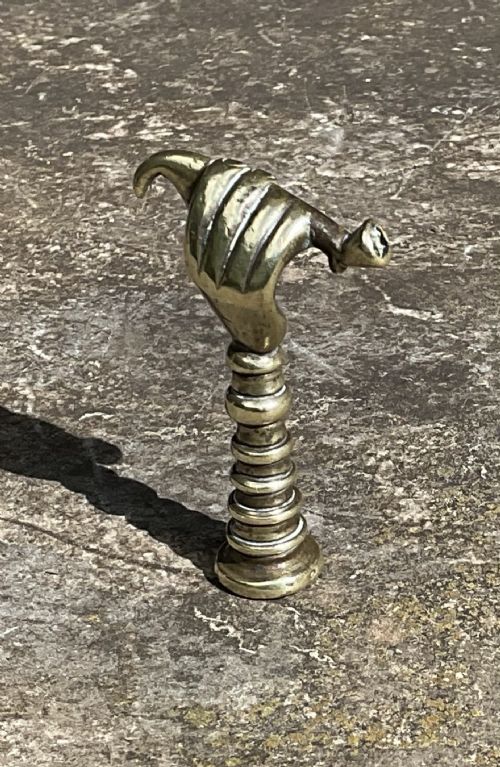
- A small metal or wooden tool used to press down burning tobacco inside a pipe bowl. Tampers range from plain brass rods to intricately decorated silver implements combined with picks.
- Humidor
- A sealed box or cabinet designed to store cigars and tobacco at a stable humidity. These containers often feature secure locking mechanisms and fitted wooden interiors.
- Engine-turned
- A mechanical decoration technique that cuts precise geometric patterns into metal surfaces. This method creates textured surfaces on silver cigarette and cigar cases that resist fingerprints.
- Cheroot
- A cylindrical cigar with both ends cut straight rather than tapered. Cheroot cases and holders were tailored specifically for this narrower smoking format.
Tobacco Smoking Accessories: Frequently Asked Questions
How were cigar cases carried?
Pocket cases in sterling silver, leather and crocodile skin were sized to slide into a waistcoat or jacket pocket for daily outings. Hard metal tubes and stiff frames protected the cigars from breaking during movement.
Larger versions accommodated multiple cigars alongside matches or cutters, serving the gentleman traveller on longer journeys.
What is a Black Forest humidor?
These carved wooden containers originated in the wooded mountain region of Central Europe and typically feature lifelike animals such as bears holding trays or bowls. The naturalistic carvings served as whimsical yet functional tobacco and cigar holders.
Carved entirely from local timbers, they brought rustic character into Victorian smoking rooms and studies.
How do I date a silver cigarette case?
British silver pieces carry hallmarks stamped directly into the metal, including assay office marks, date letters and maker's marks. These stamps provide the exact year of manufacture and the workshop responsible.
Stylistic cues such as Art Deco geometric lines or Victorian floral engraving further help narrow down the period of production.
Where were smoking stands placed?
Floor-standing smokers stands were positioned beside armchairs and sofas in drawing rooms and smoking dens to keep pipes, tobacco and matches within easy reach. Their heavy bases prevented tipping during use.
Many incorporated ash trays, pipe racks and lighters into a single upright piece of mahogany or brass furniture.