

Tin Glaze Earthenware Vase
Tin glaze earthenware vase examples range from seventeenth-century Dutch Delftware to nineteenth-century Italian majolica, offering vibrant painted surfaces and historic forms.
Tin Glaze Earthenware Vase
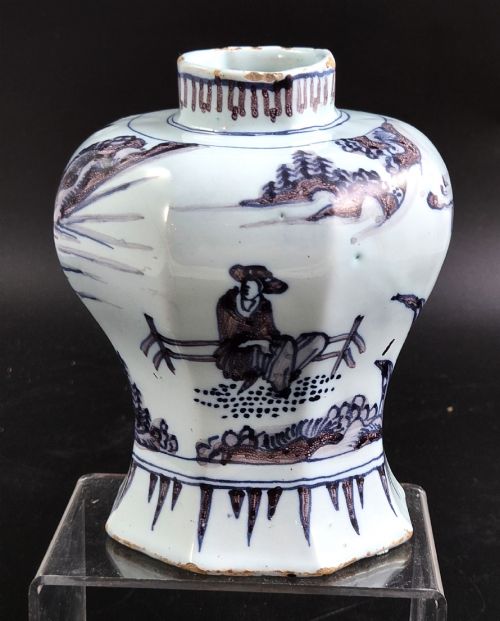
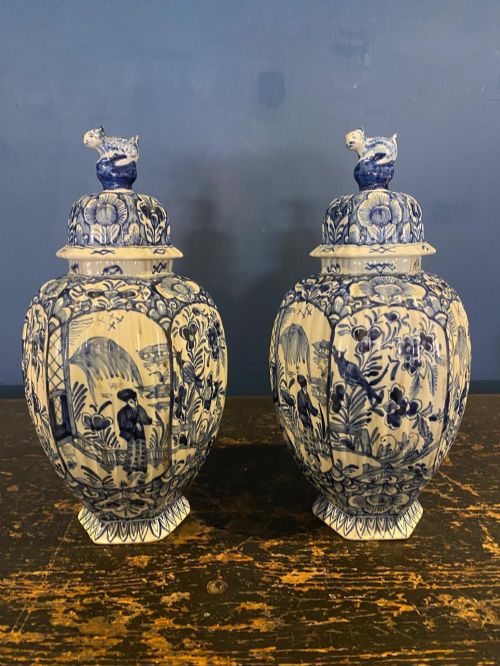
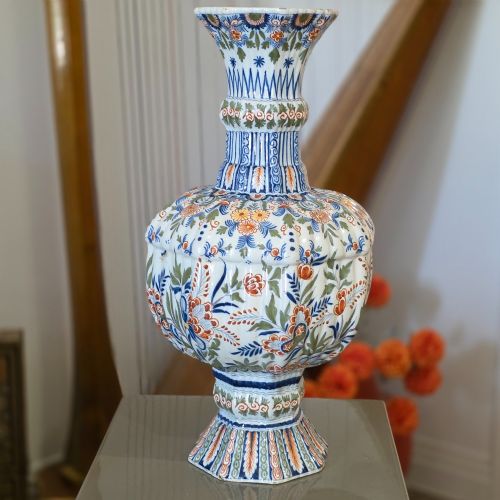
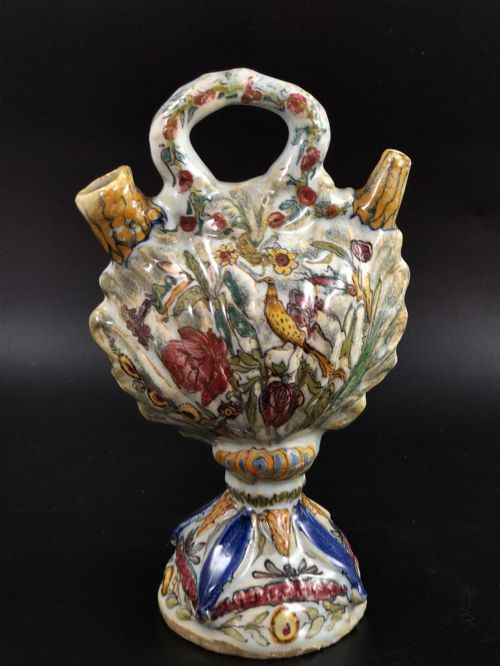
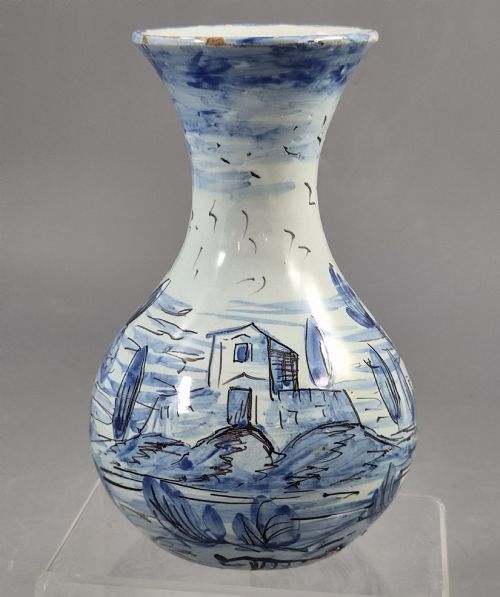
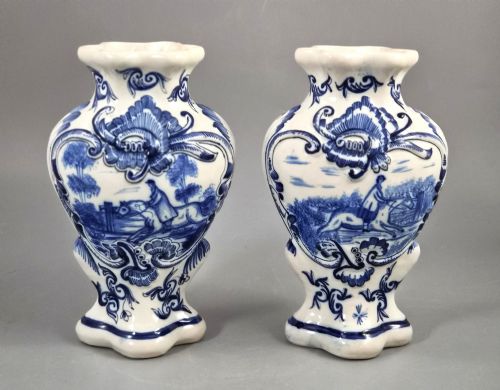
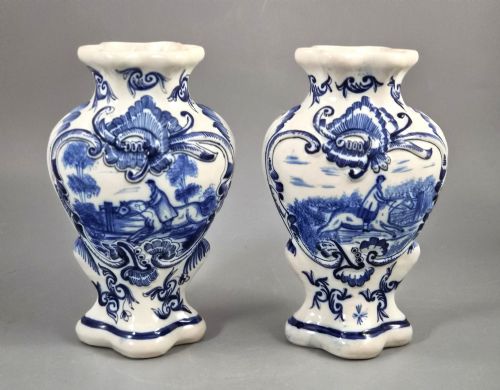
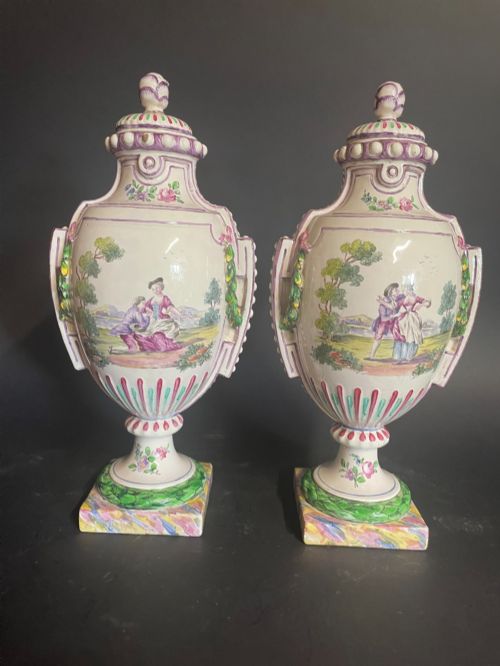
A tin glaze earthenware vase represents a tradition of ceramic production spanning the seventeenth, eighteenth, and nineteenth centuries across Britain, France, Italy, and the Netherlands. Buyers encounter forms ranging from simple baluster vases and lidded jars to elaborate pilgrim flasks, ewers, and apothecary vessels.
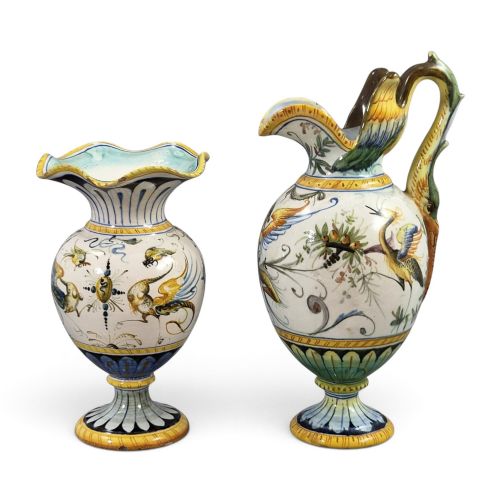
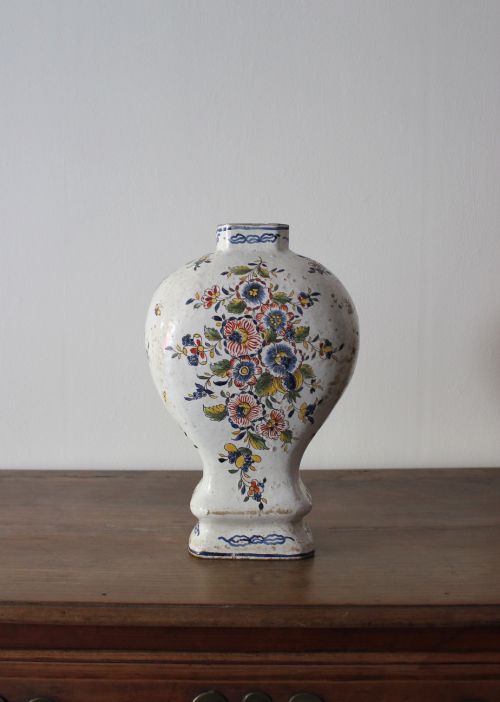
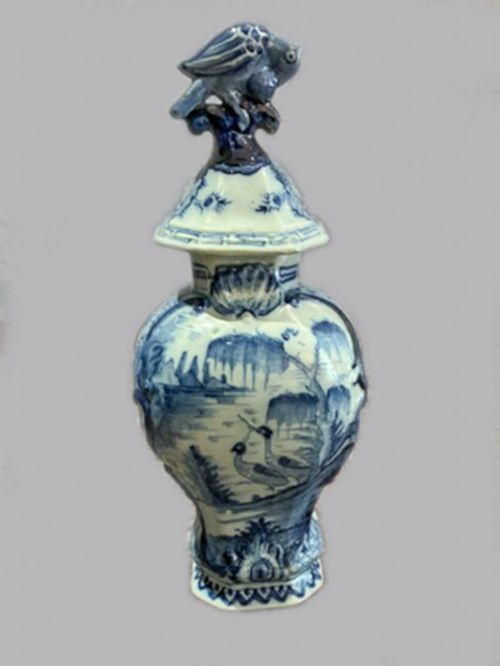
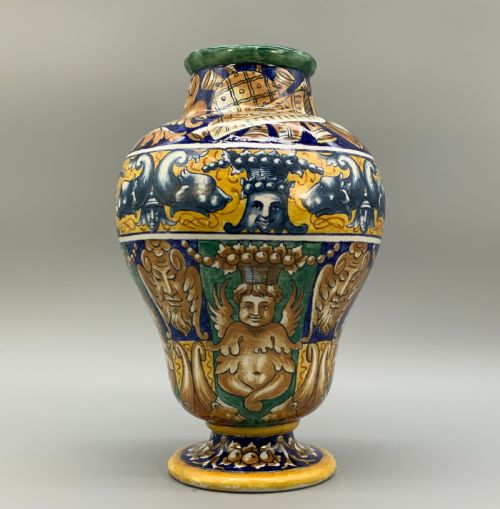
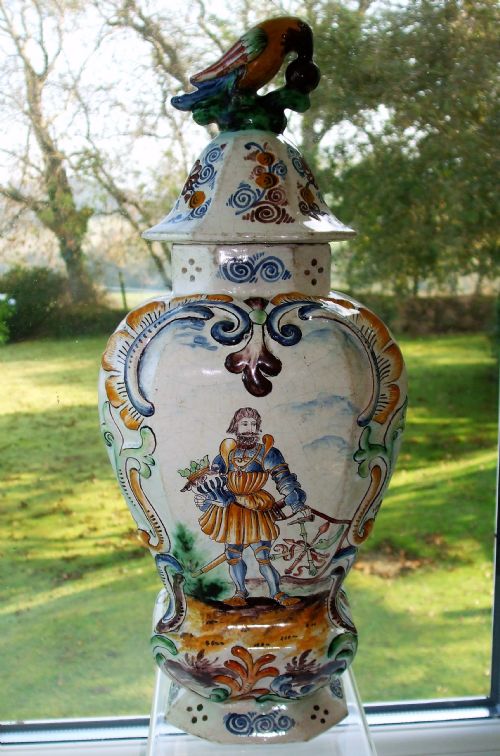
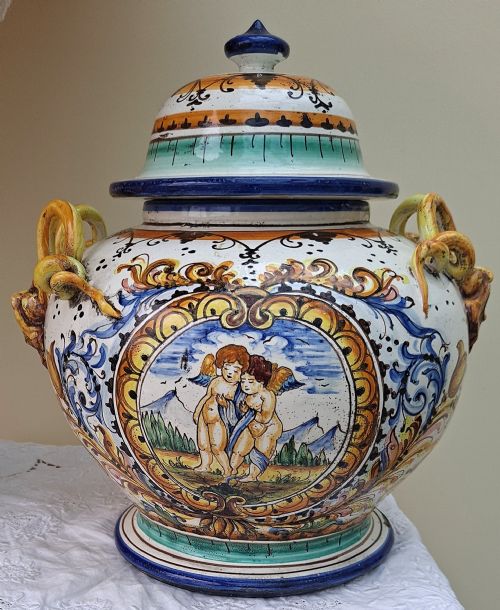
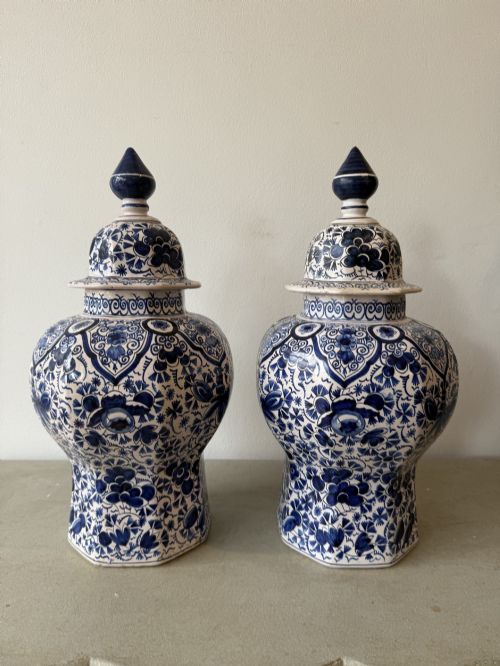
The selections on this page lean heavily toward eighteenth-century Dutch Delftware and nineteenth-century Italian majolica or French faience revivals. These pieces often arrive with hand-painted blue and white motifs, Chinoiserie scenes, or polychrome palettes rooted in Renaissance and Baroque styles.
How They Were Made
Potters shaped these bodies from earthenware clay, coating the unfired piece in a liquid glaze containing tin oxide to produce an opaque white surface. Artisans painted directly onto this absorbent unfired glaze using metallic oxides like cobalt for blue, manganese for purple-brown, and various pigments for polychrome designs.
A final high-temperature firing fused the metal oxides into the tin glaze, creating a glossy finish that locked the pigments in place. Many workshops incorporated a transparent lead overglaze or final kiln stage to deepen the surface sheen on specialised cabinet pieces.
Listings feature tin-glazed earthenware vases spanning the seventeenth century through to the Victorian era, utilising both blue-and-white and polychrome palettes.
What Varies in Quality
The crispness of the hand-painted brushwork dictates much of the division across these wares, separating hurried commercial output from deliberate studio work. Pieces with fluid, confident cobalt lines and balanced composition demonstrate superior control by the painter.
The stability of the glaze and the purity of the opaque white tin ground also define the upper tier of production. Finer examples retain an even, bright surface without excessive crawling or pooling of the glaze around the foot and rim.
Cantagalli·Fourmaintraux Courquin·Drie klokken Factory·Lambeth Pottery
The Tin Glaze Earthenware Vase Glossary
- Tin-glazed earthenware
- Pottery covered with a white opaque glaze containing tin oxide, providing a smooth canvas for painted decoration. This technique underpins Dutch Delft, Italian majolica, and French faience.
- Majolica
- Italian tin-glazed earthenware typically associated with vibrant polychrome or blue-and-white Renaissance and Baroque styles. The term also applies to later nineteenth-century revival pieces produced in factories like Cantagalli.
- Faience
- The French and broader continental European term for tin-glazed earthenware. Production centres such as Desvres and Sceaux utilised this technique to replicate earlier styles.
- Albarello
- A cylindrical earthenware jar designed for holding pharmaceutical drugs, ointments, or dry spices in apothecary shops. These vessels often feature a waisted body for a secure grip.
- Chinoiserie
- European artistic interpretations of Chinese and East Asian decorative motifs, frequently painted in blue and white on seventeenth and eighteenth-century Delftware. Artisans adapted these themes to suit domestic European tastes.
Tin Glaze Earthenware Vase: Frequently Asked Questions
What is a tin glaze earthenware vase?
These objects are ceramic vessels coated in an opaque white tin-oxide glaze that acts as a canvas for painted decoration. They encompass historical production from various European potting traditions spanning multiple centuries.
Potters utilised this technique to achieve the visual appearance of imported porcelain before European hard-paste porcelain manufacturing became widespread. The resulting pieces served both decorative display functions and practical storage roles in domestic settings.
How do I clean my antique vase?
Dusting gently with a dry, soft cloth remains the safest method for routine maintenance of historic tin-glazed surfaces. Avoid submerging antique earthenware in water, as old bodies and glazes can absorb moisture through tiny lines.
Harsh commercial cleaning agents and abrasive pads will permanently damage the delicate historical glaze layers and hand-painted pigments. Professional conservation advice should be sought if deeper cleaning becomes necessary.
How can I tell Dutch Delft from Italian majolica?
Dutch Delft pieces often rely on a distinctive blue-and-white palette inspired by imported Chinese porcelain, frequently featuring Chinoiserie landscapes or floral arrangements. The earthenware bodies tend to be relatively light with characteristic tin glazes applied over buff or pinkish clays.
Italian majolica typically employs bolder polychrome pigments or distinct Renaissance revival motifs, including figures, grotesques, and opaque glazes over heavier fabrics. Examining the palette, tin opacity, and stylistic conventions helps clarify the geographic origin of the workshop.
Were these vases used for flowers?
Many historical forms were engineered specifically to hold water and display cut botanicals, whilst others served purely as decorative garnitures on mantelpieces and cabinetry. Lidded jars and apothecary vessels held dry goods, medicines, or herbs rather than floral arrangements.
Collectors should examine the interior of the vessel for staining or water lines, which often indicate historical utilitarian use. Vases with narrow necks or specialised openings, such as tulipieres, accommodated individual stems in distinct arrangements.