

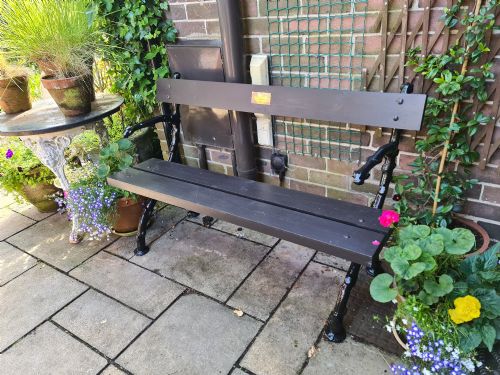


Timber Garden Seat
A timber garden seat brings enduring character to a lawn or terrace, offering a practical resting place built from robust woods and metals.
Timber Garden Seat
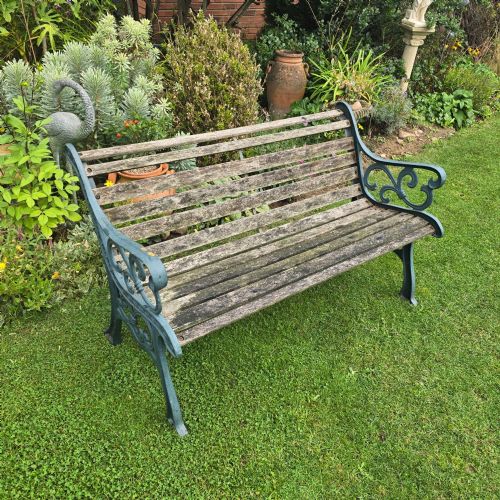
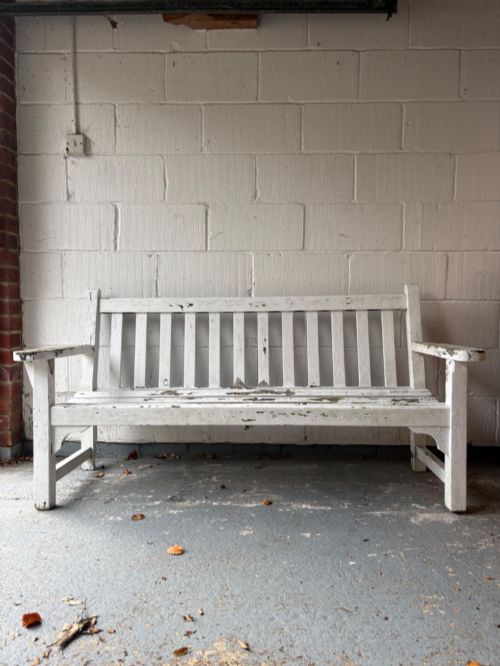
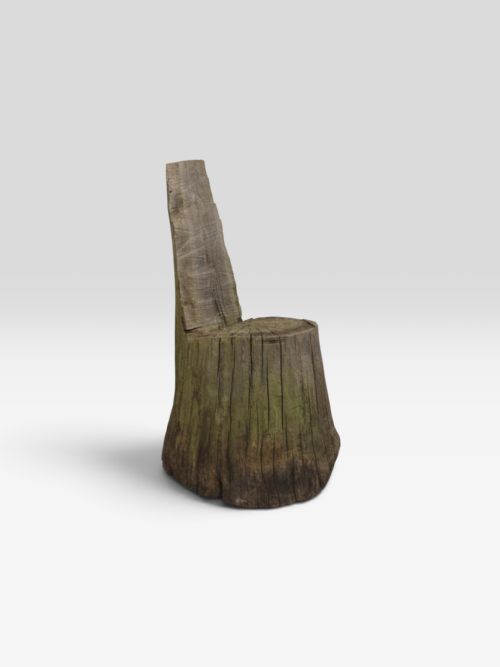
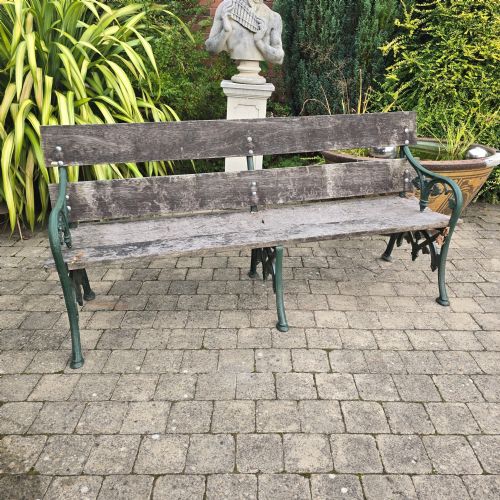
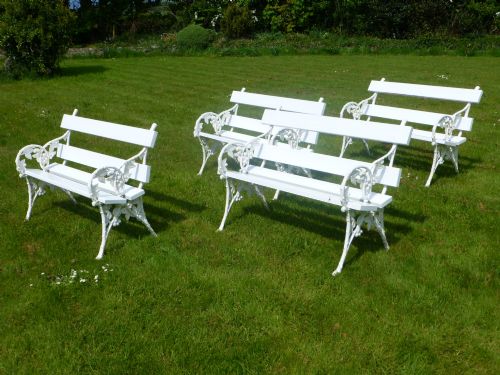
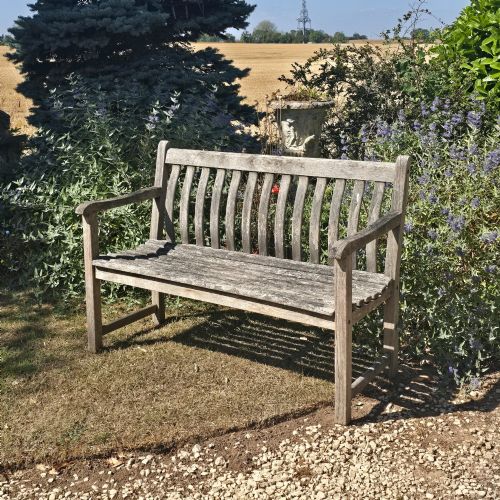
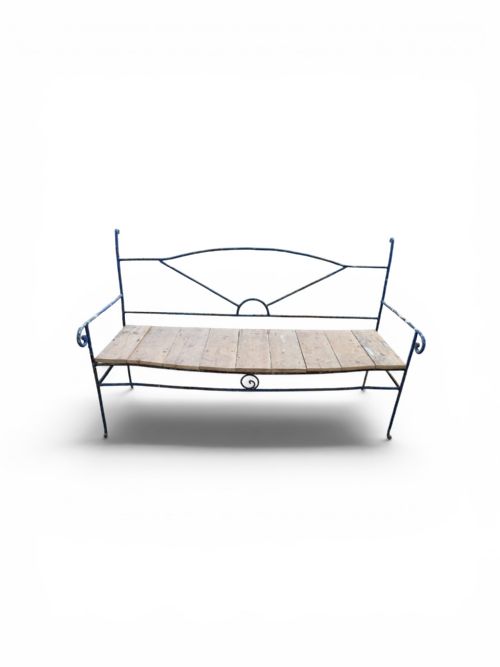
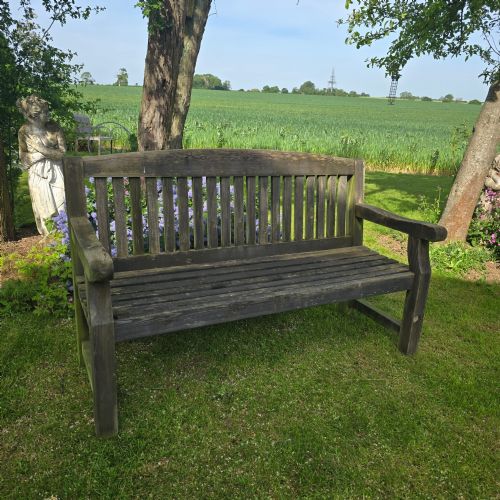
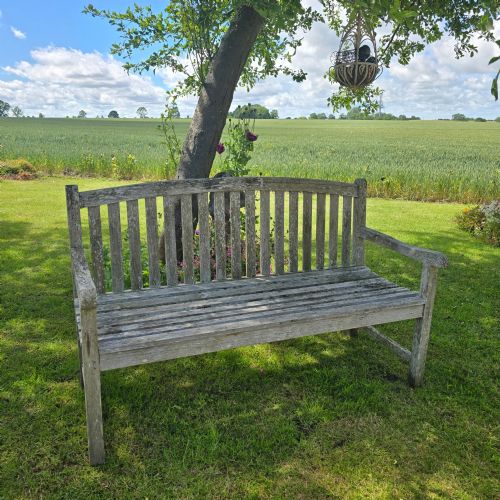
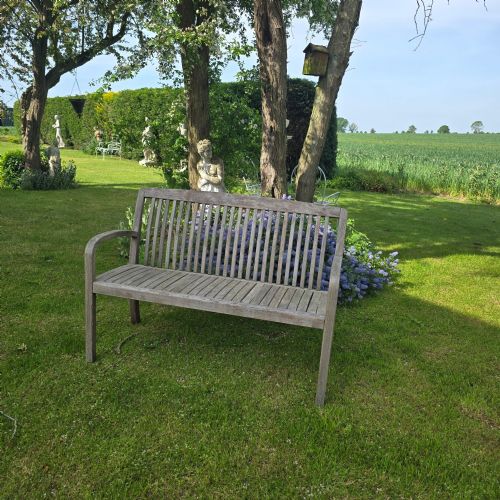
When you search for a timber garden seat, you encounter a variety of outdoor benches and chairs spanning the nineteenth and early twentieth centuries. These pieces encompass sturdy teak designs, rustic country styles, and striking combinations of timber and cast iron.
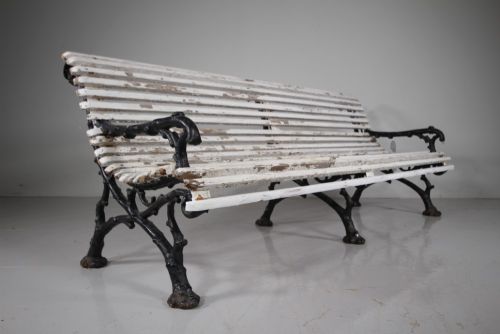
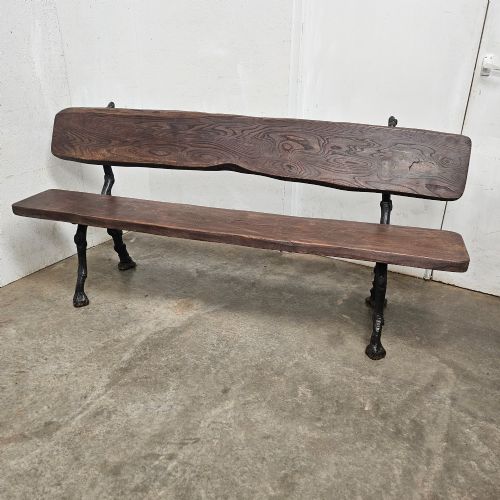
You are most likely to meet well-weathered teak benches and Victorian cast iron designs with wooden slats on this page. The selection also includes French elm and iron faux bois forms alongside specific regional items.
Makers utilised durable materials suited to the outdoors, resulting in survivors that range from simple station benches to sculptural tree seats. Each piece reflects the functional requirements of nineteenth and early twentieth-century gardens.
How they were made
Manufacturers combined heavy cast iron or wrought iron frames with wooden slats made from teak, oak, elm, or general timber. Iron components were often cast in intricate botanical patterns, such as blackberry and leaf motifs.
Makers also employed painted timber and specialised construction methods like faux bois to mimic natural wood grain using other materials. Teak was valued for its natural oils, allowing benches to weather outdoors without extensive decay.
Timber Garden Seat Retail Price Guide 2026
Typical asking prices for timber garden seat among the pieces listed under this phrase on Sellingantiques today, from the lower quarter to the upper quarter. They describe what is for sale here now, not the wider market.
Several benches spent decades as railway station seats before retiring to quiet lawns.
What varies in quality
The standard of a timber garden seat depends upon the integrity of its timber and the crispness of its metal casting. Pieces with deep silvered weathering on solid teak sit alongside robust Victorian frames that retain their structural firmness.
Unusual forms, such as orangery benches or sculptural tree seats, demonstrate a higher degree of design ambition than standard slatted park benches. The harmony between the original wooden slats and the supporting iron framework defines the better examples.
Falkirk Foundry
The Timber Garden Seat Glossary
- Faux bois
- Imitation of wood executed in another material such as iron or concrete. This French technique created durable garden furniture with organic, branch-like forms.
- Teak
- A dense, oil-rich tropical hardwood prized for outdoor furniture. It develops a silvery patina when exposed to weather over decades.
- Tree seat
- A circular bench built to enclose the trunk of a mature garden tree. These sculptural pieces provide shaded seating around a central garden feature.
- Cast iron
- Molten metal poured into a mould to create decorative bench ends and frames. It allowed nineteenth-century foundries to produce complex botanical and geometric patterns.
Timber Garden Seat: Frequently Asked Questions
How do I care for a weathered teak bench?
Teak naturally develops a silver-grey patina when exposed to the elements, protecting the wood beneath without requiring harsh treatments. Periodic gentle cleaning removes dirt and moss while preserving the historic surface.
Avoid heavy sanding or aggressive varnishing on older pieces, as this strips away the character acquired through decades outdoors. Simple seasonal washing keeps the timber sound.
Can these garden seats stay outside all winter?
Most of these pieces were constructed specifically to withstand outdoor conditions year-round, utilising durable woods like teak and robust cast iron frames. Traditional joinery and heavy metals allow them to endure rain and frost.
Positioning the feet on stone flags rather than damp soil prevents excessive moisture absorption during the colder months. Covering vulnerable painted surfaces provides extra protection.
How do I date a nineteenth-century garden bench?
Dating relies on observing the casting styles of the iron ends, the type of timber used, and the assembly methods of the slats. Victorian pieces frequently feature ornate botanical ironwork or heavy wooden construction.
Later Edwardian and 1930s examples often shift towards simpler slatted teak designs or utilitarian station formats. Comparing the patina and construction details helps narrow down the period.
Where should I place a tree seat?
A sculptural tree seat requires a mature tree with a straight trunk and sufficient clearance beneath the lower branches for comfortable sitting. Positioning it as a focal point in a large lawn creates a natural destination.
Ensure the ground around the base is level so the modular sections of the bench align correctly around the trunk. Allow room for the tree to grow without pressing against the wooden frame.