
Timber Accent Chair
These timber accent chair options span centuries of cabinetmaking, offering distinct periods and woods that anchor a room.
Timber Accent Chair
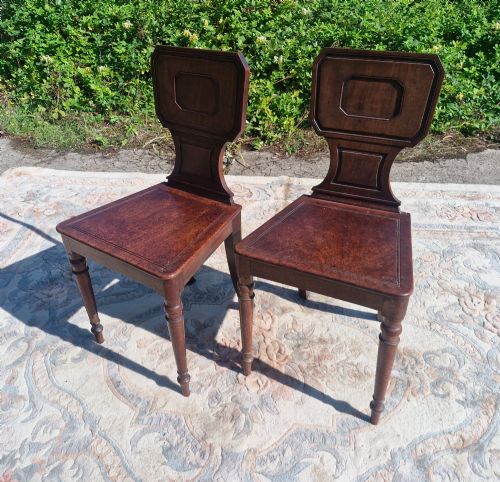
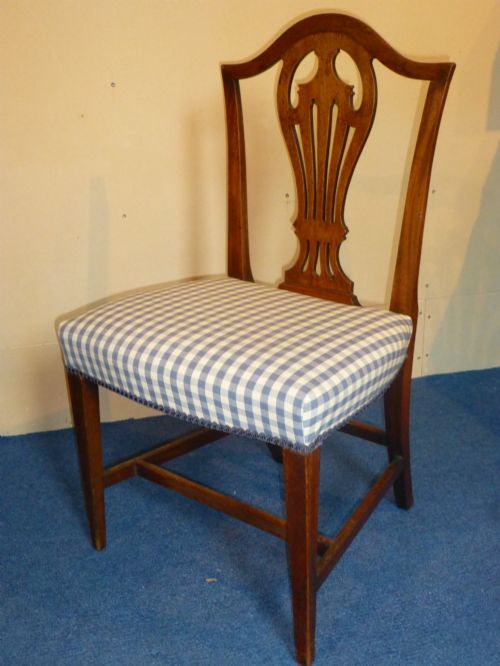
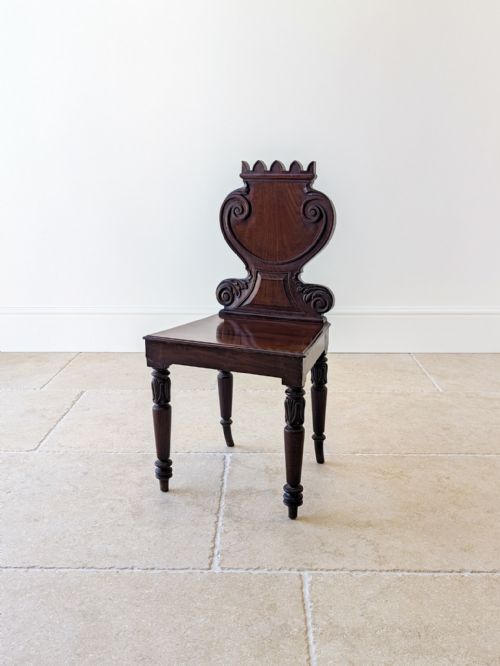
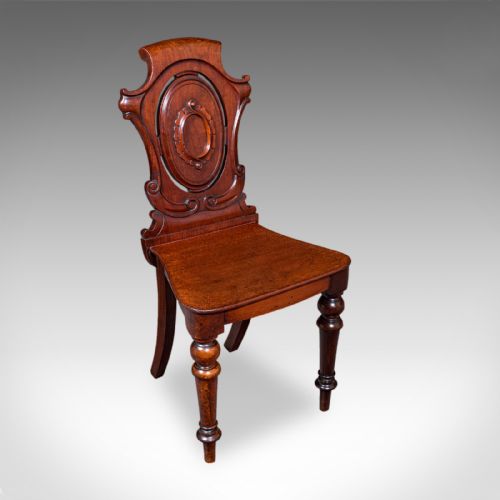
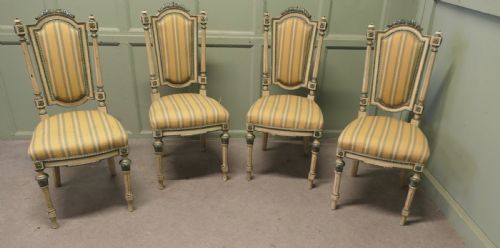
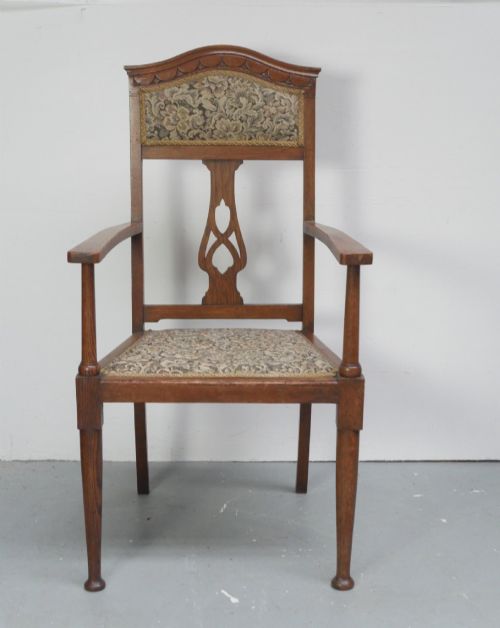
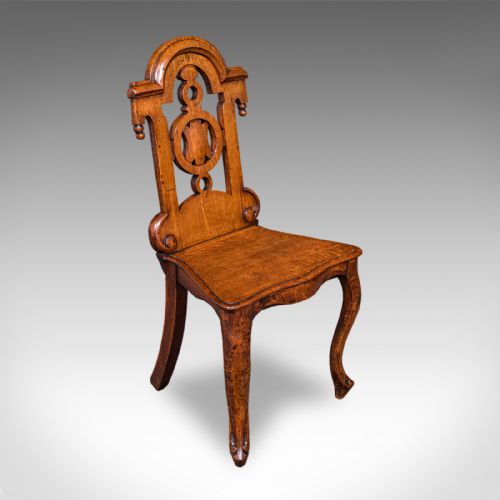
A timber accent chair serves as a practical seat and a decorative focal point within a domestic interior. When exploring a timber accent chair, buyers frequently encounter hall chairs, side chairs, and armchairs originating from the eighteenth, nineteenth, and early twentieth centuries.
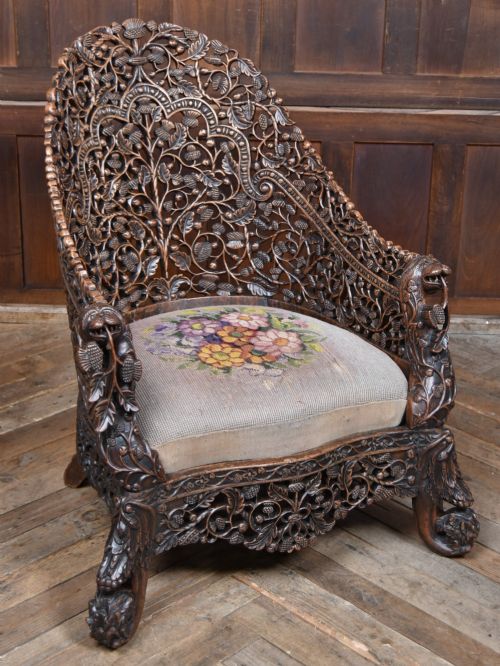
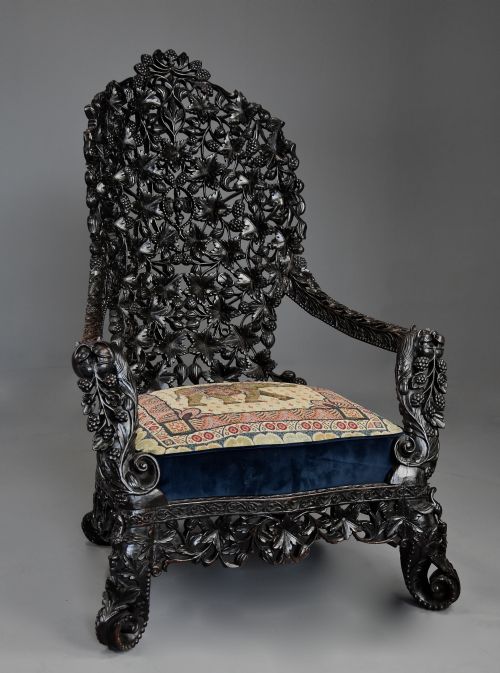
The selection ranges from formal Regency mahogany hall chairs to robust oak armchairs and delicate Victorian salon seating. These pieces originate from diverse stylistic traditions, including Gothic Revival, Georgian, and Anglo-Indian designs.
Makers shaped these items for specific household roles, from reception rooms to bedrooms and grand halls. The recurring appearance of hall chairs and side chairs indicates their enduring popularity in period settings.
Materials and construction
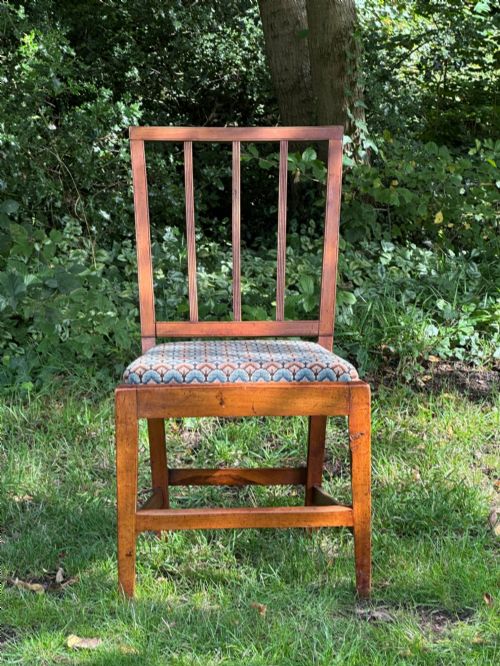
Cabinetmakers utilised hardwoods such as mahogany, oak, walnut, beech, elm, and birch to construct the frames of these chairs. Joinery techniques varied from traditional pinned framing to turned spindles and carved details.
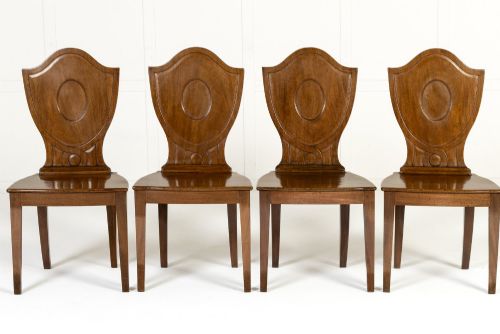
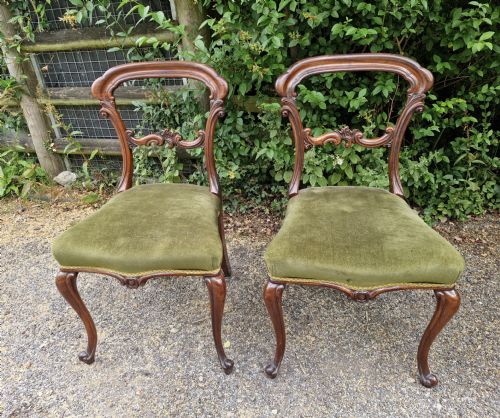
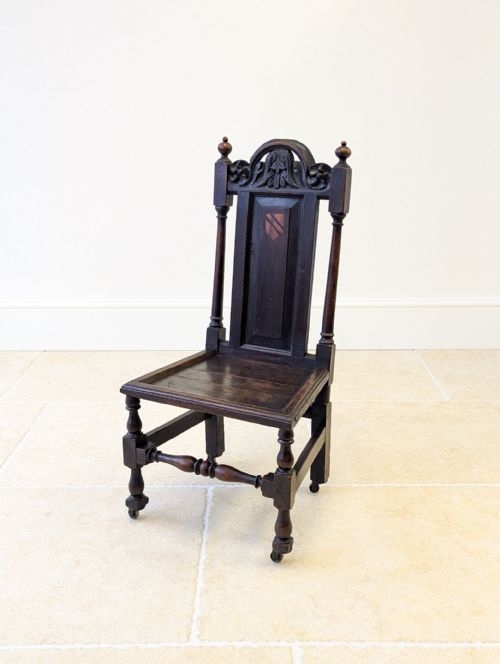
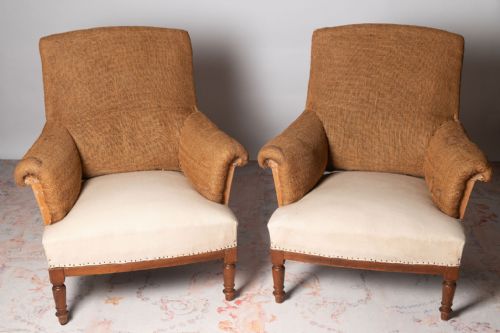
Surface treatments included hand-carved motifs, painted finishes, and heraldic shield backs executed directly into the timber. Upholstered variants integrated fabrics and velvet to provide padded comfort on the seat or backrest.
A solitary spinning chair waits quietly, designed low to the hearth for hours of domestic yarn production.
Assessing craftsmanship
The standard of a timber accent chair depends on the crispness of its hand-carved elements and the selection of dense, figured timber. Pieces demonstrating integrated structural joinery and well-preserved surface patination command attention.
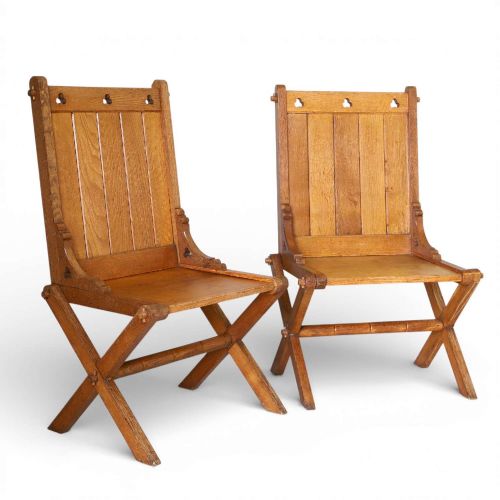
Regional variations and specific stylistic interpretations, such as Gothic Revival trefoils or intricate Scottish framing, separate standard production items from ambitious workshop commissions.
The Timber Accent Chair Glossary
- Hall chair
- A rigid wooden seat traditionally placed in an entrance hall, often featuring a solid timber carved backplate and no upholstery.
- Regency
- An English design period spanning the early nineteenth century defined by classical restraint and classical motifs.
- Gothic Revival
- A nineteenth-century style drawing inspiration from medieval architecture, frequently displaying pointed arches and trefoil details.
- Shield back
- A chair back shaped like a heraldic shield, commonly encountered in eighteenth and nineteenth-century seating.
- Windsor chair
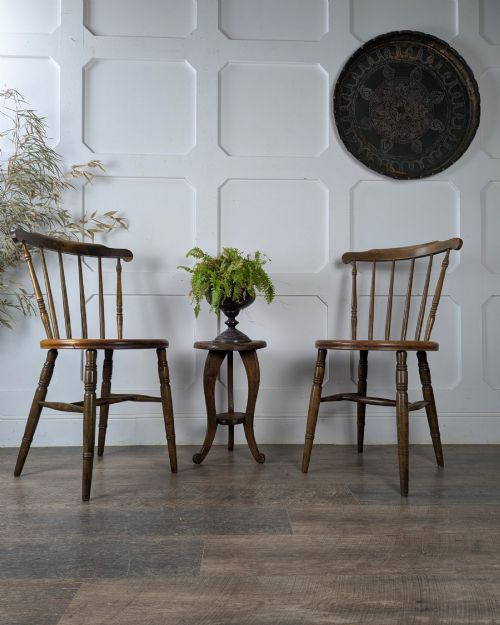
- A traditional form constructed with a solid wooden seat into which the legs and back spindles are separately inserted.
Timber Accent Chair: Frequently Asked Questions
Where should I place a timber accent chair?
These chairs function well in hallways, living rooms, and bedrooms where an architectural silhouette adds character.
Their sturdy timber construction allows them to serve as functional seating or static decorative elements against a wall.
How do I identify a Victorian hall chair?
Victorian hall chairs typically feature heavy timber construction, often in mahogany or oak, paired with a carved shield or panel back.
They lack plush upholstery to discourage lingering in draughty nineteenth-century entrances.
Are these chairs comfortable for daily use?
Many historical wooden chairs, particularly hall and side variants, were designed for upright posture rather than lounging.
Upholstered salon chairs and armchairs offer softer seating through padded fabric or velvet surfaces.
What woods were commonly used for these chairs?
Cabinetmakers relied heavily on mahogany, oak, and walnut for formal reception and hall seating.
Regional vernacular pieces often utilised accessible local timbers such as elm, beech, and birch.