


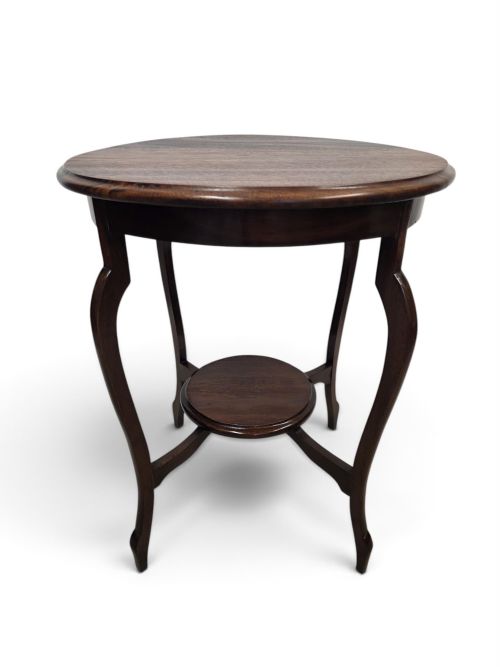
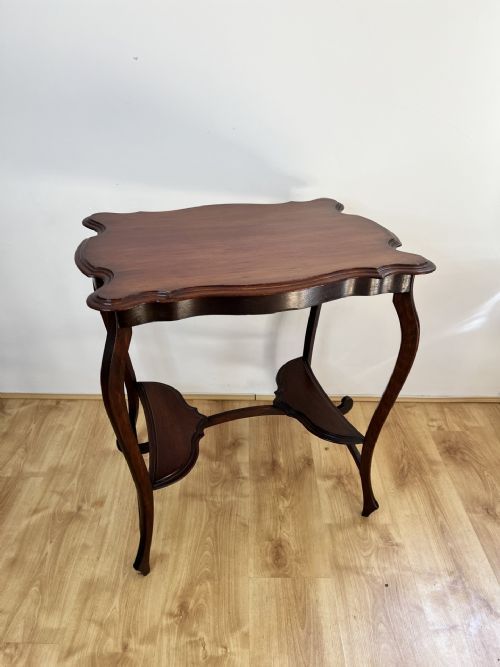
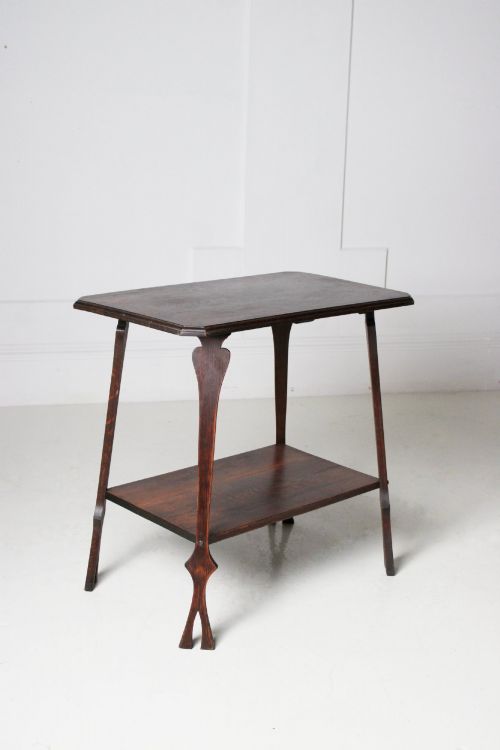

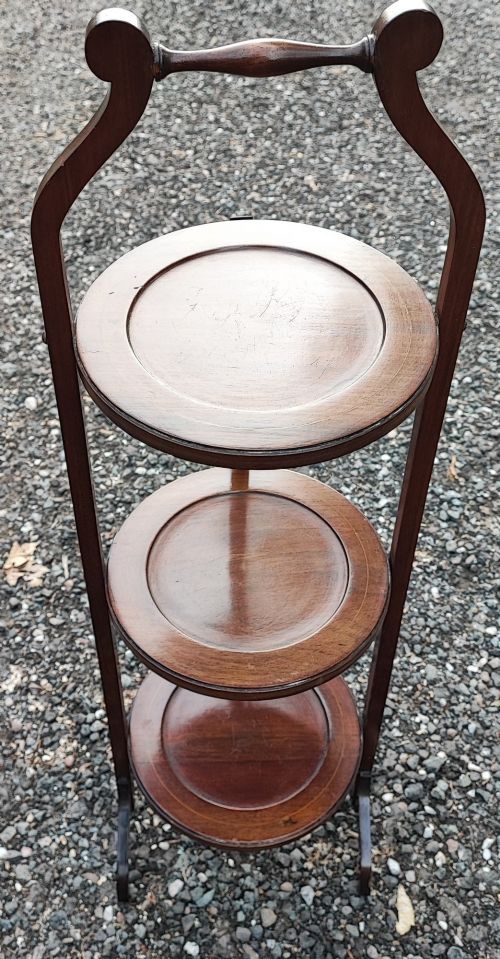
Tiered Tea Stand
A tiered tea stand serves multiple levels of surface space, bringing practical elegance to domestic entertaining through varied woods and period designs.
Tiered Tea Stand
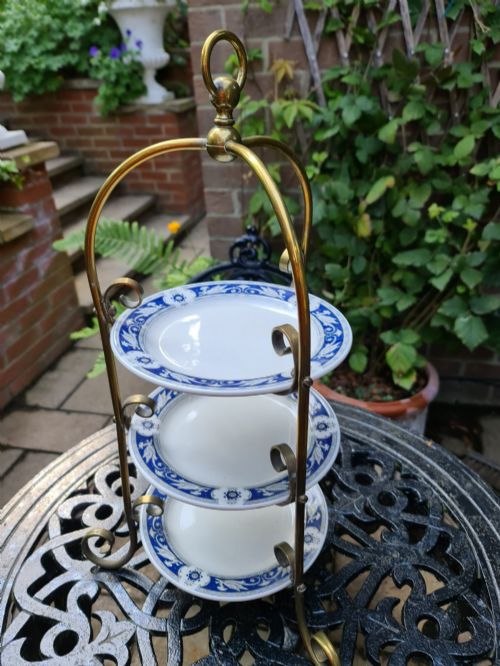
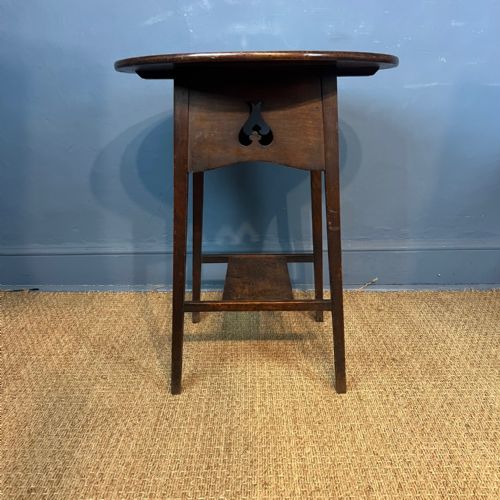
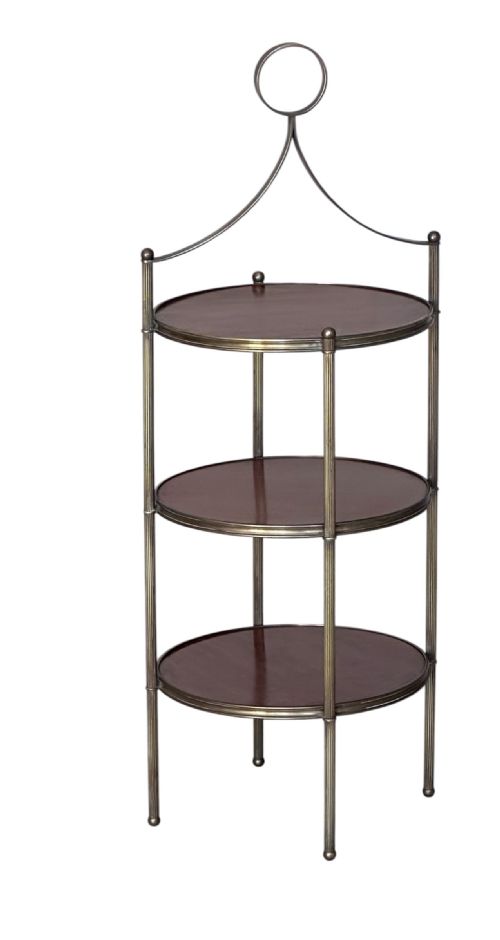
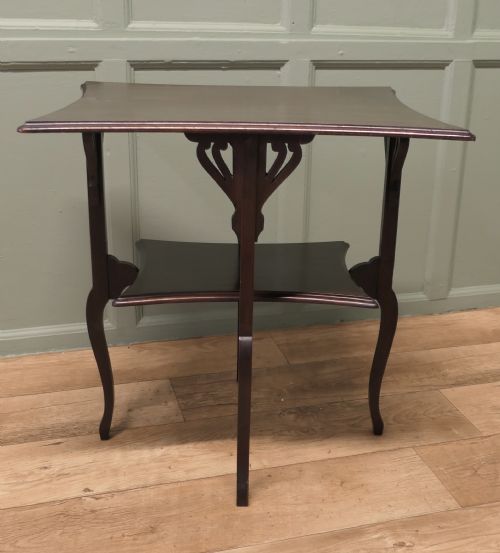
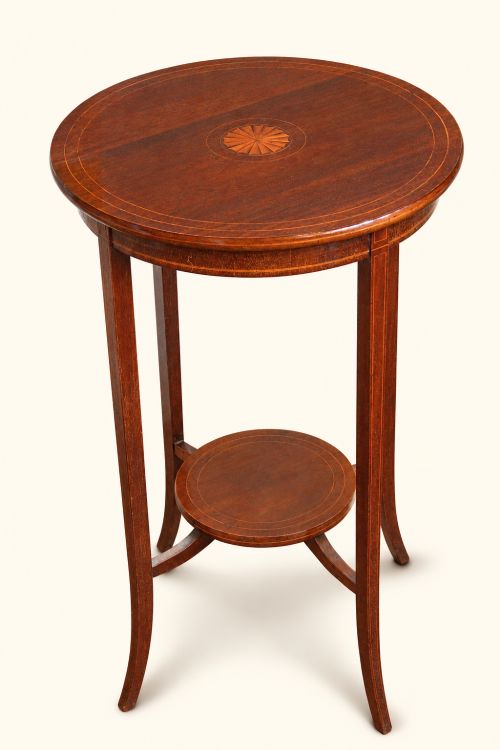
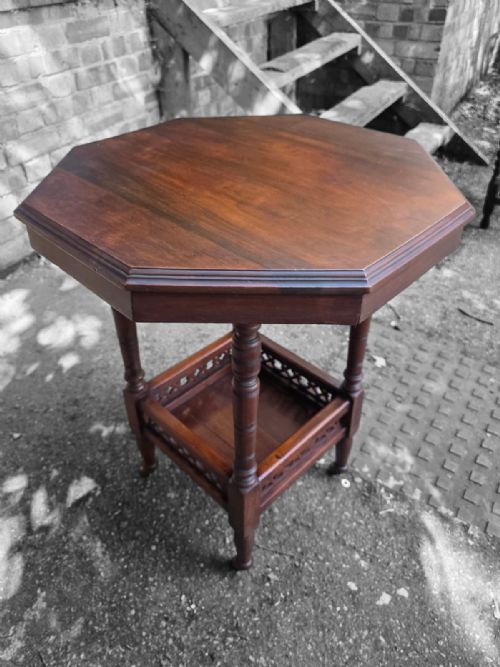
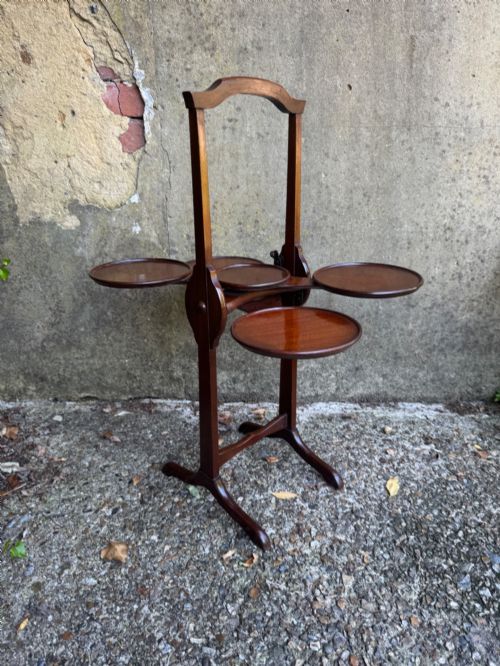
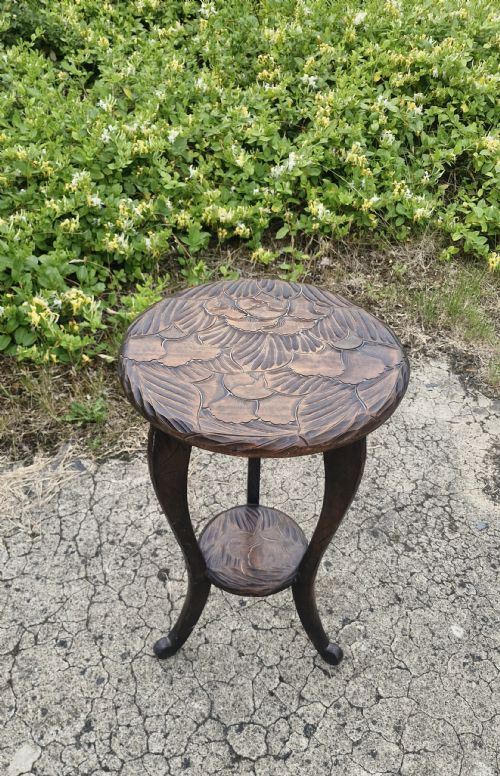
A tiered tea stand encompasses utilitarian occasional tables, cake stands, dumb waiters, and etageres designed to hold refreshments or display objects across multiple levels. The listings show a strong presence of Edwardian and Victorian examples alongside occasional Georgian and Regency pieces.
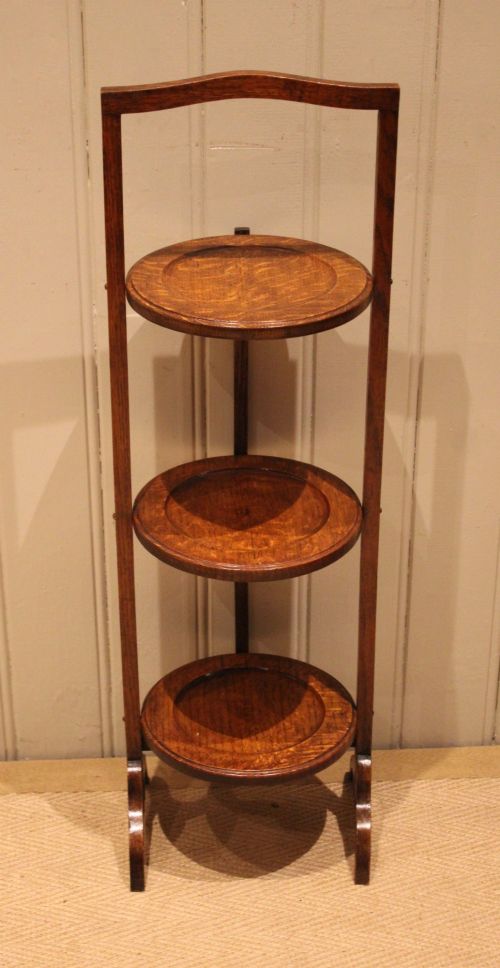
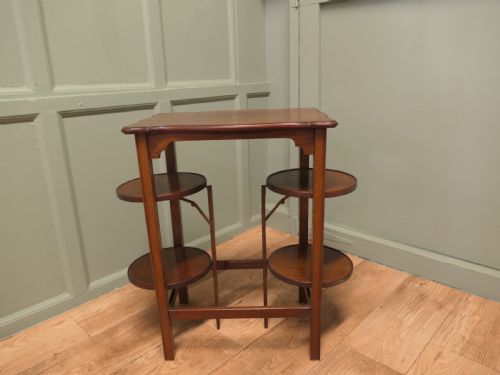
Buyers most frequently encounter Edwardian mahogany and oak versions, often configured with folding tiers, alongside occasional tables and side tables equipped with secondary shelves. These forms bridge the gap between practical serving furniture and decorative display.
Origins span British workshops from the late nineteenth and early twentieth centuries, with occasional continental French styles and Anglo-Indian ebonised bamboo pieces appearing among the selections.
Materials and Construction
Timbers dominate the construction, with mahogany, oak, walnut, and rosewood forming the primary structures, occasionally accented with boxwood and satinwood inlay or marquetry decoration.
Metal and ceramic elements integrate into specific designs, utilising brass, bronze ormolu mounts, sterling silver, and art nouveau tiles alongside woven reed and bamboo.
Joinery techniques range from simple folding mechanisms on multi-tiered cake stands to sturdy tripod supports and carved occasional tables utilising traditional cabinetmaking methods.
Tiered Tea Stand Retail Price Guide 2026
Typical asking prices for tiered tea stand among the pieces listed under this phrase on Sellingantiques today, from the lower quarter to the upper quarter. They describe what is for sale here now, not the wider market.
An ingenious monoplane folding mechanism lets one lucky tea stand flatten out like an aviator's wing.
Judging Quality
The refinement of the timber selection and the precision of inlaid decoration set finer examples apart from standard utilitarian pieces.
Execution of carved details and the integration of specialised mounts, such as bronze ormolu or art nouveau tiles, distinguish high-end workshops from basic production.
Liberty's·George Bullock·Edwards & Roberts
The Tiered Tea Stand Glossary
- Dumb waiter
- A multi-tiered freestanding piece of furniture used for serving food and tea without the need for attendants. These items appeared in Georgian and Regency periods.
- Etagere
- A piece of furniture consisting of a set of open shelves for displaying small objects. French examples often feature marquetry inlay.
- Marquetry
- Decorative veneer applied to furniture in patterns using different woods, metals, or other materials. It creates pictorial or geometric surfaces on tabletops.
- Occasional table
- A small table designed for specific, intermittent uses such as holding a lamp or tea service. They frequently feature multiple tiers.
- Crossbanded
- A technique where a border of veneer is applied to the edge of a table top with the grain running perpendicular to the centre.
Tiered Tea Stand: Frequently Asked Questions
What is a tiered tea stand used for?
These stands provide stacked surface areas originally intended for serving afternoon tea, cakes, and beverages in formal drawing rooms. They function today as versatile display units for plants, books, and decorative objects.
Their multi-level construction maximises vertical space, making them suitable for both compact rooms and larger period interiors.
How do I identify an Edwardian tea stand?
Edwardian examples typically date from the early twentieth century and frequently feature light mahogany or oak timbers, often incorporating delicate satinwood stringing or inlay.
Many of these pieces utilise folding mechanisms designed for convenient storage between uses.
Are these stands sturdy enough for daily use?
Solid hardwood construction in oak, mahogany, and walnut provides robust support for everyday items such as lamps and books. Folding models require gentle handling at the hinge joints to preserve their mechanical integrity.
Placing them on even flooring prevents undue strain on the upright supports and tiered shelves.