
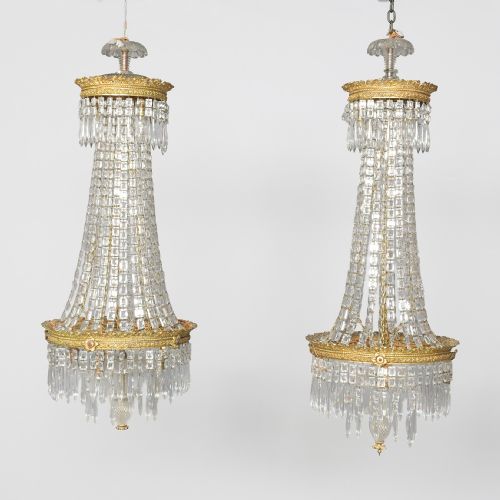
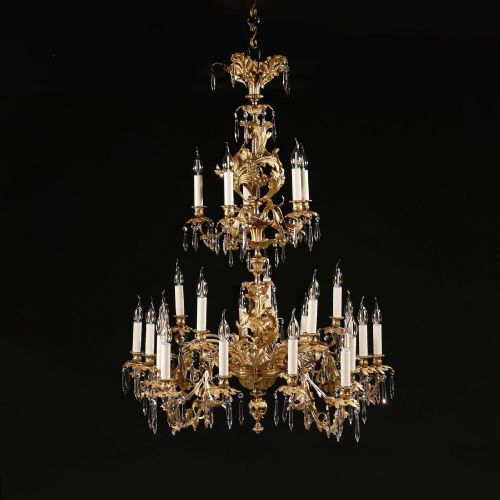
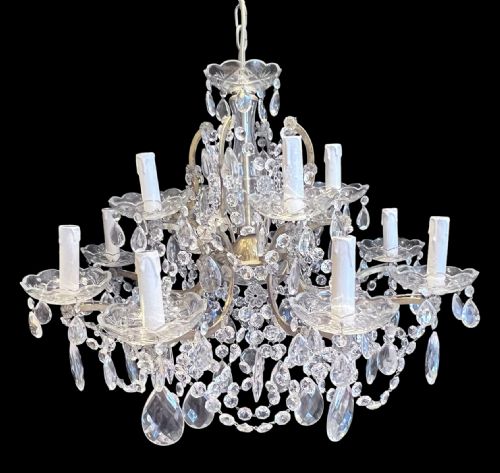
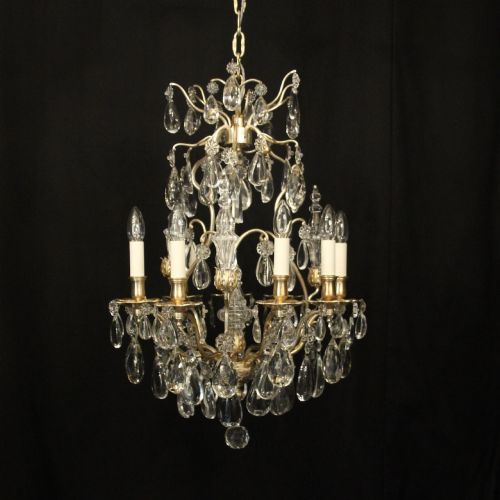

Tier Crystal Pendant Light
A tier crystal pendant light hangs with multiple descending tiers of glass and metal, bringing brilliant illumination and classical presence to a room.
Tier Crystal Pendant Light
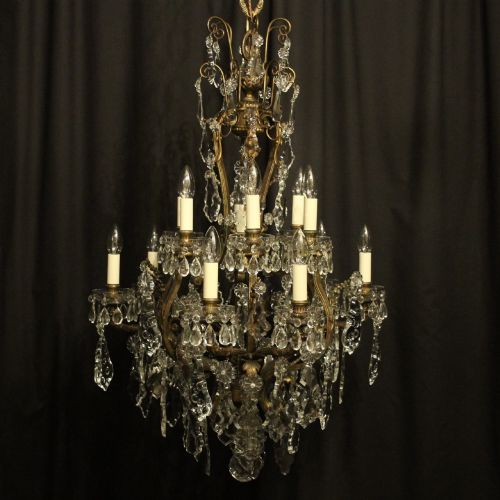
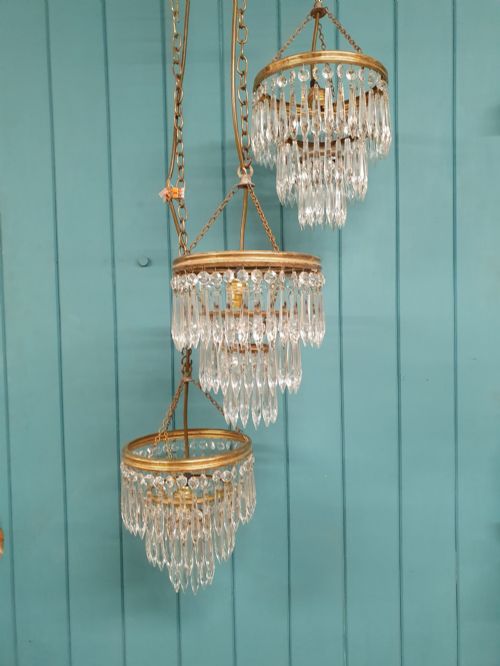
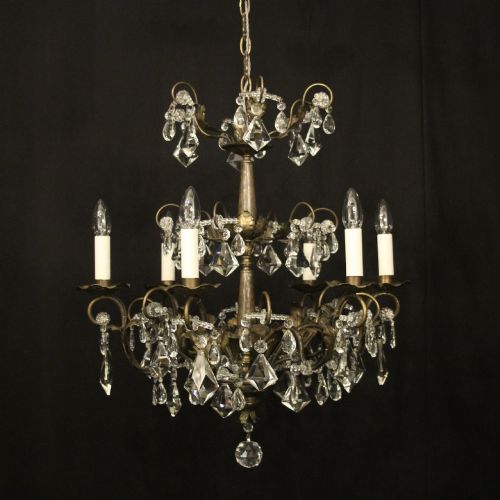
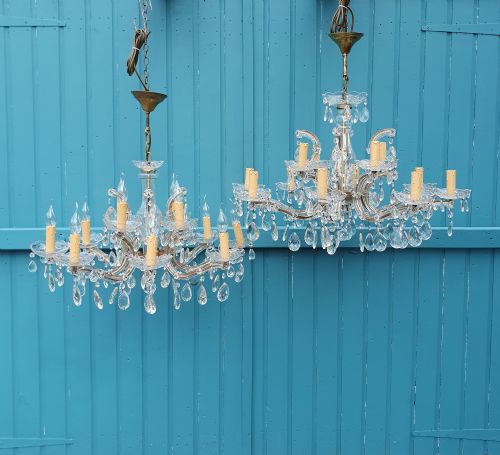
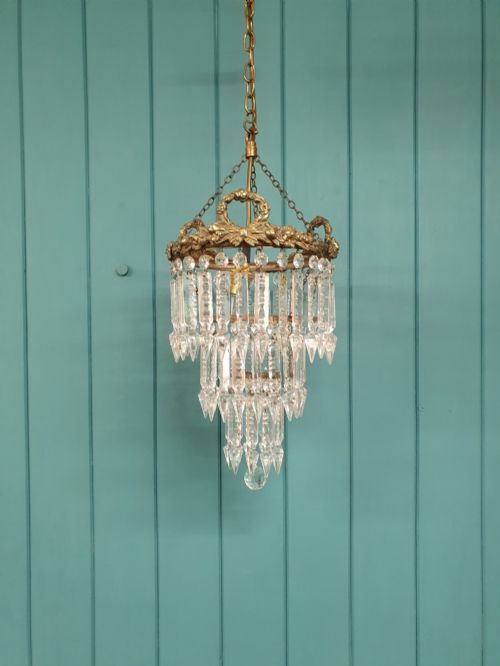
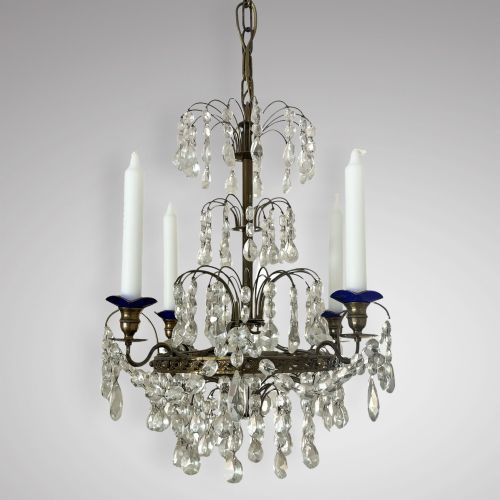
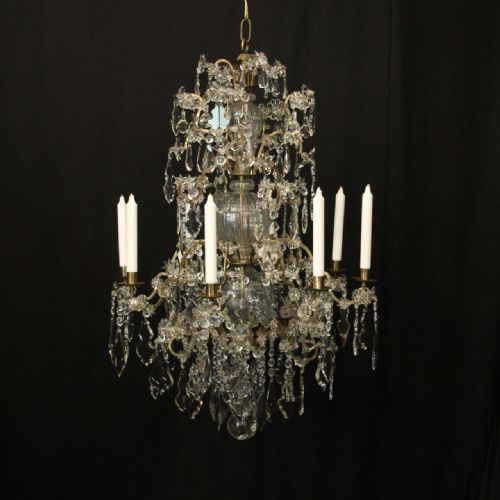
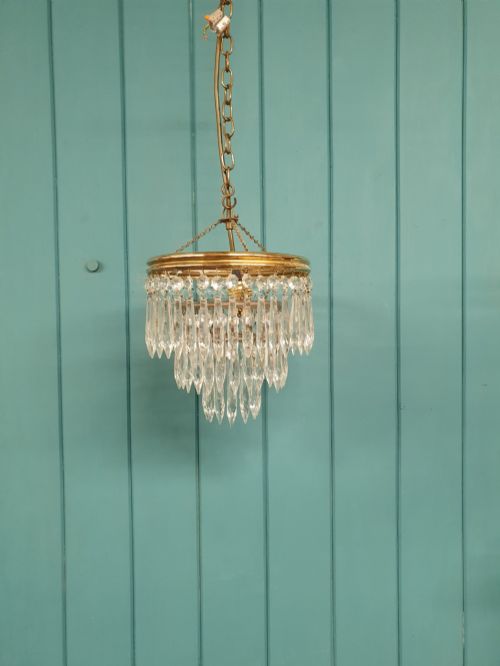
A tier crystal pendant light presents a suspended fixture featuring graduated descending levels or tiers constructed from cut glass and metal frameworks. When searching this phrase, a buyer examines forms ranging from small single-light drops to massive multi-armed installations, often encountered in configurations such as double-tiered Italian designs or multi-tiered Art Deco creations.
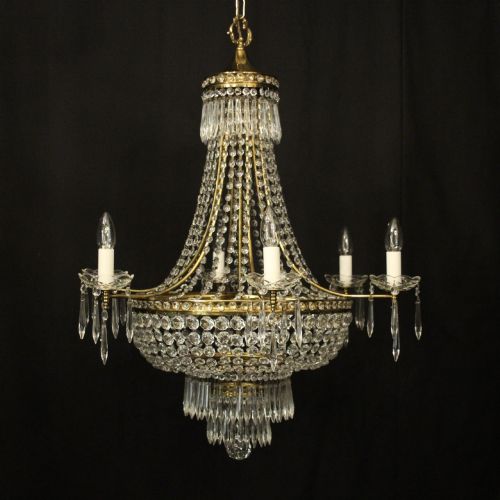
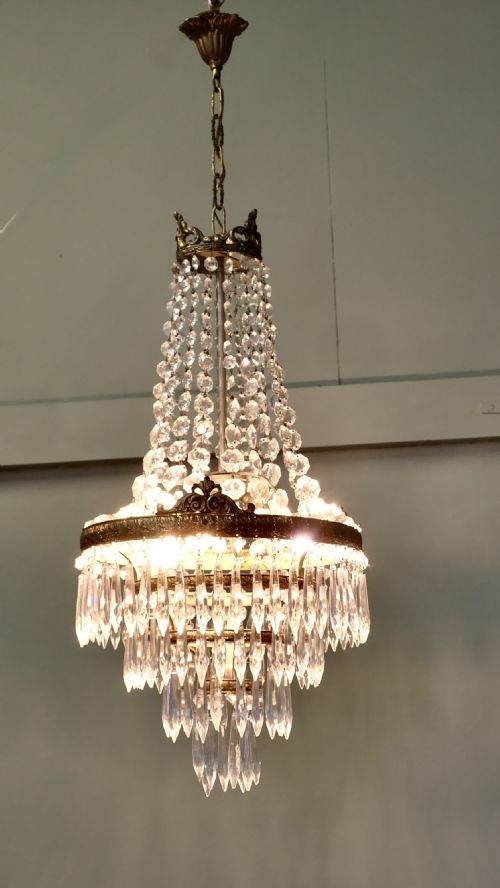
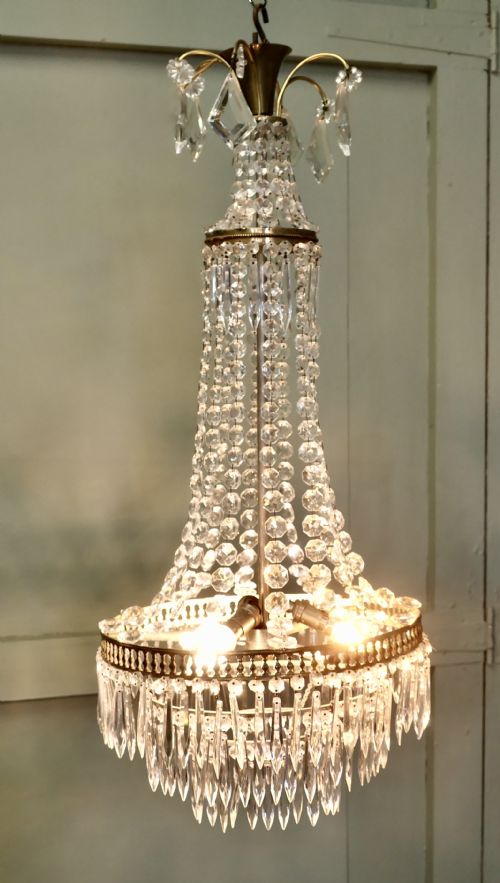
The pieces available span periods from the nineteenth century through the early twentieth century, incorporating Edwardian aesthetics and French styles like Empire and Rococo. Common structural formats include waterfall drops, tent arrangements, and spike chandelier builds that utilise multiple arms to support numerous lights.
Origins represented in these hanging fixtures stretch across France, Italy, England, Bohemia, and Sweden, reflecting diverse regional craftsmanship from nineteenth-century workshops to 1930s production. Buyers meet forms designed for grand reception rooms as well as more compact domestic spaces, all sharing a reliance on glass components to catch and scatter light.
Materials and construction
Makers constructed the primary support structures using brass, gilded bronze, silver gilded bronze, and general metal frameworks. These metal armatures provided the robust skeletal framework necessary to bear the substantial weight of numerous glass elements and multiple light tiers.
Pendant lights integrate extensive elements of crystal, cut glass, and crystal glass formed into beads, drops, lustres, and waterfall strands. Artisans cut and polished these glass components individually to maximise refractive brilliance before suspending them from the metal frames.
Some multi-tiered constructions weigh enough to make a structural engineer contemplate the fragility of plaster ceilings with mild anxiety.
Distinctions in quality
Quality rests significantly upon the complexity of the metal framework and the fineness of the cast mounts, particularly in pieces utilising gilded bronze or brass. Superior examples exhibit crisper casting and more intricate detailing along the arms, tiers, and finials.
The cut and clarity of the glass elements dictate the upper tier of the range, where precise cutting yields sharper light refraction across the drops and beads. Subtleties in assembly, such as the integration of beaded arms and balanced tier proportions, separate standard production from exceptional examples.
Baccarat
The Tier Crystal Pendant Light Glossary
- Waterfall chandelier
- A lighting fixture featuring glass drops arranged in cascading tiers resembling falling water. This formation directs visual weight downwards.
- Gilded bronze
- Metal alloy treated with a gold-coloured finish to provide a decorative surface. It forms the structural body of many classical chandeliers.
- Lustre
- A hanging glass pendant or drop attached to a lighting fixture to refract illumination. Lustres catch ambient light from the bulbs.
- Plafoniere
- A ceiling-mounted light fixture sitting close to the surface rather than hanging on a long drop. These units often incorporate glass and metal elements.
- Spike chandelier
- A fixture design characterised by central vertical elements or spikes rising through the tiers. This configuration provides distinct structural geometry.
Tier Crystal Pendant Light: Frequently Asked Questions
How do I hang a tier crystal pendant light?
Suspension requires securing the fixture to a ceiling joist capable of supporting the combined weight of metal framing and glass components. Professional electrical installation ensures the internal wiring safely accommodates multi-light arrangements.
Height placement depends on the room function, allowing adequate clearance below the lowest tier while positioning the piece as a central decorative focus.
What styles are available in these pendant lights?
The available selection encompasses French Empire, Rococo Revival, Edwardian, and Art Deco aesthetics. These styles determine the shaping of the metal armatures and the arrangement of the glass drops.
Italian Florentine and Swedish designs also appear, offering regional variations in polychrome finishes and metalwork detailing across multiple tiers.
How do I clean a crystal pendant light?
Cleaning involves wiping individual glass drops and metal arms with a soft cloth dampened in a mild cleaning solution. Care must be taken to support fragile crystal components during maintenance.
Many practitioners clean the drops in situ to avoid straining the wire fastenings, working methodically from the upper tier down to the base.
How do I date a crystal pendant light?
Dating relies on examining the manufacturing techniques of the metal frame, the cut of the glass, and stylistic indicators such as Art Deco geometry or Edwardian proportions. Nineteenth-century pieces often display heavier cast bronze mounts and hand-cut crystal elements.
Comparing the wiring methods, candle sleeves, and structural assembly against known period examples helps narrow the production era.