




Three Shelf Occasional Table
A three shelf occasional table brings vertical utility and surface space together in compact form, offering practical tiers for display across multiple interior styles.
Three Shelf Occasional Table
When buyers search for a three shelf occasional table, they encounter multi-tiered surfaces designed for utility and display, encompassing forms such as etageres, whatnots, and tiered tables. These pieces span periods from the eighteenth century through to the Edwardian era and the nineteen-thirties.
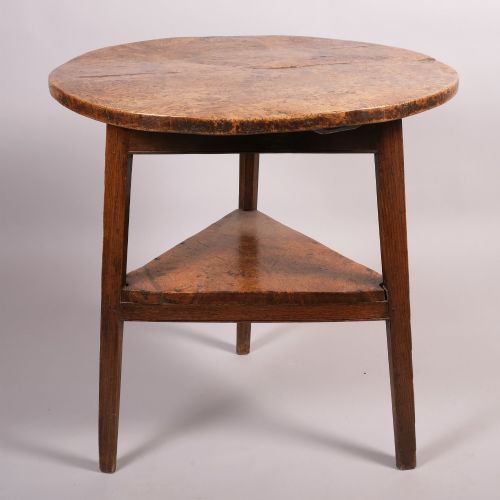
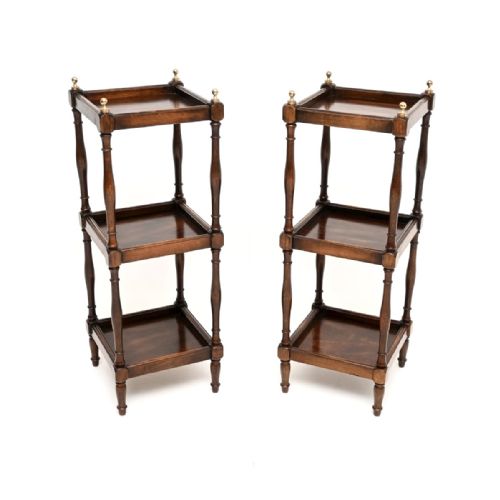
Forms vary from circular Dutch-style occasional tables to multi-height display shelves and Canterbury whatnots. Each piece provides distinct functional shelving while reflecting the prevalent cabinet-making styles of its respective period.
Distinctions in quality and execution
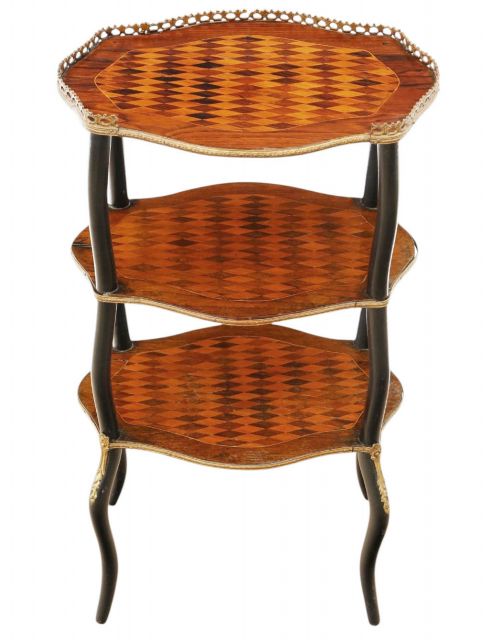
Quality reveals itself in the selection of timber veneers and the precision of inlaid parquetry or marquetry across the multiple tiers. Finer examples display meticulous attention to timber grain matching and the crispness of turned wooden supports or cast metal mounts.
The structural integration of multiple shelves dictates overall stability and longevity, separating standard utility pieces from high-status decorative furnishings. Refined proportions and harmonious decorative hardware elevate the piece from basic shelving to accomplished cabinet work.
Three Shelf Occasional Table Retail Price Guide 2026
Typical asking prices for three shelf occasional table among the pieces listed under this phrase on Sellingantiques today, from the lower quarter to the upper quarter. They describe what is for sale here now, not the wider market.
Some tables require three legs simply to stand steady on uneven cottage floors.
The Three Shelf Occasional Table Glossary
- Etagere
- A piece of furniture consisting of a set of open shelves for displaying small objects or ornaments. These tiers provide accessible surface space in compact room layouts.
- Whatnot
- An open shelved cabinet used for storing or displaying books, ornaments, or bric-a-brac. This form gained popularity during the nineteenth century for multi-level display.
- Parquetry
- Geometric mosaic woodwork used for floors and furniture surfaces. This technique creates patterned decorative surfaces on table tops and shelf tiers.
- Cricket table
- A small, lightweight three-legged occasional table of English vernacular origin. These tables typically feature a circular wooden top supported by three splayed legs.
- Canterbury
- A low stand with partitioned vertical sections, often combined with shelving below. It serves to hold sheet music, books, or portfolios.
Three Shelf Occasional Table: Frequently Asked Questions
What is a three shelf occasional table?
A three shelf occasional table is a piece of furniture providing multiple horizontal tiers for display and everyday use. These items encompass etageres, whatnots, and tiered tables originating from various nineteenth and early twentieth-century traditions.
Such tables offer increased surface capacity without occupying a large footprint on the floor. They serve utilitarian and decorative purposes within domestic interiors.
How were these tiered tables used?
Historically, these tiered pieces functioned as display surfaces for decorative objects, books, and small personal belongings. Their open shelving allowed owners to exhibit collections in principal rooms.
In modern settings, they continue to serve as versatile side tables or display stands. The multiple tiers accommodate lamps, plants, and reading materials efficiently.
How do I date a three shelf table?
Dating relies on observing the timber species, construction techniques, and decorative vocabularies characteristic of specific eras. For instance, eighteenth-century vernacular pieces differ markedly in joinery and materials from Edwardian marquetry etageres.
Examining secondary woods, fixings, and surface finishes helps determine the period of manufacture. Stylistic markers such as Louis XVI revivals or Victorian turnings also anchor pieces in time.
Where do these tables originate?
The pieces available represent diverse regional traditions, including English vernacular workshops and French cabinet-making centres. English examples often feature oak or elm construction, while French pieces frequently showcase walnut, amboyna, and ormolu mounts.
Regional preferences shaped the choice of timber and decorative motifs, creating distinct stylistic groups. This geographic variety allows buyers to select pieces matching specific interior aesthetics.