


Thames Valley Armchair
A thames valley armchair is a robust vernacular wooden seat built for country interiors, valued for its sculptural timber grain and ergonomic vernacular comfort.
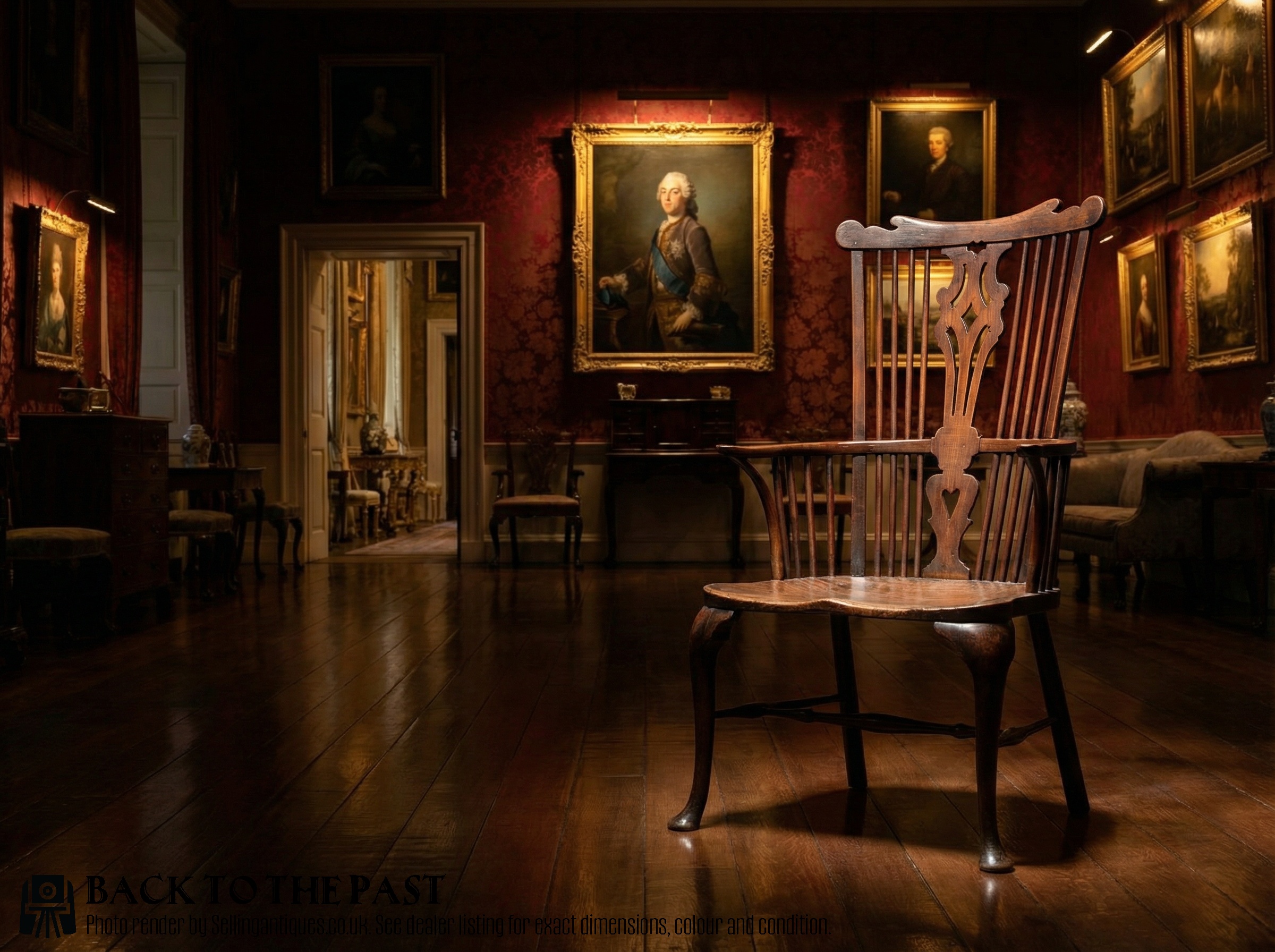
Thames Valley Armchair
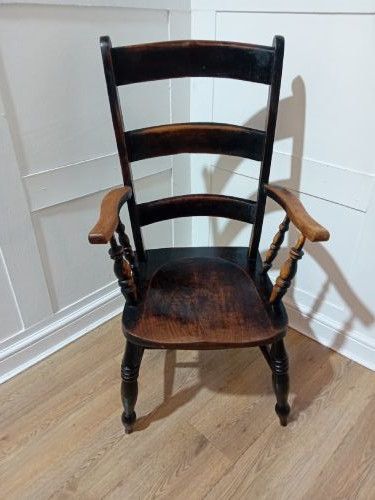
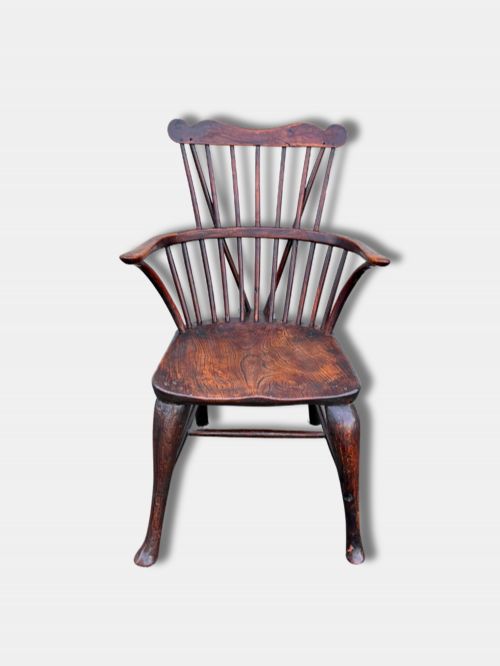
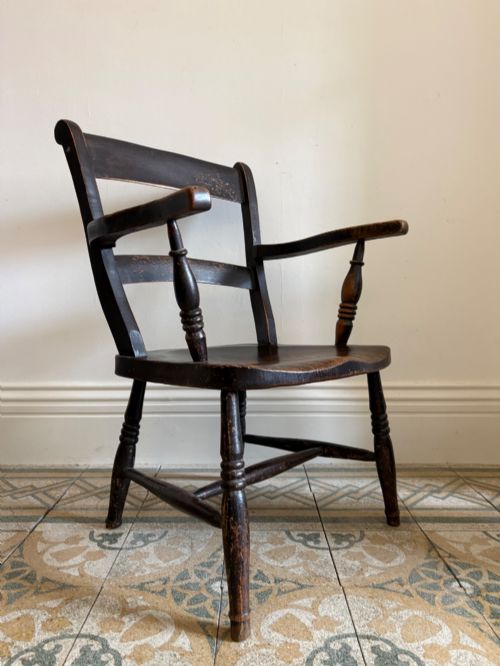
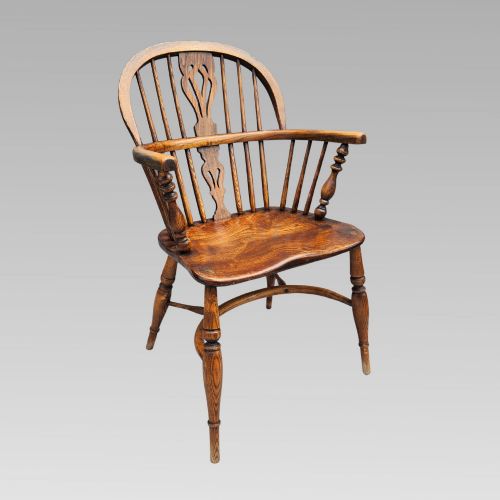
A thames valley armchair belongs to a distinctive regional tradition of Windsor chair making situated along the river valley. These seats appear in formats such as high-back, comb-back, stick-back, wheelback, and low-hoop varieties, often fashioned for domestic utility in rural houses.
The version most commonly met on this page is the nineteenth-century yew and elm combination, though eighteenth-century examples and ash or beech formats also surface frequently. Makers utilised local hardwoods to construct heavy-seated armchairs with distinct regional joinery.
Many of these chairs incorporate traditional construction methods like saddle seats and steam-bent bows, producing robust seating designed for daily use. Collectors encounter varied regional proportions that separate these items from northern English or West Country counterparts.
How They Were Made
Makers constructed these chairs by combining contrasting native timbers, typically pairing sculpted elm seats with yew wood bows, ash spindles, and beech underframes. This multi-wood approach utilised the specific working properties of each tree, such as the tensile strength of ash for spindles and the stability of elm for thick plank seats.
Craftspeople shaped solid timber blanks into deep saddle seats using adzes and scorps, then bored holes at precise compound angles to receive the turned legs and back spindles. Steam-bent yew or ash formed the continuous arm rails and back bows, secured into the seat block with wedges.
Surface treatments ranged from clear finishes that emphasised the rich figuring of yew wood to ebonised coatings applied on nineteenth-century ash examples. Makers finished the timber with traditional oils and waxes to highlight the natural grain.
The listings show regional Windsor armchairs spanning the eighteenth, nineteenth, and early twentieth centuries, constructed primarily from yew, elm, ash, and beech.
What Varies in Quality
The distinction between ordinary examples and superior specimens rests on the depth of the seat carving and the complexity of the back design. Chairs with finely figured yew wood grain and well-defined comb backs or Gothic splats command greater attention than plain utility models.
Proportion and stance dictate the visual balance of the piece, with finer makers achieving a harmonious sweep in the arm bow and slender, crisp turnings on the legs and stretchers. Thick, deeply sculpted elm seats demonstrate superior timber selection compared to thin, flat boards.
The integrity of the original wedged joints and the retention of early surfaces separate untouched examples from those altered by extensive timber replacement. Patina develops uniformly across quality pieces where the original wood has matured without harsh intervention.
R Prior
The Thames Valley Armchair Glossary
- Saddle seat
- A thick plank of timber, usually elm, excavated into a comfortable hollow shape for the sitter. This ergonomic shaping required skilled adze work.
- Spindle back
- A backrest constructed from numerous slender turned rods set vertically between the seat and the top rail. These elements distribute back support evenly.
- Broad arm
- A Windsor chair variation featuring wide, flat wooden armrests shaped from a single board extending from the arm bow. These generous surfaces provided writing or working space.
- Prior
- A notable surname associated with chair making workshops in the region. Pieces bearing this attribution display distinct regional vernacular traits.
Thames Valley Armchair: Frequently Asked Questions
How do you date an antique Windsor chair?
Dating involves examining the wood species, tool marks, construction techniques, and overall wear patterns visible across the frame. Eighteenth-century examples often feature different turning profiles and deeper timber patination compared to later nineteenth-century Victorian pieces.
Design evolutions, such as the introduction of wheelback splats or ebonised finishes, also provide clear chronological markers for attribution.
Why are yew wood chairs prized?
Yew wood was selected for its rich grain patterns, warm natural colouring, and exceptional bending strength when crafting continuous arm bows. The timber naturally develops a deep patina over centuries of handling.
Because yew trees grew irregularly in the English countryside, large planks were scarce, making chairs constructed from this wood especially desirable.
How should I live with a country armchair?
These robust chairs function well as desk seating, fireside reading chairs, or decorative accents in modern and traditional rooms alike. Their sturdy construction suits regular daily use when placed in stable interior environments.
Keep wooden chairs away from direct heat sources and sudden temperature shifts to protect the historic timber and traditional glued joints.
What woods were used in these chairs?
Makers utilised a combination of native British hardwoods, pairing sculpted elm for the seats with yew wood for the bending bows and arms. Ash and beech provided strong, straight material for the turned legs, stretchers, and back spindles.
Cherrywood and oak also appear occasionally in regional pieces, reflecting local timber availability during different periods.