





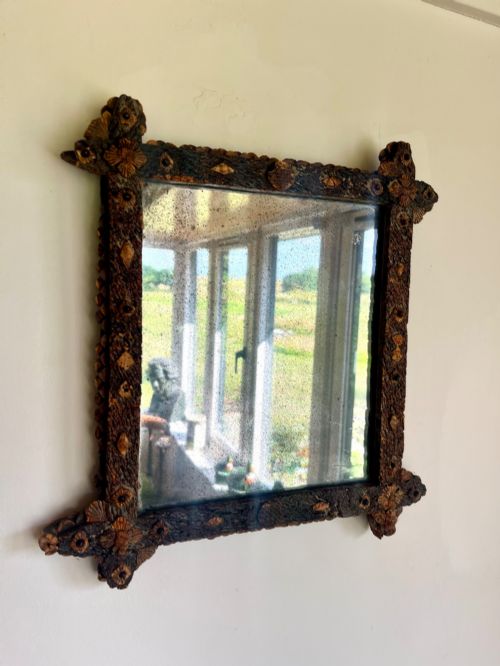
Textured Art Glass
Textured art glass brings tactile depth to interiors through worked surfaces and rich light play, making these pieces a favourite for modern spaces.
Textured Art Glass
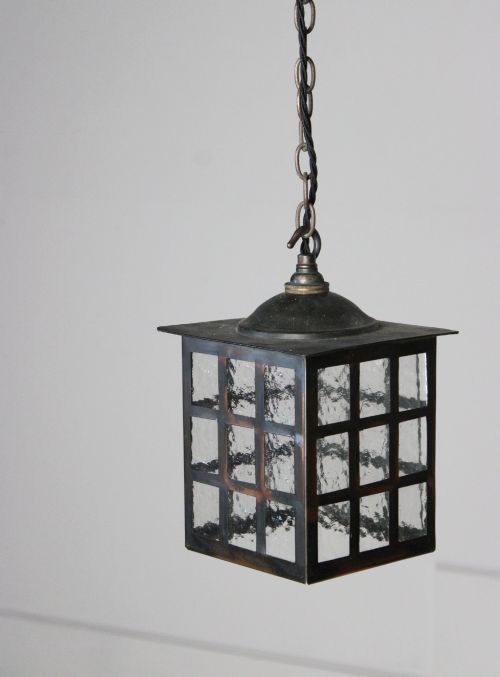
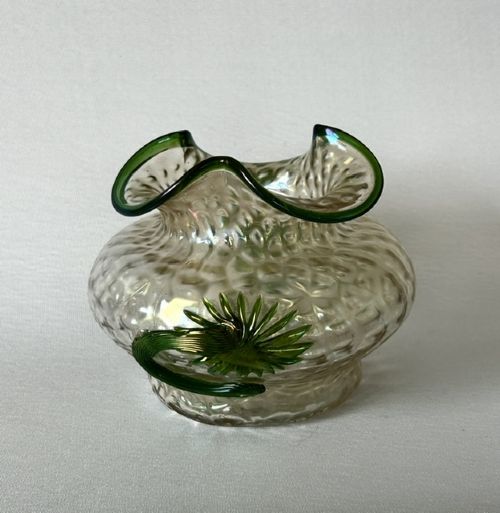
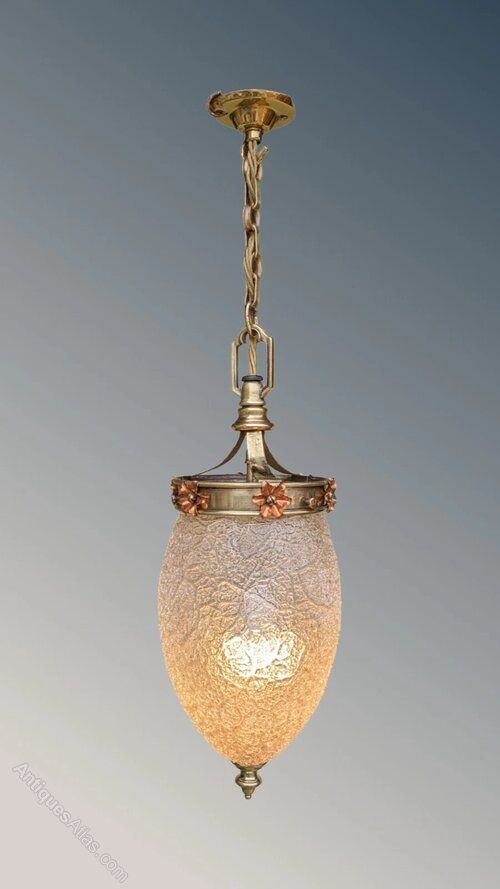
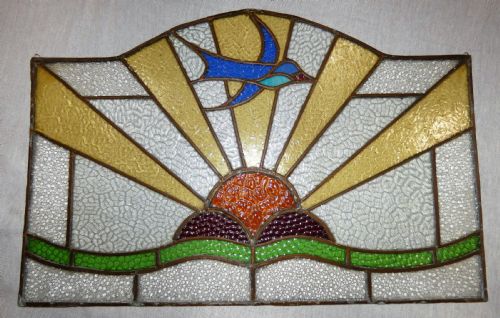
Textured art glass encompasses a diverse range of decorative and architectural pieces created across multiple periods from the late nineteenth century through to the nineteen-thirties. When searching for textured art glass, buyers encounter items varying widely in form, from pendant lights and hall lanterns to stained glass windows, panels, wall mirrors, and vases.
The objects on this page originate from the Victorian, Edwardian, Art Nouveau, Arts and Crafts, Art Deco, and 1930s Dutch Folk Art periods. Pieces frequently integrate tactile glass surfaces with supportive frameworks of lead, copper, iron, wood, or timber, reflecting the dominant styles and construction methods of their respective eras.
Domestic lighting and architectural salvage dominate the forms seen here, offering practical ways to incorporate period glass into contemporary settings. Whether looking at a cast iron hall lantern or an opaline fish scale pendant light, the common thread is the manipulation of light through surface pattern and material character.
How they were made
Makers utilised glass as the primary medium, often combining it with lead came, copper foil, or structural metals like iron and timber to form windows, lighting fixtures, and mirrors. Techniques such as reverse cutting, iridescence, and moulding created distinct tactile surfaces that catch and diffuse light in varied ways.
Textured Art Glass Retail Price Guide 2026
Typical asking prices for textured art glass among the pieces listed under this phrase on Sellingantiques today, from the lower quarter to the upper quarter. They describe what is for sale here now, not the wider market.
Materials recur across varied forms, pairing glass with copper, iron, lead, and timber.
What varies in quality
Quality in these pieces is dictated by the sophistication of the glass manipulation and the precision of the supporting metalwork or woodwork. Finer examples display intricate surface designs, such as painted details or precise reverse cutting, executed with high technical skill.
The integration of materials also separates standard production from superior craftsmanship, with well-joined lead cames and robust blacksmith-made ironwork ensuring both longevity and aesthetic harmony. The artistic ambition of the design, whether a pictorial bird on a branch motif or a striking two-tone mirror frame, ultimately defines the upper tier of the range.
Kralik·Hukin & Heath
The Textured Art Glass Glossary
- Leaded glass
- Glass pieces held together by strips of lead, known as cames, soldered at the joints to form a window or panel. This technique allows for geometric and pictorial designs.
- Iridescent glass
- Glass treated with metallic salts while hot to produce a shimmering, rainbow-like sheen on the surface. It was particularly popular during the Art Nouveau period.
- Architectural salvage
- Building elements rescued from older structures for reuse or display. This category includes stained glass windows and wall panels.
- Tramp art
- A decorative style of woodworking where items are carved from simple materials, such as discarded cigar boxes or cork, using chip-carving techniques.
- Opaline glass
- A semi-translucent, milky glass often used for lighting fixtures to diffuse light softly. It frequently appears in shades of white or pale green.
Textured Art Glass: Frequently Asked Questions
How do I hang a stained glass panel?
Stained glass panels require secure support due to their weight and the flexible nature of lead cames. They are best hung using dedicated hooks attached to the window frame rather than relying solely on hanging wire.
Ensure the weight is distributed evenly across the top edge to prevent sagging or distortion of the glass and lead structure over time.
How should I clean textured art glass?
Clean textured surfaces gently using a soft cloth and a mild, non-ammonia-based glass cleaner. Avoid harsh scrubbing or abrasive materials that might damage painted details or delicate patinas on the surrounding lead, copper, or timber.
Spray the cleaner onto the cloth rather than directly onto the piece to prevent liquid from seeping behind lead cames or wooden frames.
Are these glass pieces fragile?
While historic glass possesses a degree of resilience, particularly when supported by lead cames or metal frameworks, it remains susceptible to impact and thermal shock. Handle items with care and avoid placing them in areas subject to extreme temperature fluctuations.
Wall mirrors and architectural panels benefit from secure, stable mounting on solid walls to prevent accidental knocks.
How can I date an art glass window?
Dating relies on stylistic clues, the type of glass used, and the construction methods employed in the leadwork or frame. Art Nouveau pieces often feature organic motifs and iridescent finishes, whereas Art Deco and 1930s examples lean towards geometric lines or folk art designs.
Examining the metalwork and the patina of the solder joints also helps place the piece within its historical period.