



Terracotta Glaze Ceramic Bowl
These terracotta glaze ceramic bowls span utility and display, offering tactile warmth and historic craftsmanship to any room.
Terracotta Glaze Ceramic Bowl
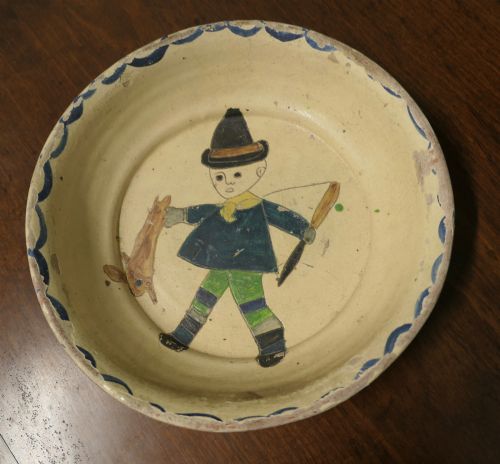
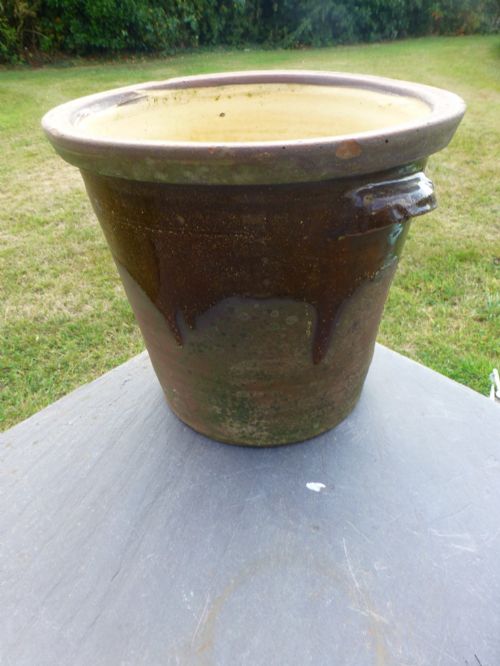
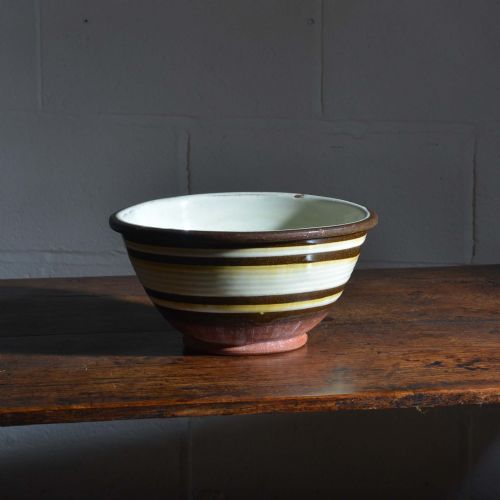
A terracotta glaze ceramic bowl represents a diverse lineage of utilitarian and decorative vessels shaped from earthen clays and finished with protective or ornamental surfaces. When you search for a terracotta glaze ceramic bowl, you encounter forms ranging from large dairy vessels and salting crocks to French tian bowls and Japanese sculptural wares.
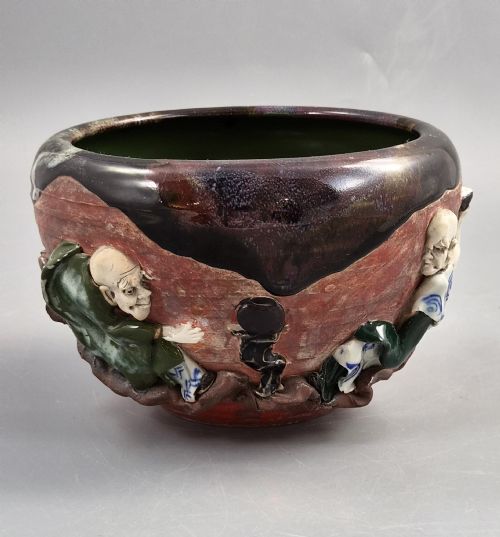
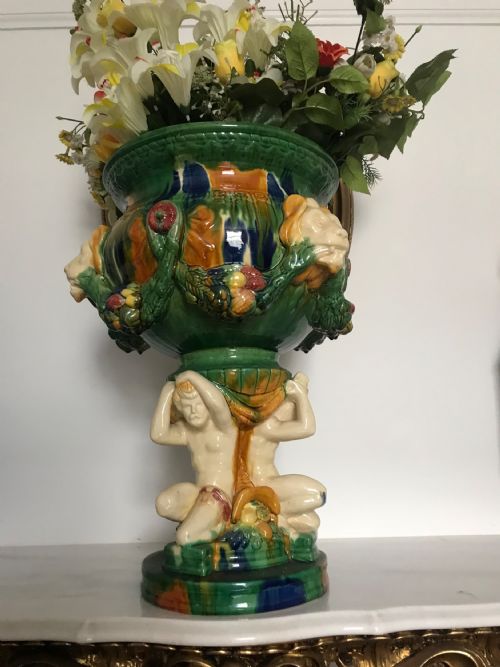
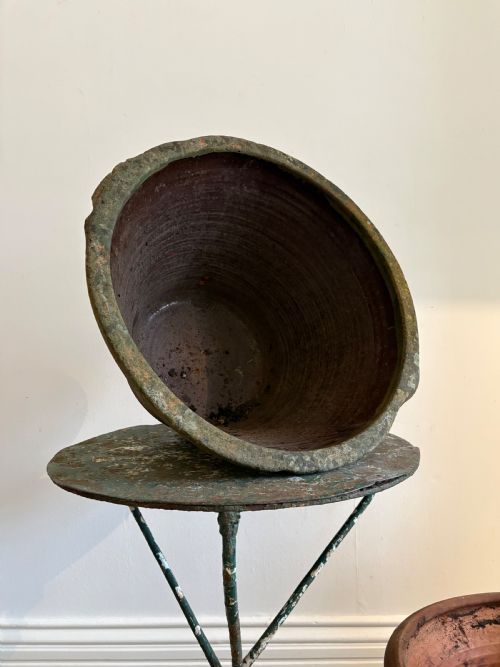
The pieces on this page lean heavily towards nineteenth-century vernacular and country items alongside earlier examples such as tenth-century Nishapur buffware and Meiji period Japanese ceramics. You will frequently find substantial dairy bowls featuring glazed interiors, alongside monumental Italian majolica planters and French provincial earthenware.
Utility dictated the original design of many examples, resulting in wide diameters and robust walls intended for agricultural or domestic processing. Over time, these functional vessels transitioned into decorative table centrepieces and garden planters while retaining their earthy material integrity.
Materials and construction methods
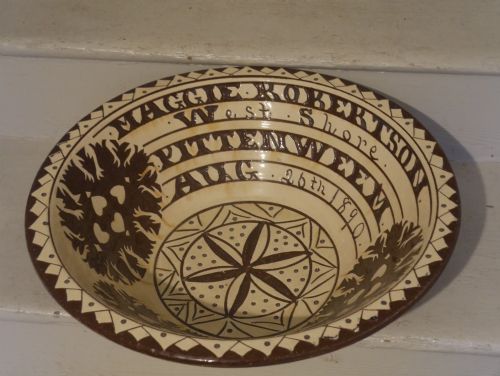
Makers shaped these objects primarily from terracotta and earthenware, utilising porous red or buff clays that required surface treatments to hold liquids. Potters applied lead, slip, or specialised glazes to the interior surfaces of dairy bowls and wash basins to ensure waterproofing for agricultural and domestic tasks.
Decorative variations relied on differing firing temperatures and surface applications, ranging from simple green lead glazes on French earthenware to elaborate figural reliefs and majolica finishes. Japanese and Middle Eastern pieces demonstrate distinct regional techniques, utilising buffware bodies and detailed hand-modelled figures attached before firing.
Terracotta Glaze Ceramic Bowl Retail Price Guide 2026
Typical asking prices for terracotta glaze ceramic bowl among the pieces listed under this phrase on Sellingantiques today, from the lower quarter to the upper quarter. They describe what is for sale here now, not the wider market.
Regional British origins on this page include North Country and Scottish Seaton Pottery alongside Verwood.
Evaluating craftsmanship and condition
Quality in these vessels rests upon the harmony between the raw clay body and the execution of the glaze, distinguishing basic utility items from exceptional artistic achievements. Superior pieces display even glaze distribution, careful throwing lines, and well-preserved surface details that survive centuries of use.
The distinction between standard country workshop production and high-end studio or factory output lies in the crispness of relief decoration and the sophistication of the glaze chemistry. Greater artistic ambition appears in pieces featuring figural bases, signed maker details, or complex multi-coloured majolica work.
Inoue Ryōsai·Royal Dux·Seaton Pottery·Verwood
The Terracotta Glaze Ceramic Bowl Glossary
- Terracotta
- Fired red earthenware clay that remains porous unless treated with a protective coating or glaze. It forms the structural foundation for many traditional country vessels.
- Dairy Bowl
- A wide, shallow utilitarian vessel historically utilised in agricultural settings for setting milk and separating cream. These bowls typically feature glazed interiors to prevent liquid absorption.
- Slip Glaze
- A liquid clay mixture applied to the surface of pottery before firing to impart colour and smooth the porous body. It creates a durable, often monochrome finish on vernacular kitchenware.
- Majolica
- Heavy earthenware pottery decorated with opaque coloured tin glazes over a fired base. This technique allows for vibrant colour palettes and detailed sculptural relief work.
- Buffware
- Pottery fashioned from light-coloured, pale yellow or cream-firing clays found in specific historical regions. Nishapur pottery relies heavily on this distinct ceramic body.
Terracotta Glaze Ceramic Bowl: Frequently Asked Questions
What were terracotta glaze bowls used for?
These vessels served primarily practical roles in historic kitchens and dairies, including milk setting, washing, and food preparation. Their sturdy construction handled heavy domestic labour before later retiring to decorative display.
Larger forms functioned as agricultural crocks or garden planters, while more ornate examples acted as centrepieces or powder boxes in Victorian and Edwardian parlours.
How do I care for an antique bowl?
Display your ceramic on stable surfaces away from high traffic areas, as historic earthenware possesses heavy weight and delicate rim areas. Dust gently with a dry, soft cloth and avoid chemical cleaning agents.
Keep these porous or semi-porous objects away from prolonged moisture exposure to protect the historic glaze and underlying clay body from deterioration.
Are these bowls waterproof?
Many examples feature interior lead or slip glazes designed to hold liquids safely for dairy and washing tasks during their working lives. However, hairline cracks or historic wear can compromise this waterproof quality over time.
Treat unglazed sections with caution and avoid filling antique porous terracotta vessels with standing water to prevent structural damage to the clay.
How can I tell the period?
Dating relies upon examining the clay body, glaze characteristics, potting technique, and any regional manufacturing markers like stampings or signatures. Nineteenth-century pieces often show distinct country throwing traits and heavy lead glazes.
Earlier examples, such as tenth-century buffware or Meiji period decorative items, display specific stylistic motifs and regional clay compositions unique to their eras.