



Taxidermy Specimen Frame
Taxidermy specimen frame displays bring the meticulous artistry of nineteenth and early twentieth century natural history directly to your walls.
Taxidermy Specimen Frame
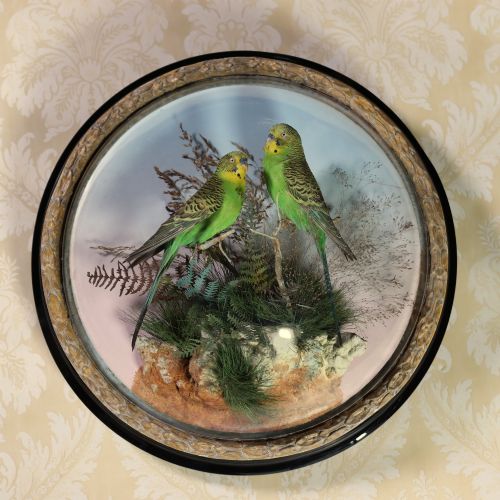
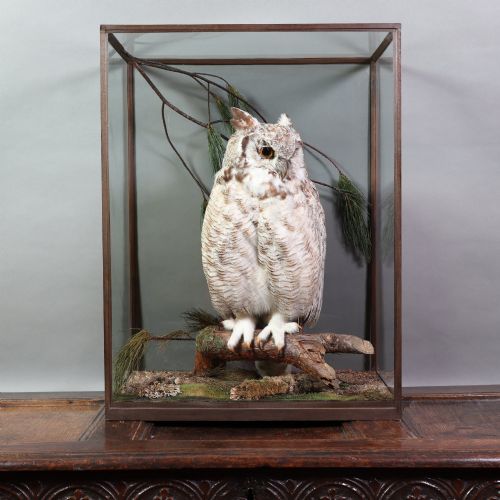
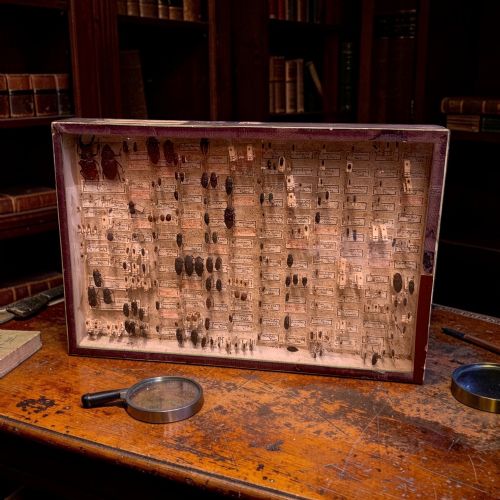
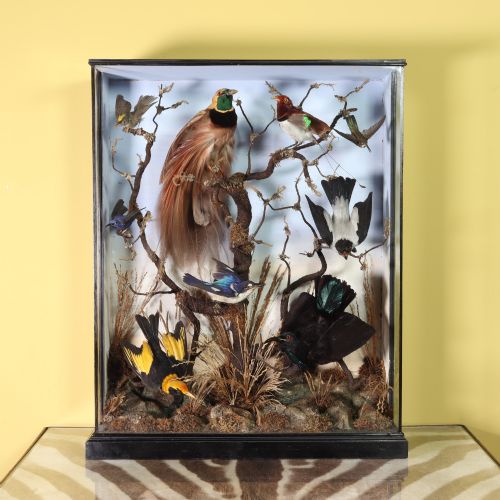
A taxidermy specimen frame encompasses wall-mounted glass cases, picture frame displays, and framed dioramas that preserve birds, insects, and plumage under protective glazing. These pieces emerge predominantly from the Victorian, Edwardian, and early twentieth century periods, reflecting a sustained fascination with natural history display.
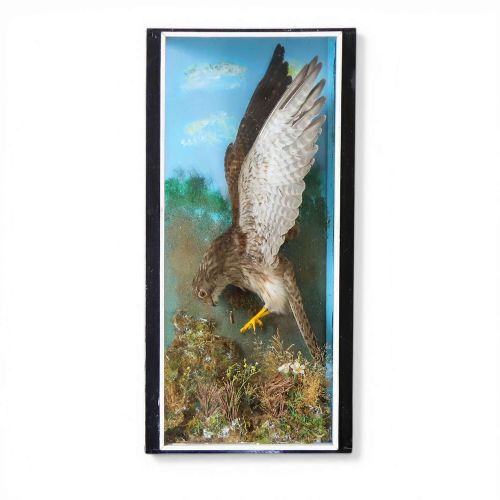
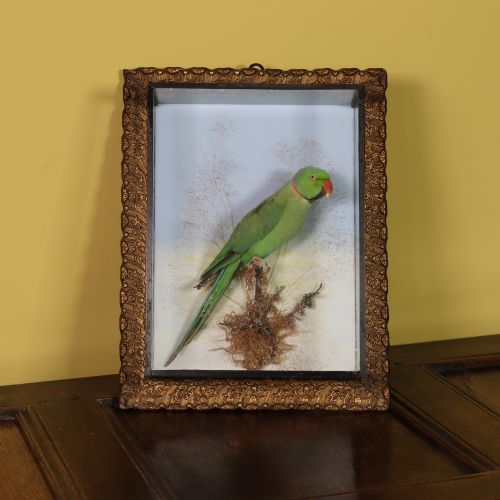
The objects on this page range from single bird specimens and butterfly arrangements to complex multi-species dioramas and decorative feather spreads. Most examples date from the late nineteenth century through to the 1930s, housed in original wooden frames designed to hang securely upon domestic walls.
Materials and construction methods
Makers constructed these enclosures using seasoned wood for the frames and cabinetry, fitted with glass panels to shield the delicate contents from dust and humidity. Interiors often incorporate painted backgrounds, plaster elements, moss, and paper components to simulate natural habitats for the preserved creatures.
Taxidermists utilised specialised mounting techniques to arrange birds, feathers, and insects in lifelike poses within the shallow depth of a picture frame or wall case. The integration of painted scenery behind the specimen creates an illusion of three-dimensional depth within a strictly confined space.
Taxidermy Specimen Frame Retail Price Guide 2026
Typical asking prices for taxidermy specimen frame among the pieces listed under this phrase on Sellingantiques today, from the lower quarter to the upper quarter. They describe what is for sale here now, not the wider market.
Evaluating craftsmanship and condition
The distinction between standard commercial work and superior examples lies in the vitality of the taxidermy mount and the sophistication of the internal diorama. Skilled practitioners captured realistic anatomical proportions and naturalistic postures, while lesser pieces appear stiff or disproportionate.
Originality of components also dictates standing, with untouched period glass, historic wooden framing, and intact interior elements holding greater integrity. The complexity of the arrangement, such as multi-bird groupings or exotic specimens, further elevates the piece.
P. Spicer of Leamington Spa·Rowland Ward Ltd·William Bazeley & Sons of Northampton
The Taxidermy Specimen Frame Glossary
- Taxidermy case
- A glazed enclosure built to house and preserve mounted animal specimens. These protective housings prevent physical damage and environmental deterioration.
- Diorama
- A three-dimensional scene featuring taxidermy specimens set against a painted or constructed background. This technique provides context and natural habitat simulation.
- Entomology case
- A specialised display housing collections of insects, such as butterflies and moths. These frames protect fragile specimens from light exposure and pests.
- Wall dome
- A curved glass display or convex framing format designed specifically for wall hanging. The rounded glass magnifies the specimen and adds visual depth.
Taxidermy Specimen Frame: Frequently Asked Questions
How should I clean the glass on a specimen frame?
Clean the exterior glass using a soft microfiber cloth and a mild glass cleaner applied to the cloth rather than directly to the frame. This prevents liquid from seeping past old seals and damaging the interior taxidermy or painted background.
Inspect the wooden frame periodically and dust it gently with a dry brush. Avoid harsh chemical polishes that might stain the aged timber or discolour the historic finish.
How can I tell a Victorian frame from a later one?
Victorian and Edwardian frames typically feature heavier timber construction, hand-planed mouldings, and old float glass with minor surface imperfections or bubbles. The backing boards often consist of aged softwood secured with traditional handmade or early machine-cut nails.
Later twentieth-century examples from the 1920s and 1930s tend to utilise simpler, cleaner wooden mouldings and more uniform modern glass. Examining the construction methods on the reverse of the frame usually reveals the manufacturing era.
What species are most common in these frames?
Nineteenth-century natural history frames frequently feature British woodland and garden birds such as jays, owls, ducks, and kestrels. Exotic specimens sourced from global expeditions, including parakeets and various tropical butterflies, also appear in period displays.
Many Victorian and Edwardian arrangements combine multiple species within a single diorama to create a diverse snapshot of natural history. The selection reflects both domestic wildlife interests and colonial-era exploration.