




Tall Wooden Wardrobe
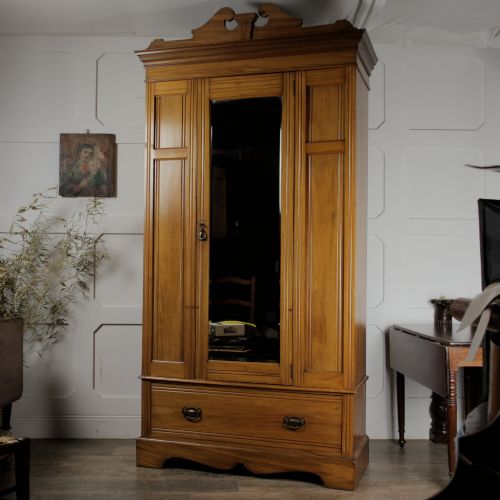
A tall wooden wardrobe provides substantial vertical storage, bringing period character and fitted interiors to bedrooms.
Tall Wooden Wardrobe
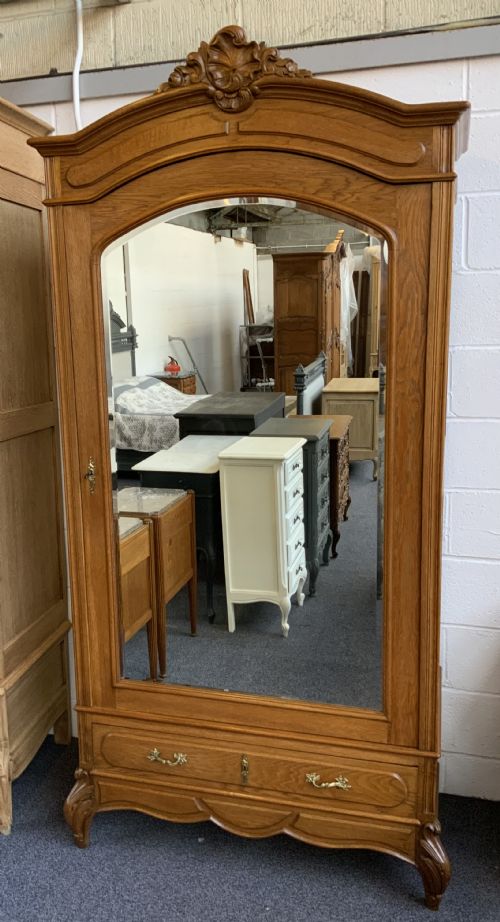
When searching for a tall wooden wardrobe, buyers encounter a diverse selection of large storage furniture spanning the eighteenth, nineteenth, and twentieth centuries. These pieces encompass regional forms such as French armoires, English linen presses, and Scandinavian pine cupboards.
How they were made
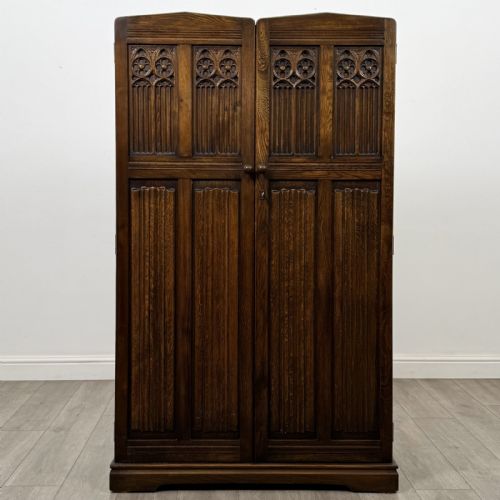
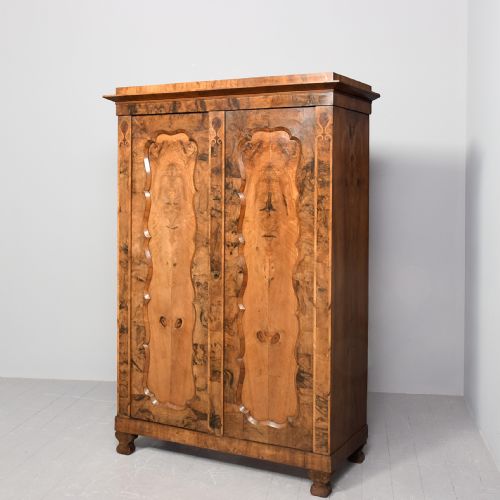
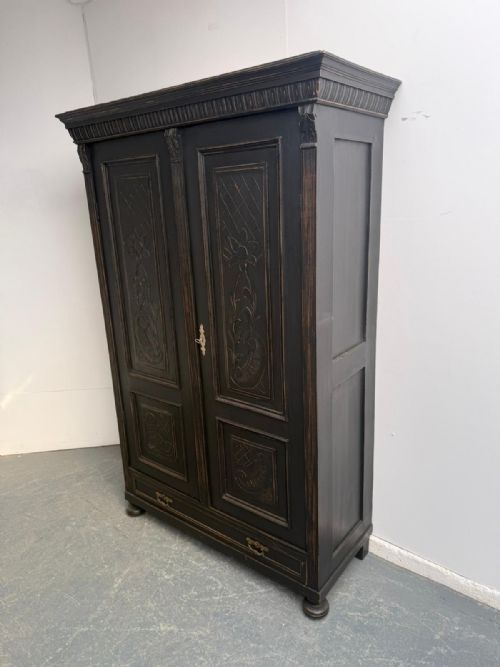
Cabinet makers utilised solid woods like oak, pine, and mahogany, frequently pairing them with veneers such as walnut, amboyna, and maple. Construction methods involved traditional joinery, panelled doors, and carved ornamentation.
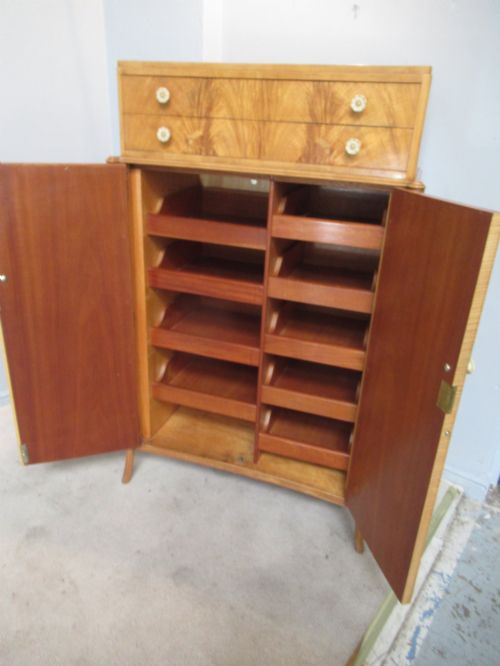
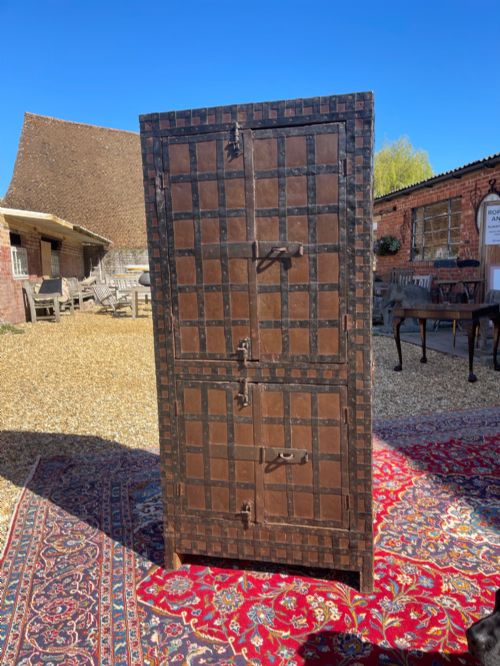
Surface finishes include traditional wax, paint, and lacquer, complemented by brass ironmongery and metal bindings. Interiors often incorporated shelving, hanging rails, or linen slides depending on the specific domestic function.
Tall Wooden Wardrobe Retail Price Guide 2026
Typical asking prices for tall wooden wardrobe among the pieces listed under this phrase on Sellingantiques today, from the lower quarter to the upper quarter. They describe what is for sale here now, not the wider market.
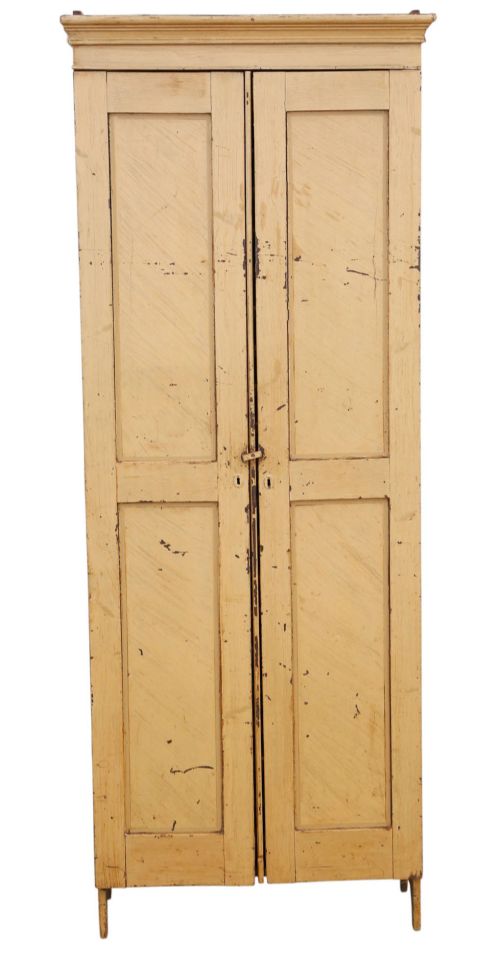
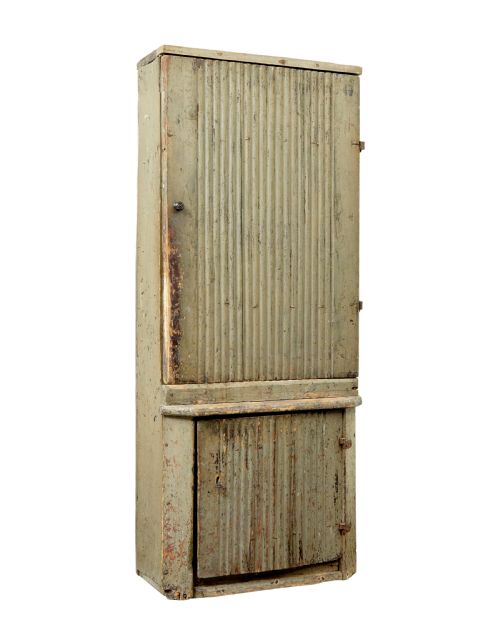
Several cupboards manage to be remarkably tall while still holding secrets behind their painted pine doors.
What varies in quality
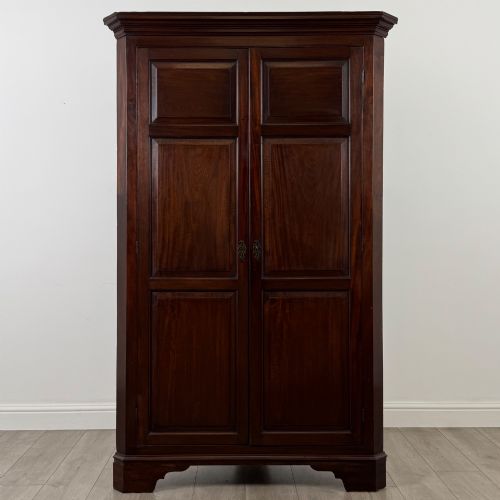
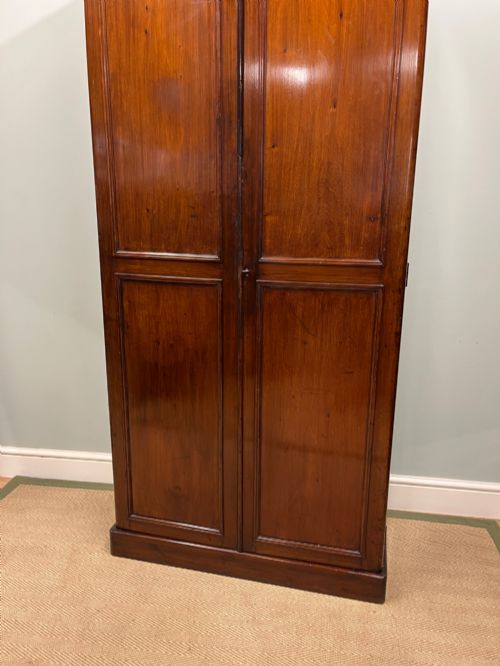
The standard of a tall wooden wardrobe depends upon the selection of timber figures, such as figured walnut or pale mahogany, and the precision of the hand-carved details. Structural integrity relies on sound joinery and original backboards rather than later replacements.
Finishing touches like original brass hardware, well-fitted panel doors, and intact painted or lacquered surfaces elevate certain examples. The sophistication of internal fittings, from simple shelves to elaborate linen presses, also distinguishes the pieces.
Maple and Co
The Tall Wooden Wardrobe Glossary
- Armoire
- A large wardrobe or cupboard, traditionally of French or continental European origin, featuring tall doors enclosing hanging space or shelves.
- Linen press
- A tall piece of furniture comprising upper cupboard doors enclosing sliding trays or shelves, positioned above a base of drawers.
- Corner cabinet
- A storage cupboard specifically constructed with angled sides to fit neatly into the corner of a room.
- Veneer
- A thin layer of fine wood applied to a secondary timber base to create decorative patterns, such as figured walnut.
- Ironmongery
- Metal hardware utilised on furniture, including brass hinges, key escutcheons, and structural bindings.
Tall Wooden Wardrobe: Frequently Asked Questions
What is a tall wooden wardrobe?
A tall wooden wardrobe is a large storage furniture piece designed primarily for hanging garments or storing linens. These items encompass regional forms including armoires, linen presses, and hall cupboards.
They utilise timbers such as oak, mahogany, pine, and walnut, often dating from the eighteenth century through to the early twentieth century.
How do I use a tall wooden wardrobe?
These large pieces serve as the main clothing storage in a bedroom, offering vertical hanging space and adjustable shelving. Many historical examples include internal drawers or linen slides for folded garments.
Positioning requires adequate ceiling height and wall clearance due to the substantial proportions typical of these historical storage items.
How do I identify the period?
Dating relies on timber selection, construction techniques, and stylistic markers such as Georgian proportions or nineteenth-century carved details. Hardware styles and secondary woods hidden inside also offer clues to the age.
Examining the joinery methods helps distinguish eighteenth-century craftsmanship from later nineteenth and twentieth-century reproductions or variants.
Are painted finishes original?
Many regional pieces feature painted surfaces, ranging from Scandinavian country pine to Chinese red lacquer and English painted linen cupboards. Determining originality involves inspecting the wear patterns and layers beneath the surface.
Some items retain their original decorative paintwork, while others received subsequent decorative treatments during their long domestic history.