





Tall Wooden Shelves
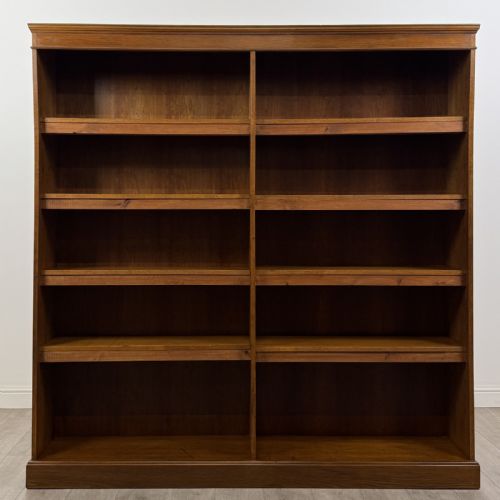
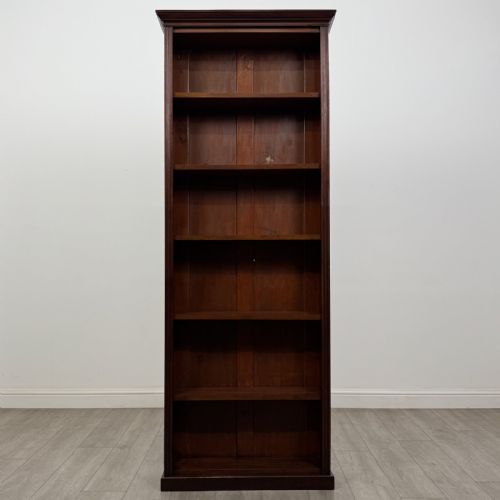
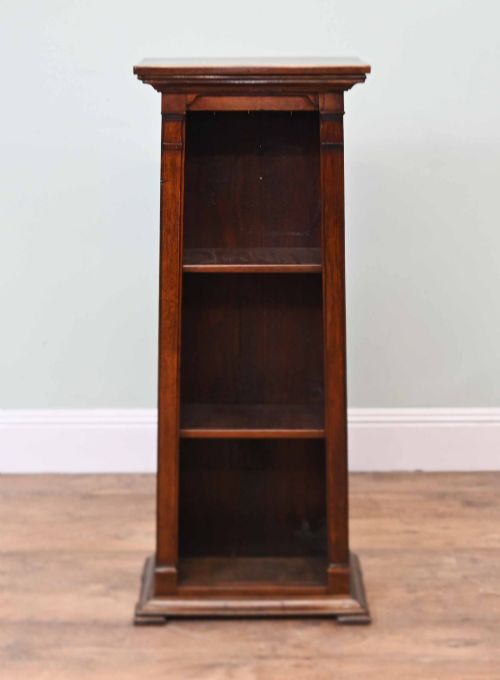
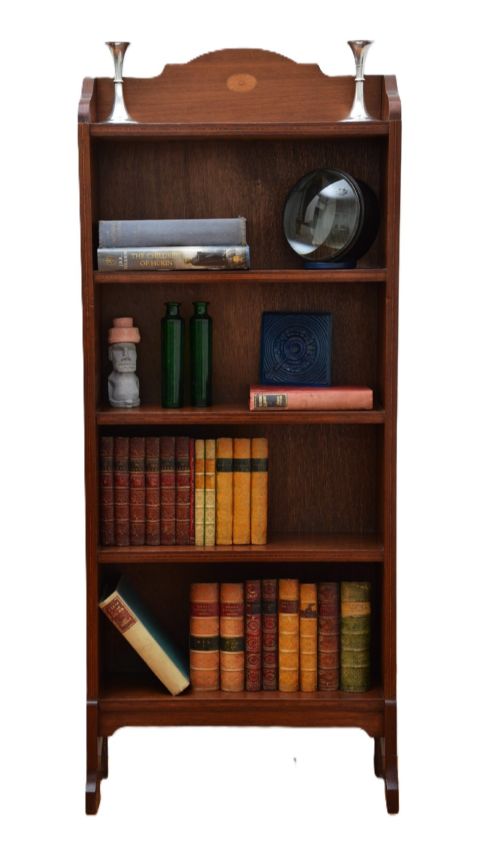
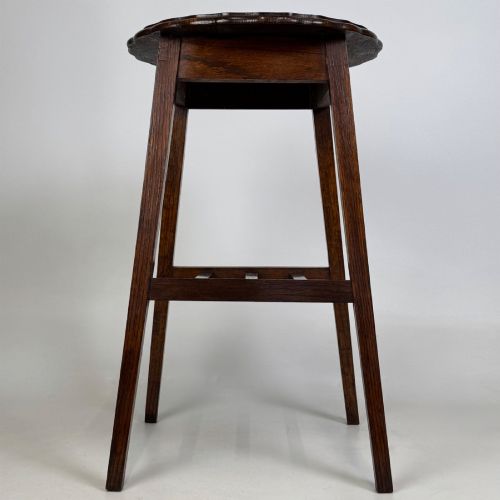
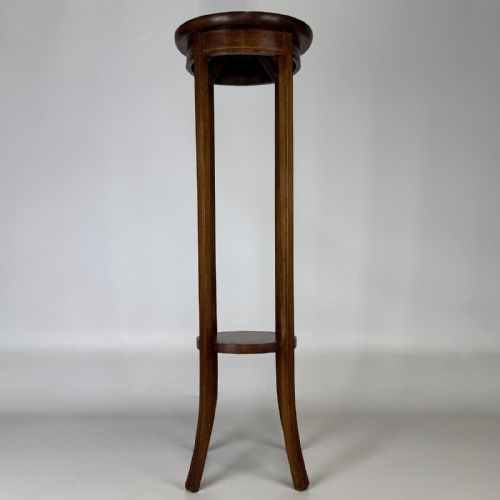
Tall wooden shelves bring vertical storage and display space to a room, appearing in forms from open bookcases to plant stands.
Tall Wooden Shelves
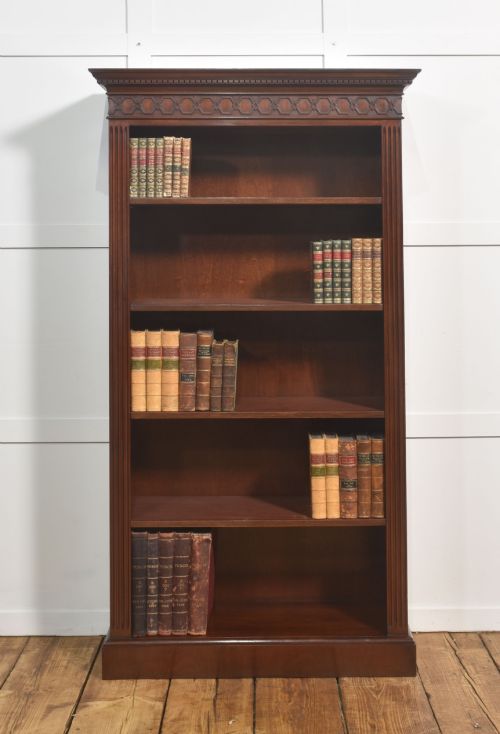
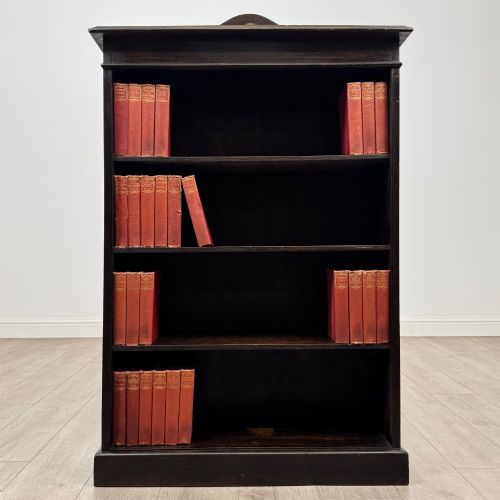
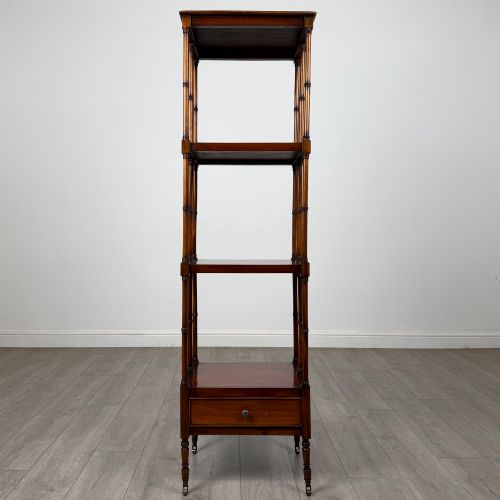
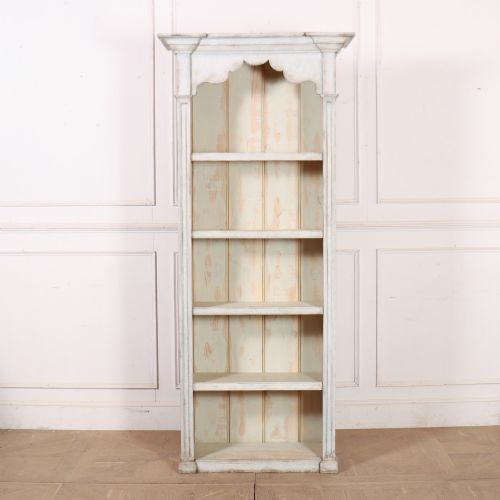
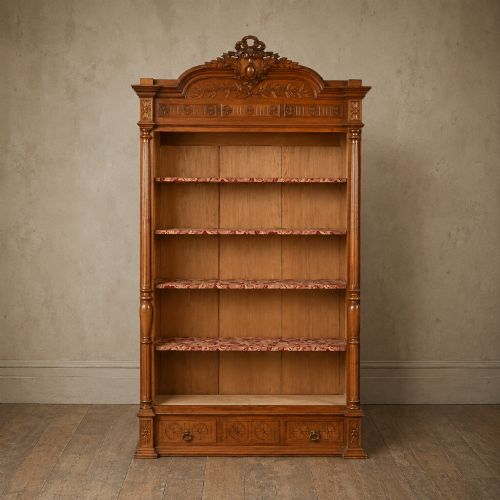
When you search for tall wooden shelves, you encounter pieces designed to hold books, plants, and household objects across multiple tiers. The selections on this page range from Victorian and Edwardian open bookcases to rustic pine units and tall mahogany stands.
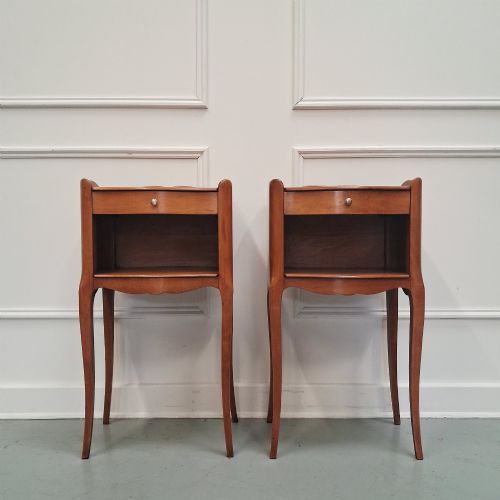
Most examples originate from the nineteenth and early twentieth centuries, spanning periods such as the Edwardian era and the Victorian period. You will frequently find open bookcase forms alongside side tables with lower shelves, corner units, and display cabinets.
Makers and workshops constructed these items to maximise vertical wall space in domestic rooms and shops. The variety includes simple deal wood storage alongside finely inlaid mahogany library furniture and painted French designs.
How they were made
Craftsmen built these pieces using solid timbers like mahogany, oak, walnut, pine, and satinwood, occasionally incorporating brass details or applied paint. Timber selection dictated both the load-bearing capacity of the shelves and the visual character of the finished cabinet or stand.
Construction methods relied on traditional joinery to support vertical uprights, fixed tiers, and adjustable shelving mechanisms. Surfaces received finishes ranging from polished wood to painted treatments, sometimes accented with decorative inlays or carved mouldings.
Tall Wooden Shelves Retail Price Guide 2026
Typical asking prices for tall wooden shelves among the pieces listed under this phrase on Sellingantiques today, from the lower quarter to the upper quarter. They describe what is for sale here now, not the wider market.
Periods represented span from the nineteenth century through the Edwardian era, 1920, and Art Deco 1930 designs.
What varies in quality
Quality in these pieces depends on the selection of timber and the precision of the joinery used in the frame and shelves. Superior examples utilise dense hardwoods like mahogany or walnut with careful attention to grain matching and structural stability.
The sophistication of decorative elements, such as dentil cornices, inlaid woodwork, carved pillars, and adjustable shelf tracks, separates standard utility furniture from finer library pieces. Better construction ensures the tall uprights remain rigid under the weight of books and objects.
The Tall Wooden Shelves Glossary
- Open Bookcase
- A piece of furniture featuring multiple horizontal shelves without doors to enclose the contents. This form provides immediate access to books and display items.
- Dentil Cornice
- A decorative architectural moulding featuring a series of small, rectangular blocks projecting in a repeating pattern along the top edge of a bookcase. It derives from classical building design.
- Inlay
- A technique where contrasting pieces of wood or other materials are inserted into depressions in the base timber to form decorative patterns. This method appears on Edwardian and Georgian-style pieces.
- Gallery
- A raised railing or rim along the top or edge of a shelf or table to prevent objects from sliding off. Galleries can be pierced or solid.
- Softwood
- Timber derived from conifers, such as pine or deal wood, commonly utilised for utilitarian furniture and country pieces. It offers a lighter weight and distinct grain compared to hardwoods.
Tall Wooden Shelves: Frequently Asked Questions
What is the difference between an open bookcase and a cabinet?
An open bookcase lacks doors, leaving the shelves and their contents exposed to the room for easy access. Cabinets incorporate doors or enclosed sections to protect items from dust and light.
Open versions suit living rooms and libraries where frequent access to books or display objects is preferred. Enclosed variants offer secure storage for delicate items.
How do I know if shelves are adjustable?
Adjustable shelves rest on internal supports that allow you to change the vertical spacing between tiers to accommodate different book sizes. Fixed shelves remain permanently joined to the vertical uprights.
Many nineteenth and early twentieth-century bookcases include slot systems or wooden brackets for this purpose. You can inspect the interior sides of the uprights to identify these adjustment mechanisms.
Where should I place tall shelves in a room?
Tall wooden shelves suit walls with adequate vertical clearance, allowing you to store a large volume of items within a compact floor footprint. Placing them away from direct heat sources protects the timber from drying out.
Corner units fit into awkward angles to utilise otherwise empty space in a room. Taller freestanding bookcases benefit from secure attachment to the wall for stability.
What woods were commonly used for these pieces?
Mahogany and oak appear frequently across nineteenth-century and Edwardian listings, offering durability and rich grain patterns. Walnut, satinwood, pine, and deal wood also feature in various regional and period pieces.
Hardwoods provided the strength required for fine library bookcases and display cabinets. Softer timbers like pine served well for rustic or painted storage units.