




Tall Wooden Panels
These tall wooden panels and related architectural forms offer substantial presence for vertical spaces, crafted from robust hardwoods through centuries of domestic and structural use.
Tall Wooden Panels
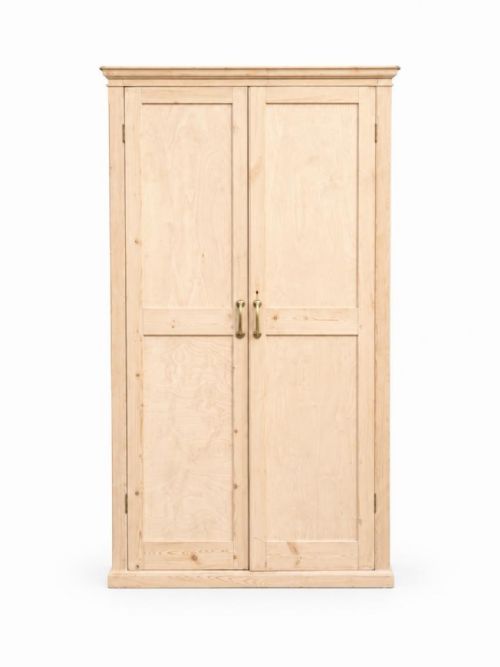
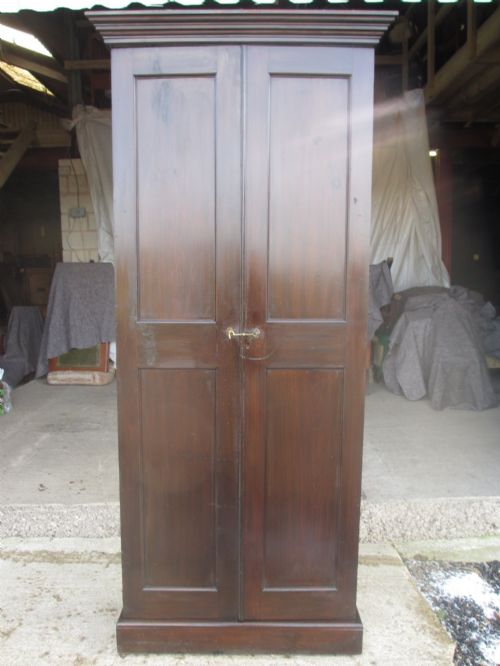
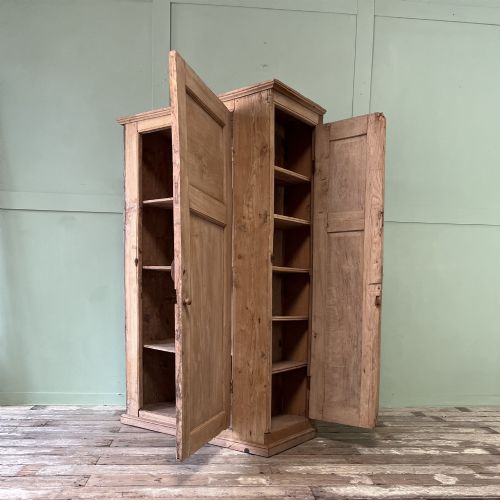
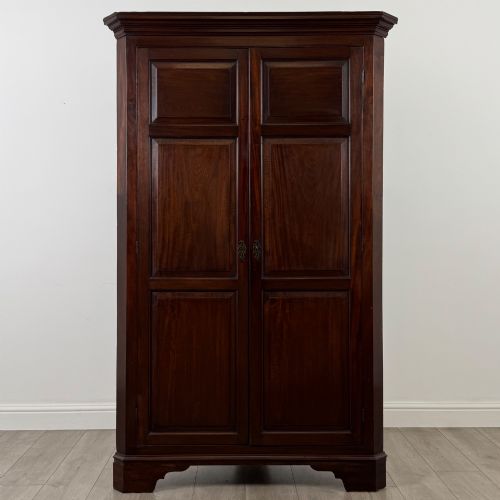
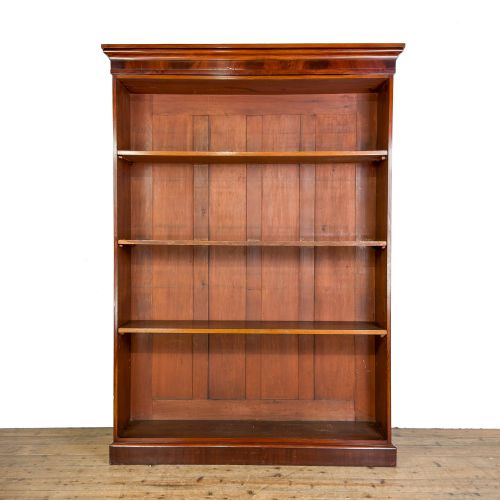
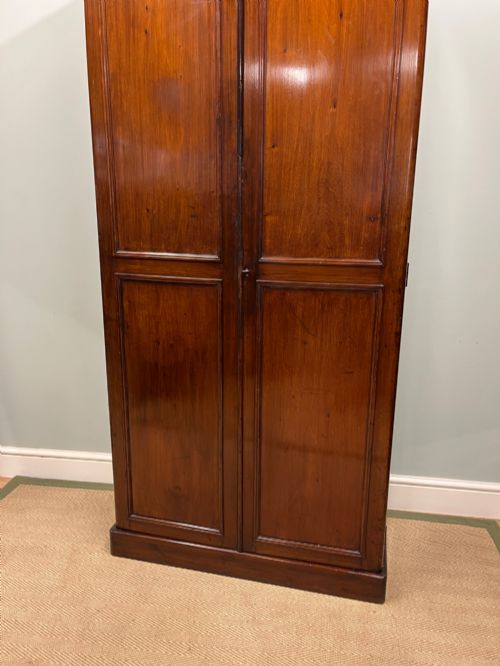
Tall wooden panels encompass architectural elements, carved sections, and vertical storage pieces such as wardrobes, corner cabinets, and tall cupboards. When you search for tall wooden panels, you encounter sturdy vertical timber forms originating from periods spanning the eighteenth century through to the early twentieth century.
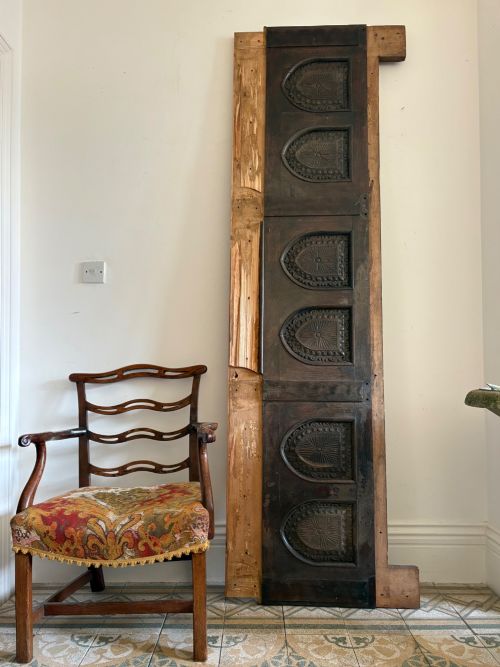
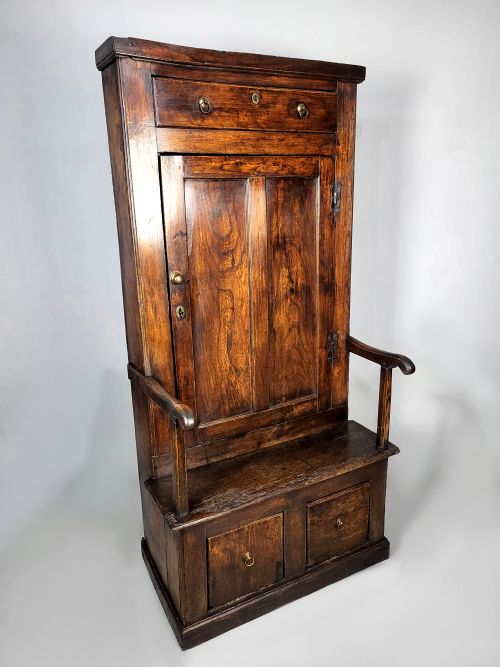
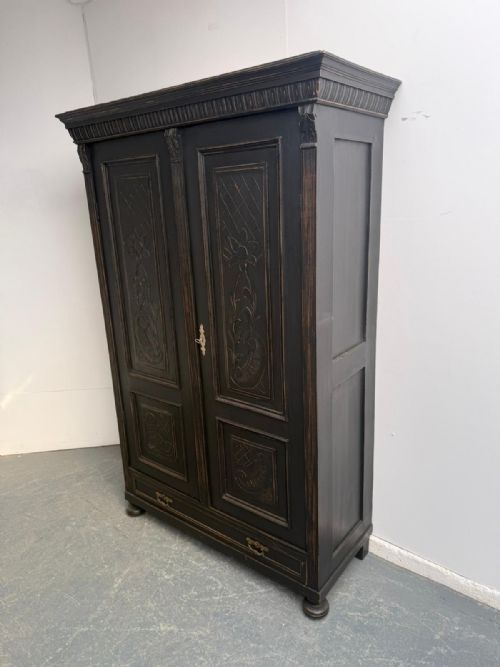
The selections on this page lean heavily towards functional cabinetry and architectural salvage, including carved oak Gothic tracery, painted pine, and solid elm storage cupboards. These taller items demand ceiling clearance and anchor a room with distinct historical proportions.
How they were made
Cabinet makers and joiners utilised native and imported hardwoods like oak, mahogany, elm, walnut, and pine, selecting timber for grain density and structural stability. Panels were frequently joined using traditional framing techniques to accommodate seasonal timber movement.
Surface treatments varied from waxed and polished natural grain to applied paint layers, brass hardware integration, and detailed hand carving such as Gothic tracery.
Tall Wooden Panels Retail Price Guide 2026
Typical asking prices for tall wooden panels among the pieces listed under this phrase on Sellingantiques today, from the lower quarter to the upper quarter. They describe what is for sale here now, not the wider market.
Listings feature timbers including oak, mahogany, elm, walnut, and pine, spanning the eighteenth century to the twentieth century.
What varies in quality
The distinction between standard utility items and superior examples lies in the selection of timber figures, the crispness of hand-carved detailing, and the integrity of original construction joints. Timber thickness and the proportional balance of tall doors or panels dictate structural longevity.
Preservation of original surfaces, such as early painted finishes or patinated walnut and mahogany, elevates an example above pieces that have undergone extensive timber replacement or unsympathetic modern stripping.
The Tall Wooden Panels Glossary
- Bacon settle
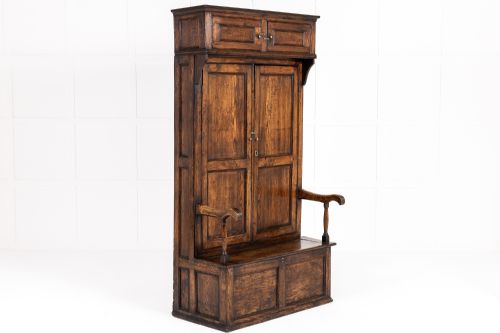
- A high-backed wooden seat incorporating a storage cupboard in the upper section. These pieces served domestic utility in rural kitchens.
- Architectural salvage
- Building components rescued from demolition or alteration. These elements include carved wooden panels and structural doors repurposed for interior display.
- Trumeau
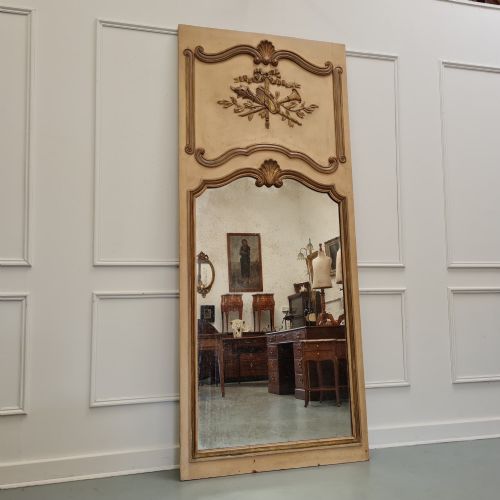
- A decorative wall mirror paired with a painted or carved panel. These French-derived vertical pieces often feature classical motifs.
- Corner cabinet
- A storage unit designed to fit squarely into a room angle. These tall pieces maximise vertical wall space in domestic interiors.
Tall Wooden Panels: Frequently Asked Questions
How are tall wooden panels used today?
These tall elements function effectively as architectural wall decorations, room dividers, or integrated components within modern interior schemes.
Their substantial vertical scale draws the eye upward, creating dramatic focal points in high-ceilinged rooms.
What woods appear most frequently?
Oak and mahogany form the core of the inventory, accompanied by elm, walnut, pine, and cherrywood.
Each timber brings distinct colour variations and grain patterns depending on the period of manufacture.
How do I distinguish eighteenth-century pieces?
Early pieces typically exhibit hand-cut joinery, pegged framing, and native hardwoods like solid elm or oak.
Surface patination develops deep warmth through decades of natural waxing and handling.
Are these panels suitable for small rooms?
Due to their considerable height and solid construction, these pieces require substantial wall space and high ceilings to avoid overwhelming a compact room.
Corner units and slim cupboards offer a way to utilise vertical dimensions without occupying excessive floor area.