


Tall Wood Grandfather Clock
A tall wood grandfather clock stands as a commanding domestic timepiece, bringing architectural presence and mechanical precision to a room.
Tall Wood Grandfather Clock
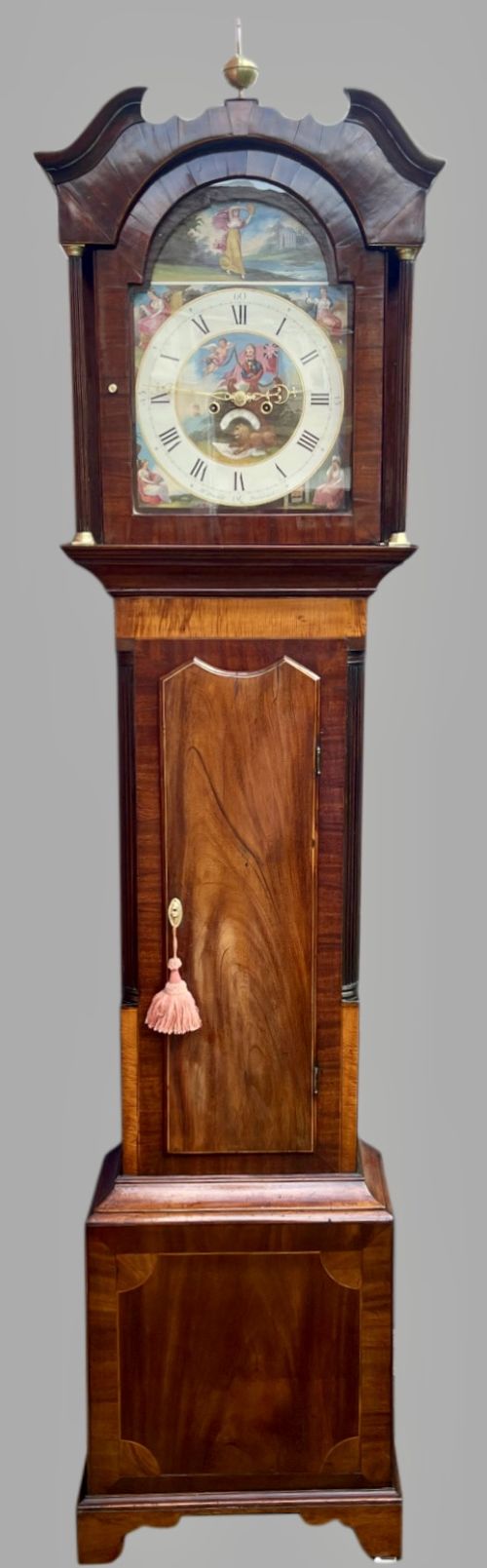
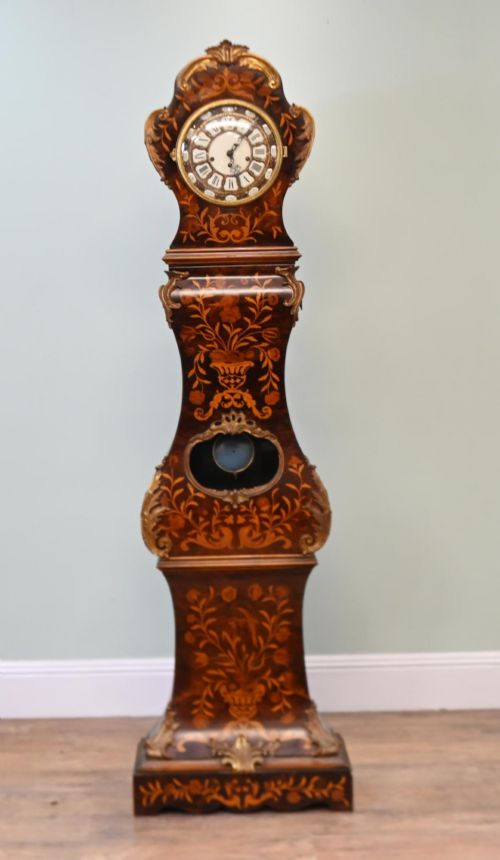
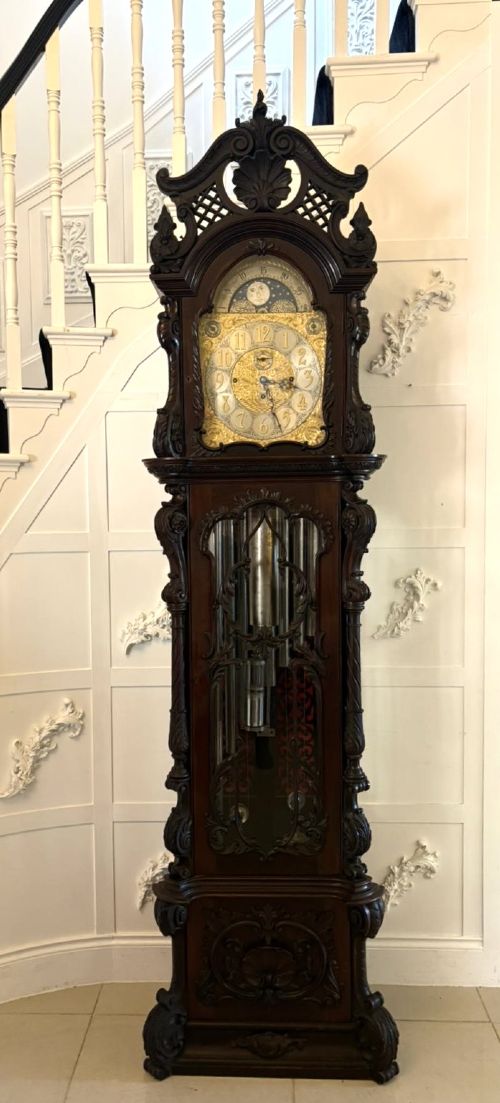
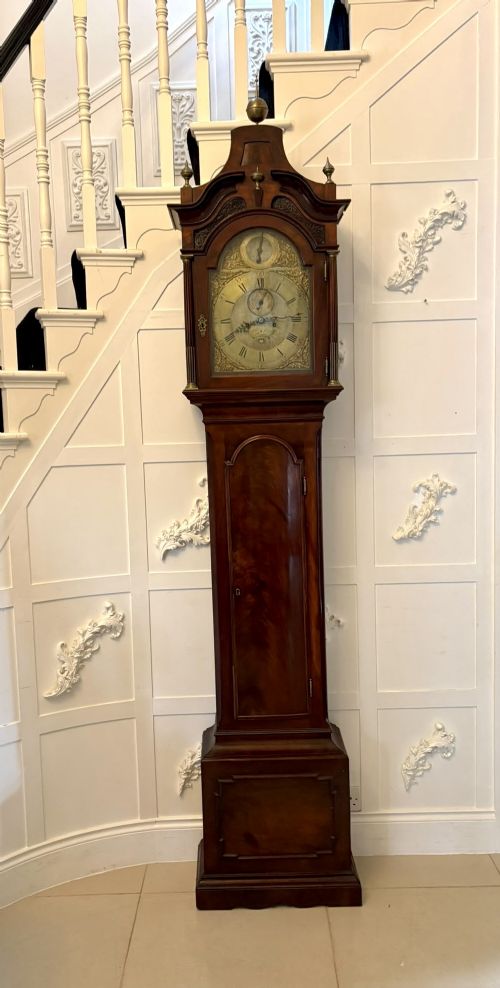
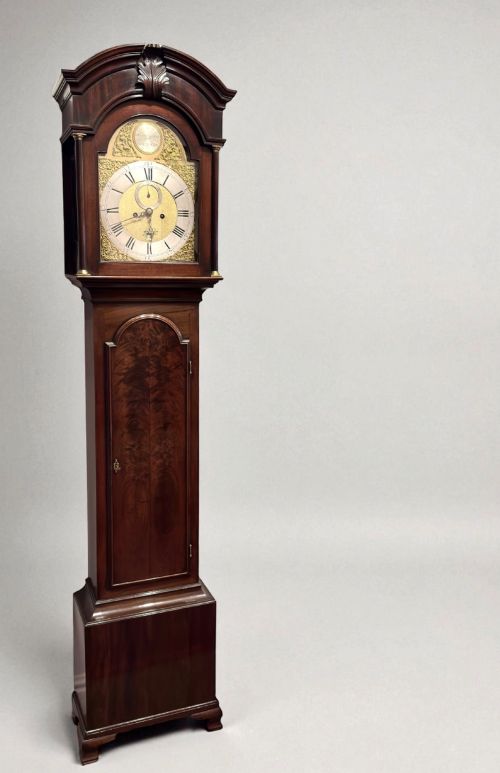
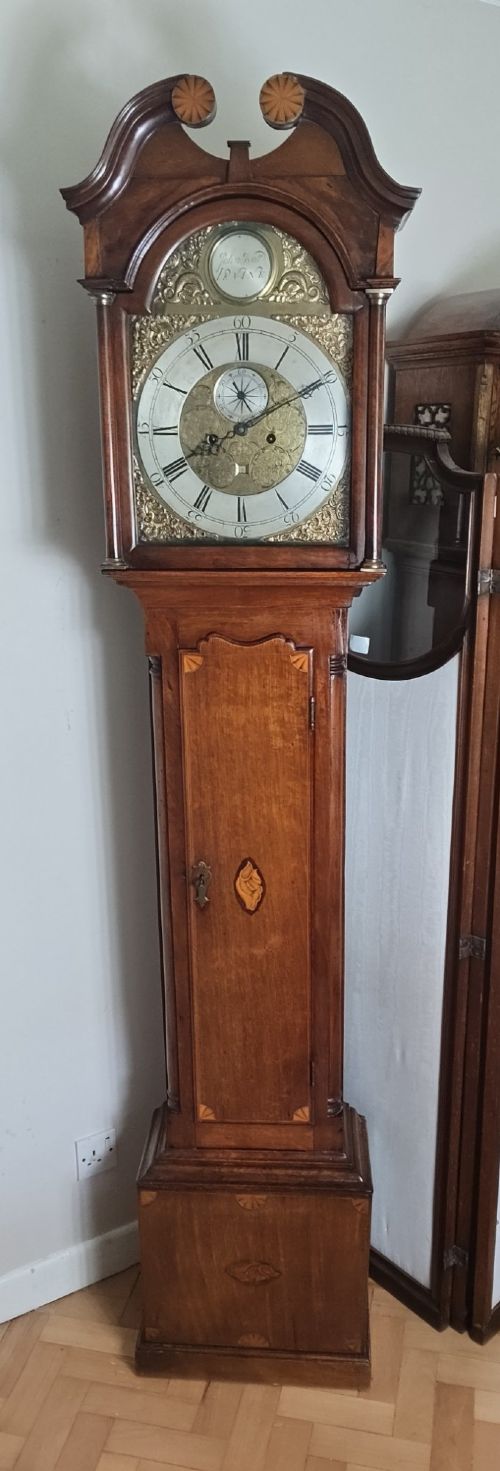
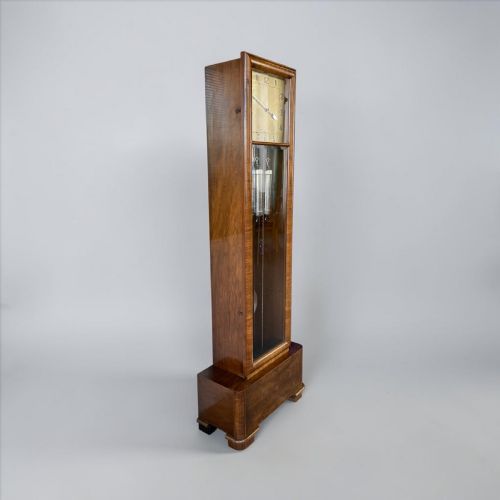
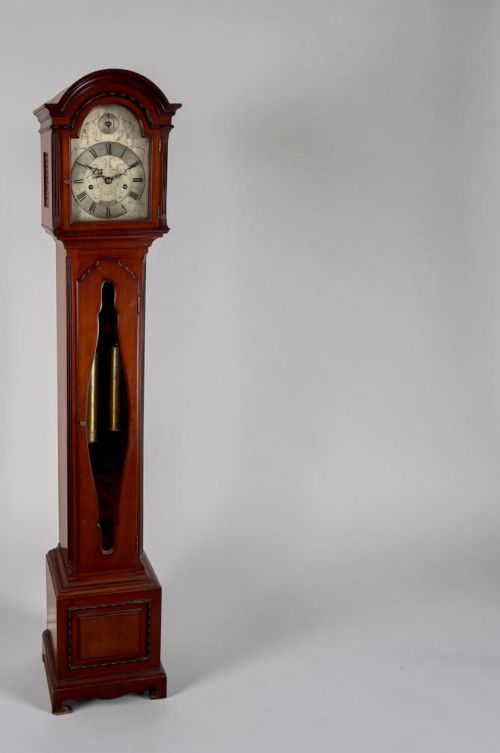
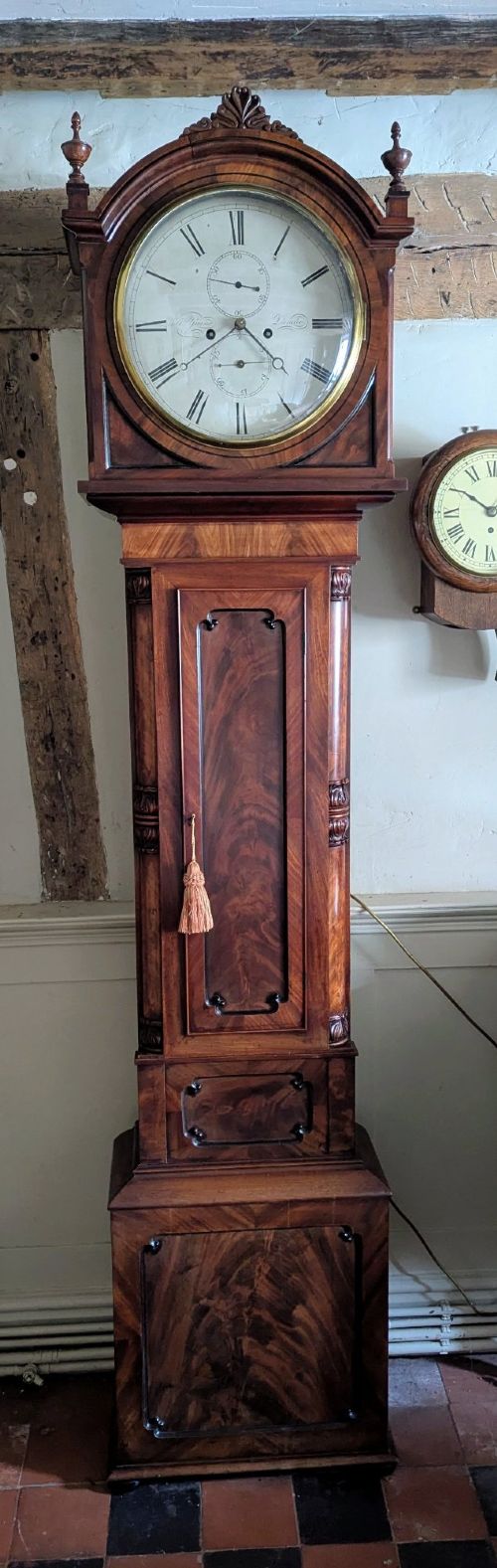
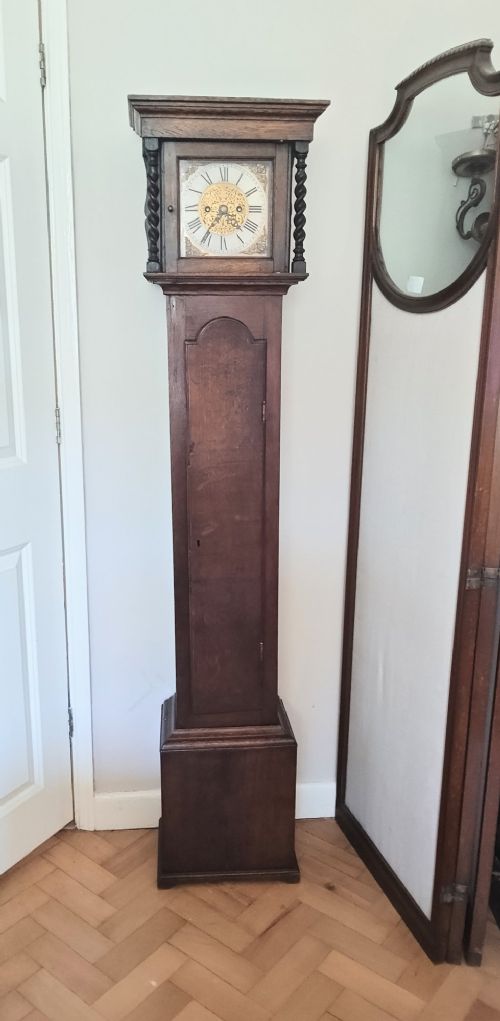
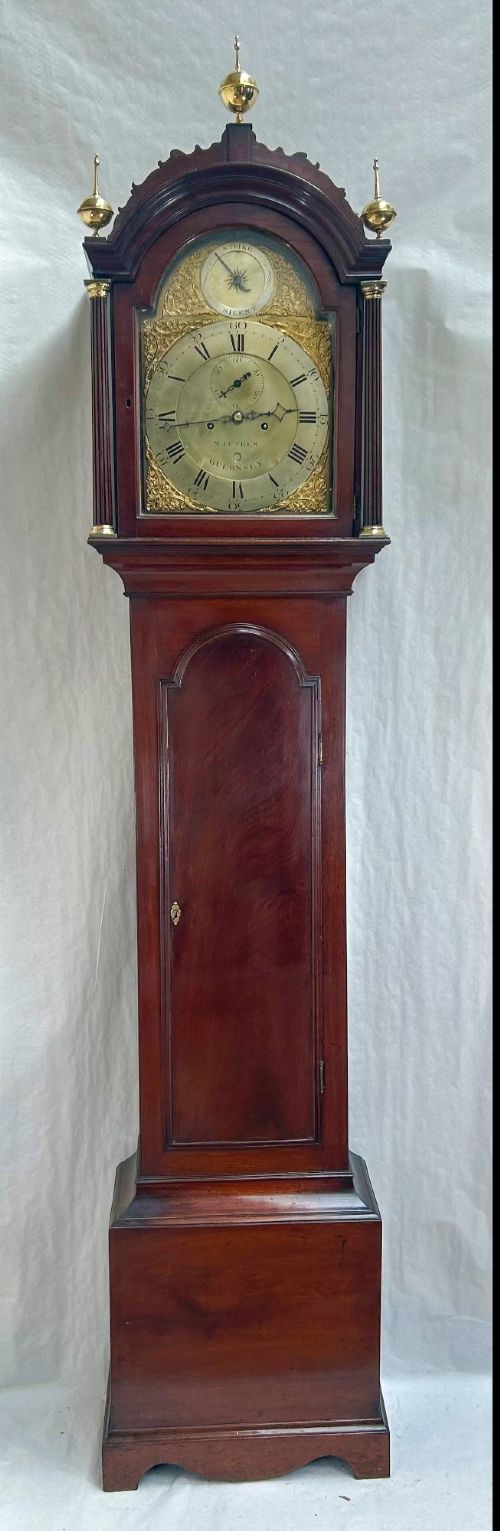
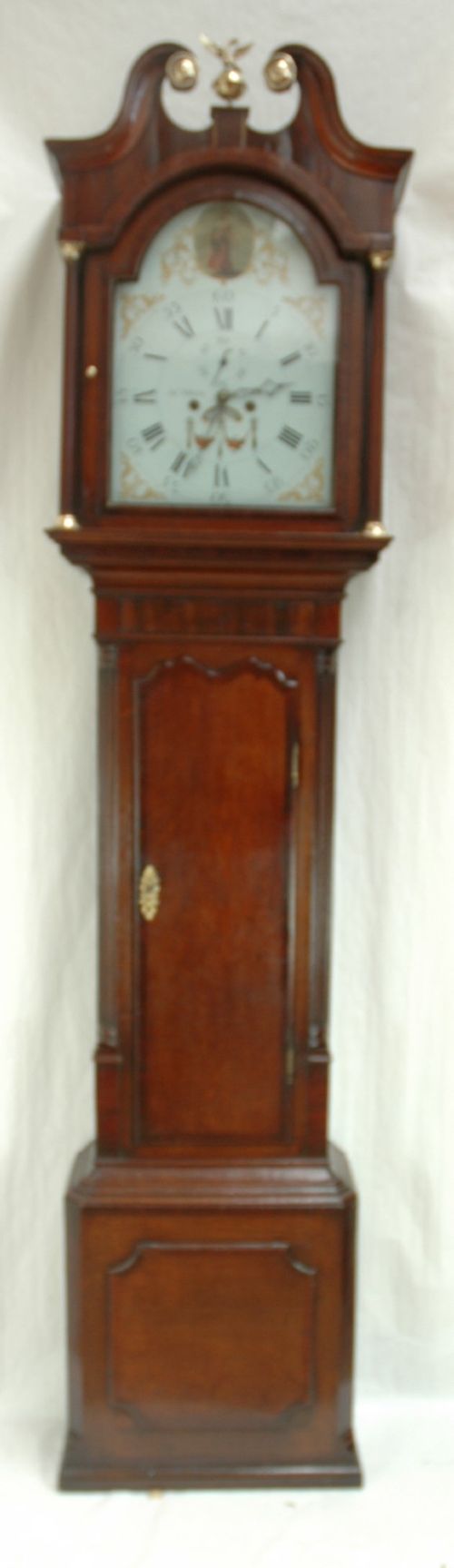
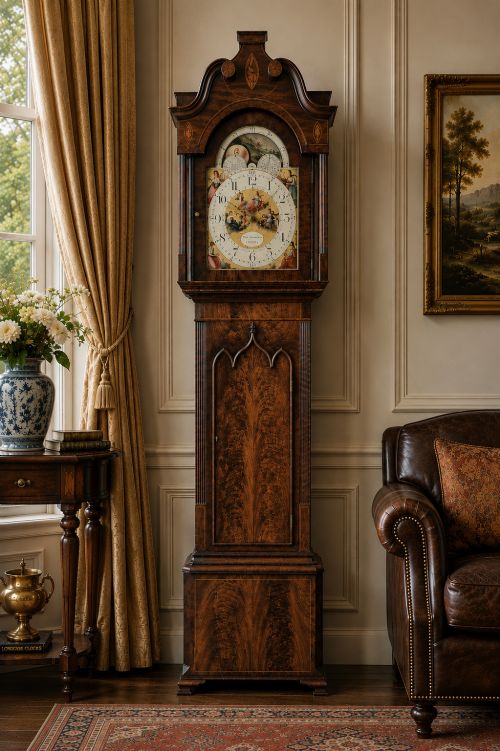
A tall wood grandfather clock encompasses traditional longcase timepieces spanning the Georgian, Victorian, and Edwardian periods. These tall vertical wooden cases house intricate weight-driven movements designed to measure hours, days, and moon phases with exactness.
Mahogany and oak form the predominant housings for these tall wood grandfather clock examples, often built by regional makers across England and Scotland. Shorter grandmother clock variants also appear among the selections alongside full-sized architectural pieces.
Construction materials and techniques
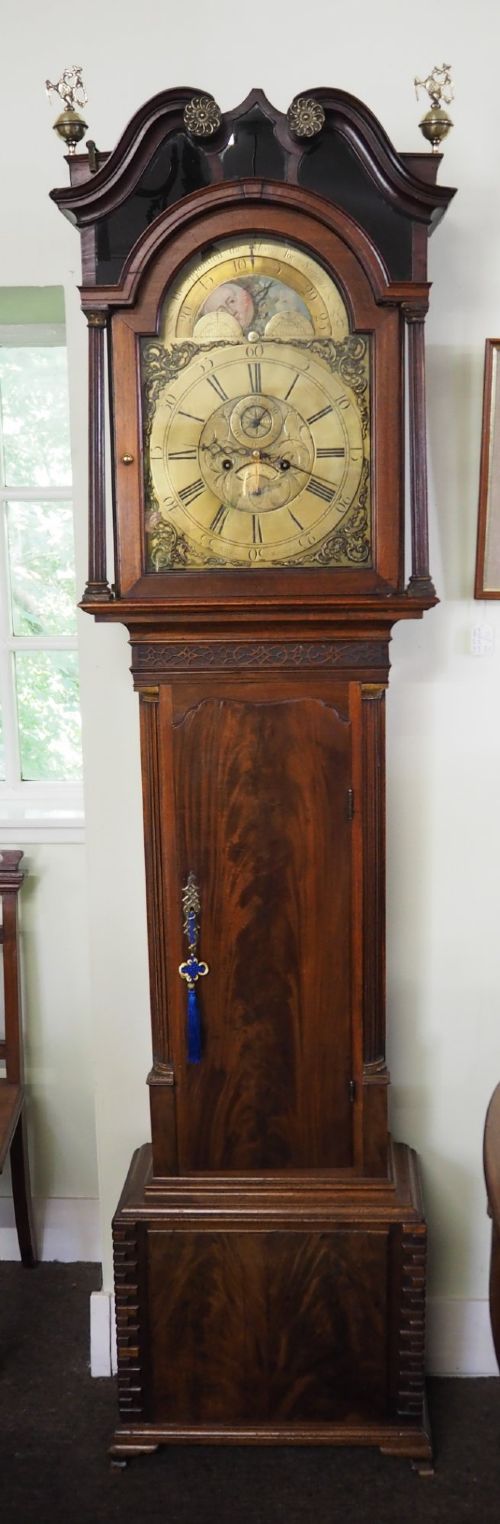
Cabinetmakers constructed the tall cases primarily from solid mahogany, oak, and walnut, frequently selecting figured or flame veneers to embellish the front panels and doors. Brass and steel components form the complex gear trains, dials, and pendulum suspensions inside.
Dial faces feature engraved brass, painted iron, or silvered brass chapters, occasionally incorporating brass spandrels in corners and mechanical moon rollers. Master clockmakers signed their dials with black enamel script, recording their towns and workshops from London to provincial Scottish burghs.
Tall Wood Grandfather Clock Retail Price Guide 2026
Typical asking prices for tall wood grandfather clock among the pieces listed under this phrase on Sellingantiques today, from the lower quarter to the upper quarter. They describe what is for sale here now, not the wider market.
Listings feature tall wood grandfather clock examples built from mahogany, oak, and walnut across Georgian, Victorian, and Edwardian periods.
Distinctions in quality and execution
Quality separates simple utility timepieces from ambitious exhibition pieces through the cabinetwork and the complexity of the internal movement. Nine-tube chiming systems, musical mechanisms, and precision domestic regulators represent the upper tier of horological achievement.
The sophistication of the timber selection dictates visual merit, with deeply figured flame mahogany and inlaid paterae elevating the case design well beyond plain architectural housings. Dial artistry, including detailed moonphase mechanisms and signed brass work, further distinguishes superior examples.
John Taylor London·Gordon of Aberdeen·Gillett and Johnston of Croydon·James Field of Hempstead·Samuel Kellett of Bredbury·William Jourdain·Priory of Dundee Scotland·George Hallifax Of Doncaster·Edward Shepley of Manchester·Matt Wylie Paisley·Charles Dowsett Of Canterbury·John Denbigh Merton Park
The Tall Wood Grandfather Clock Glossary
- Longcase clock
- An alternative term for a tall wood grandfather clock, housed in a tall wooden case that protects the weights and pendulum. These cases generally range from six to eight feet in height.
- Grandmother clock
- A smaller, more compact version of the traditional longcase timepiece, standing noticeably lower in height. They typically date from the Edwardian and later periods.
- Moonphase
- A specialised dial mechanism that tracks the lunar cycle through a rotating painted disc visible through an arched aperture. This complication was popular on eighteenth and nineteenth-century dials.
- Paterae
- Small circular decorative bosses or relief carvings applied to furniture surfaces, often found inlaid on Georgian clock hoods and trunks. They add subtle neoclassical detail to the timber.
- Regulator
- A precision pendulum clock designed for extreme accuracy, often utilised to set other timepieces in domestic or scientific settings. These movements omit striking trains in favour of pure timekeeping.
Tall Wood Grandfather Clock: Frequently Asked Questions
Where should a tall wood grandfather clock be placed?
These tall timepieces require a stable, level floor and a secure wall attachment to prevent vibration from disrupting the pendulum. Hallways, landings, and principal reception rooms suit their vertical proportions best.
Avoid positioning the wood case near active heat sources, fireplaces, or damp exterior walls that might cause timber movement and affect the internal mechanism.
How do eight-day movements operate?
An eight-day movement relies on heavy cast-iron or lead weights suspended by cords or chains inside the trunk. Gravity pulls the weights down over eight days, driving the gear train that turns the hands.
Wind the clock weekly using a specialised crank key to draw the weights back to the top of the case without over-winding the brass arbors.
How are different periods identified?
Georgian examples often display classic architectural proportions, brass dial spandrels, and high-grade mahogany or oak cabinetry with rich patination. Victorian and Edwardian pieces frequently feature heavier mouldings, larger dial apertures, and altered wood finishes.
Examining the signature style of the dial lettering, case wood selection, and door hinges helps narrow down the approximate manufacturing era.
What is a moonphase dial?
A moonphase dial tracks the phases of the moon through a rotating painted disc showing two lunar faces. The mechanism advances incrementally behind an arched cut-out above the main dial.
Clockmakers added this feature to help farmers and travellers gauge moonlight and night tides before artificial lighting became widespread.