

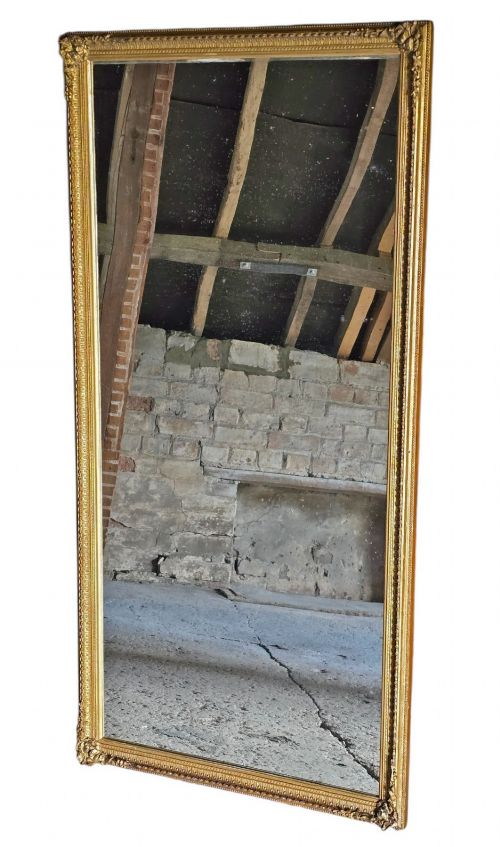
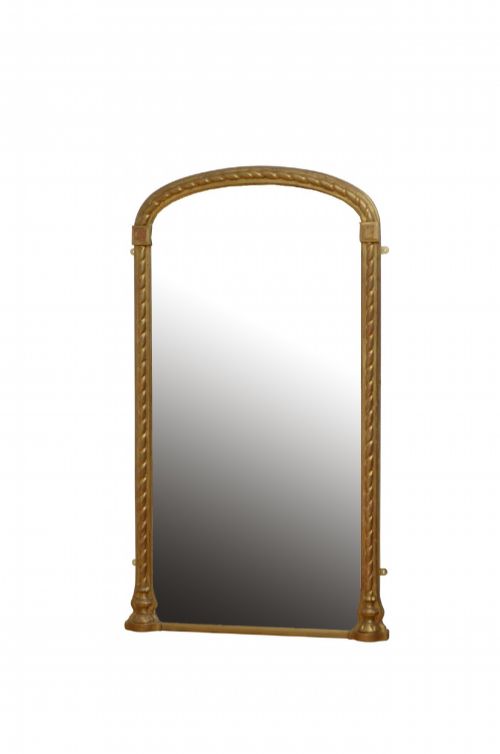
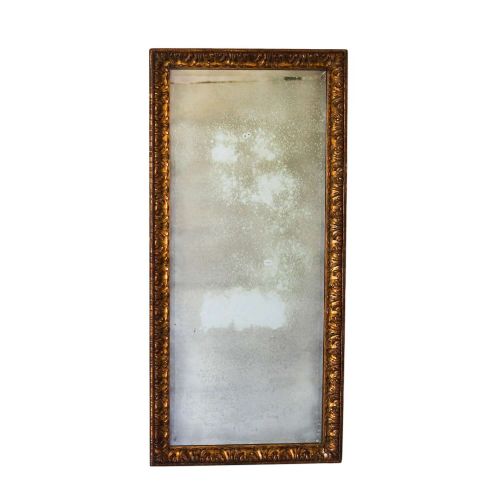


Tall Wood Dressing Mirror
A tall wood dressing mirror brings proportion and reflected light to a room, ranging from mahogany frames to ornate gilt creations.
Tall Wood Dressing Mirror
A tall wood dressing mirror stands as a functional and decorative piece, spanning forms from cheval mirrors and wall mirrors to pier glasses and dressing mirrors. Buyers searching this phrase encounter substantial Victorian and Edwardian examples alongside French and Italian pieces.
The materials recorded in these listings combine timber frames such as mahogany, walnut, oak, and painted wood with glass and metal elements. Origins stretch across English workshops and continental European centres.
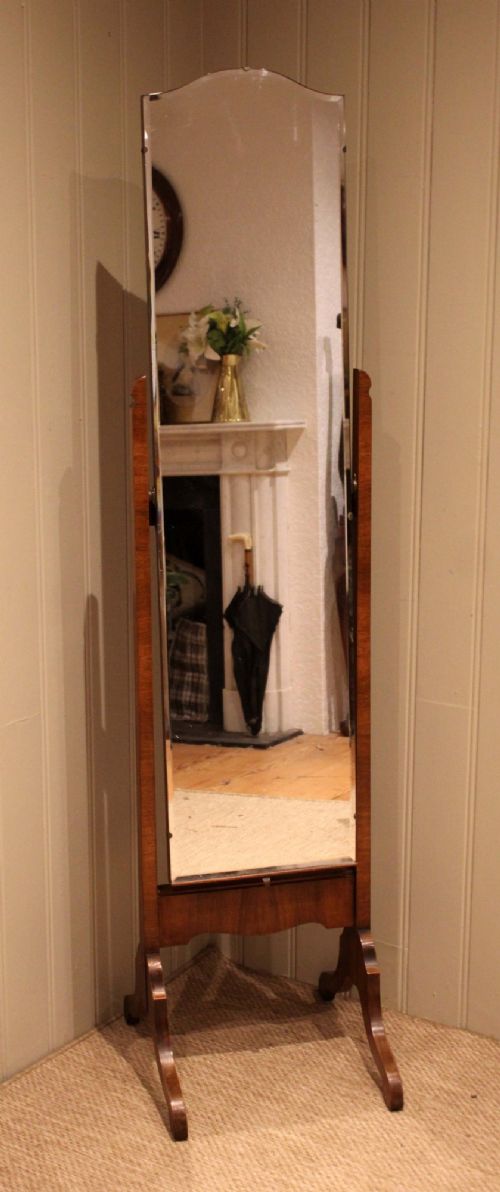
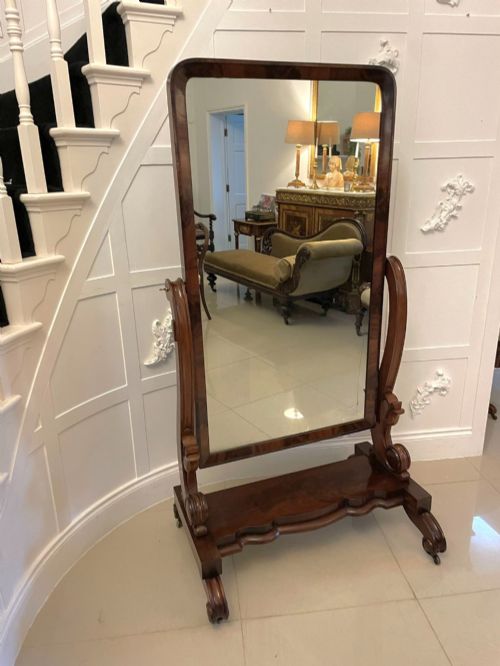
Cheval mirrors pivot within a freestanding frame, while wall-hanging and leaner versions utilise height to expand the sense of space in a room. Victorian and Edwardian pieces sit alongside nineteenth-century French designs.
How they were made
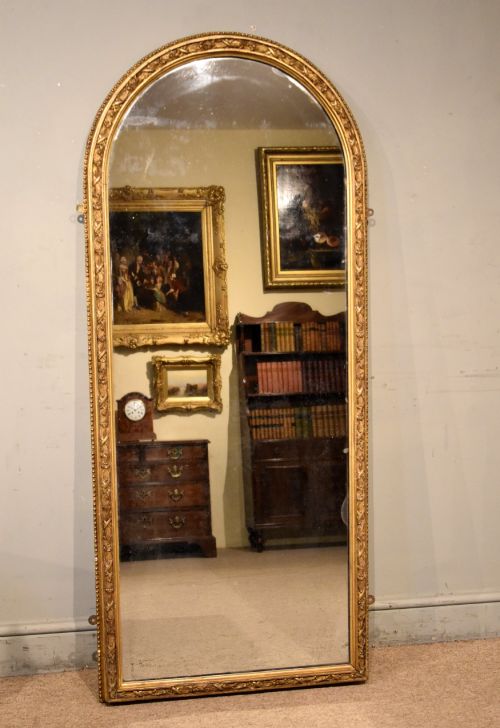
Frames rely on solid timbers like mahogany, walnut, and oak, joined with traditional cabinetmaking techniques to support heavy glass plates. Wood is frequently shaped, carved, and finished with gesso before receiving gilding or paint.
Giltwood and silver leaf applications involve applying thin metallic layers over prepared gesso surfaces on carved wood bases. Painted finishes use traditional pigments applied directly to the timber or gesso ground.
Tall Wood Dressing Mirror Retail Price Guide 2026
Typical asking prices for tall wood dressing mirror among the pieces listed under this phrase on Sellingantiques today, from the lower quarter to the upper quarter. They describe what is for sale here now, not the wider market.
One exceptional art deco cheval dressing mirror originates directly from a gents outfitters.
What varies in quality
The crispness of the carved wood ornamentation distinguishes standard production from finer work, particularly where gesso and giltwood details meet. Hand-carved flourishes show depth and precision that moulded compositions lack.
The quality of the mirror glass and the stability of the framing timber dictate longevity, with heavier cheval structures requiring robust joints to support the weight securely.
The Tall Wood Dressing Mirror Glossary
- Cheval mirror
- A freestanding mirror supported by a pivoting frame on legs or feet. This design allows the glass to tilt to various angles for full-length viewing.
- Gesso
- A plaster-like mixture applied to wood frames to create a smooth surface for gilding or painting. It is often modelled into relief ornament before finishing.
- Pier glass
- A tall mirror designed to hang on the wall between windows or above a low console table. They often feature elongated proportions suited to narrow spaces.
- Giltwood
- Timber that has been decorated with gold leaf or powder over a prepared ground. It provides a reflective, luminous finish popular in formal interior schemes.
Tall Wood Dressing Mirror: Frequently Asked Questions
Where should I place a tall dressing mirror?
These pieces suit bedrooms, dressing rooms, and hallway spaces where full-length reflection and added light benefit the room.
Freestanding cheval versions need floor space to pivot, while wall-hanging styles require secure fixings into structural walls to bear the weight.
How do I identify a Victorian mirror?
Victorian examples frequently utilise dense timbers such as mahogany and walnut, accompanied by deep mouldings and substantial framing. Their construction reflects mid to late nineteenth-century cabinetmaking methods.
Stylistic cues often include heavy carved details or simpler architectural lines depending on the specific decade of manufacture.
What is the difference between a pier mirror and a cheval mirror?
A pier mirror mounts directly to the wall, traditionally designed to fit the wall space between windows. They remain stationary and often feature a taller, narrower format.
A cheval mirror stands independently on a floor frame with pivots that let the glass tilt. They offer mobility and adjustable viewing angles.
How do I care for antique giltwood frames?
Dust giltwood and gesso surfaces gently with a soft, dry brush to prevent damage to the delicate metallic leaf. Avoid liquid cleaners and moisture, which can lift the gesso ground from the wood underneath.
Keep mirrors away from direct sunlight and fluctuating humidity to protect the timber frame and the silvering on the glass.