





Tall Walnut Display Cabinet
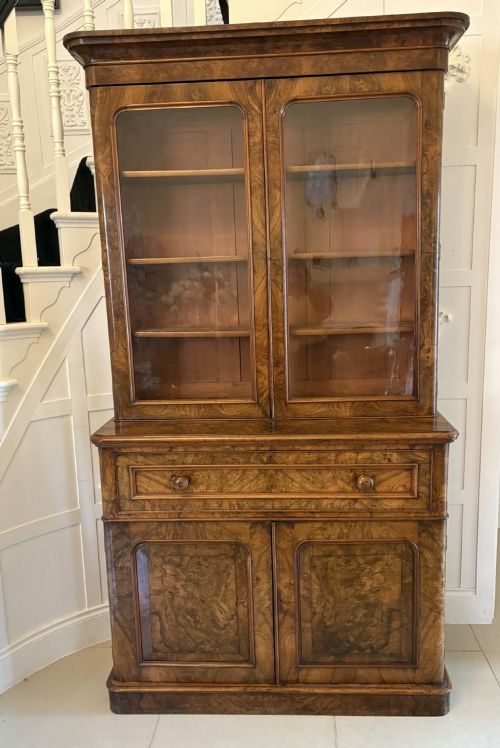
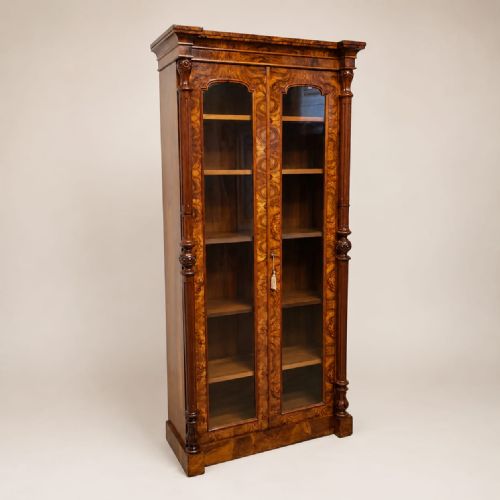
A tall walnut display cabinet brings warmth and vertical presence to a room, storing books and collections behind glass.
Tall Walnut Display Cabinet
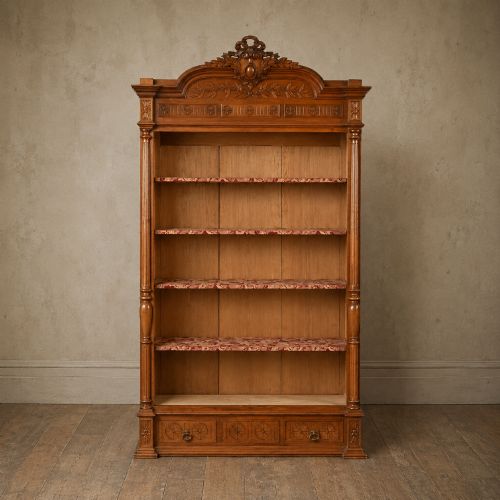
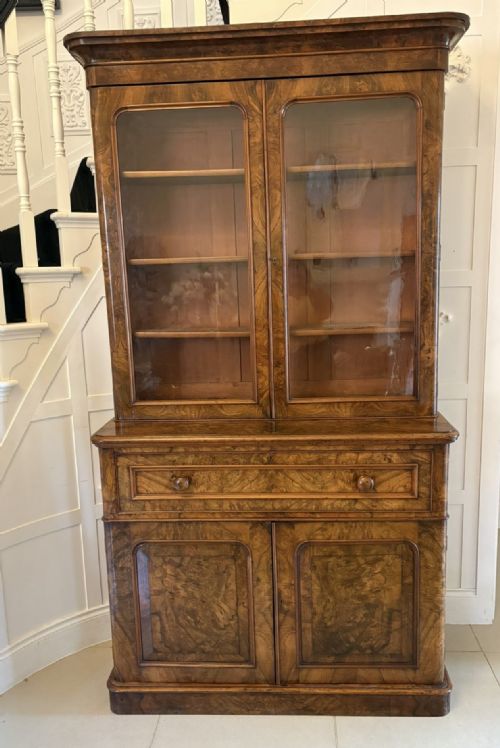
When you search for a tall walnut display cabinet, you are looking at substantial upright furniture designed to exhibit and protect belongings. These pieces take the form of glazed bookcases, vitrines, and pier cabinets that rise to command a wall.
The versions you are most likely to meet on this page span the eighteenth, nineteenth, and early twentieth centuries. They arrive in regional styles ranging from Victorian and Edwardian to Queen Anne revival, French provincial, and Spanish baroque.
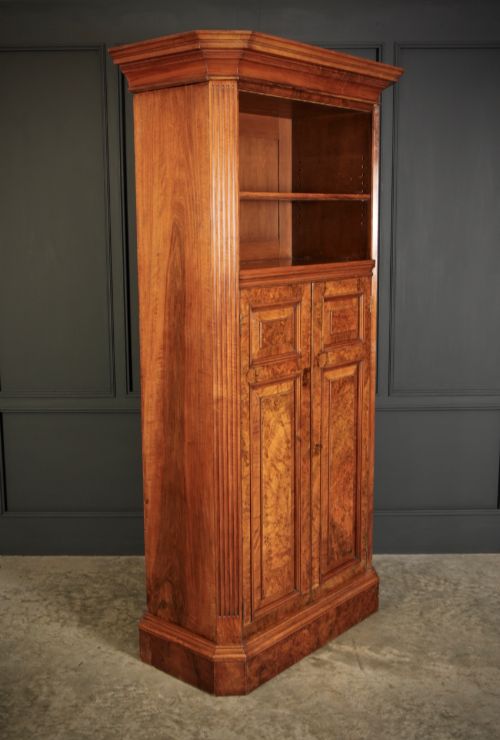
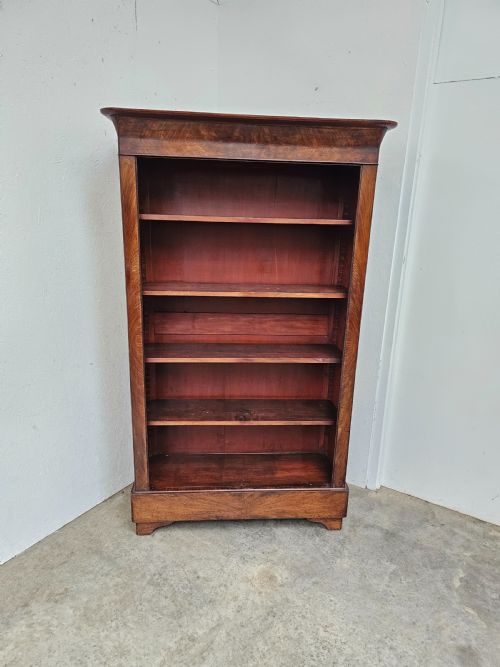
Many examples combine enclosed lower cupboards with upper glass shelving, while others present narrow profiles or corner formats. Timber foundations of solid wood and timber receive decorative surfaces of walnut veneer and burr walnut.
How they were made
Cabinet makers built these pieces using solid wood and timber frames, applying walnut veneer and burr walnut to visible exterior surfaces to create rich, figured grain patterns. Satinwood stringing and brass fittings frequently accent the primary timber.
Glazing techniques involve fitted glass panes held by astragal bars or door frames, allowing clear views into the shelved interior. Carved elements, marquetry, and architectural cornices appear across nineteenth-century and revival examples.
Listings feature walnut, burr walnut, and satinwood across Victorian, Edwardian, and Georgian revival periods.
What varies in quality
The standard of timber preparation and veneer selection largely defines the visual depth of the cabinet. Figured burr walnut and carefully matched grain patterns set finer examples apart from plainer timber surfaces.
Joinery execution in the doors, cornices, and internal shelving indicates the maker's hand. Well-fitted brass hardware and crisply executed carving distinguish the top of the range.
The Tall Walnut Display Cabinet Glossary
- Burr walnut
- A wood harvested from the warted growths on walnut trees, yielding intricate, swirling grain patterns. It is sliced into thin veneers for decorative surfaces.
- Astragal
- A moulding profile used to divide glass panes within a door. These wooden bars form geometric grid patterns across the glazed front.
- Vitrine
- A glass-fronted cabinet designed for displaying porcelain, curiosities, or books. The term originates from the French word for glass.
- Pier cabinet
- A narrow cabinet designed to stand against the wall space between windows. These pieces often feature glass doors and marquetry inlay.
- Secretaire
- A cabinet incorporating a pull-down writing desk drawer with internal compartments. It combines storage and display functions in a single upright piece.
Tall Walnut Display Cabinet: Frequently Asked Questions
What is a tall walnut display cabinet used for?
These cabinets serve primarily to store and display books, ceramics, and valued possessions behind protective glass doors. The vertical proportions allow them to fit into narrower wall spaces while offering substantial storage capacity.
Lower cupboard sections often provide concealed storage for items that do not require display. They function effectively in reception rooms, libraries, and studies.
How do I date a walnut cabinet?
Dating relies on examining construction methods, hardware, timber preparation, and stylistic markers such as cornice shapes and revival influences. Eighteenth-century pieces differ significantly in carcass assembly from Victorian or Edwardian productions.
Secondary woods used in the interior linings and drawer bottoms also offer clues to the period and regional origin. Comparing the carved details to documented styles helps narrow the decade of manufacture.
Where should I place a tall cabinet?
Position these upright pieces against sturdy interior walls away from direct sunlight and strong heat sources. Stable placement protects both the timber structure and the glass panes from warping or stress.
Allow sufficient clearance for doors to open fully, particularly on narrow or corner formats. Adequate room lighting enhances the visibility of items stored behind the glass.
How do I care for walnut furniture?
Maintain the timber by keeping indoor humidity levels stable and dusting regularly with a soft, dry cloth. Avoid using harsh chemical sprays or silicone polishes that can damage older veneer finishes.
Occasional application of appropriate wax feeds the timber and preserves the sheen of the walnut grain. Protect surfaces from moisture and excessive temperature fluctuations.