




Tall Sculpture Stands
Tall sculpture stands elevate busts, vases and figures to eye level, bringing architectural presence and display height to a room.
Tall Sculpture Stands
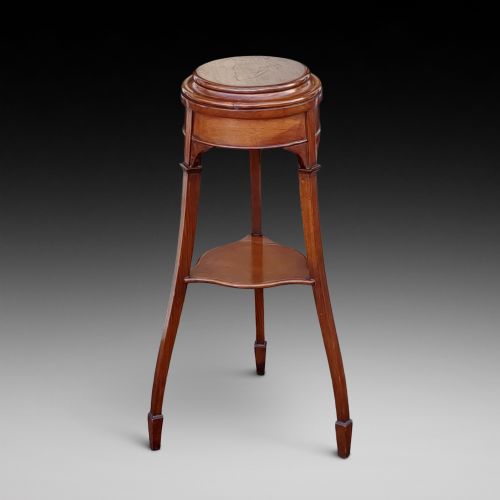
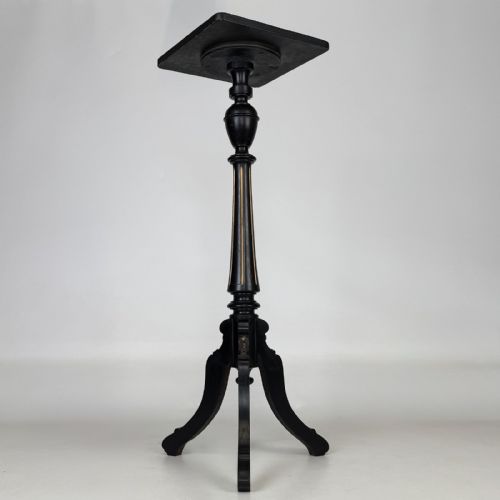
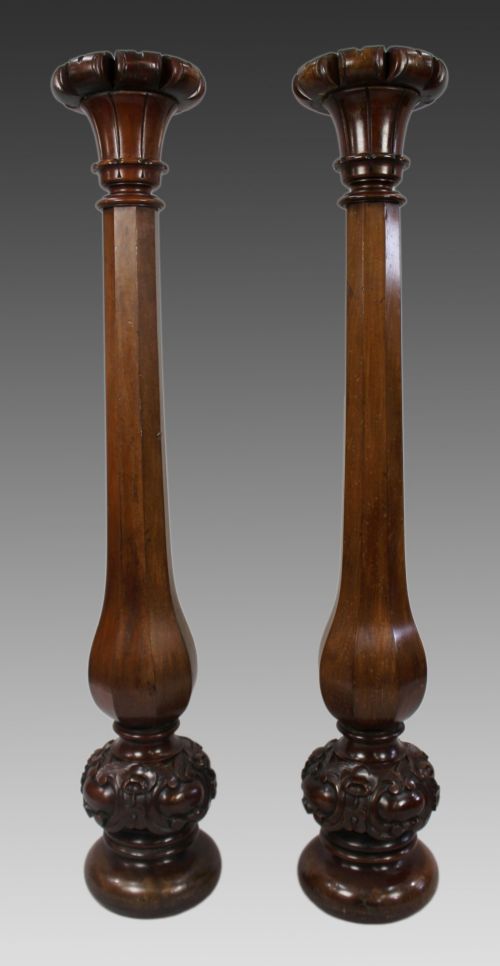
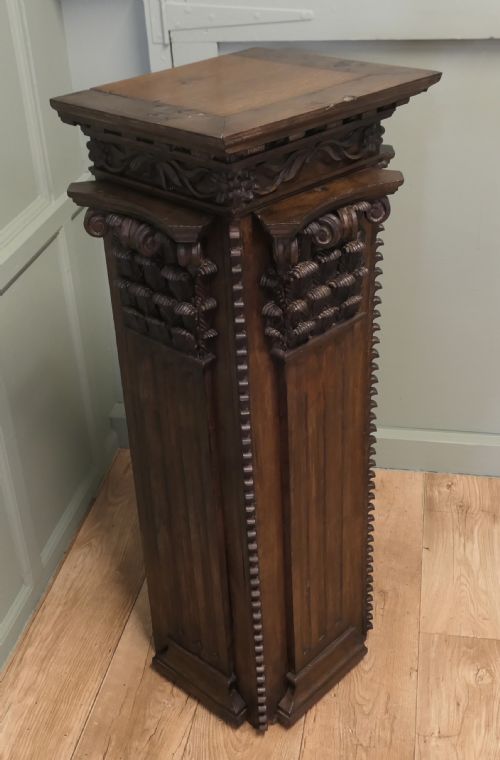
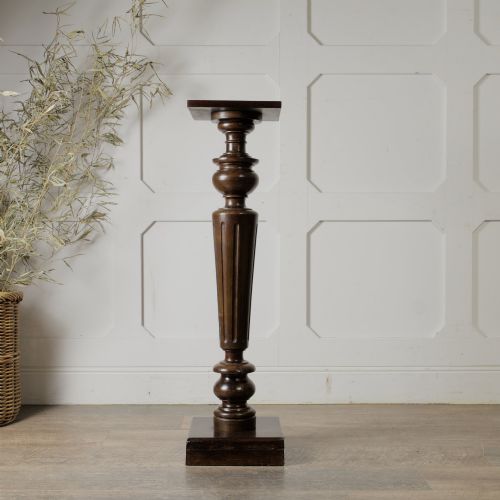
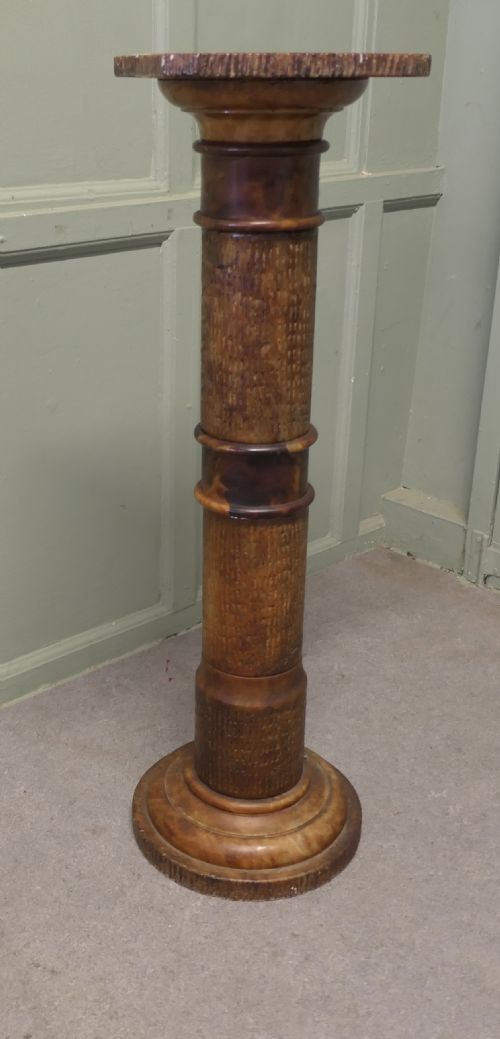
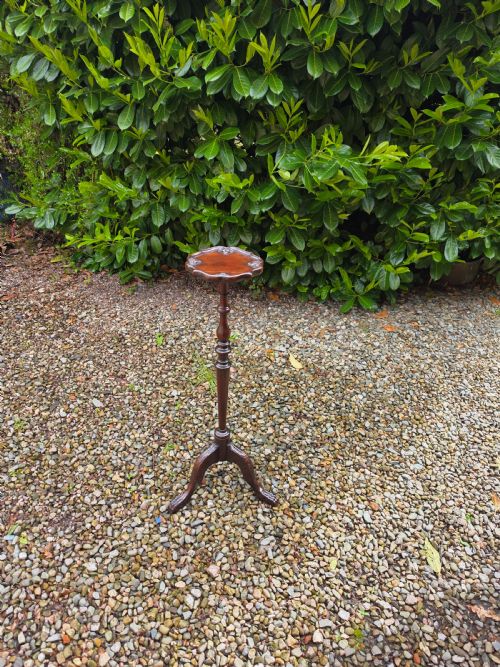
These tall sculpture stands encompass pedestals, columns, plinths and torcheres designed to support art objects and plants. When exploring tall sculpture stands, buyers encounter forms ranging from simple turned wooden shafts to elaborate neoclassical revivals.
The selections span the Victorian, Edwardian and Art Deco periods, utilising timber, stone and painted finishes. Most pieces derive from nineteenth and early twentieth-century workshops across Britain and continental Europe.
How they were made
Timbers such as mahogany, oak, walnut and birch form the structural core of wooden pieces, often shaped through turning, carving and ebonising. Cabinet makers constructed these supports to bear significant weight while maintaining slender proportions.
Stone elements incorporate solid marble, alabaster tops and faux marble painted surfaces applied to pine or plaster. Artisans utilised stone for top surfaces and column shafts to provide stability and a cool textural contrast to wooden bases.
Painted finishes frequently mimic costlier stones like marble or bronze, employing layered pigments on wood, plaster and iron. Workshops combined joinery, carving and surface decoration to achieve varied classical and revival aesthetics.
Tall Sculpture Stands Retail Price Guide 2026
Typical asking prices for tall sculpture stands among the pieces listed under this phrase on Sellingantiques today, from the lower quarter to the upper quarter. They describe what is for sale here now, not the wider market.
The inventory includes single display columns alongside matched pairs of torcheres and plant stands.
What varies in quality
The standard of carving and turning distinguishes utility stands from ambitious pieces made for grand interiors. Crisp detailing on capitals, fluted shafts and moulded bases indicates skilled hand execution rather than mechanical production.
Materials create a clear division in quality, with solid hardwoods and genuine statuary marble sitting above painted softwoods and plaster. Weight and structural rigidity reflect the density of the core materials and the joinery methods employed.
Proportion and stability dictate the success of a tall stand, ensuring the top platform remains level and secure under heavy loads. Superior examples maintain balanced geometry even when executed at impressive heights.
The Tall Sculpture Stands Glossary
- Pedestal
- A structural support used to elevate a sculpture, vase or bust. These columns typically feature a distinct base, a vertical shaft and a flat top platform.
- Torchiere
- A tall stand historically designed to hold a light source or candelabrum, now frequently utilised for displaying figures and plants. The form often resembles a slender classical column.
- Plinth
- The lowest square block of a column or pedestal, or a standalone flat-topped base supporting a statue. This element grounds the vertical thrust of the stand.
- Neoclassical
- A revival style drawing on classical Greek and Roman architecture, marked by clean lines, fluted columns and restrained ornament. Pieces in this style often feature bronze, marble or mahogany.
- Ebonised
- Timber treated with a chemical stain or black finish to imitate expensive ebony. This technique gained popularity during the Victorian period for dramatic contrast.
Tall Sculpture Stands: Frequently Asked Questions
What can I place on these stands?
These sturdy platforms support heavy bronze figures, marble busts, large ceramic vases and potted plants. Their elevated position draws the eye upward and showcases sculptural details from multiple angles.
Heavier stone columns suit monumental bronzes, while slender wooden torcheres work well with trailing plants or lighter decorative objects. Ensuring the weight distribution remains central keeps the display secure.
How do I date a wooden pedestal?
Dating relies on timber selection, tool marks visible beneath the base and prevailing revival styles of the period. Victorian and Edwardian examples often employ solid mahogany or oak with traditional joinery.
Secondary woods and surface wear patterns provide further clues to age. Stylistic markers like neoclassical reeding or Art Deco walnut veneers help narrow down the decade of manufacture.
Are marble columns very heavy?
Solid marble and alabaster stands possess considerable weight to provide a stable centre of gravity for display items. This mass prevents the tall structures from tipping easily.
Positioning requires careful planning because the heavy stone components are difficult to move once assembled. Many pieces separate into distinct sections, such as base, shaft and capital, for transport.