

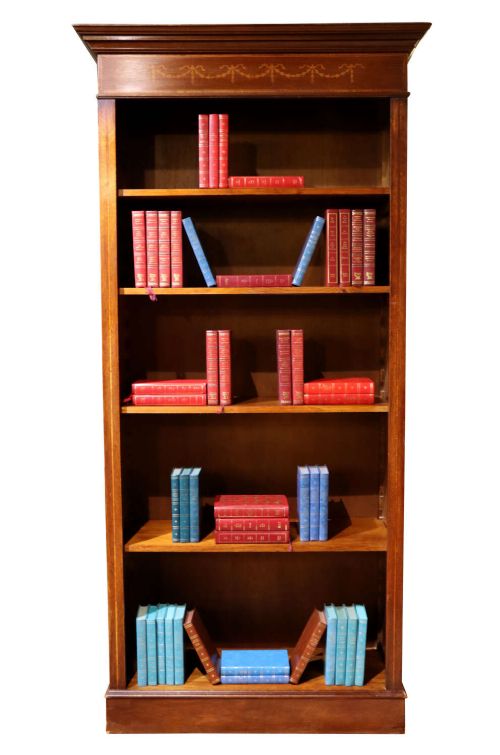
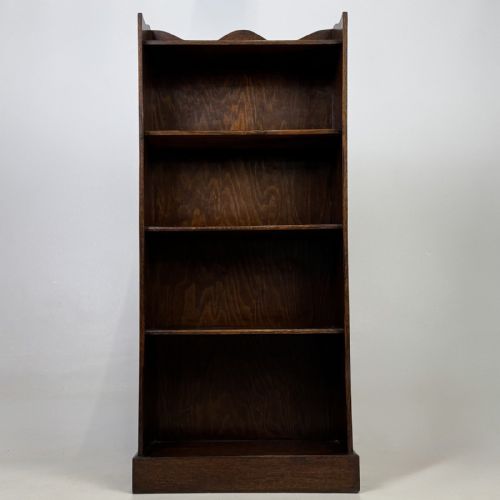
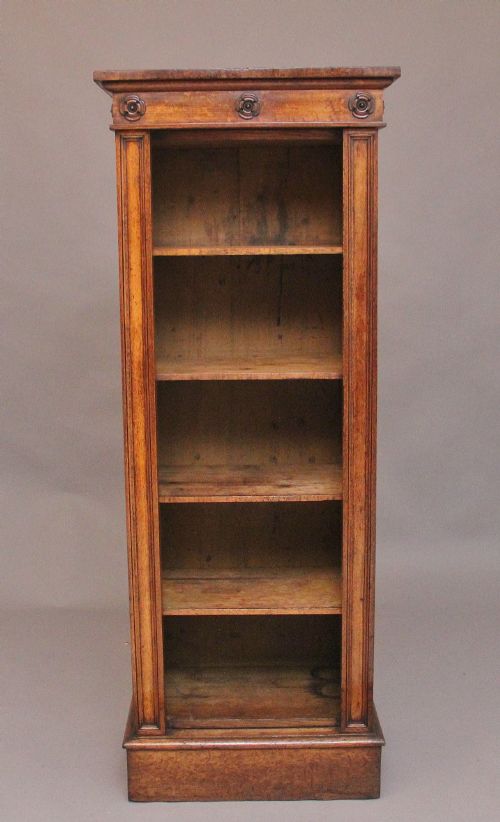
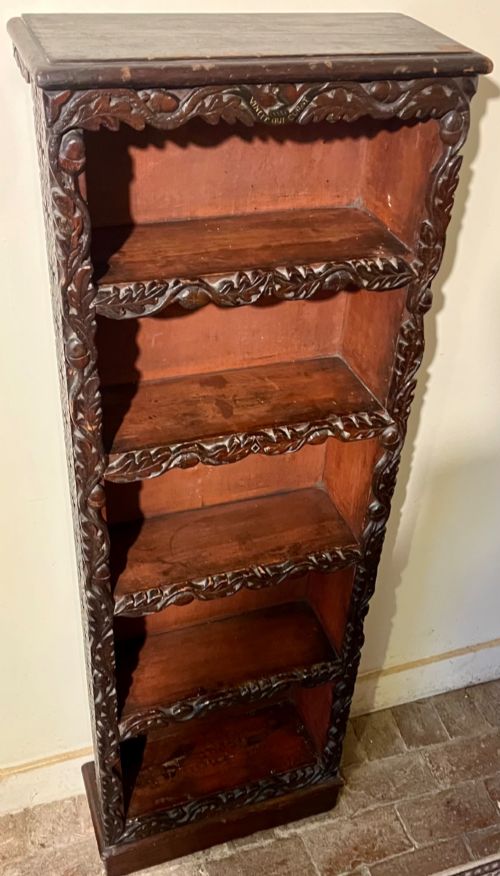

Tall Open Book Unit
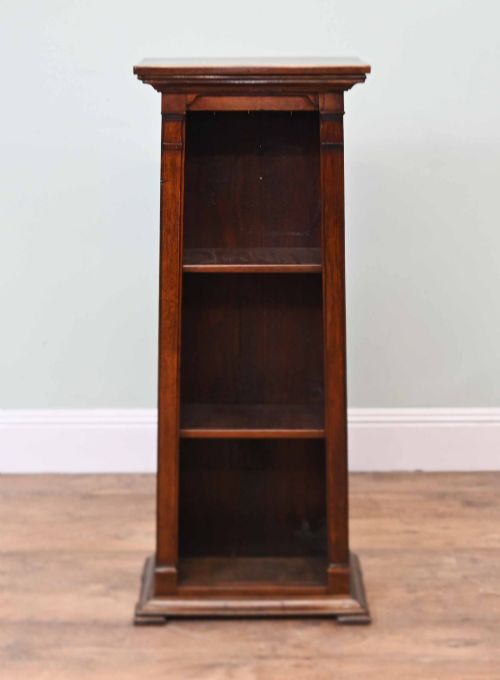
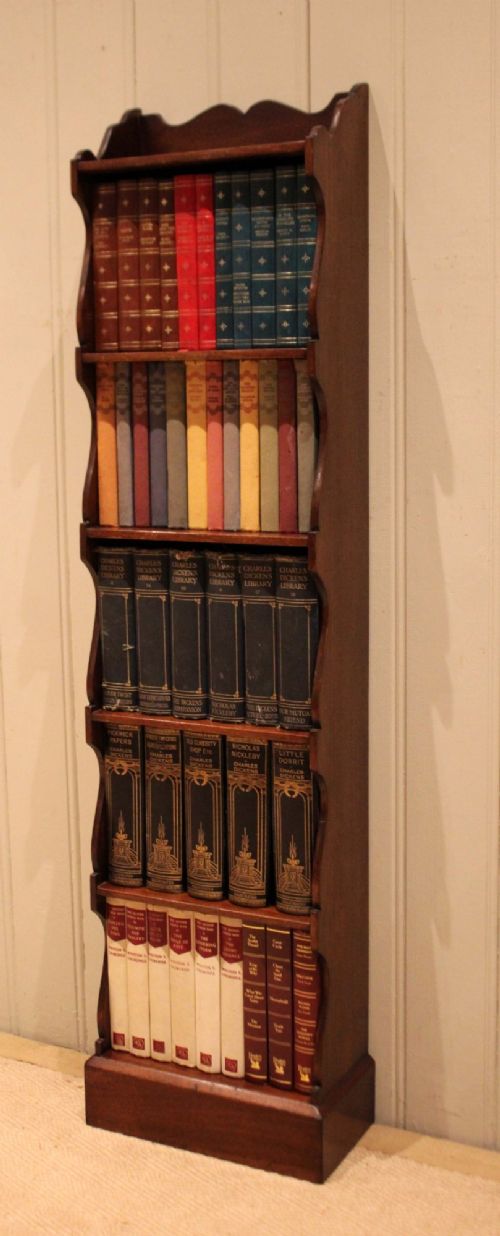
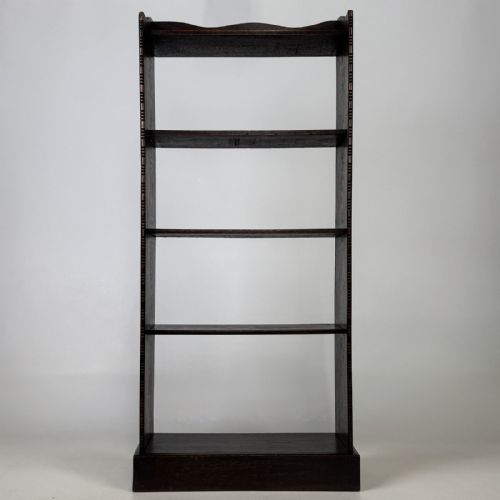
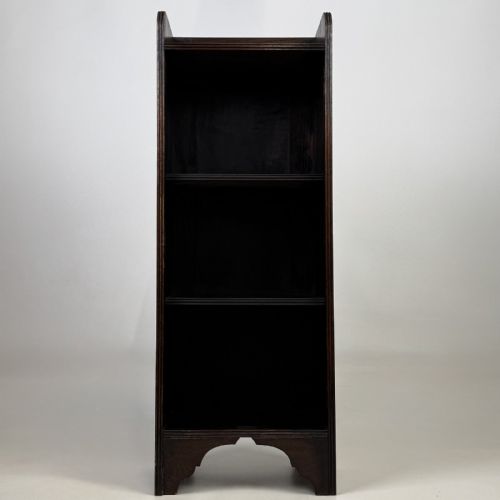
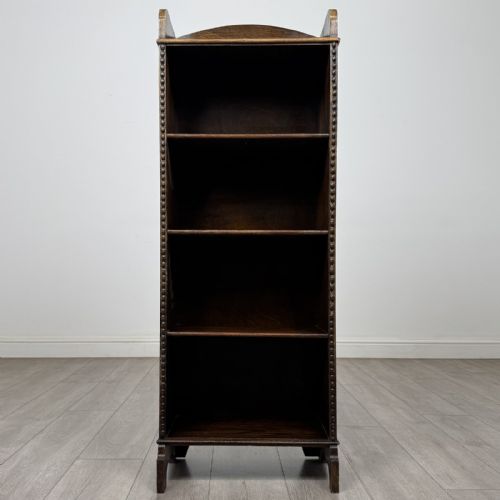
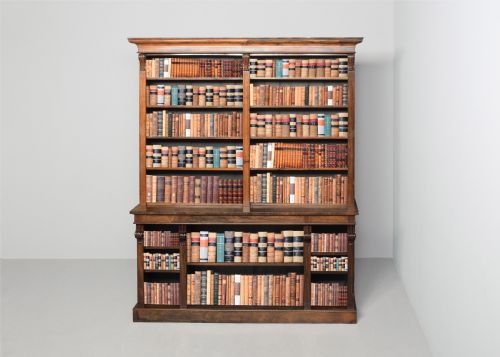
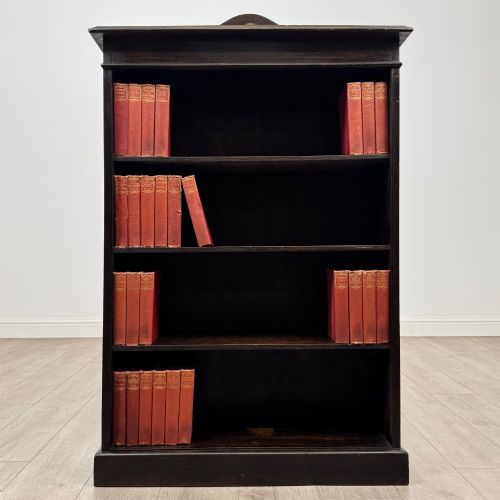
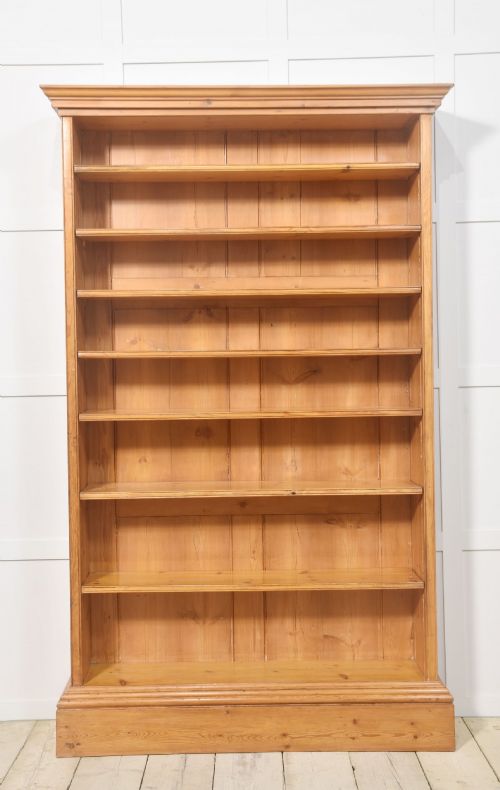
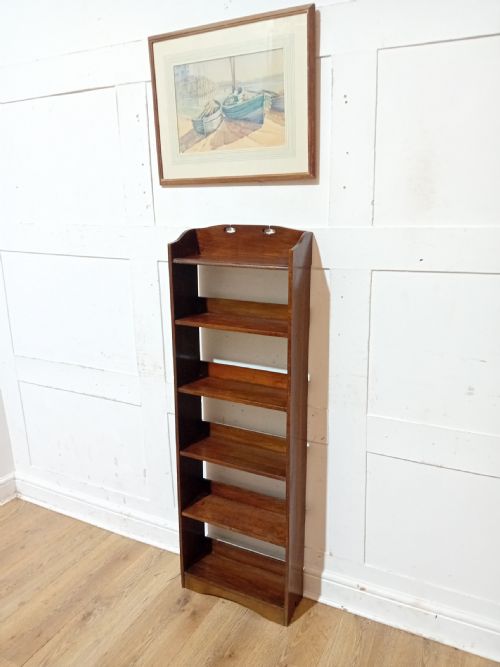
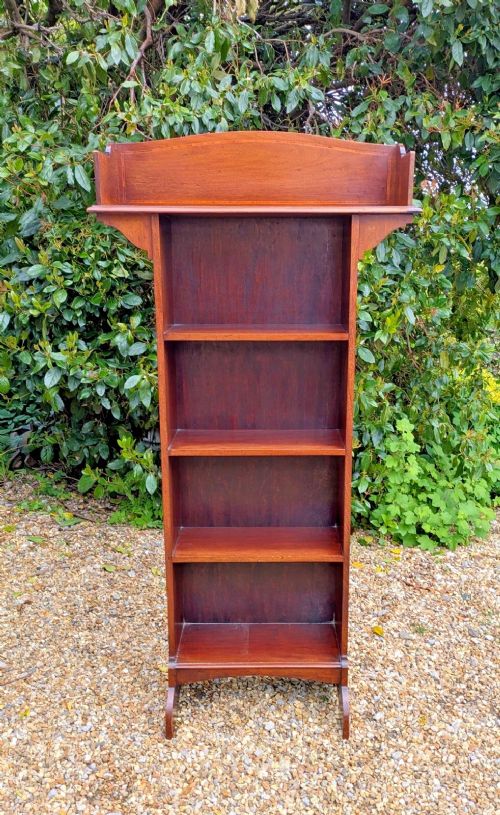
A tall open book unit brings practical vertical storage to a room, offering ready access to collections through unglazed shelves.
Tall Open Book Unit
When you search for a tall open book unit, you encounter pieces designed primarily for library and domestic storage across the nineteenth and early twentieth centuries. These items range from Victorian and Edwardian examples to later Arts and Crafts and Art Deco interpretations.
The most frequent version on this page is constructed from timber with multiple open shelves, often featuring adjustable heights to accommodate varying volumes. These bookcases span styles from austere rustic pine to refined mahogany and oak constructions.
Materials and Construction
Cabinet makers utilised hardwoods and softwoods including oak, mahogany, walnut, rosewood, and pine. Timber selection defined the character of the piece, from the dense grain of mahogany to the pale practicality of deal wood.
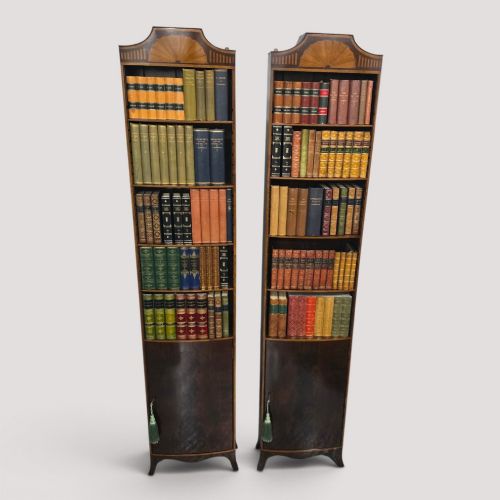
Joinery methods involved traditional panel construction and fitted shelving systems. Many pieces incorporated adjustable shelf mechanisms, raised galleries, or subtle satinwood inlay to add detail to the upright vertical frames.
Tall Open Book Unit Retail Price Guide 2026
Typical asking prices for tall open book unit among the pieces listed under this phrase on Sellingantiques today, from the lower quarter to the upper quarter. They describe what is for sale here now, not the wider market.
Materials utilised across the current selection include oak, mahogany, pine, walnut, rosewood, and teak.
Distinctions in Standard
The standard of a tall open book unit depends upon the choice of timber and the precision of the cabinet work. Dense, stable hardwoods like rosewood and mahogany command attention through superior grain and heavier structural integrity.
Detailing distinguishes finer examples from utilitarian ones. Mouldings, beaded edges, and integrated inlay work reveal the maker's hand, while robust adjustable shelf supports ensure enduring utility.
Wylie Lochhead of Glasgow·E.A. Taylor
The Tall Open Book Unit Glossary
- Open bookcase
- A shelving unit without doors designed for immediate access to books. It prioritises open display over enclosed protection.
- Adjustable shelves
- Internal boards that can be moved to different heights using pegs or ratchets. This system accommodates books of varying sizes.
- Raised gallery
- A low decorative railing around the top surface of a piece. It prevents items placed on top from sliding off.
- Satinwood inlay
- Contrasting pale timber inserted into the primary wood surface in geometric or floral patterns. It provides ornamental detail to the facade.
Tall Open Book Unit: Frequently Asked Questions
What is a tall open book unit?
A tall open book unit is a vertical storage piece with unglazed shelves designed to hold collections of books. It provides direct, door-free access to volumes in a domestic setting.
These pieces vary in height and width, utilising woods such as oak, mahogany, and pine to suit different interior spaces.
How do I date a wooden bookcase?
Dating relies on observing the timber species, construction techniques, and stylistic markers present in the piece. Victorian and Edwardian examples often feature specific decorative mouldings and hardware associated with their respective decades.
Later pieces from the Arts and Crafts or Art Deco periods show distinct geometric influences or simpler, functional lines without traditional revival ornament.
Are the shelves usually adjustable?
Many tall open book units incorporate adjustable shelving systems to accommodate books of different heights. These systems use slots, peg supports, or ratchets within the interior uprights.
Fixed shelves also appear, particularly in simpler utilitarian pine or deal wood constructions intended for basic storage.
Where should I place a tall bookcase?
A tall open book unit suits studies, living rooms, and libraries where vertical wall space is available. Because the shelves are open, placement away from direct heat sources helps protect the stored volumes.
Pairing the height of the unit with adequate floor clearance ensures the piece anchors the room visually without overwhelming smaller spaces.