


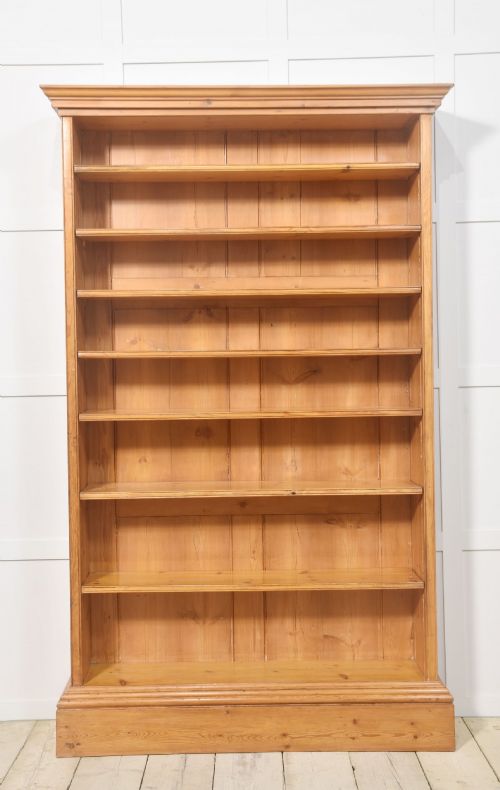


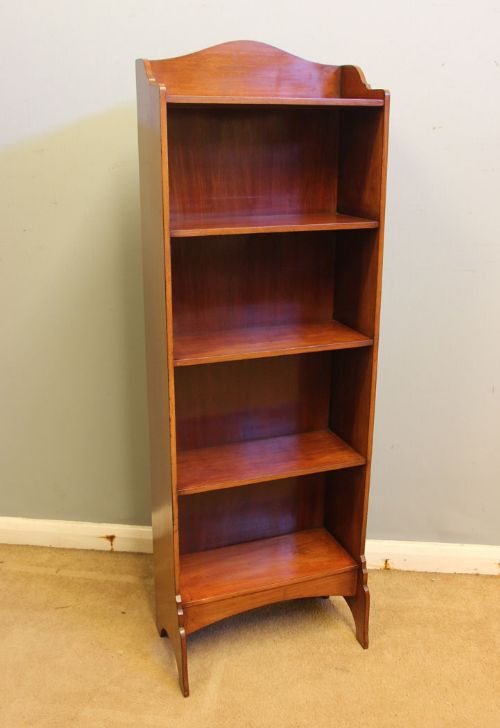


Tall Display Rack
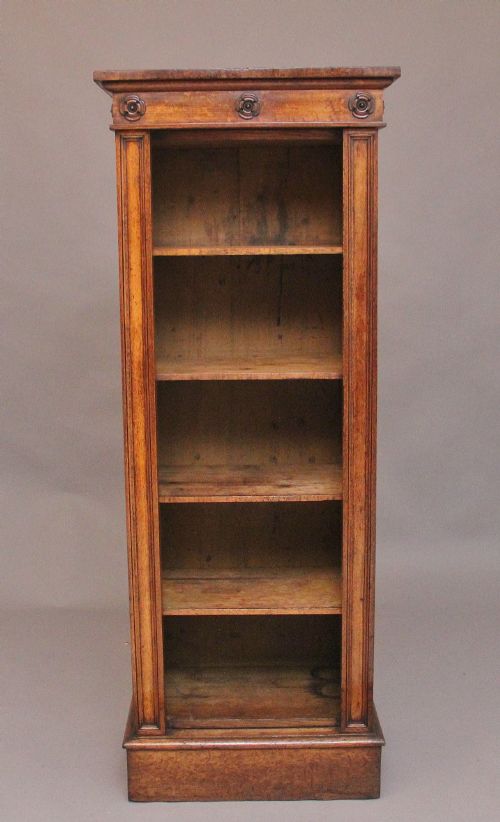
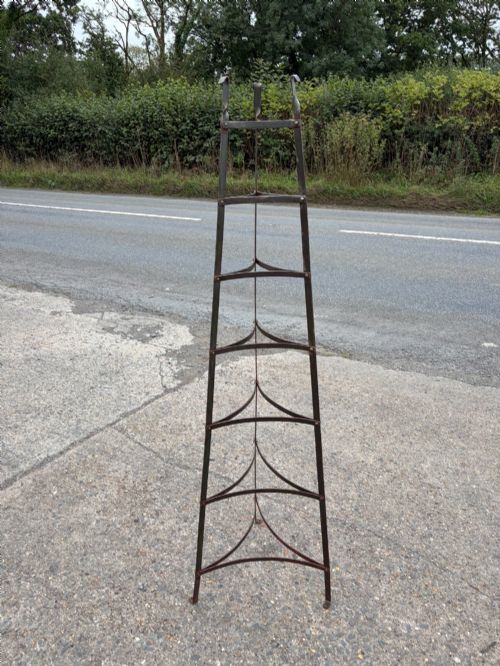
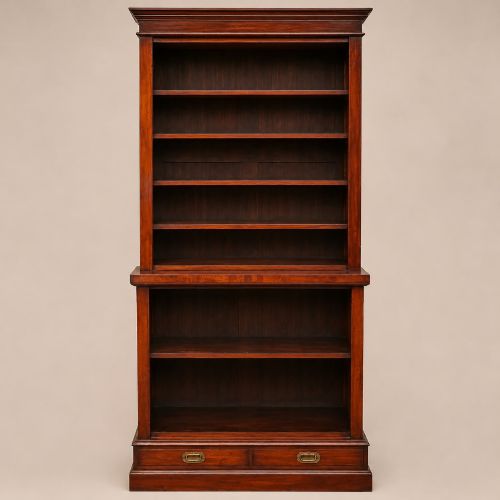
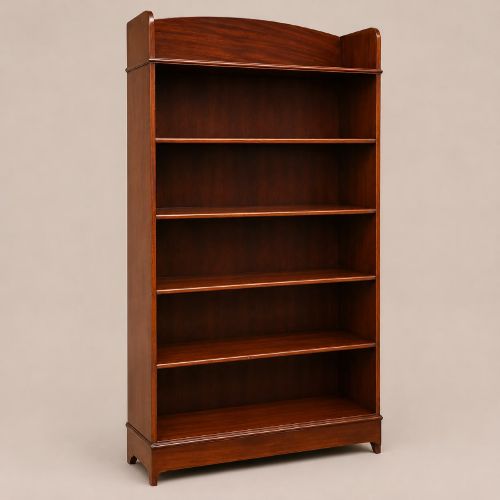
These tall display rack examples span open bookcases, étagères, and shop stands designed to elevate books, plants, and curios vertical to the floor.
Tall Display Rack
A tall display rack primarily takes the form of open bookcases, étagères, and specialised shelving units originating from periods such as the Victorian era, the Edwardian years, and the 1930s. Buyers searching for a tall display rack encounter sturdy mahogany and oak pieces alongside metal shop stands and pine storage shelves.
Most pieces on this page are open bookcases or tiered whatnot shelves spanning the nineteenth and early twentieth centuries. These upright structures provide vertical storage whilst keeping objects visible from multiple angles in a room.
How they were made
Makers utilised solid timbers including mahogany, oak, and pine to build the main vertical frames and tiered shelves. Brass and iron elements appear in structural brackets, revolving mechanisms, and industrial shop display stands.
Surfaces receive finishes such as white paint, beaded edge detailing, or traditional polish to protect the wood and metal components. Joinery traditions across these pieces range from simple open shelving construction to rotating axes on revolving bookcases.
Tall Display Rack Retail Price Guide 2026
Typical asking prices for tall display rack among the pieces listed under this phrase on Sellingantiques today, from the lower quarter to the upper quarter. They describe what is for sale here now, not the wider market.
A solitary white painted pot stand proves that even modest nineteenth-century ironwork deserves a turn in the spotlight.
What varies in quality
The choice of primary timber dictates much of the physical presence, with dense figured mahogany and select oak sitting at a different level from utilitarian pine and painted storage shelves. Finer examples display careful attention to edge mouldings, such as beaded borders on shelves.
Structural integrity in taller vertical forms depends on the rigidity of the uprights and the soundness of any revolving or tiered mechanisms. Simpler shop stands and utility racks rely on robust iron or brass fittings to sustain their height.
The Tall Display Rack Glossary
- Etagere
- A piece of furniture consisting of a set of open shelves for displaying small objects or ornaments. It typically stands tall and slender in a room.
- Revolving bookcase
- A bookcase built on a rotating pivot that allows access to books from all sides. This form became popular for desk or floor use in the nineteenth century.
- Open bookcase
- A bookcase lacking glazed or wooden doors, allowing direct access to the contents. These units rely on upright sides and fixed or adjustable shelves.
Tall Display Rack: Frequently Asked Questions
Where do I put a tall display rack?
These tall upright units suit living rooms, studies, or hallways where vertical wall space allows for elevated storage without occupying excessive floor area. Open shelving forms work particularly well against plain walls to showcase books and collections.
Ensure the tall structure sits on level flooring and consider securing heavier wooden bookcases to the wall for stability.
How do I clean mahogany shelves?
Dust mahogany surfaces regularly with a soft, dry cloth to prevent particulate buildup on the polished wood. Avoid harsh chemical cleaners that can degrade antique polishes and finishes.
Occasional application of appropriate wax polish helps maintain the lustre of Victorian and Edwardian timber pieces.
What fits on an étagère?
An étagère accommodates smaller decorative items, ceramics, and books across its multiple open tiers. The graduated or uniform shelf heights allow for varied arrangements of curiosities.
Heavier volumes sit best on the lower shelves, whilst lighter decorative objects occupy the upper tiers.
Are these racks sturdy?
Construction materials such as oak, mahogany, wrought iron, and brass provide substantial structural support for daily use. Pieces built with solid timber frames handle routine book storage and display duties reliably.
Heavier iron shop stands and revolving units are engineered to bear considerable weight whilst maintaining balance on their bases.