



Tall Brass Pedestal
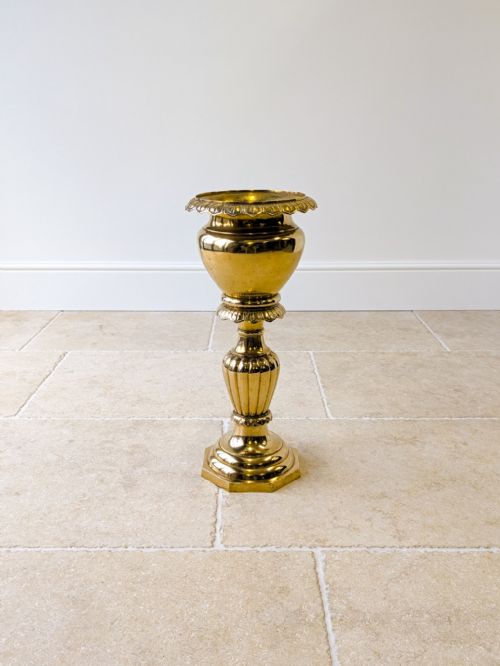
A tall brass pedestal provides a commanding elevation for a lamp or plant, bringing structural height and polished metalwork to a room.
Tall Brass Pedestal
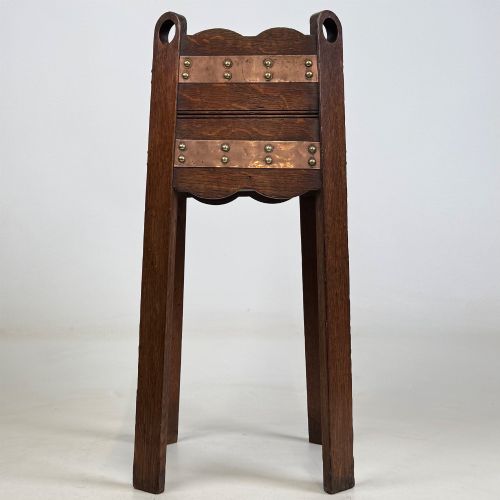
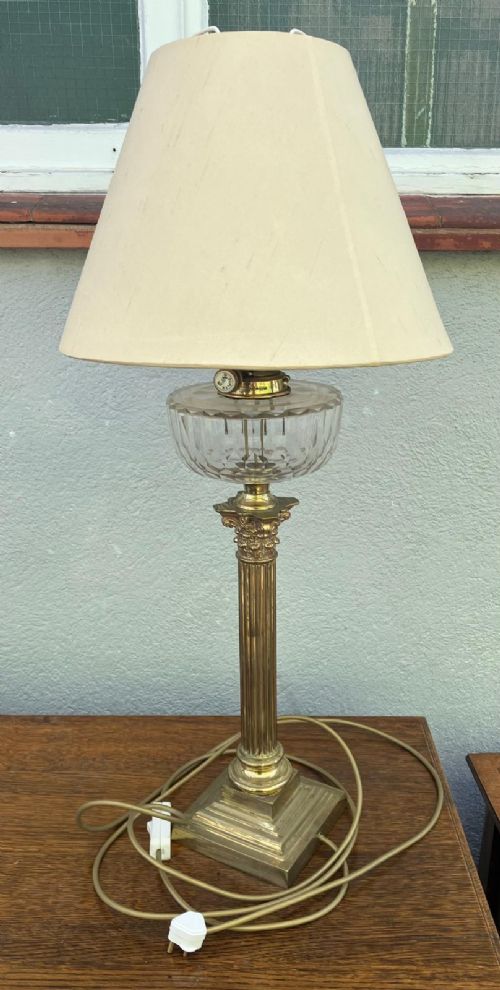
When searching for a tall brass pedestal, buyers encounter plant stands, torchere stands, and column lamps dating from the nineteenth century through the 1930s. These pieces combine brass bases or mounts with surfaces of marble, mahogany, or oak, often reflecting Edwardian, Neoclassical, or Art Nouveau tastes.
The most frequent examples on this page are plant stands and torchere stands from the Edwardian period and around 1900, alongside column lamps in brass. They serve utilitarian and decorative roles in interiors, supporting plants, lighting, or decorative objects upon elevated platforms.
How they were made
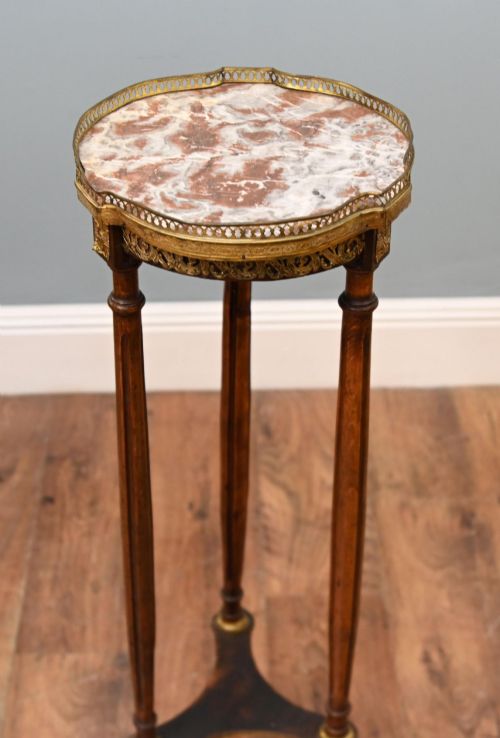
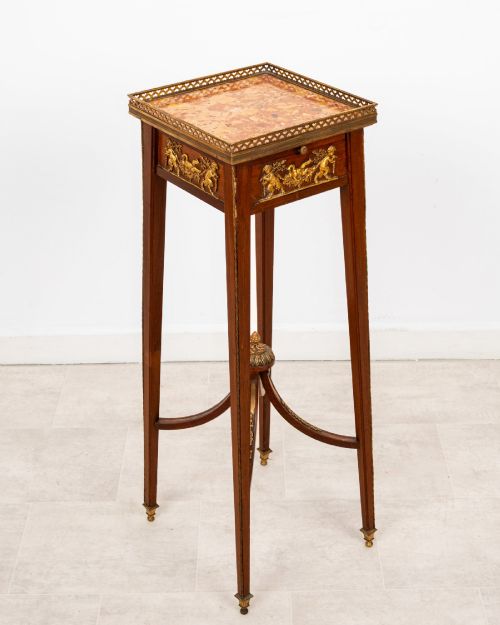
Makers utilised cast and turned brass for columns, scroll bases, and gallery rails, pairing the metal with dense timbers like mahogany, oak, and walnut. Marble inserts in rouge or onyx varieties provide durable, polished surfaces for the tops of stands and tables.
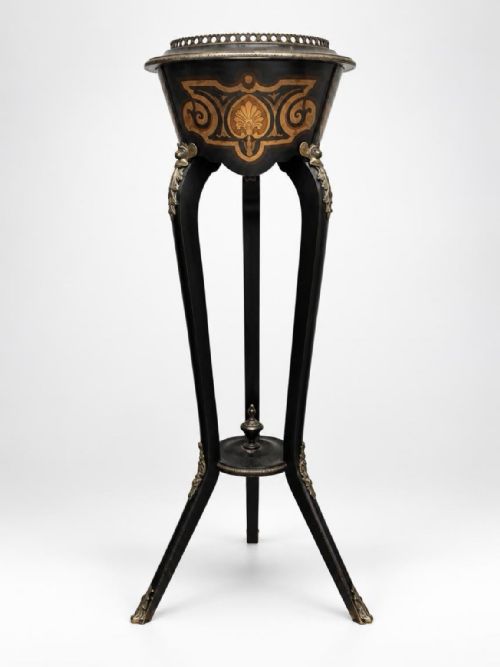
Joinery techniques range from coopered barrel construction in oak planters to intricate turning on wooden shafts and classical Corinthian detailing in cast brass. Ormolu and specialised wood veneers such as kingwood appear on French-influenced pieces from the early twentieth century.
Tall Brass Pedestal Retail Price Guide 2026
Typical asking prices for tall brass pedestal among the pieces listed under this phrase on Sellingantiques today, from the lower quarter to the upper quarter. They describe what is for sale here now, not the wider market.
Materials recorded across the inventory include brass, mahogany, marble, oak, ormolu, and walnut.
What varies in quality
Quality rests in the crispness of the brass casting, particularly on Corinthian capitals and scrollwork, where sharper detail distinguishes finer workshops from simpler production. The weight of the metal and the integrity of the joints dictate the overall stability of an elevated stand.
The selection of secondary materials plays a role, as dense marbles, choice cuts of mahogany or gonçalo-alvez, and well-fitted wooden galleries separate standard utility items from more ambitious decorative examples.
The Tall Brass Pedestal Glossary
- Torcherere
- A tall stand designed to support a candelabrum, lamp, or decorative urn. These pieces elevate light sources or plants to eye level.
- Jardiniere
- An ornamental container or stand for holding plants or flowers. They often feature brass mounts or liners paired with oak or ceramic bodies.
- Corinthian
- A classical architectural order identified by ornate capitals decorated with acanthus leaves. This motif frequently appears on the columns of tall brass lamps and stands.
- Ormolu
- Gilded bronze used for decorative mounts and ornamentation on furniture. The technique creates a bright gold-coloured finish on metal details.
- Galleried
- Featuring a low pierced rail or rim around the edge of a table top. This edge prevents items from sliding off the elevated surface.
Tall Brass Pedestal: Frequently Asked Questions
What were tall brass pedestals used for?
These pieces served primarily to elevate plants, lamps, or decorative urns within domestic interiors, lifting focal points off the floor. They functioned both as practical supports in corners or hallways and as decorative display furniture.
In period rooms, matching pairs often flanked doorways or fireplaces, creating symmetry and drawing the eye upward toward architectural details.
How do I identify an Edwardian pedestal?
Edwardian examples often combine lighter timbers such as oak or mahogany with slender brass detail, reflecting a refined domestic scale. Look for Edwardian plant stands utilising coopered wooden barrels alongside polished brass bands and scroll feet.
Proportions during this era tended toward slender elegance rather than the heavier mass of earlier Victorian designs, matching the brighter interiors of the early twentieth century.
Are marble tops original to these stands?
Marble tops on plant stands and occasional tables are typically original to the design, providing a cool, durable surface resistant to water from potted plants. Rouge and onyx marble inserts were favored in French-influenced pieces around 1900.
When examining a marble top, check that the stone sits flush within the brass or wooden gallery and matches the period construction underneath.
How do I clean brass pedestals safely?
Maintenance requires gentle dusting and occasional cleaning with a soft cloth to preserve the natural patina accumulated over decades. Avoid harsh chemical polishes that strip the aged character from cast brass components.
If the piece incorporates wood or marble, use cleaning agents specific to those materials to prevent damage to the surrounding metal mounts.