

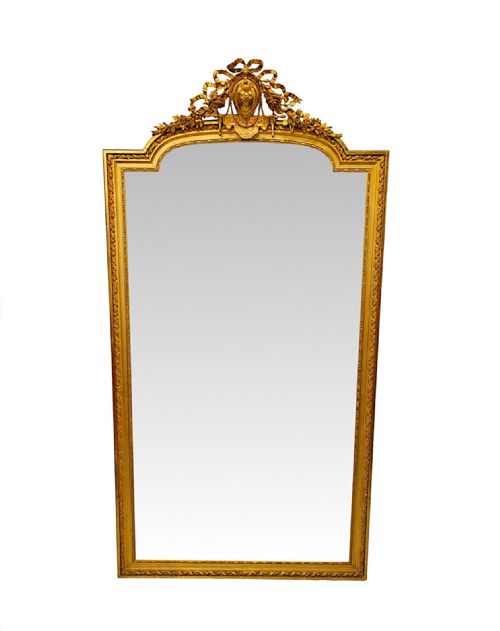
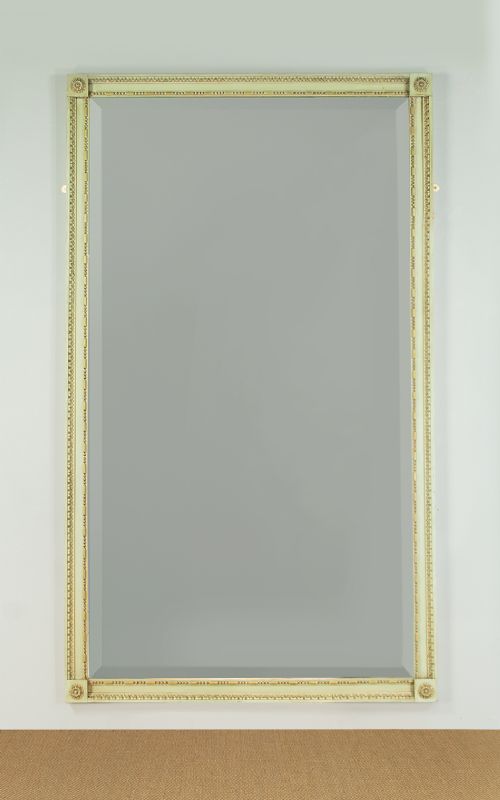

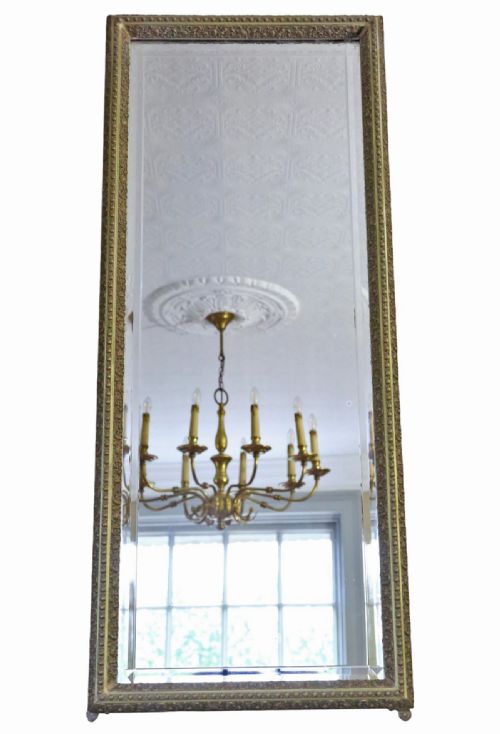


Tall Bevelled Mirror
A tall bevelled mirror brings instant depth and light to a room, drawing the eye upward with its vertical proportions and angled edge.
Tall Bevelled Mirror
When you search for a tall bevelled mirror, you are looking at substantial vertical looking glasses designed for walls, dressing rooms, and halls. These pieces serve practical and decorative functions across multiple historic periods, from Victorian hallways to Edwardian dressing rooms.
The most common versions on this page span the nineteenth and early twentieth centuries, alongside revival pieces referencing earlier eras like Queen Anne and George I. You will encounter wall mirrors, full-length floor mirrors, pier mirrors, and hall mirrors in various upright formats.
Originating from diverse stylistic traditions including Aesthetic Movement, Art Deco, Louis XVI, and Venetian designs, these mirrors utilise distinct regional aesthetics. Each surviving piece reflects the interior demands of its original period, whether for a grand reception space or a gentlemen's outfitter shop.
How they were made
Makers constructed these frames using timber foundations such as oak, walnut, rosewood, and softwood, often applying elaborate surface treatments. Giltwood and gesso finishes provide the characteristic metallic sheen on decorative frames, requiring skilled carving and application techniques.
The glass plates feature distinct hand-bevelled edges, a process that angles the perimeter of the mirror plate to catch and refract light. Older plates occasionally display foxing, where natural oxidation beneath the silvering creates dark spots over time.
Frames incorporate structural elements appropriate to their intended placement, from freestanding cheval pivots to heavy wall-mounting brackets. Joinery and carving methods align with the prevailing craftsmanship of periods ranging from the eighteenth century to the 1930s.
Tall Bevelled Mirror Retail Price Guide 2026
Typical asking prices for tall bevelled mirror among the pieces listed under this phrase on Sellingantiques today, from the lower quarter to the upper quarter. They describe what is for sale here now, not the wider market.
Listings feature items from the eighteenth century, Victorian era, and early twentieth century, utilising glass, giltwood, gesso, walnut, and rosewood.
What varies in quality
The sophistication of the frame carving and the integrity of the gilding set superior examples apart from simpler utilitarian items. Hand-carved giltwood and gesso ornamentations demonstrate a higher level of artisan skill than cast or moulded embellishments.
The quality of the glass plate and the precision of the bevel edge dictate visual clarity and depth. Original mirror plates that retain their historic character without inappropriate modern replacements hold greater interest for collectors.
Proportion and structural soundness determine the overall success of the piece within its historical style. Well-balanced frames that maintain their original backing boards and hardware represent the upper tier of surviving examples.
John Belchier
The Tall Bevelled Mirror Glossary
- Bevelled glass
- A mirror plate with an angled edge polished around the perimeter. This technique creates a prismatic border that catches light.
- Pier mirror
- A tall, narrow looking glass designed to hang on the wall space between windows. These pieces often feature matching console tables below them.
- Gesso
- A plaster-like mixture applied to wood frames and carved or gilded. It provides a smooth base for gold leaf application.
- Foxing
- The natural ageing of a mirror plate where chemical changes cause small dark spots. This oxidation develops beneath the glass surface over decades.
- Cheval mirror
- A full-length looking glass hung in a vertical frame on pivots. This allows the plate to tilt back and forth.
- Giltwood
- Timber carved and coated with gold leaf or metallic paint. It produces a bright, reflective surface popular in formal interiors.
Tall Bevelled Mirror: Frequently Asked Questions
What is a pier mirror used for?
Pier mirrors were traditionally hung on the narrow wall between two windows, known as the pier. They maximised natural light by reflecting illumination back into the room.
Over time, these tall vertical glasses migrated to hallways and reception spaces to create an impression of greater architectural scale.
How do I date an antique mirror?
Dating relies on examining the frame style, construction techniques, and the characteristics of the glass plate itself. Older plates often show slight distortions, hand-bevelled edges, or natural foxing.
Backboards, screw types, and joinery methods provide additional clues to confirm whether a piece belongs to the Victorian, Edwardian, or earlier periods.
Can I clean foxed mirror glass?
Foxed glass should be cleaned with gentle, non-abrasive solutions applied to a cloth rather than sprayed directly onto the surface. Avoid harsh chemicals that might seep behind the plate.
The dark spots caused by oxidation are part of the historic character and cannot be removed without resilivering the glass.