





Tall Pine Armoire
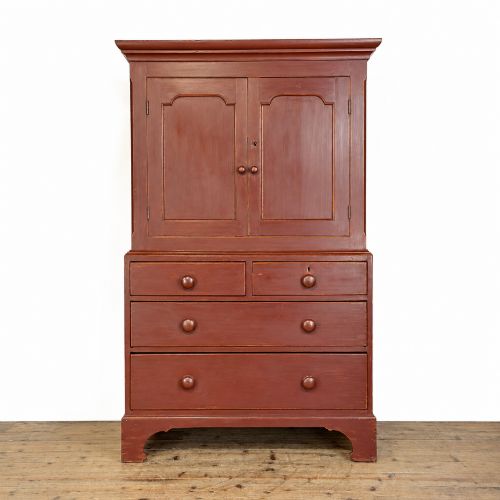
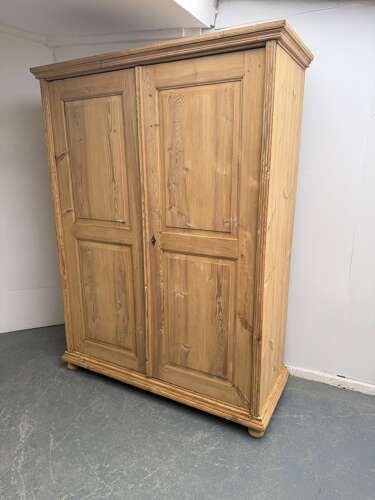
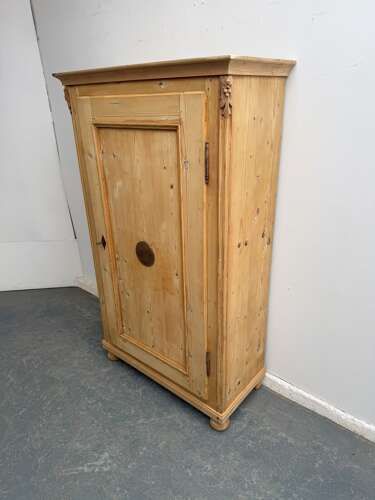
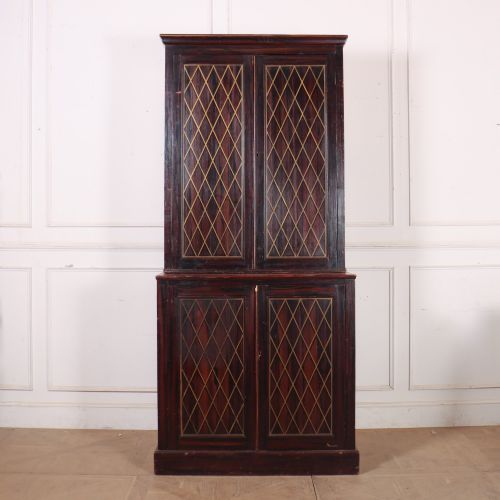
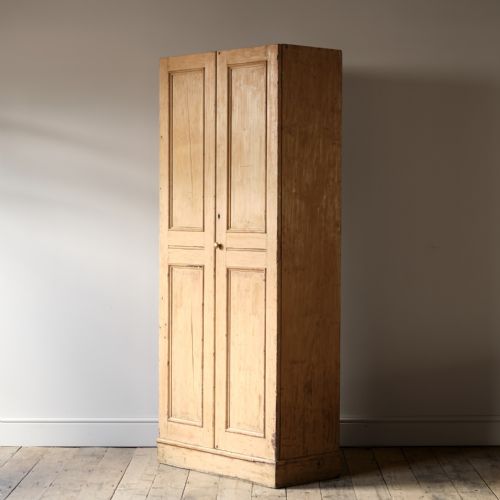
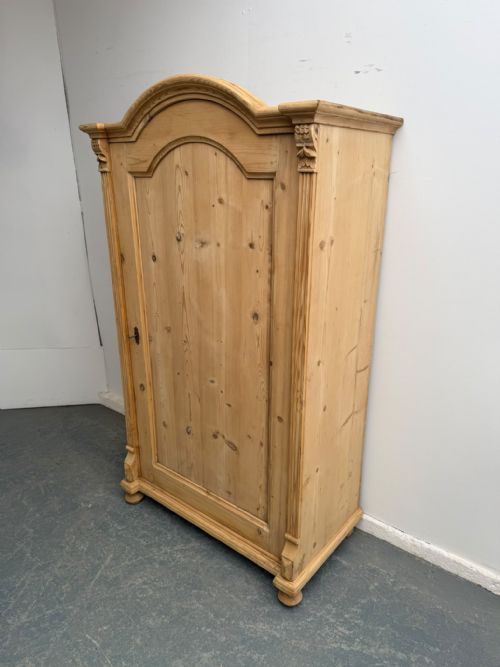
A tall antique pine armoire brings architectural scale and honest country utility to a room through its generous proportions and timber construction.
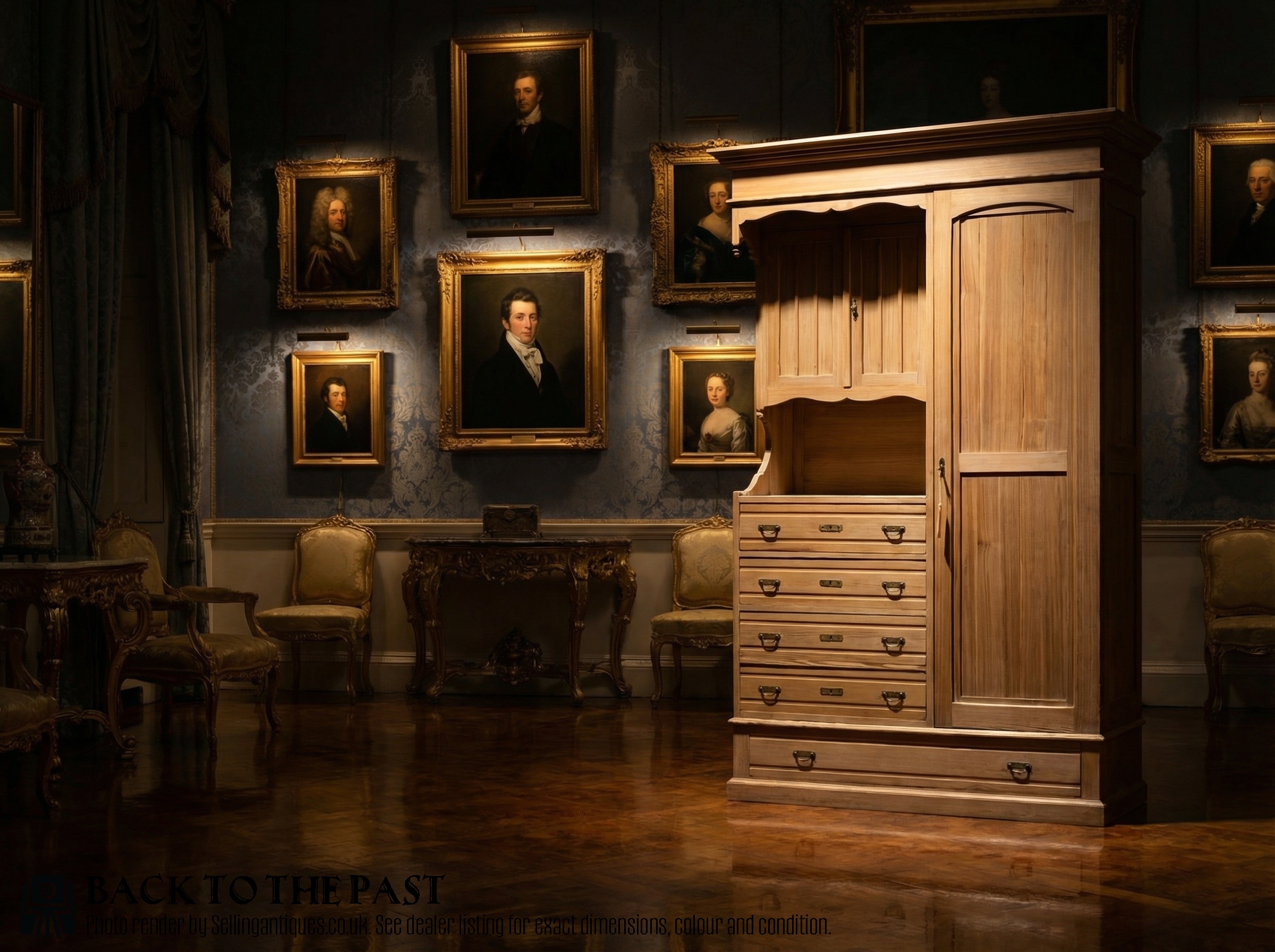
Tall Pine Armoire
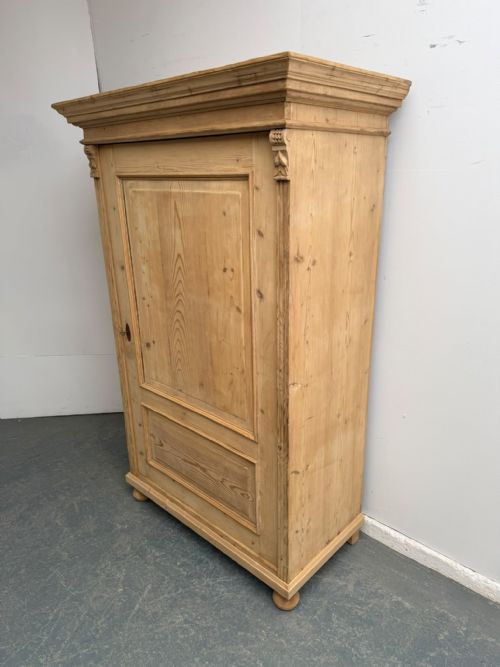
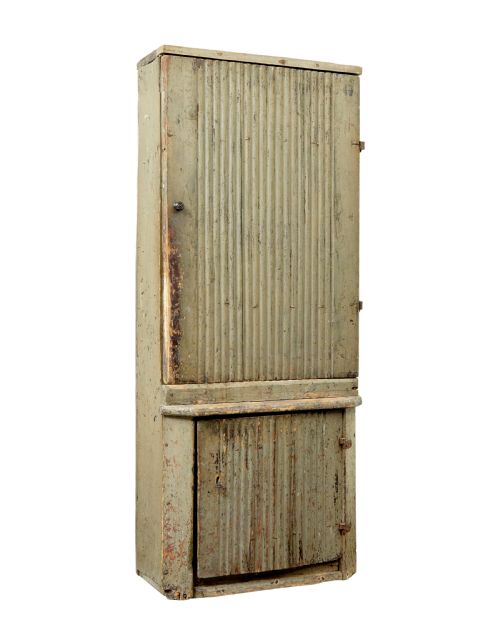
A tall antique pine armoire encompasses large storage cupboards, wardrobes, linen presses, and larder cupboards that serve primarily to organise household textiles and garments. These pieces emerge from periods spanning the eighteenth century through the early twentieth century, reflecting domestic storage needs across various European regions.
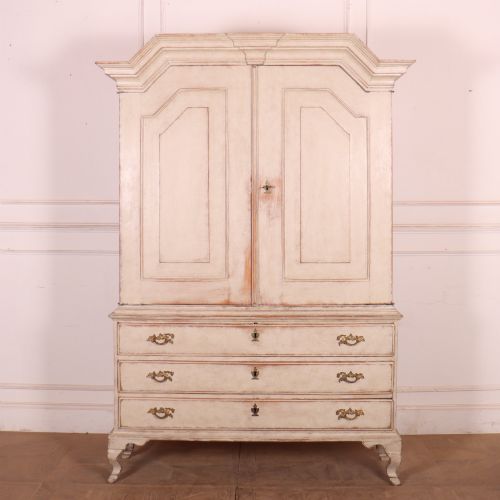
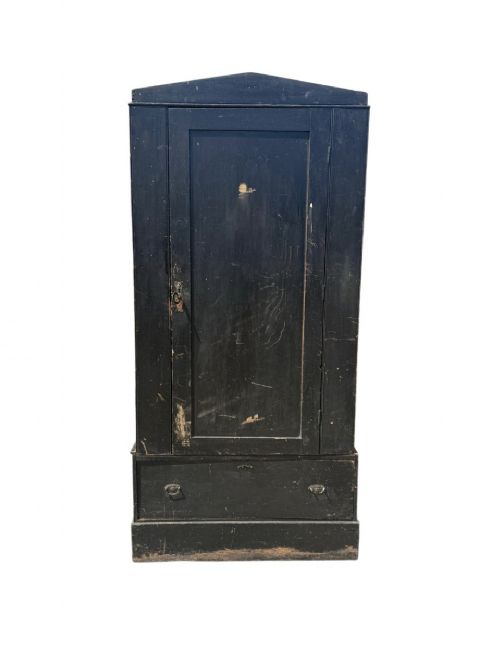
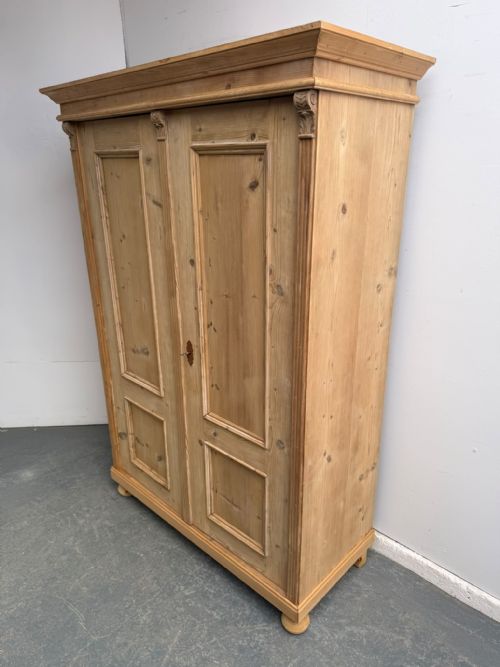
The versions most frequently encountered on this page date from the Victorian era and the nineteenth century, often presenting as single-door or multi-door tall storage units. Regional examples show distinct stylistic roots, ranging from Scandinavian and Dutch country designs to rustic farmhouse and Gustavian traditions.
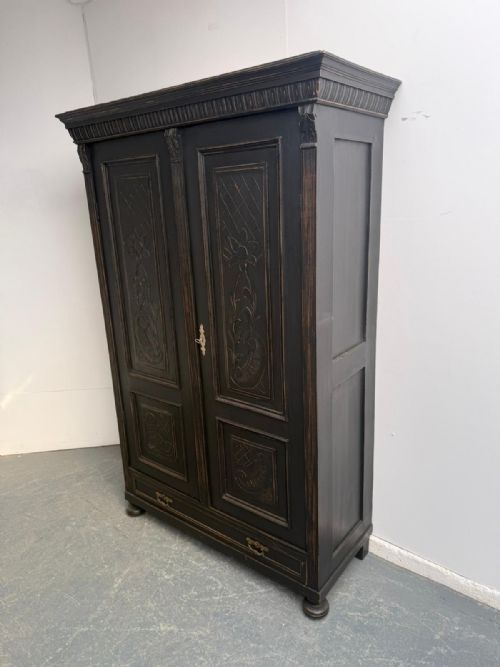
Builders constructed these substantial pieces to stand high against walls, frequently incorporating internal shelves, hanging space, or drawers beneath the main compartment. Their forms vary from simple panelled fronts to decorative painted finishes and architectural cornices.
How they were made
Makers relied on solid pine as the primary timber, sometimes pairing it with oak structural elements or incorporating iron, brass, and metal hardware for hinges and locks. Many surfaces received an application of paint, gilt, or wax over the natural wood.
Construction techniques often allowed for practical dismantling, as seen in knockdown wardrobes that facilitated transport between rooms or houses. Carpenters employed pegged joints, panelled doors, and applied beads to secure the large timber panels against seasonal movement.
Tall Pine Armoire Retail Price Guide 2026
Typical asking prices for tall pine armoire among the pieces listed under this phrase on Sellingantiques today, from the lower quarter to the upper quarter. They describe what is for sale here now, not the wider market.
One cheerful nineteenth-century cupboard arrives with a later skeleton model included, offering a double dose of framework.
What varies in quality
The integrity of the original timber and surface finish dictates much of the distinction between examples, particularly where original paint or early wax patination remains intact beneath later layers. Structural cleverness also plays a role, as seen in pieces designed to dismantle cleanly for transport without losing rigidity.
Proportion and decorative restraint separate standard utility pieces from finer regional specimens, such as Swedish or Hungarian armoires with sophisticated mouldings or carved details. The quality of the original iron or brass hardware and the precision of fielded panel doors further elevate individual pieces.
The Tall Pine Armoire Glossary
- Armoire
- A large wardrobe or cupboard, traditionally used for storing clothes and textiles. These tall pieces often feature one or two doors enclosing shelves or hanging space.
- Knockdown wardrobe
- A large wardrobe engineered to be dismantled into modular sections for ease of transport. This construction method uses wooden pins or bolts rather than permanent glue.
- Linen press
- A tall cupboard featuring upper shelving for folded linens and lower drawers for smaller garments. They provide substantial vertical storage within domestic interiors.
- Fielded panel
- A wooden panel with bevelled edges that fits into a recessed frame to allow for natural timber expansion and contraction. This technique prevents the wood from warping over time.
Tall Pine Armoire: Frequently Asked Questions
How do I assemble a knockdown wardrobe?
Knockdown wardrobes use interlocking timber sections, internal bolts, or wooden pegs to join the crown, base, sides, and doors together without permanent glue.
Working with a helper ensures each heavy pine panel remains stable while you align the original joints and secure the fixings.
What is the difference between an armoire and a linen press?
An armoire functions primarily as a wardrobe with open hanging space or full-length doors for garments. A linen press traditionally combines upper shelving for folded textiles with lower drawers for smaller items.
Both pieces offer substantial vertical storage but serve different internal organisational purposes depending on the era.
How do I care for a painted pine surface?
Painted pine surfaces require gentle cleaning with a dry or lightly damp cloth to preserve the original finish. Avoid harsh chemical cleaners that can strip old paint or historical wax layers.
Applying a traditional beeswax paste helps protect exposed pine areas and maintains the timber over time.
How can I date an antique pine cupboard?
Dating relies on observing construction details such as hand-cut nails, timber seasoning, hinge types, and joinery methods. Regional paint styles and specific hardware choices also provide clues to the period of origin.
Comparing the architectural mouldings and proportions to documented pieces from the eighteenth, nineteenth, or early twentieth centuries helps narrow down the decade.