



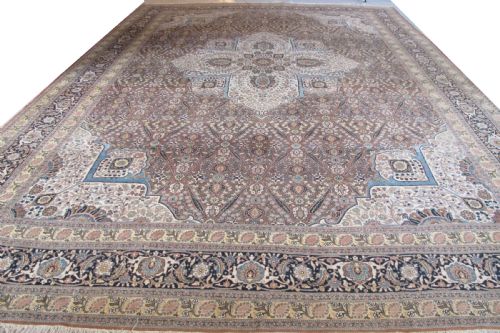


Tabriz Floral Carpet
A tabriz floral carpet brings centuries of Persian weaving tradition into a room through intricate botanical patterns and enduring wool construction.
Tabriz Floral Carpet
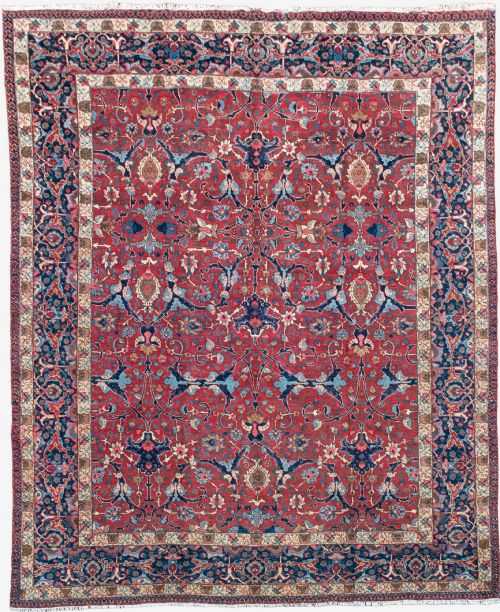
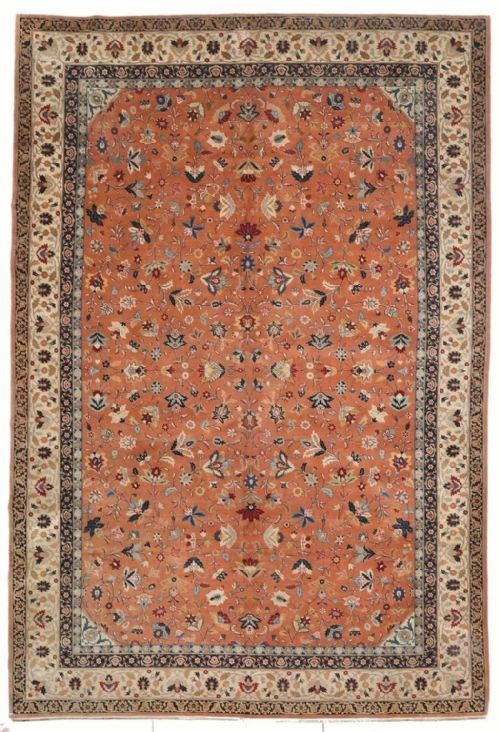
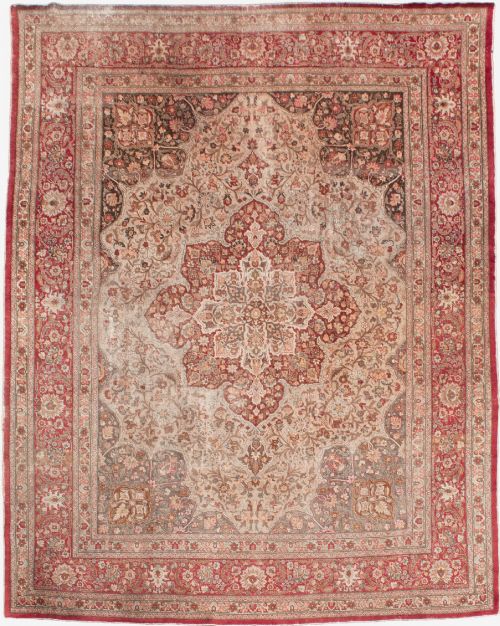
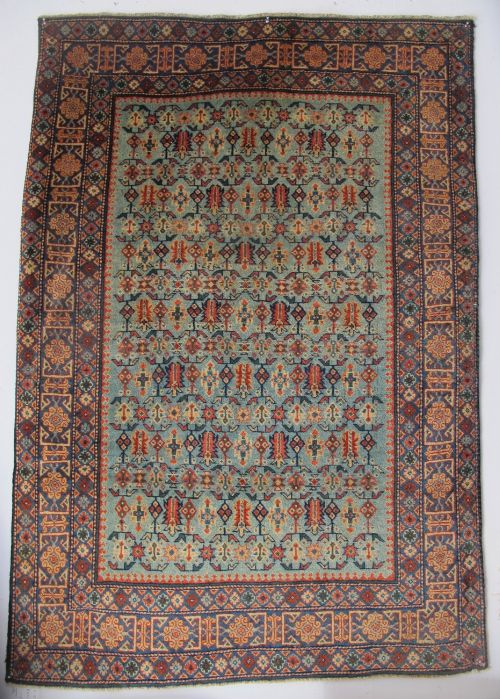
A tabriz floral carpet originates from north-west Persia and represents a long lineage of workshop and village weaving traditions. You will encounter various room sizes and larger format carpets alongside smaller rugs, spanning periods from the eighteenth century through the early decades of the twentieth century.
The aesthetic centres on classic floral motifs, traditional medallions, and overall botanical designs executed within traditional Persian styles. These pieces range from grand country house carpets to more compact village rugs produced in the Tabriz region.
Makers and workshops of note, such as Benlian and Haji Jalili, produced distinctive examples that collectors frequently seek out for their specific palette and finer knotting. The material evidence shows these floor coverings were built to serve both formal reception rooms and everyday living spaces.
Materials and construction methods
Weavers constructed a tabriz floral carpet using wool pile typically knotted onto a cotton foundation. This combination provided the necessary durability for large room-size carpets while allowing crisp delineation of intricate floral patterns.
Natural dyeing methods produced the soft pastel colours and deeper traditional tones seen across eighteenth-century to 1930s examples. The tight knot density characteristic of the region enabled workshops to execute elaborate hunting scenes, large-scale florals, and medallion layouts with precision.
Tabriz Floral Carpet Retail Price Guide 2026
Typical asking prices for tabriz floral carpet among the pieces listed under this phrase on Sellingantiques today, from the lower quarter to the upper quarter. They describe what is for sale here now, not the wider market.
Listings span from the 18th century through the 1930s, featuring wool pile on cotton foundations in traditional Persian styles.
Assessing quality and execution
Quality in a tabriz floral carpet depends upon the finesse of the knotting and the complexity of the design rendered by the workshop or village weavers. Finer examples display superior handling of traditional floral medallions and delicate shading within the wool pile.
The distinction between standard village rugs and pieces attributed to renowned makers like Haji Jalili or Benlian lies in the precision of execution and the subtlety of the colour palette. Structural integrity and even wear across the cotton foundation and wool surface also determine the standing of each piece.
Benlian·Haji Jalili
The Tabriz Floral Carpet Glossary
- Medallion
- A central decorative motif often placed in the middle of a carpet field. It forms the focal point of traditional Persian design.
- Foundation
- The underlying structure of a carpet, consisting of warp and weft threads. In these pieces, cotton serves as this supporting grid.
- Pile
- The vertical or slanted loops of yarn that form the soft upper surface of a rug. Wool is used exclusively for this layer in the listed pieces.
- Hunting carpet
- A pictorial weaving style depicting figures and animals amidst foliage. These complex designs represent some of the most elaborate workshop productions.
Tabriz Floral Carpet: Frequently Asked Questions
How do I clean an antique carpet?
Gentle surface brushing and professional specialist washing help maintain wool pile without damaging the cotton foundation or antique dyes.
Avoid harsh chemical treatments and excessive water immersion to preserve the structural integrity of older weaves.
Can I place these in high traffic areas?
Sturdily constructed room-size carpets withstand regular movement when protected by a proper underlay to prevent sliding and excessive friction.
Finer or eighteenth-century examples benefit from placement in lighter traffic rooms to preserve delicate wool pile.
What defines Persian Tabriz style?
Tabriz style incorporates detailed botanical layouts, central floral medallions, and occasionally figurative hunting scenes derived from Safavid traditions.
These designs reflect the sophisticated output of north-west Persian urban workshops and surrounding villages.
How do I date an older rug?
Examining the wool texture, colour palette, structural materials, and stylistic motifs provides reliable clues to the period of manufacture.
Signature details or attribution to specific workshop masters like Haji Jalili also help narrow down the production era.