






Tabletop Glass Cabinet
A tabletop glass cabinet brings small treasures into plain view, offering a neat stage for display while keeping dust at bay.
Tabletop Glass Cabinet
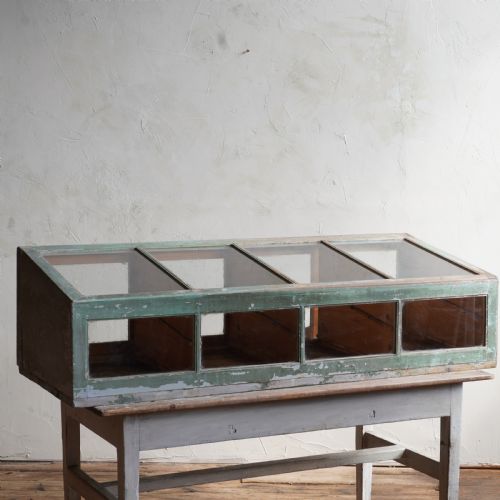
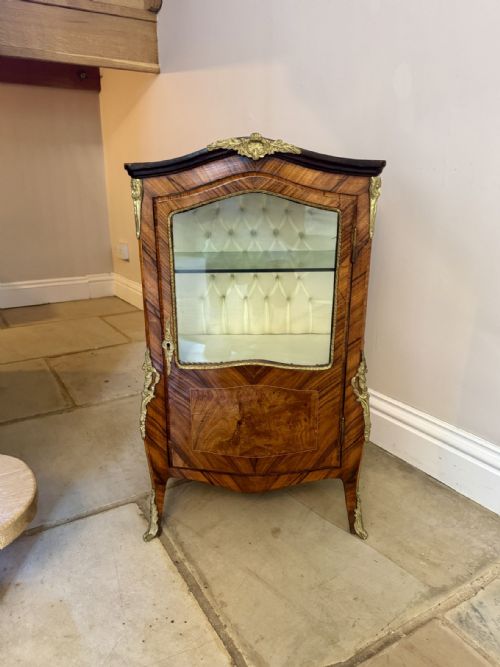
A tabletop glass cabinet serves as a compact enclosure for showcasing small items, drawing on forms made for shops, dressing tables and domestic displays. When searching for a tabletop glass cabinet, buyers encounter diverse iterations ranging from commercial countertop units to refined collector's pieces.
The selection spans several periods, with examples originating from the Victorian era, the Edwardian period, and the 1920s, alongside 1930s shop cases and mid-century items. These pieces take various shapes, functioning as display cases, humidors, jewellery cabinets, and specialist collectors' cabinets with multiple drawers.
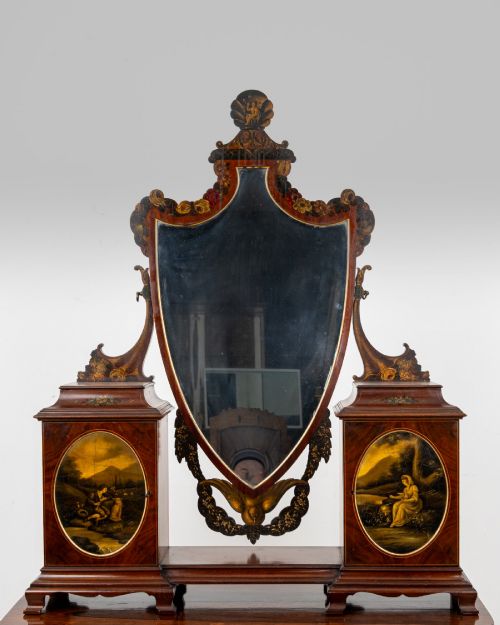
Commercial origins appear frequently through shop display cabinets and confectionary cases built for retail counters. Domestic pieces, meanwhile, include walnut tabletop display cabinets, mahogany cheval mirrors with integrated compartments, and burr elm cigar humidors.
What varies in quality
Quality rests on the selection of timbers and the precision of the joinery, distinguishing utilitarian shop fittings from finer domestic furniture. Finer examples display figured veneers like burr walnut and kingwood, neat dovetail joints in drawers, and substantial brass mounts.
Commercial history also influences character, as surviving shop cabinets bear original signage or painted lettering from confectionary brands, adding distinct provenance. The condition of the glass panels, the integrity of the timber frame, and the presence of working locks with keys further separate standard items from superior pieces.
Tabletop Glass Cabinet Retail Price Guide 2026
Typical asking prices for tabletop glass cabinet among the pieces listed under this phrase on Sellingantiques today, from the lower quarter to the upper quarter. They describe what is for sale here now, not the wider market.
Some chocolate shop display cabinets survived decades of retail service only to carry Fry's or Cadbury's lettering into quiet modern living rooms.
Cadbury·Fry·Terry·Jaeger Le Coultre
The Tabletop Glass Cabinet Glossary
- Countertop display cabinet
- A glazed case designed to sit upon a shop counter to merchandise small goods to customers. These units often feature rear access doors for the shopkeeper.
- Collector's cabinet
- A specialist case fitted with multiple shallow drawers designed for housing natural history specimens, coins, or medals. They typically include glass fronts or glazed lids to protect the contents.
- Humidor
- A moisture-controlled box or cabinet designed specifically for storing cigars. Fine examples utilise seasoned timbers like burr elm to maintain humidity.
- Cheval mirror
- A freestanding full-length mirror mounted on a frame that tilts, which occasionally incorporates jewellery storage compartments beneath or behind the glass.
- Ebonised
- Timber treated with a dark finish to imitate expensive ebony. This technique appears frequently on nineteenth and early twentieth-century cabinet frames.
Tabletop Glass Cabinet: Frequently Asked Questions
Where did these display cabinets come from?
Many of these pieces originated in early twentieth-century shops and retail spaces as countertop displays for sweets, tobacco, and small wares. Others were produced for domestic use on dressing tables or in studies to house personal collections.
Commercial versions often bear the names of confectionery firms on their glass or frames, reflecting their original purpose of advertising and selling goods to the public.
How do I care for a wooden cabinet?
Maintenance involves keeping the timber clean with a soft cloth and avoiding excessive moisture or direct sunlight that can damage polished wood and veneers. Brass handles and hinges benefit from gentle cleaning without harsh abrasives.
Glass panels require standard window cleaner applied carefully to avoid getting liquid into wooden joints or fabric linings.
Can I store jewellery inside them?
Many tabletop cases and dedicated jewellery cabinets are well suited for storing small valuables, rings, and trinkets. Interiors lined with velvet or fabric provide a soft surface that protects items from scratches.
Cabinets equipped with working locks and keys offer an extra layer of security for everyday use.