






Table Top Credenza
A table top credenza brings miniature architectural presence to a room, offering refined surface space and display through nineteenth-century craftsmanship.
Table Top Credenza
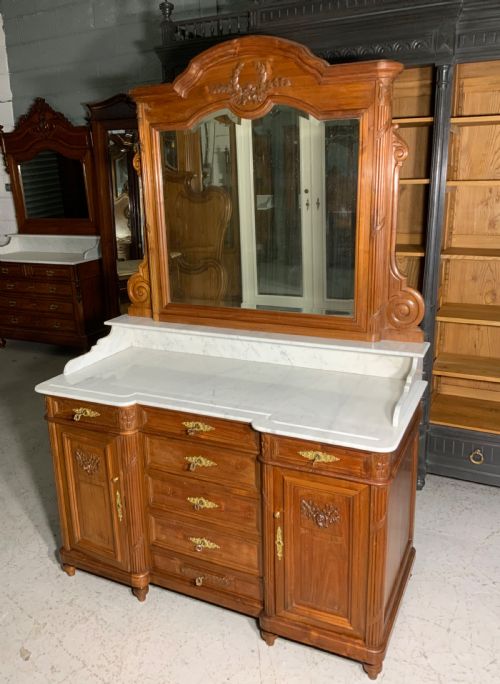
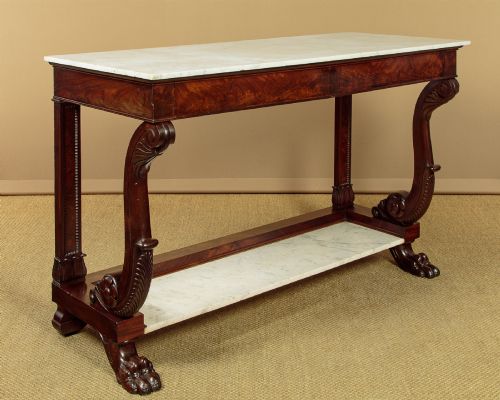
The broader selection includes related surface and display forms from the nineteenth century, ranging from console tables to chiffoniers and buffets. Walnut and mahogany dominate these companion forms, often paired with marble tops or intricate marquetry.
Makers of the period applied architectural detailing and luxury mounts to smaller scale pieces, creating items that functioned as decorative cabinets rather than heavy storage units.
How they were made
Cabinet makers utilised dense hardwoods such as mahogany, walnut, burr walnut, and rosewood as the structural foundation for these pieces. These timbers provided stable bases for intricate marquetry and polished finishes.
Decorative elements frequently incorporated cast ormolu mounts and porcelain plaques, fixed directly to the wooden carcase to emulate grander architectural furniture. Marble tops added weight and a cool, durable surface to console tables and cabinets alike.
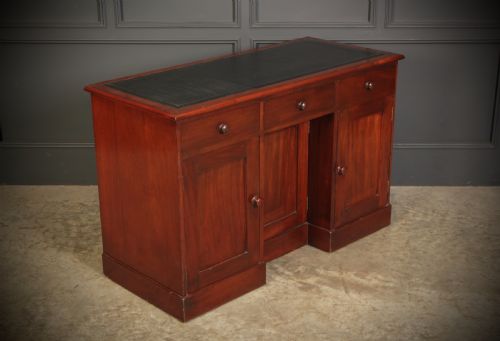
Joinery techniques of the nineteenth century ensured rigid construction for both small desk cabinets and larger sideboards, relying on traditional framing and concealed fasteners.
Table Top Credenza Retail Price Guide 2026
Typical asking prices for table top credenza among the pieces listed under this phrase on Sellingantiques today, from the lower quarter to the upper quarter. They describe what is for sale here now, not the wider market.
Scottish dairy dressers share space on this page with French metamorphic buffets, proving that utility and transformation both fascinated nineteenth-century makers.
What varies in quality
The refinement of the decorative mounts and porcelain inserts distinguishes the finest table top pieces from standard production work. Cast metal details with sharp chased edges and hand-painted porcelain plaques elevate a cabinet significantly.
Timber selection plays a major role, with figured burr walnut and matched rosewood veneers indicating higher workshop standards than plain or secondary woods. The precision of marquetry inlay and the tightness of mitre joints further separate superior examples.
KRIEGER of Paris
The Table Top Credenza Glossary
- Ormolu
- Gilded bronze mounts applied to furniture for decorative effect. This technique was widely utilised in nineteenth-century French and English cabinet making.
- Credenza
- A sideboard or display cabinet historically used for serving food or storing valuables. Table top versions scale this form down for placement on desks or larger furniture.
- Marquetry
- Inlaid wood veneers arranged in pictorial or geometric patterns. Makers used contrasting timbers to create decorative surfaces on tables and cabinets.
- Chiffonier
- A small sideboard or cabinet featuring shelves and doors. These pieces emerged strongly during the Regency and Victorian periods.
- Console table
- A table designed to stand against a wall, frequently topped with marble. Many nineteenth-century examples include matching wall mirrors.
Table Top Credenza: Frequently Asked Questions
What is a table top credenza used for?
A table top credenza serves as a small display cabinet for precious items, documents, or curiosities. It sits upon a desk, table, or sideboard rather than standing directly on the floor.
Historically, these compact cabinets provided secure storage and visual interest in studies and drawing rooms. They brought the grandeur of full-sized furniture into a smaller scale.
How do I date a nineteenth-century cabinet?
Dating relies on identifying the primary timbers, construction methods, and decorative styles typical of specific decades. Nineteenth-century pieces often mix revival styles with traditional joinery.
Examining the backboards, interior secondary woods, and hardware provides further clues to the manufacturing period. Makers' marks, when present, narrow down the origin.
Where should I place a console table?
Console tables function best against hallway walls, beneath large mirrors, or in reception rooms where floor space is limited. Their shallow depth allows them to fit narrow circulation areas.
Pairing a marble-topped console with a matching gilded frame creates a traditional focal point in an interior scheme.
What is the difference between a chiffonier and a sideboard?
A chiffonier is typically smaller and lighter than a sideboard, often incorporating a raised shelf or small cupboard on top. They became popular in the Regency and Victorian eras for dining rooms and parlours.
Sideboards are generally larger, heavier dining room furniture built primarily for storing crockery and serving food during meals.