
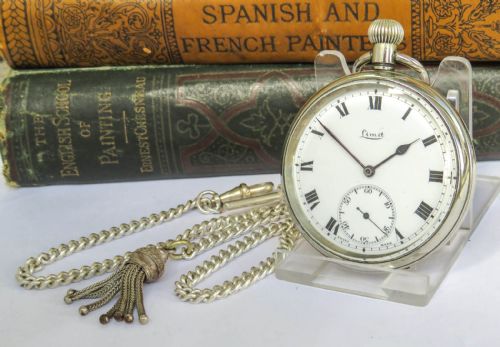
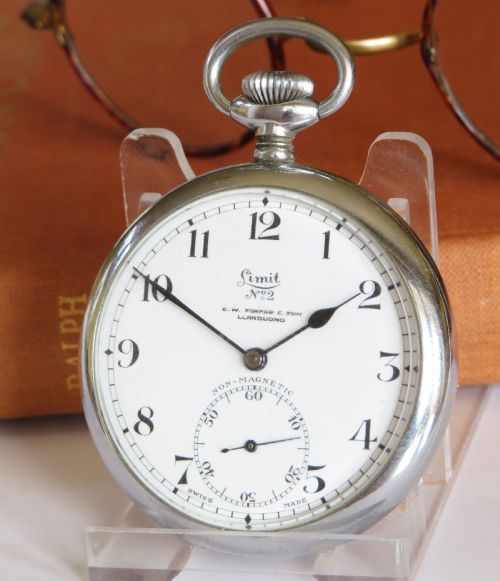
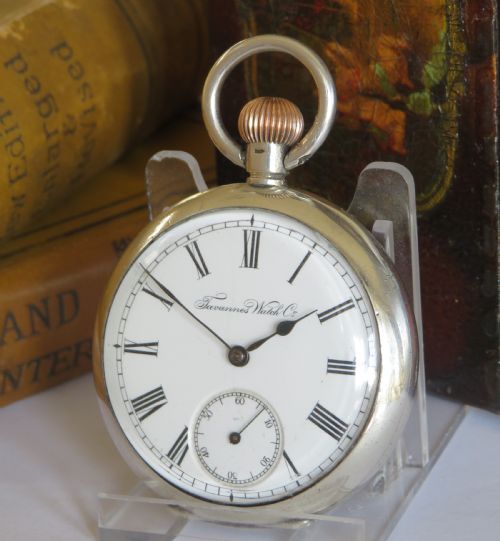
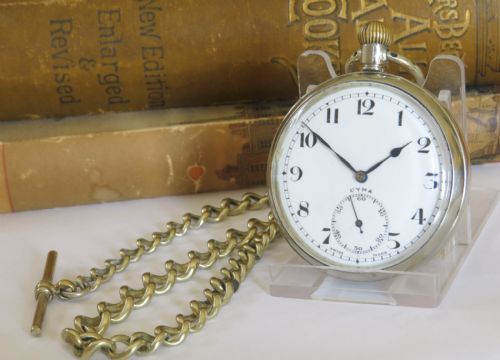
Swiss Silver Pocket Watch
When you search for a swiss silver pocket watch, you are entering a dense world of precision engineering spanning the late Victorian era through the mid-twentieth century.
Swiss Silver Pocket Watch
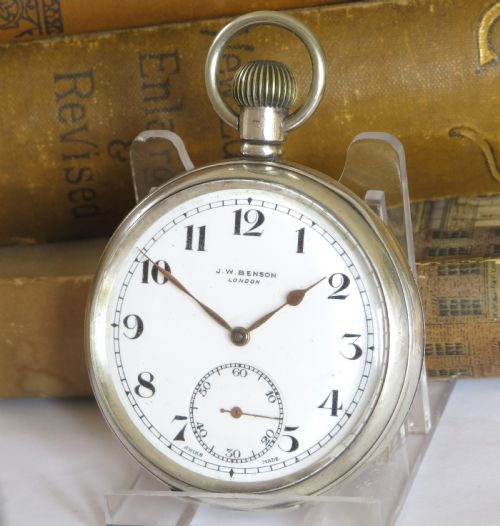
A swiss silver pocket watch represents a portable timepiece housed in a silver case, originating from Swiss makers and workshops across the late nineteenth and early twentieth centuries.
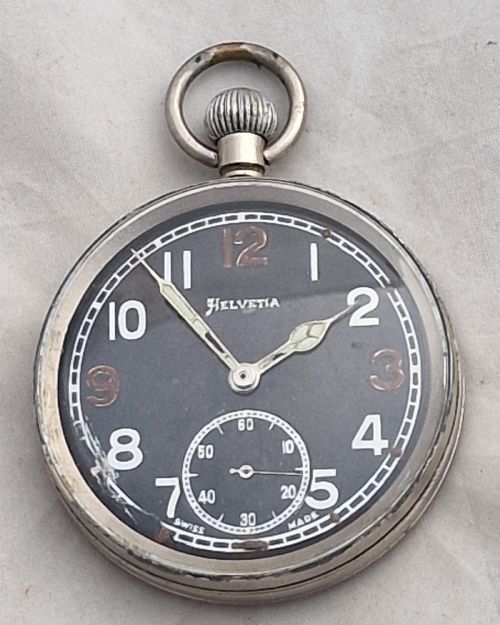
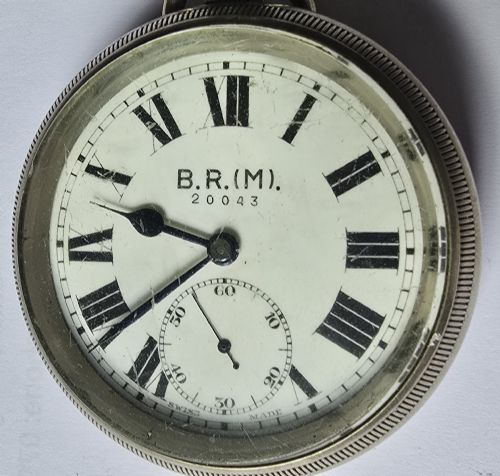
The pieces on this page span from the late nineteenth century into the 1950s, covering Edwardian elegance, Art Deco geometry, and mid-century military or utility designs.
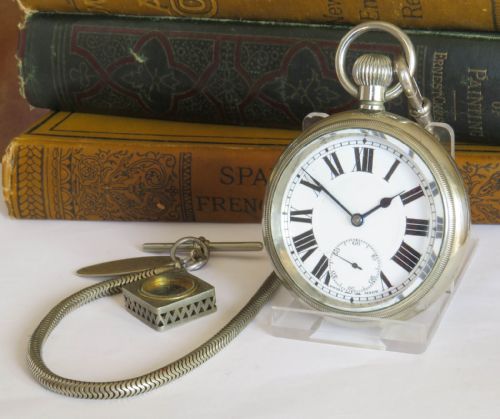
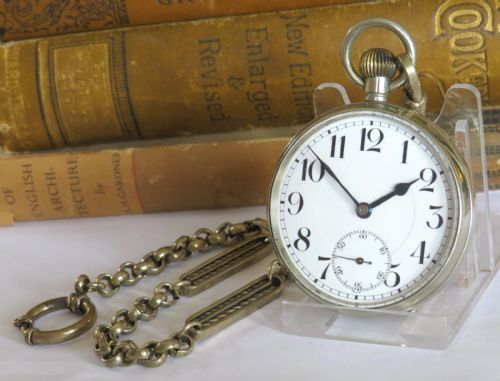
Most examples found here combine a silver outer case with mechanical movements, frequently accompanied by original chains, fobs, or compasses.
How they were made
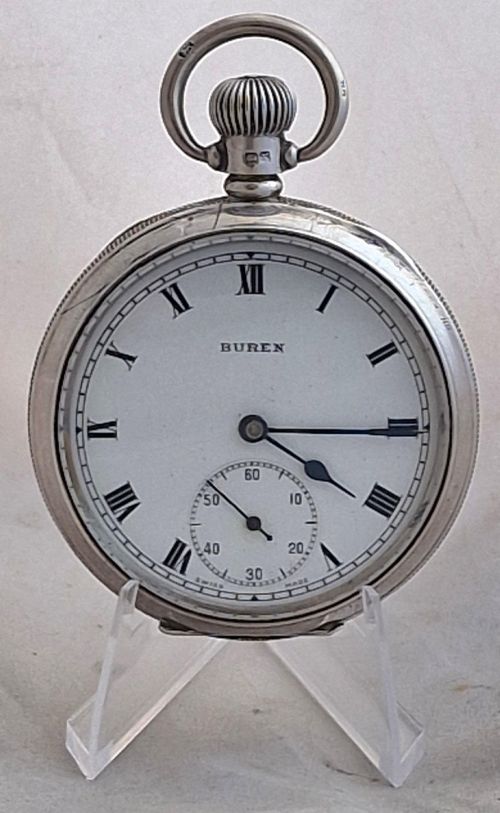
Makers utilised sterling and other silver grades for the cases, often pairing them with glass crystals to protect the dial and enamel for the face markings.
Listings feature movements spanning the late nineteenth century through the 1950s, incorporating silver cases, enamel dials, and steel components.
What varies in quality
The standard of a timepiece is driven by the refinement of the movement inside, such as the jewel count and the precision of the chronograph or railroad grading.
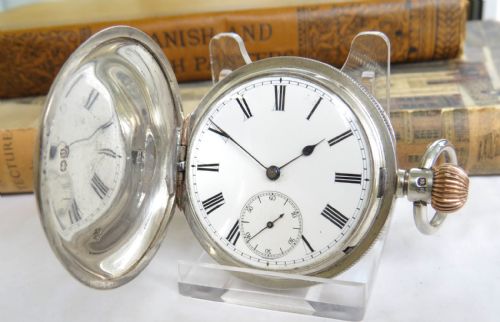
Case execution also marks differences, ranging from plain silver housings to intricate hunter designs, enamel front panels, and specialised presentation inscriptions.
Buren·Helvetia·Guinand·Nero Lemania·Camerer Cuss·Record·Limit Revue·Tavannes·Cyma·J W Benson·Octava·Revue·Longines·Bravingtons Renown·Stauffer·Omega·Everite·Hebdomas·Vertex·Zenith·Meyer And Studeli·Lanco·Doxa·Pluto·Hebdomas Weekly Watch Co
The Swiss Silver Pocket Watch Glossary
- Full hunter
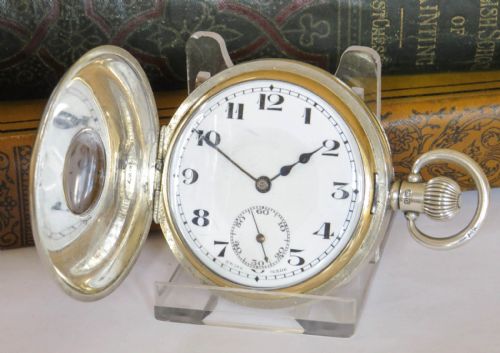
- A pocket watch featuring a metal spring-loaded cover that protects the glass crystal from scratching. This design requires the user to press a crown button to open the lid and read the time.
- Half hunter
- A pocket watch case equipped with a small glass-covered aperture in the front lid. This allows the wearer to check the hands without fully opening the outer cover.
- Chronograph
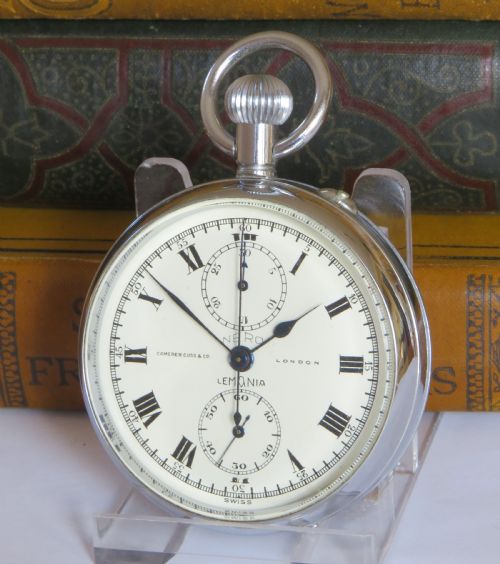
- A watch equipped with an independent sweep second hand that can be started, stopped, and returned to zero. It functions as a mechanical stopwatch alongside regular timekeeping.
- Escapement
- The internal mechanical linkage that controls the release of power from the mainspring to the gear train. Visible escapements display this regulating action directly on the dial.
- Fob
- A short chain or ornament attached to a pocket watch. Wearers use it to pull the watch securely from a waistcoat pocket.
Swiss Silver Pocket Watch: Frequently Asked Questions
How do I wind a mechanical pocket watch?
Most pieces require turning the crown clockwise until firm resistance indicates a full mainspring. Eight-day variants demand less frequent winding compared to standard daily movements.
Avoid forcing the crown past the stopping point to prevent internal damage to the gear train.
What is the difference between an open face and a hunter watch?
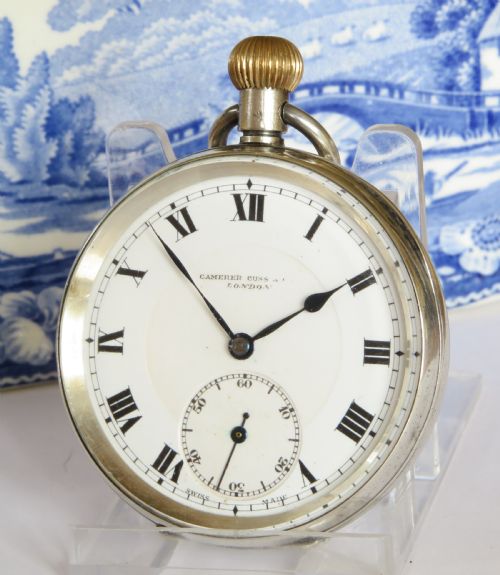
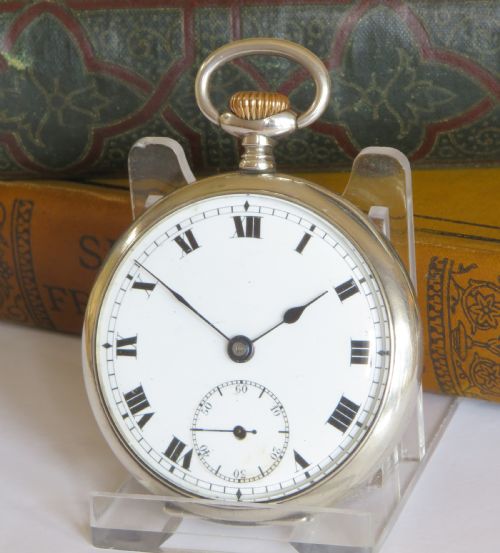
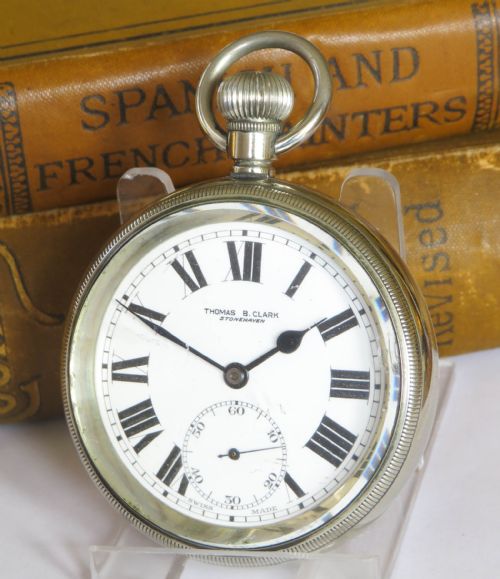
An open face watch exposes the dial and crystal directly, allowing quick checks of the time. A hunter watch encloses the face behind a protective metal lid that opens via a push-piece.
Open face models were typical for railway and timing work, while hunter cases offered extra protection during daily wear.
How are pocket watch sizes measured?
Measurements generally reference the diameter of the silver case in millimeters or use specific watch-industry sizing standards. The proportions dictate whether the piece fits a standard waistcoat pocket.
Larger diameters often house specialised movements like eight-day reserves or multiple complications.
Can I wear a pocket watch without a chain?
A watch can be carried loose in a pocket, though a chain or fob secures the piece against accidental drops. Chains attach securely through a buttonhole or to a belt loop.
Many surviving pieces retain their original matching chains and fobs from the period of manufacture.