
Swiss Luxury Timepiece
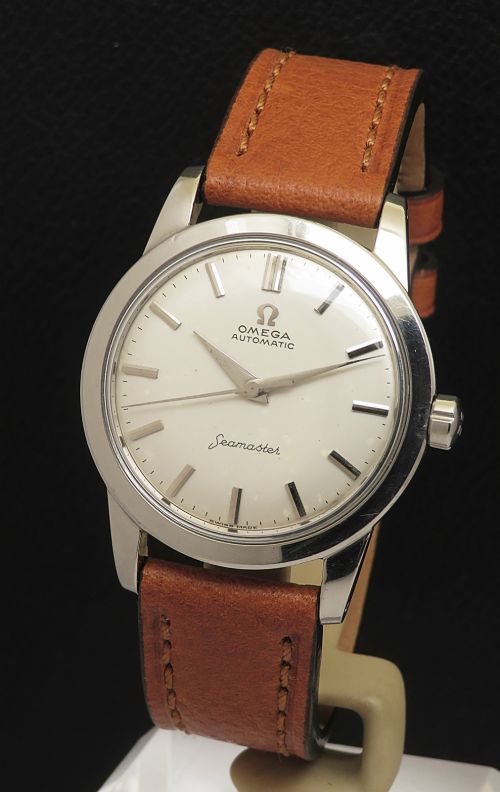
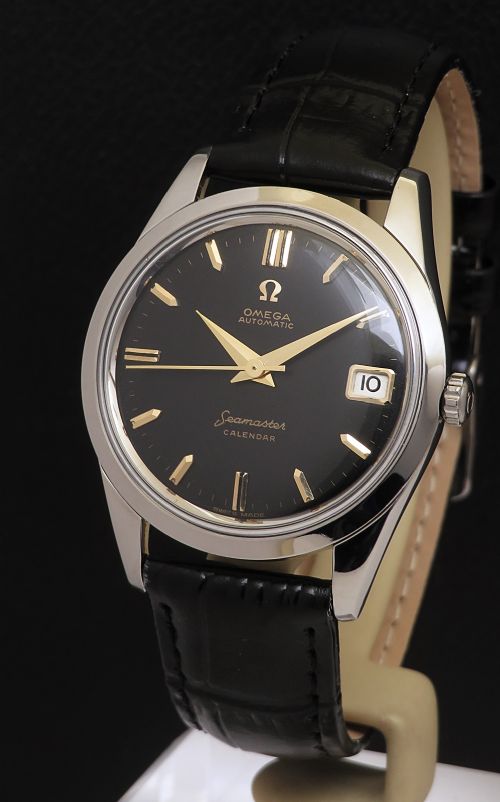
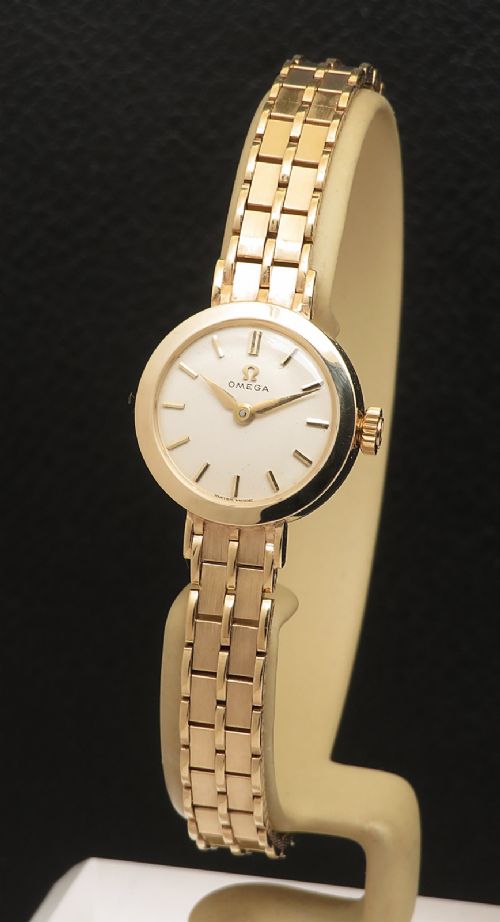
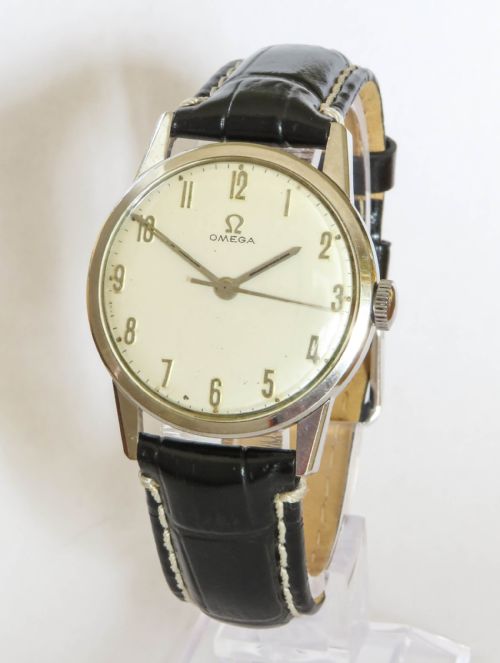
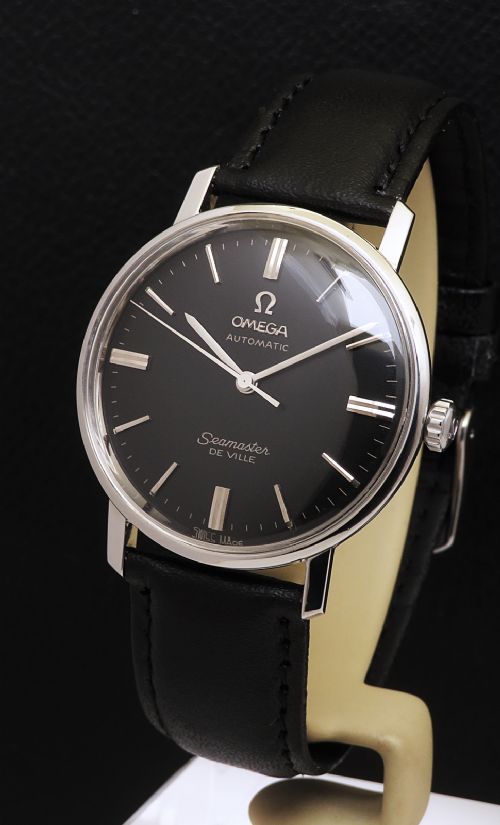
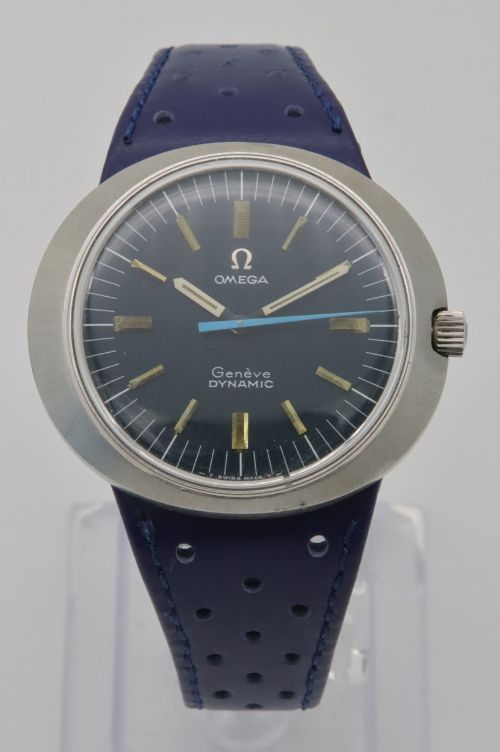
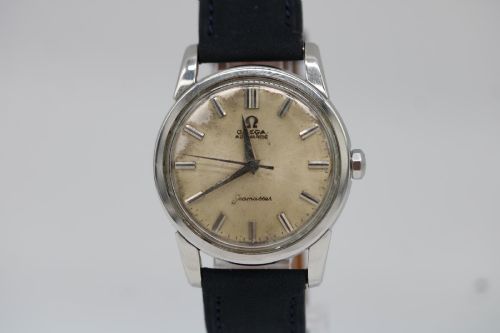
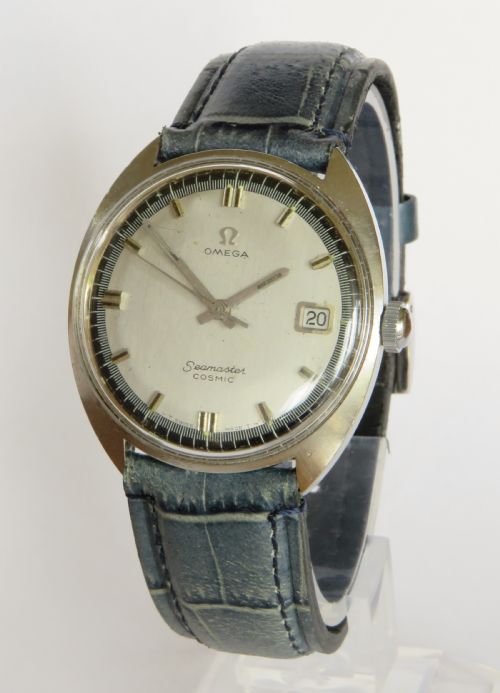
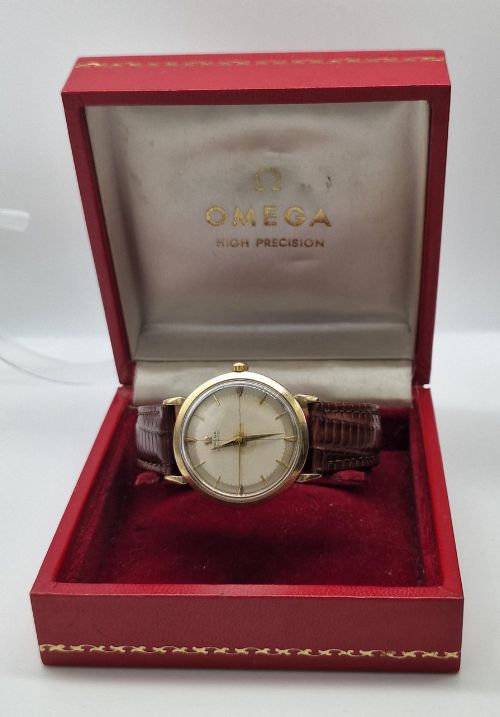
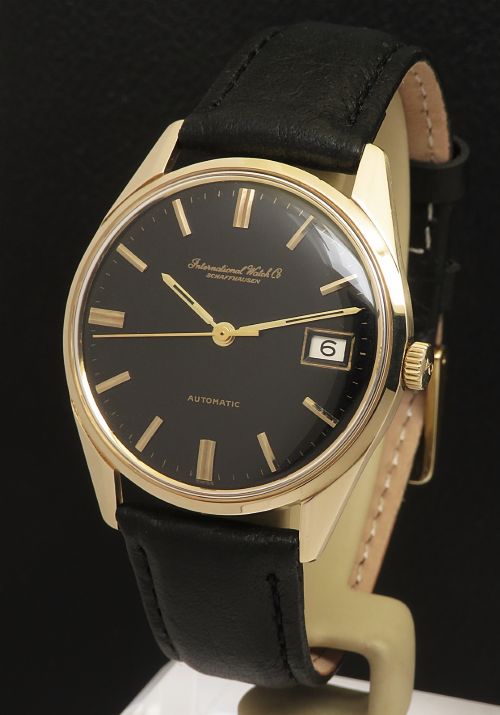
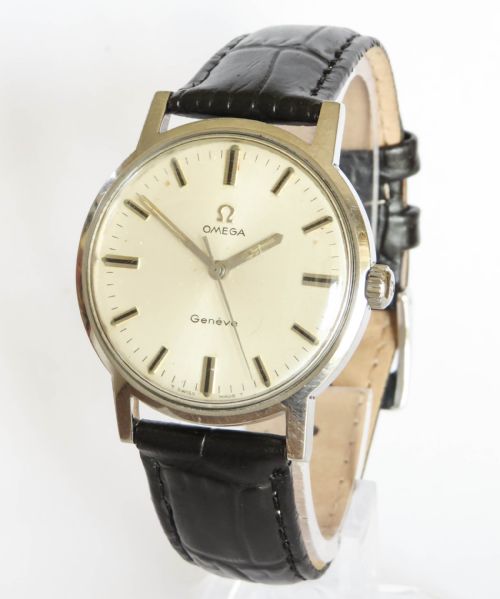
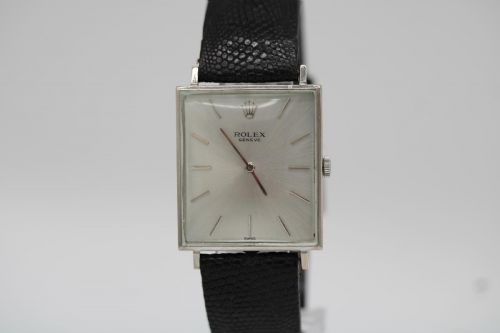
A swiss luxury timepiece offers precision mechanics and enduring design, spanning gentleman wristwatches and ladies cocktail creations from the mid-twentieth century.
Swiss Luxury Timepiece
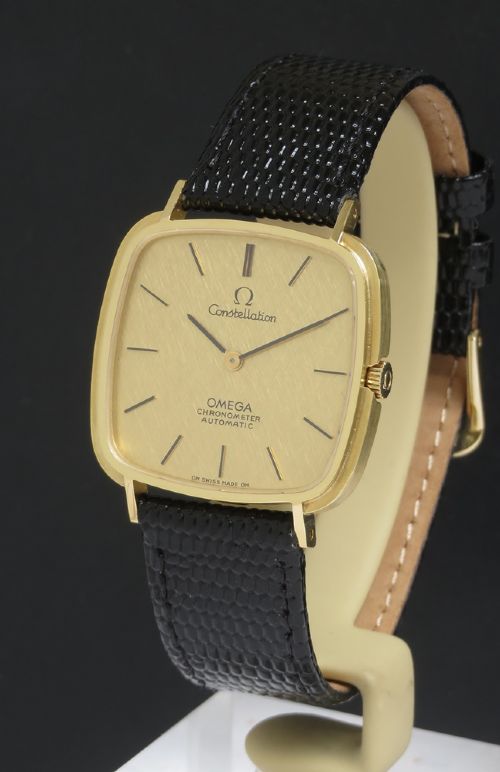
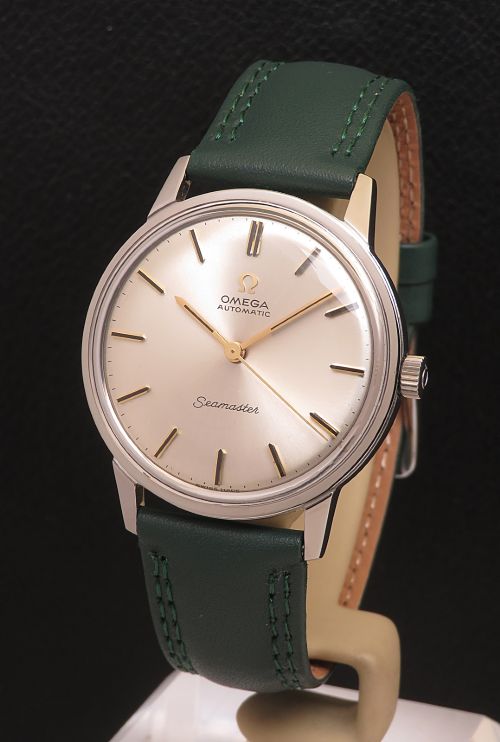
A swiss luxury timepiece encompasses wristwatches, pocket watches, cocktail watches, and desk clocks originating mainly from the 1940s, 1950s, 1960s, and Edwardian eras. Buyers searching this phrase encounter prominent wristwatches alongside decorative evening pieces and occasional mantel clocks.
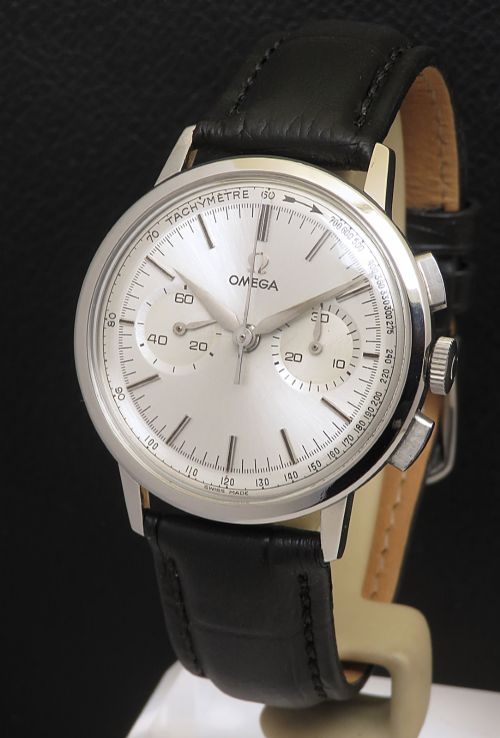
The selections on this page feature robust automatic movements, manual wind calibres, and specialised chronographs housed in classic round or square cases. These objects reflect mid-century modern horology and late Victorian styling.
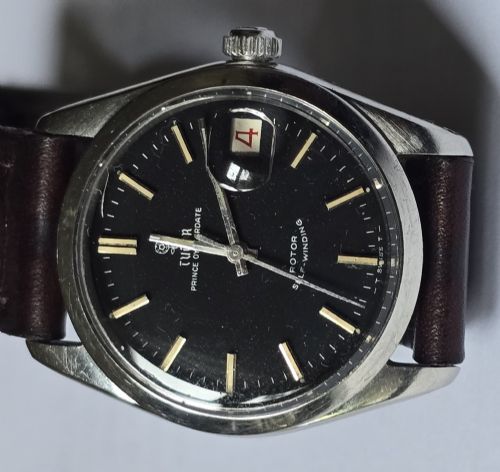
Gents wristwatches dominate the available selection, often presenting utility dials, date functions, or sweeping second hands. Ladies cocktail watches provide an alternative focus, integrating precious metals with fine gemstone settings.
Materials and construction
The pieces utilise precious metals including solid 9ct gold, 18ct yellow gold, 18ct white gold, and platinum alongside durable stainless steel. Leather straps and original buckles complete many of the wearable items.
Dials are protected by glass or acrylic crystals, frequently paired with diamond accents on ladies evening models. Internal mechanisms rely on intricate Swiss movements built with jewelled bearings and complex escapements.
The listings show periods spanning the nineteenth century through the 1970s, featuring stainless steel, 18ct gold, and diamond materials.
Distinctions in standard
The tier of a swiss luxury timepiece depends upon the integrity of its original dial, the purity and weight of the precious metal case, and the presence of factory documentation such as boxes and papers. Heavy gold construction and chronometer-grade movements command greater regard among collectors.
Preservation of mechanical components and external finishes determines desirability, with untouched dials and fully restored automatic calibres representing the upper standard of the range.
Omega·Tudor·Rolex·IWC·Bulova·Movado·Longines·Baume and Mercier·Vertex·Van Cleef and Arpels
The Swiss Luxury Timepiece Glossary
- Chronometer
- A high-precision watch capable of carrying a certificate from an official testing institution. These movements undergo rigorous testing for accuracy across various temperatures and positions.
- Calibre
- The specific manufacturer's designation for a particular watch movement design. This term allows horologists to identify the exact internal mechanics powering a watch.
- Manual wind
- A timepiece mechanism requiring the wearer to turn the crown periodically to tension the mainspring. Unlike automatic versions, these watches contain no rotor to wind themselves through wrist movement.
- Bumper movement
- An early form of automatic winding mechanism where the oscillating weight swings back and forth against buffer springs rather than rotating fully. This movement style is characteristic of mid-century Swiss watchmaking.
- Cocktail watch
- A small, highly decorative ladies evening timepiece set with diamonds and precious stones. These items function as both jewellery and accurate timekeepers.
Swiss Luxury Timepiece: Frequently Asked Questions
What is a Swiss luxury timepiece?
A Swiss luxury timepiece is a precision watch or clock manufactured in Switzerland using high-grade mechanical movements and premium exterior materials like gold, platinum, and stainless steel.
These items range from everyday gentlemen wristwatches to jewelled ladies cocktail pieces and desk clocks.
How do I wind a manual watch?
To wind a manual watch, gently rotate the crown clockwise between your thumb and forefinger until you feel firm resistance. Do not force the crown once resistance is met, as over-winding can damage the internal mainspring.
Perform this action at a consistent time each day to maintain steady tension and accurate timekeeping.
How should I store my vintage watch?
Store your vintage watch in a dry environment away from direct sunlight, extreme temperature fluctuations, and strong magnetic fields. A dedicated watch box or padded case protects the exterior finish and crystal.
If the watch is a manual wind model, let it run down or give it a gentle wind periodically to keep the lubricants within the movement evenly distributed.
What is the difference between automatic and manual?
An automatic watch winds itself using the natural motion of the wearer wrist, operating via an internal weighted rotor. A manual watch requires regular hand-winding via the crown to store energy in the mainspring.
Both systems represent traditional Swiss mechanical craftsmanship but offer different daily experiences for the wearer.