





Swedish Painted Desk
A swedish painted desk brings northern light and restrained elegance into a room through pale finishes and practical pine construction.
Swedish Painted Desk
A swedish painted desk encompasses writing tables, bureaus, and writing desks spanning the nineteenth century and the early twentieth century. These pieces emerge from Scandinavian country, folk art, and Gustavian traditions, offering functional work surfaces with distinct regional character. Buyers find everything from drop-leaf tables and side tables adapted for writing to substantial bureau cabinets and escritoire writing desks.
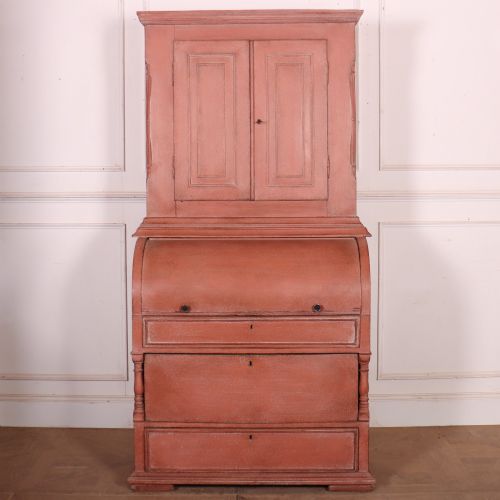
Most examples encountered on this page date from the nineteenth century, utilising pine as the primary structural timber. Forms range from rustic kitchen tables and occasional tables serving as writing spots to dedicated writing tables and dressing tables with original decorative paintwork. The aesthetic relies heavily on pale painted surfaces and traditional pigments like Falu red rather than exposed exotic hardwoods.
Materials and construction
Makers built these pieces primarily using solid pine, shaping robust frames suitable for everyday use in Scandinavian homes. Carpenters employed straightforward joinery methods, constructing functional bodies for side tables, writing desks, and bureau cabinets. Iron and brass hardware provided necessary structural reinforcement and operational fittings for drawers and drop leaves.
Surfaces received layers of paint, with particular pieces utilising traditional Falu paint or decorative painted finishes. This layered application of paint protected the softwood beneath while creating the characteristic matte texture seen across Scandinavian country and folk art furniture. Over generations, these painted skins developed natural patination through daily use and subsequent wear.
Swedish Painted Desk Retail Price Guide 2026
Typical asking prices for swedish painted desk among the pieces listed under this phrase on Sellingantiques today, from the lower quarter to the upper quarter. They describe what is for sale here now, not the wider market.
Some drop-leaf tables carry the quiet ghost marks of old ink spills, recording decades of steady correspondence.
Distinctions in quality
The integrity of the original decorative paintwork separates standard utility pieces from exceptional examples. Surviving surface treatments that retain their early pigment without excessive modern repainting hold greater visual and historical interest. Subtle variations in brushwork and regional folk art detailing elevate simpler pine forms into notable works.
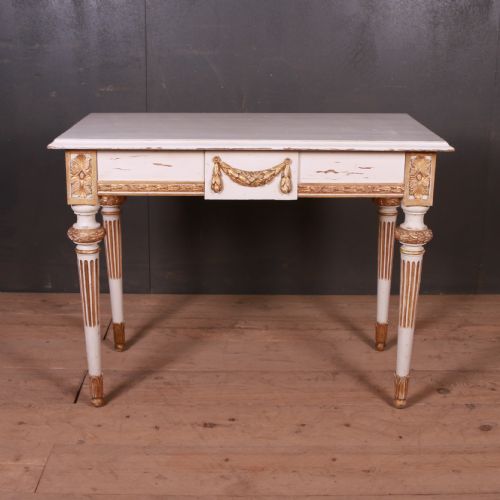
Proportion and structural balance also dictate the caliber of a piece, distinguishing basic domestic tables from refined Neoclassical or Gustavian desks. The quality of the underlying pine carpentry, combined with the harmonious integration of brass hardware or marble elements, defines the overall sophistication of the furniture.
The Swedish Painted Desk Glossary
- Gustavian
- The Swedish neoclassical style spanning the late eighteenth and nineteenth centuries, characterised by restrained ornamentation and pale painted finishes. It draws inspiration from French Louis XVI design adapted to northern sensibilities.
- Falu Paint
- A traditional red paint originating from the copper mines of Falun in Sweden, rich in copper iron oxide. It provides a durable matte finish widely used on timber buildings and rustic furniture.
- Escritoire
- A writing cabinet or desk featuring a sloping or fold-down front that conceals inner compartments and pigeonholes. These pieces combine storage with a dedicated writing surface.
- Bureau Cabinet
- A tall piece of furniture combining a lower writing desk with drawers and an upper bookcase section enclosed by doors. They offer substantial storage alongside a fold-down desk flap.
- Scandinavian Folk Art
- Decorative traditions created by rural artisans incorporating local motifs, freehand painted ornamentation, and traditional colour palettes. This style emphasises personal expression over strict academic design rules.
Swedish Painted Desk: Frequently Asked Questions
How do I date a painted Swedish desk?
Dating relies on examining the construction methods of the pine carcase, the type of hardware fitted, and the composition of the paint layers. Nineteenth-century pieces often display hand-planed timbers and forged iron fittings that differ from twentieth-century production.
Changes in stylistic influence, shifting from neoclassical Gustavian forms to rustic folk art, also help establish the decade of manufacture. Original decorative paintwork provides crucial clues through pigment analysis and surface wear patterns.
Are these desks suitable for daily work?
Most antique writing tables and desks from this tradition provide sturdy surfaces adequate for modern laptop use and writing tasks. Their historical construction in solid pine ensures they remain practical items of furniture rather than purely decorative objects.
Buyers should verify the working height and knee clearance of individual tables, as nineteenth-century dimensions can occasionally run lower than contemporary standards. Placing a protective glass top on the writing surface helps prevent further wear to original painted finishes.
How should I care for original paint?
Preserving original decorative paintwork requires avoiding harsh chemical cleaners, abrasive cloths, and excessive moisture. Dusting gently with a dry, soft microfiber cloth is sufficient for routine maintenance.
Keep these pieces away from direct sunlight and severe humidity fluctuations to prevent the pine timber from expanding and the paint layers from flaking. Professional conservationists can stabilize vulnerable paint surfaces if deterioration begins.
What is the difference between Gustavian and country styles?
Gustavian pieces reflect refined court tastes inspired by French neoclassical design, featuring symmetry, fluted legs, and subtle carved details beneath pale paint. They present a formal, architectural presence within a room.
Swedish country and folk art pieces embrace simpler, sturdier forms with less formal ornamentation, often highlighting regional painting techniques and bolder colour choices. These items prioritize utility and vernacular charm over classical symmetry.