



Swedish Country Dining
Swedish country dining pieces bring practical Scandinavian character to a room, offering robust tables, benches, and painted seating built for everyday family life.
Swedish Country Dining
When you search for swedish country dining, you encounter sturdy tables, benches, and chair sets designed for functional domestic spaces. The selection on this page centres heavily on nineteenth-century pieces, alongside occasional eighteenth-century examples and twentieth-century interpretations.
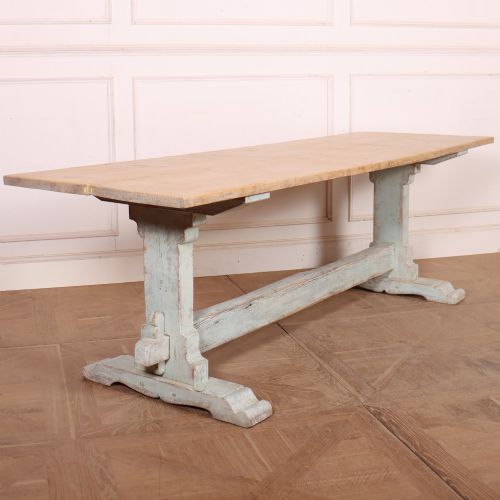
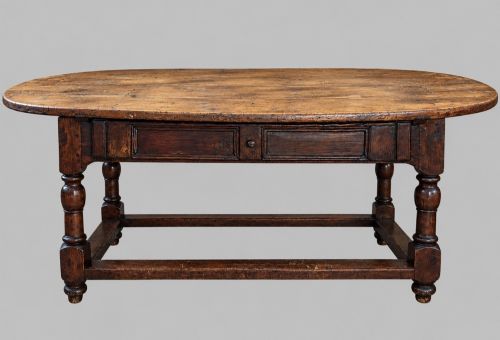
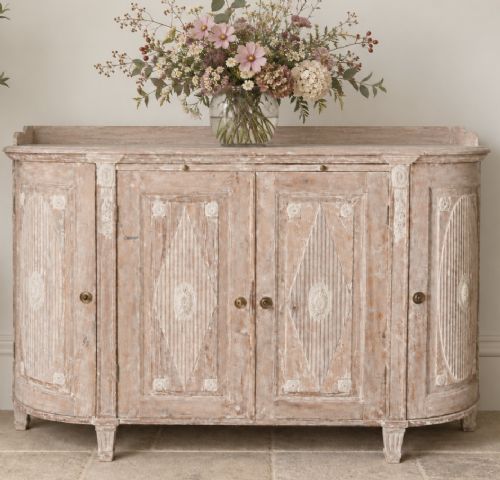
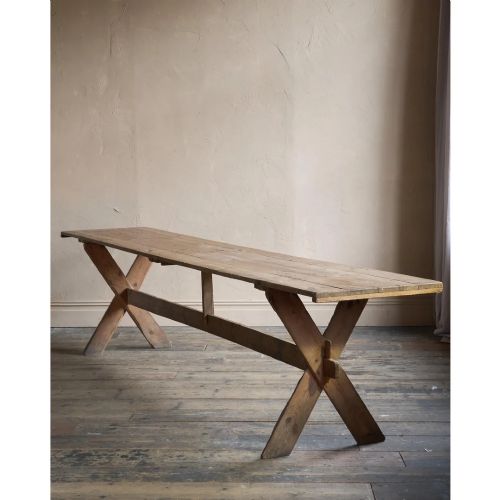
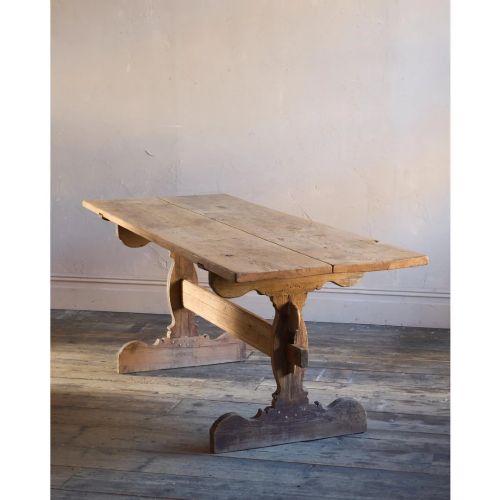
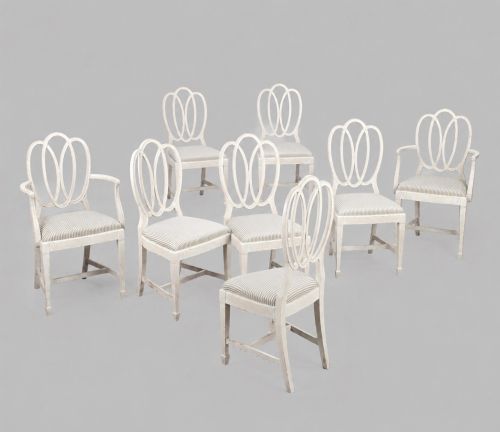
The primary forms include large kitchen tables, trestle tables, preparation tables, and drop leaf slagbord variations. These are frequently accompanied by painted dining chairs and sideboards that reflect Scandinavian country and Gustavian design influences.
Materials and Construction
Makers relied on accessible regional timbers, predominantly building with pine, softwood, and occasional oak. Boards were joined to create large surfaces for kitchen preparation and communal meals.
Surfaces were frequently finished with paint, including distinct Falu red formulations or later decorative coats. This traditional painting protected the softwood construction while establishing the pale, uniform aesthetic typical of the style.
Swedish Country Dining Retail Price Guide 2026
Typical asking prices for swedish country dining among the pieces listed under this phrase on Sellingantiques today, from the lower quarter to the upper quarter. They describe what is for sale here now, not the wider market.
The listings span multiple centuries, incorporating eighteenth-century tables, nineteenth-century pine benches, and twentieth-century Gustavian style chairs.
Assessing Quality and Character
Quality in these domestic pieces lies in the proportion and structural integrity of the timber. Tables with heavy trestle bases or well-balanced drop leaves demonstrate superior joinery compared to simpler utility items.
The character of the painted finish dictates much of the visual appeal. Original layered paintwork and weathered patination distinguish superior historic surfaces from later decorative applications.
The Swedish Country Dining Glossary
- Slagbord
- A traditional Scandinavian drop leaf table with hinged flaps supported by swing legs. This clever space-saving design allowed tables to expand for dining and fold down when not in use.
- Falu Paint
- A traditional red paint originating from the copper mines of Falun in Sweden. It contains copper dross and linseed oil, providing exceptional preservation qualities for timber.
- Gustavian Style
- The Swedish interpretation of neoclassical design popularised during the reign of Gustav III. It combines restrained French elegance with simplified Nordic proportions.
- Trestle Table
- A table construction where the top rests on two or more support frames connected by a horizontal stretcher. This design provides maximum legroom and stability for large dining settings.
- Preparation Table
- A utilitarian work table designed for kitchen tasks such as kneading dough and preparing food. These pieces often feature robust pine tops and simple drawer storage.
Swedish Country Dining: Frequently Asked Questions
What defines Swedish country furniture?
Swedish country furniture is characterised by practical forms, durable pine or softwood construction, and functional utility. It emerged from rural Scandinavian traditions where local materials met domestic needs.
Decoration was typically restrained, relying on simple painted finishes rather than elaborate carving. The aesthetic prioritises light, airy tones that brighten traditional Nordic interiors.
How do I care for antique pine tables?
Antique pine and softwood surfaces require gentle cleaning with a soft, dry cloth to remove dust. Avoid harsh chemical cleaners that can strip historic painted finishes or dry out the wood.
Use protective mats for hot dishes and liquids to prevent staining the weathered timber. Maintaining stable room humidity helps prevent the softwood from warping or splitting over time.
Are these pieces suitable for daily use?
These robust tables, benches, and chairs were originally constructed for heavy daily use in busy farmhouses and kitchens. Their enduring structural strength makes them well-suited for modern dining rooms.
While historic surfaces carry natural marks from decades of domestic life, proper placement ensures they withstand contemporary family gatherings. Many buyers appreciate the resilient nature of these nineteenth-century timbers.
How do I distinguish Gustavian style from country pieces?
Gustavian pieces reflect refined neoclassical design with fluted legs, carved rosettes, and sophisticated proportions inspired by French royal courts. They often display lighter, more formal painted finishes. Northeastern country pieces focus on utilitarian strength and simpler regional construction. While both styles share pale paint palettes, country furniture emphasises rustic practicality over classical ornamentation.