

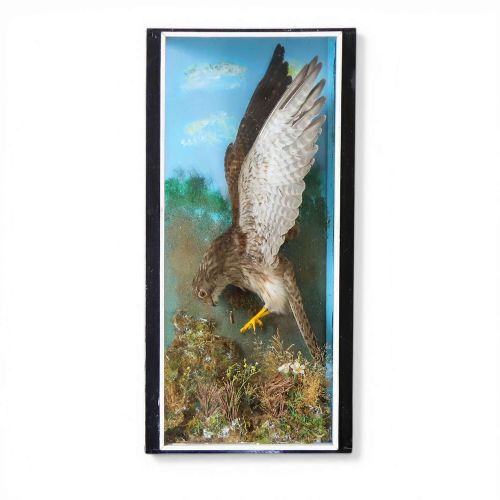



Stuffed Bird Specimen
These stuffed bird specimen pieces bring nineteenth and early twentieth century natural history directly into domestic interiors.
Stuffed Bird Specimen
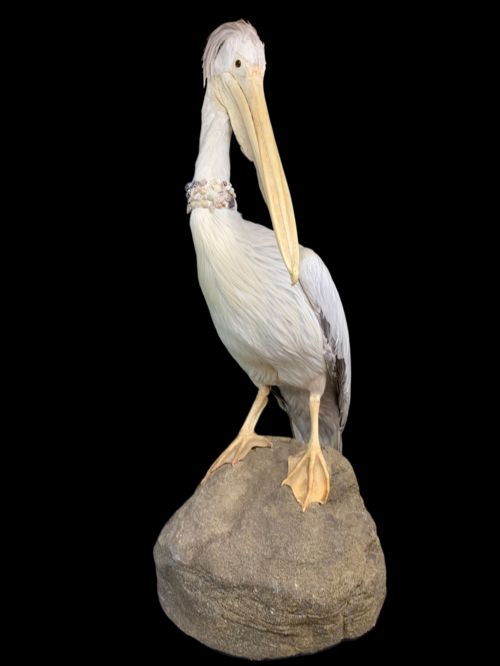
A stuffed bird specimen is a preserved avian subject arranged either mounted in the round or enclosed within a protective display setting. When you search for stuffed bird specimen, you encounter domestic natural history displays created to capture the appearance of birds in life.
The pieces on this page span the Victorian and Edwardian eras up to the early twentieth century, appearing as single mounts or complex multi-bird groupings. You find subjects ranging from British waterfowl like the shoveler duck and heron to exotic birds of paradise housed in glass domes or painted timber cases.
How they were made
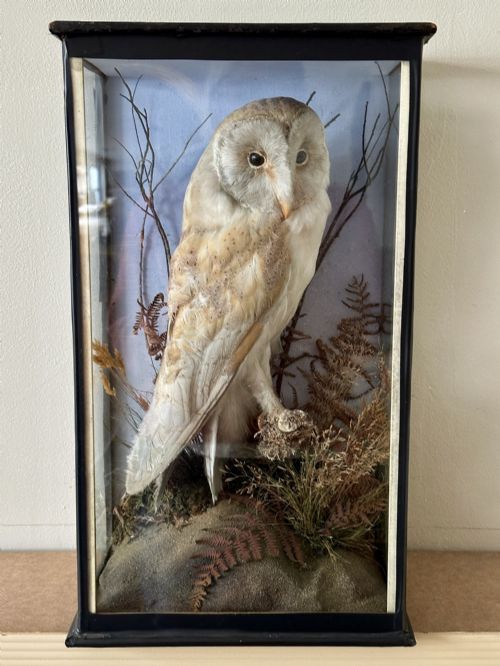
Taxidermists utilised preserved natural specimens mounted over armature frameworks, arranging feathers and postures to mimic living subjects. These mounts were then housed within timber cases or glass domes to protect delicate plumage from dust and degradation.
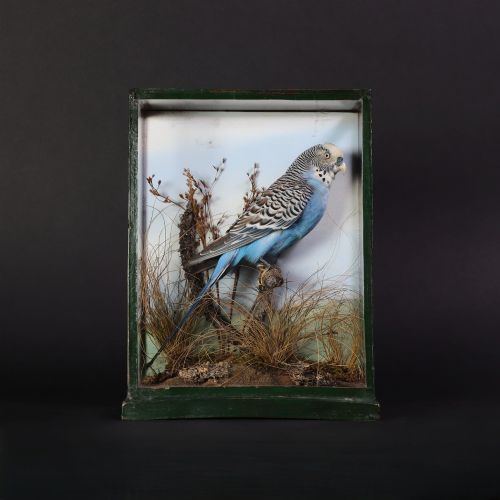
Display enclosures frequently incorporated painted backdrops and natural specimens such as foliage or branches to recreate native habitats. Oak and other woods formed the structural frames, fitted with glass panels to allow clear viewing from multiple angles.
Stuffed Bird Specimen Retail Price Guide 2026
Typical asking prices for stuffed bird specimen among the pieces listed under this phrase on Sellingantiques today, from the lower quarter to the upper quarter. They describe what is for sale here now, not the wider market.
Listings incorporate taxidermy specimens mounted inside glass domes, oak cases, and painted dioramas spanning the Victorian to Edwardian periods.
What varies in quality
Quality rests upon the naturalism of the taxidermy mount and the complexity of the accompanying display environment. Finer examples retain vibrant plumage colouration and convincing anatomical proportions that reflect the skill of the practitioner.
The sophistication of the housing also distinguishes pieces, ranging from simple timber enclosures to architectural painted cases and large glass domes. Provenance recorded through maker signatures or original trade labels further elevates the distinction of a specimen.
A Pollard·James Gardner
The Stuffed Bird Specimen Glossary
- Taxidermy
- The art of preparing, stuffing, and mounting the skins of animals for display. This technique forms the foundation of all avian specimens found in historical natural history collections.
- Diorama
- A three-dimensional scene featuring specimens set against a painted or constructed background. These settings attempt to simulate the natural habitat of the featured birds.
- Dome
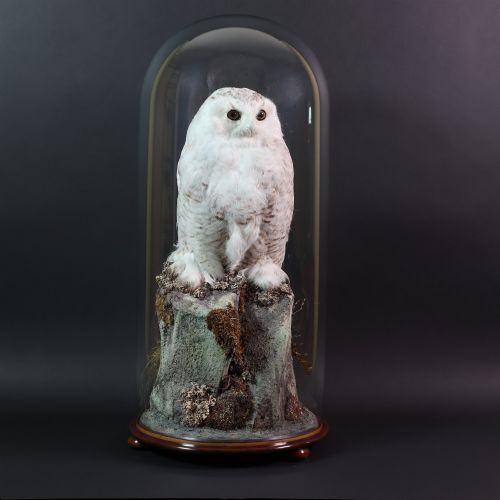
- A blown glass cover secured to a timber or plinth base, designed to protect delicate mounts from dust. They were widely utilised during the Victorian period for display.
- Specimen
- An individual animal or part of an animal prepared for scientific study or display. In a decorative context, it refers to the mounted bird itself.
Stuffed Bird Specimen: Frequently Asked Questions
What periods do these specimens date from?
The pieces available range from the Victorian era through the Edwardian period and into the early twentieth century. Most examples date between the late nineteenth century and approximately nineteen thirty.
Design styles shift from elaborate multi-bird domes of the eighteen eighties to simpler oak cased specimens from the nineteen twenties and thirties.
Where were these pieces displayed originally?
Natural history specimens were popular in Victorian and Edwardian domestic libraries, studies, and drawing rooms. They served as both decorative objects and demonstrations of scientific curiosity.
Collectors often arranged mixed species cabinets or single bird cases to showcase natural diversity and exploration.
How can I identify different housing types?
Housing typically falls into glass domes, painted timber dioramas, or simpler wooden display cases with glass fronts. Domes protect round mounts on circular bases, while rectangular cases feature painted backgrounds.
Cases may also include maker labels or stamps pasted to the timber frame or base interior, indicating the taxidermy firm responsible.