




Striped Vintage Armchair
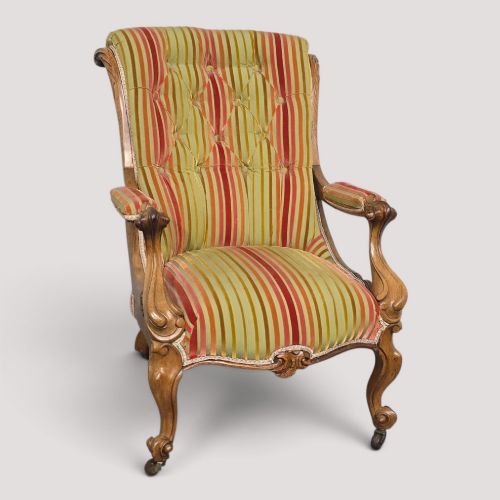
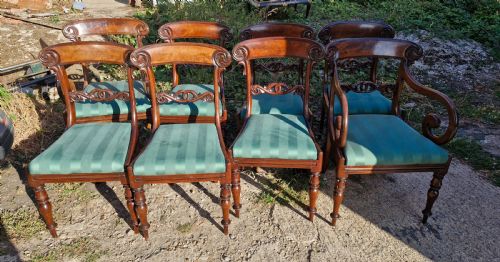
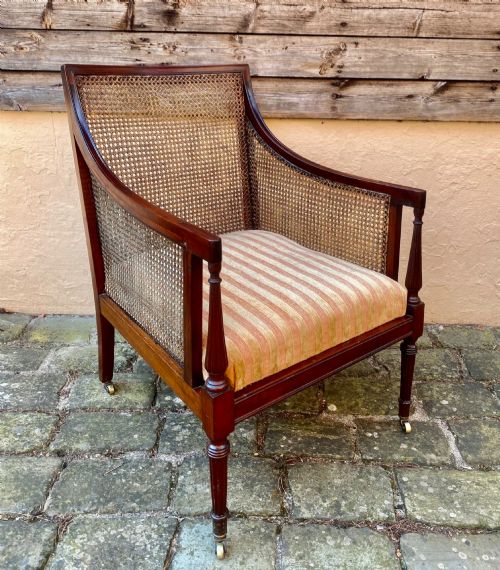
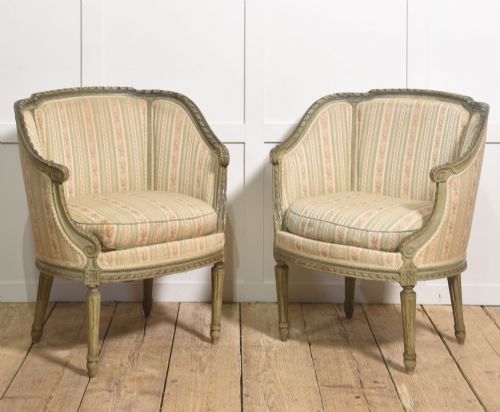
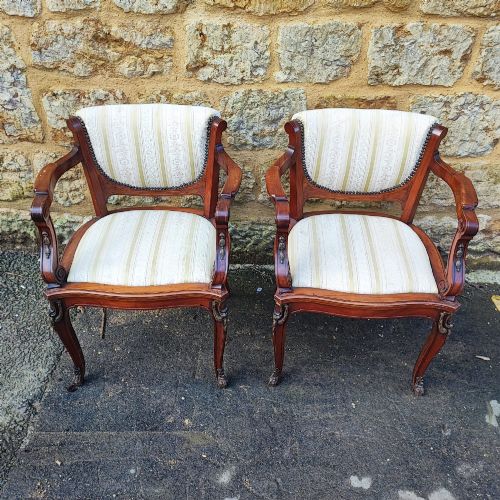
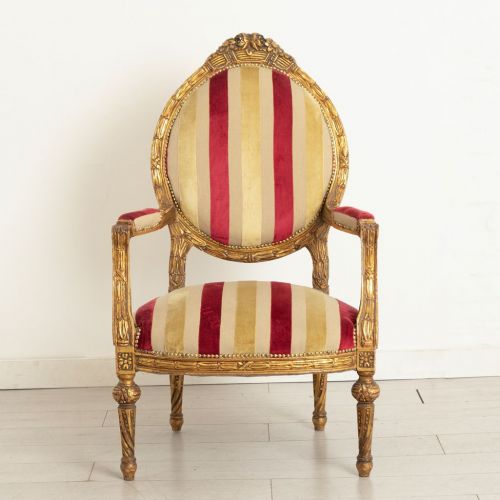
A striped vintage armchair brings pattern and history into a room, offering seating rooted in periods from Victorian to Edwardian design.
Striped Vintage Armchair
A striped vintage armchair encompasses seating forms ranging from library armchairs and wing armchairs to salon chairs and tub chairs. When searching for a striped vintage armchair, buyers encounter pieces originating from the nineteenth century through the early twentieth century, including Edwardian, Victorian, and Regency periods.
The selection includes French painted armchairs, bergere chairs, and boudoir chairs alongside English mahogany and walnut designs. Many examples display patterned upholstery, velvet, cotton, or ticking fabric upon hardwood, mahogany, satinwood, and giltwood frames.
How they were made
Frames rely on traditional timber construction utilising mahogany, walnut, oak, satinwood, and hardwood, often shaped with carved details or string inlay. Joinery methods support structural longevity across chairs from the nineteenth and early twentieth centuries.
Upholstery involves fabric, cotton, and velvet secured to frames with original or renewed padding. Surface finishes include original paint, giltwood, and polished wood.
Striped Vintage Armchair Retail Price Guide 2026
Typical asking prices for striped vintage armchair among the pieces listed under this phrase on Sellingantiques today, from the lower quarter to the upper quarter. They describe what is for sale here now, not the wider market.
American stars and stripes fabric meets Victorian wing armchairs in a transatlantic textile meeting.
What varies in quality
Quality differences emerge in the execution of carved woodwork and the fidelity of period styles such as Louis XVI, Georgian, and French Neoclassical. Fine examples maintain crisp detail in carved mahogany, giltwood, or satinwood frames.
The integrity of the frame construction and the preservation of original paint or polished surfaces distinguish finer pieces. Material choices, from basic hardwood to rosewood or satinwood, also shape the standing of each chair.
The Striped Vintage Armchair Glossary
- Fauteuil
- An open-armed upholstered armchair with an exposed wooden frame originating in France. These chairs typically feature carved woodwork and padded armrests.
- Tub chair
- A seating form with a rounded back that curves continuously into the arms. This compact shape often appears in Victorian and Edwardian examples.
- Wing armchair
- A high-backed chair with side panels designed to shield the sitter from draughts. Versions appear in Victorian and Georgian style configurations.
- String inlay
- Fine lines of contrasting wood inlaid into the primary timber surface. Edwardian salon and armchairs frequently utilise this decorative technique.
Striped Vintage Armchair: Frequently Asked Questions
What periods do these armchairs come from?
The pieces span the nineteenth century, Victorian era, Edwardian period, and early twentieth century up to the 1930s. Styles referenced include Regency, Louis XVI, and Georgian.
Craftsmanship reflects the prevalent cabinet-making methods of each specific decade, using woods such as mahogany, walnut, and satinwood alongside painted finishes.
How do I identify a French style armchair?
French style armchairs often feature painted or giltwood frames, cabriole legs, and specific forms like bergere or fauteuil designs. Details include exposed carved woodwork and curved structural lines.
Originating across the nineteenth and early twentieth centuries, these pieces bring distinct continental aesthetics compared to English library or salon chairs.
What materials were used for the frames?
Frames are constructed from hardwoods including mahogany, walnut, oak, satinwood, and rosewood. Some pieces feature giltwood or original painted surfaces.
Construction incorporates traditional joinery suited to the period of origin, supporting upholstered or open-arm configurations.
How do I care for vintage upholstered chairs?
Maintenance involves gentle cleaning suited to the specific fabric, whether cotton, velvet, or ticking. Protecting frames from direct sunlight preserves polished wood and original paint.
Regular inspection of upholstery integrity helps maintain the condition of fabric-covered seating over time.