

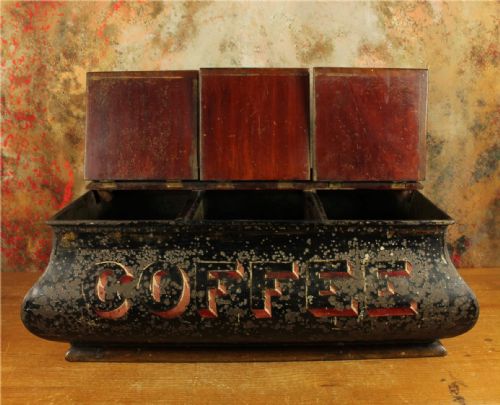
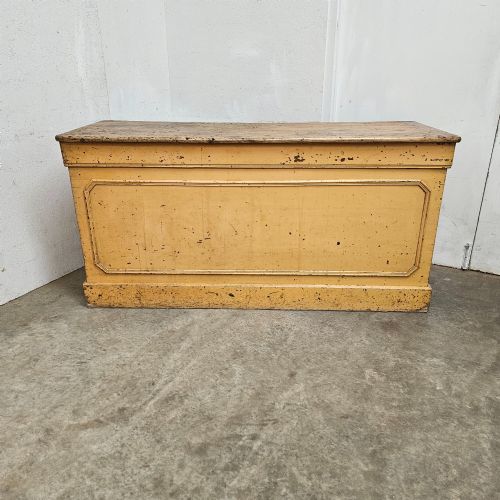


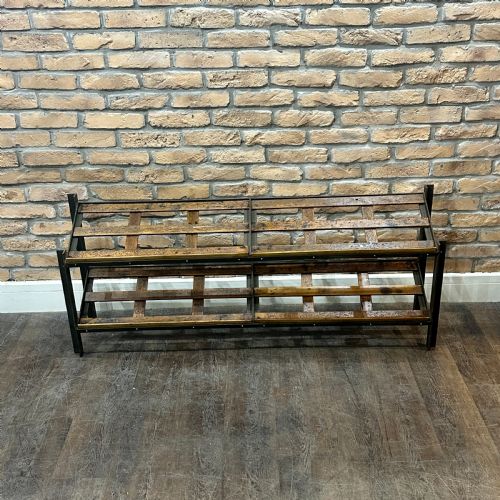


Store Display Counter
A store display counter brings authentic commercial character into a room, offering practical surface space and integrated glazing to showcase collections.
Store Display Counter
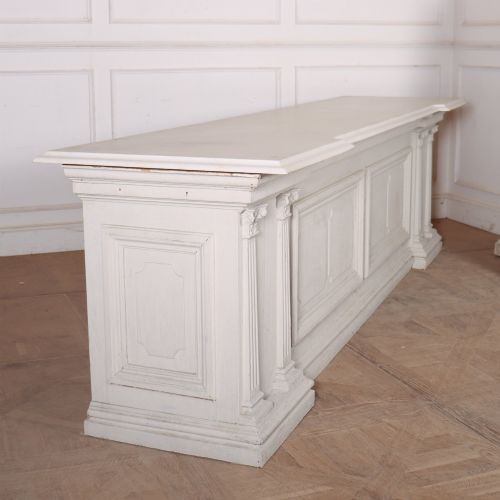
A store display counter serves as both a functional working surface and a vitrine for goods, originating from nineteenth and early twentieth-century retail environments. These fixtures include shop counters, display cabinets, and specialised storage units designed to present merchandise to customers.
The versions most commonly encountered on this page span the Victorian and Edwardian eras through to the Art Deco and nineteen-thirties commercial periods. Their forms range from timber shop fittings and glass-fronted cabinets to painted French counters and specialised advertising display pieces.
Makers utilised robust hardwoods and metal framing to withstand heavy daily use in grocers, drapers, and apothecaries. Each piece reflects the specific commercial demands of its trade, whether that required deep shelving for textiles or glass protection for delicate confectionery.
Judging the quality of a store display counter
The refinement of the joinery and the sophistication of the metal framing distinguish finer pieces from standard utilitarian shop fittings. Proportions, decorative mouldings, and the survival of original painted finishes or brass details elevate certain counters above basic commercial stock.
Store Display Counter Retail Price Guide 2026
Typical asking prices for store display counter among the pieces listed under this phrase on Sellingantiques today, from the lower quarter to the upper quarter. They describe what is for sale here now, not the wider market.
A nineteenth century tobacco advertising figure stands ready to greet customers, guarding its counter with silent Victorian dignity.
Saml. Elliott & Sons·Quincy Showcase Works Illinois
The Store Display Counter Glossary
- Shop fitting
- Fixtures and furniture installed within a retail premises for the display and storage of goods. These items were built to commercial grade standards for heavy daily use.
- Haberdashery cabinet
- A multi-drawer storage unit traditionally utilised in drapery and clothing shops for small sewing items. They often incorporate glass fronts or panelled pull-out trays.
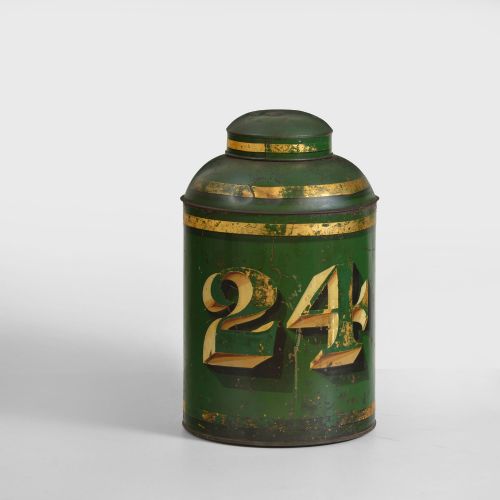
- Toleware
- Lacquered or enamelled metalware, typically tin or steel, decorated with painted designs. It was frequently used for shop canisters and storage boxes.
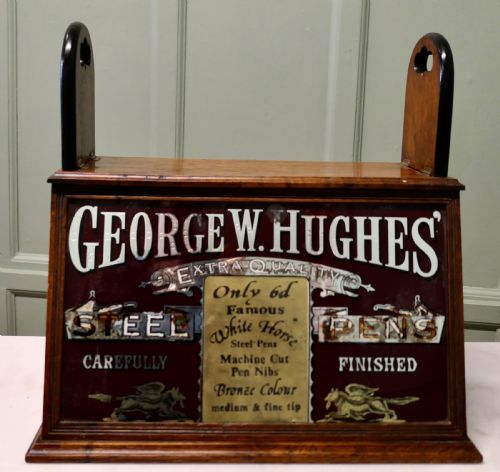
- Advertising display
- Point-of-sale merchandise holders or cabinets bearing brand names or corporate logos. These pieces were supplied by manufacturers to promote specific products on the shop floor.
- Veneer
- A thin layer of superior wood applied to a denser timber base to provide a decorative surface figure. It requires careful inspection to ensure the adhesive bond remains stable.
Store Display Counter: Frequently Asked Questions
What periods do these counters come from?
The pieces span the nineteenth century, the Victorian and Edwardian eras, and extend into the nineteen-twenties and nineteen-thirties commercial periods.
Design styles shift from heavy timber Victorian shop fittings to sleeker Art Deco brass-framed cabinets and French painted counters.
How were these counters used originally?
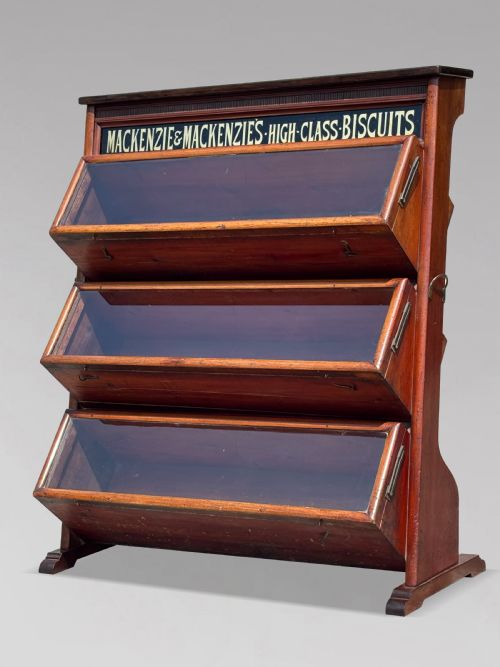
Merchants utilised them as serving surfaces while simultaneously displaying goods such as biscuits, tea, stationery, and haberdashery beneath glass or within fitted compartments.
Specialised cabinets also served specific trades like apothecaries, drapers, and grocers, often incorporating branded advertising to promote goods.
What woods are commonly found?
Builders relied heavily on durable timbers including mahogany, oak, walnut, and pine to withstand the demands of daily retail trade.
Some pieces also feature painted wood surfaces, metal framing, or brass and bronze structural elements.
How do I care for an antique shop counter?
Keep the wood nourished with appropriate wax polishes and protect glazed panels from sudden impacts or heavy vibrations.
Maintain stable humidity levels in the room to prevent timber movement and preserve original painted or polished finishes.