



Stone Top Table
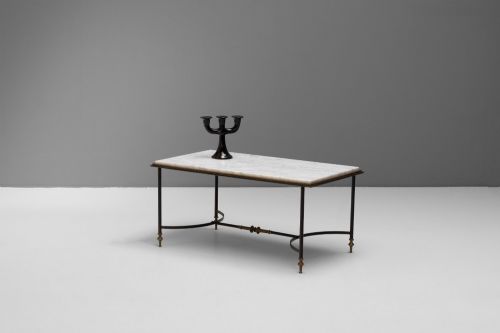
These stone top table examples range from grand nineteenth century specimen pieces to functional twentieth century coffee tables, offering durable surfaces set within classic timber or metal frames.
Stone Top Table
A stone top table brings together a heavy, durable surface of marble, slate, onyx, or granite with a supporting framework of wood, brass, or iron. When searching for a stone top table, buyers encounter an array of forms ranging from compact occasional and coffee tables to expansive console and centre tables.
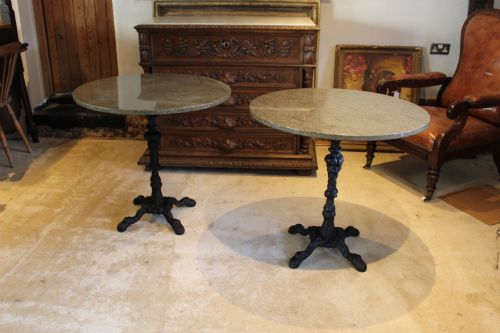
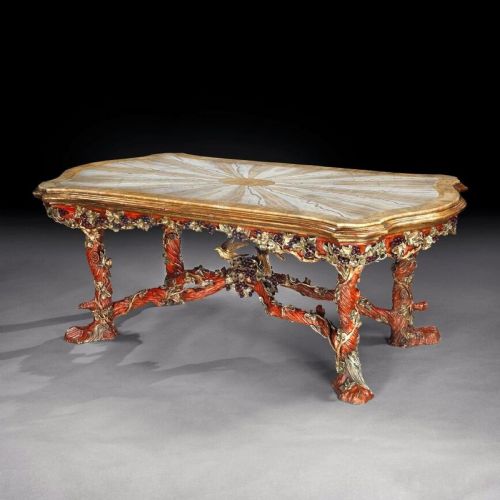
The pieces available span multiple periods, notably the Victorian era and the early twentieth century, incorporating diverse stylistic influences such as Neoclassical, Italian Rococo Revival, and Qing Dynasty aesthetics. Common formats include side tables, plant stands, and garden tables designed for both interior and exterior use.
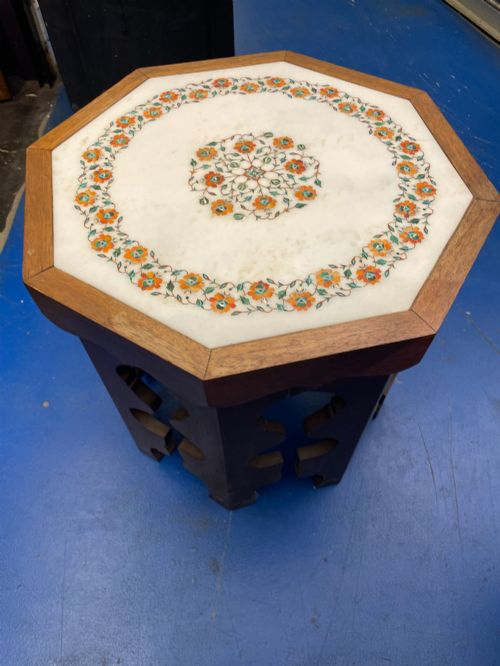
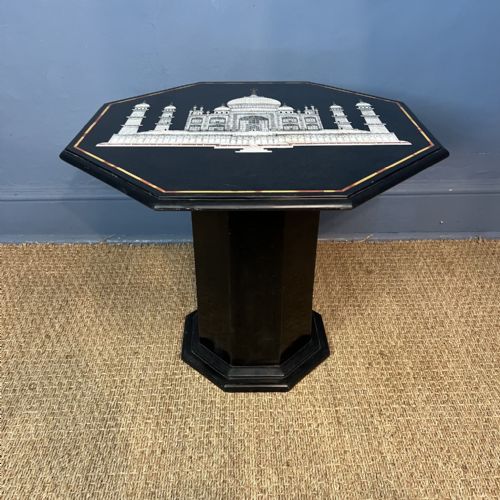
Regional craftsmanship heavily dictates the character of these surfaces, from Florentine pietra dura inlays and North African mosaics to Indian black marble and Chinese rootwood stands. Buyers frequently meet coffee and occasional tables adapted for modern living alongside formal console and dining formats.
Materials and construction methods
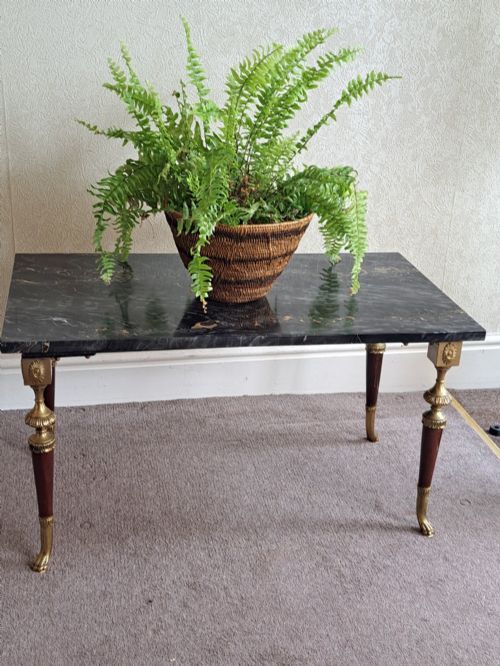
Makers set heavy stone surfaces - including marble, alabaster, fossil limestone, and onyx - onto robust bases constructed from hardwoods such as mahogany, cherry, walnut, and rootwood, or cast metals like brass and iron. Structural support often requires substantial joinery or fitted frames to bear the considerable weight of the stone.
Decorative techniques recorded across the pieces include pietra dura inlay using semi-precious stones, intricate hand-carving on wooden bases, polychrome finishes, and polished granite or slate panels. Artisans also utilised mosaic work and brass trim to edge and accentuate the natural patterning of the stone.
Stone Top Table Retail Price Guide 2026
Typical asking prices for stone top table among the pieces listed under this phrase on Sellingantiques today, from the lower quarter to the upper quarter. They describe what is for sale here now, not the wider market.
Listings feature stone top tables spanning the nineteenth century through the 1930s, utilising materials from marble and slate to semi-precious stones and brass.
Assessing quality and execution
Quality rests significantly on the selection and preparation of the mineral top, distinguishing standard slate or basic marble slabs from intricate specimen marble compositions or finely fitted pietra dura panels. The geological variety and precision of the stone inlay dictate the upper tiers of craftsmanship.
The relationship between the upper surface and the supporting base defines overall execution, with superior examples featuring hand-carved hardwood, cast iron, or brass frames tailored specifically to the weight and contour of the stone rather than standard assembly.
Amleto Bertoni·Woodley family
The Stone Top Table Glossary
- Pietra dura
- An artistic technique utilising cut and fitted finely polished coloured stones to create geometric or pictorial images. This method appears frequently on nineteenth century table tops.
- Specimen marble
- A composite surface assembled from numerous distinct varieties of marble, often collected during the Grand Tour. These tops display regional geological diversity.
- Console table
- A table designed to stand against a wall, frequently supported by wall brackets or console legs. They often feature marble or stone surfaces.
- Rootwood
- A natural material formed from the root mass of trees, shaped and polished to form organic table bases. Chinese examples utilise this material for plant stands and occasional tables.
- Derbyshire fossil marble
- A dark limestone containing crinoid ossicles, polished to reveal fossilised marine remains. It appears in nineteenth century British tables.
Stone Top Table: Frequently Asked Questions
How do I clean a stone table top?
Maintenance requires mild soap and warm water applied with a soft cloth to protect polished surfaces from acidic etching. Avoid harsh chemical cleaners that can dull marble, onyx, or alabaster.
Regular dusting prevents surface abrasion, particularly on softer stones like alabaster or serpentine. Promptly wiping spills preserves the natural finish of antique stone.
Are these tables suitable for everyday use?
Many formats, such as coffee tables and side tables, function well in modern reception spaces by offering sturdy, heat-resistant surfaces. Using coasters prevents ring marks on sensitive polished marble or limestone.
Heavier console and centre tables anchor larger rooms, while cast iron and granite garden versions suit outdoor placement. Consideration of the stone's porosity guides daily placement.
How do I identify a nineteenth century piece?
Dating relies on construction hallmarks such as hand-cut joinery, timber shrinkage patterns, and period specific decorative styles like the Aesthetic Movement or Rococo Revival. Regional motifs and material sources also signal the era of production.
Documentation or signature inlays, such as pietra dura work, often point to specific European workshops. Examining the underside reveals the age of the wooden framework and mounting brackets.
What is a specimen marble top?
A specimen top incorporates multiple geological samples arranged in geometric or pictorial patterns, frequently gathered by travellers on the Grand Tour. Each tile represents a different quarry, often Italian or British.
These surfaces demonstrate advanced lapidary skills from the nineteenth century. The precision of the joints between disparate stones marks the standard of execution.