





Stone Pedestal Stand
A stone pedestal stand elevates statuary, plants and lamps, bringing classical proportion and architectural weight into domestic and garden spaces.
Stone Pedestal Stand
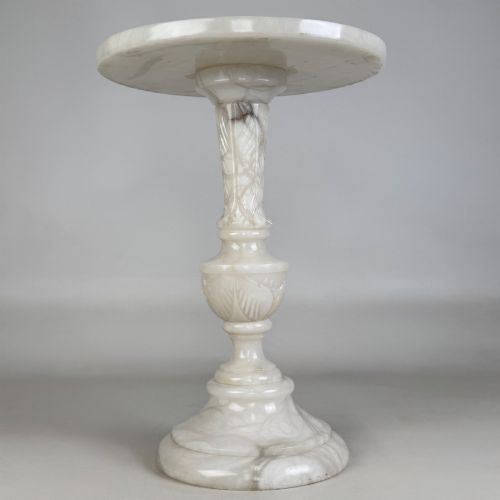
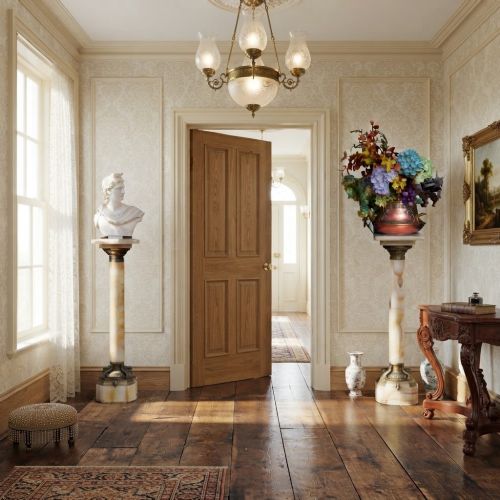
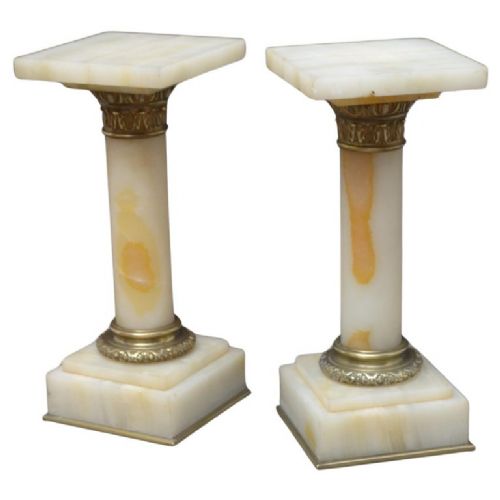
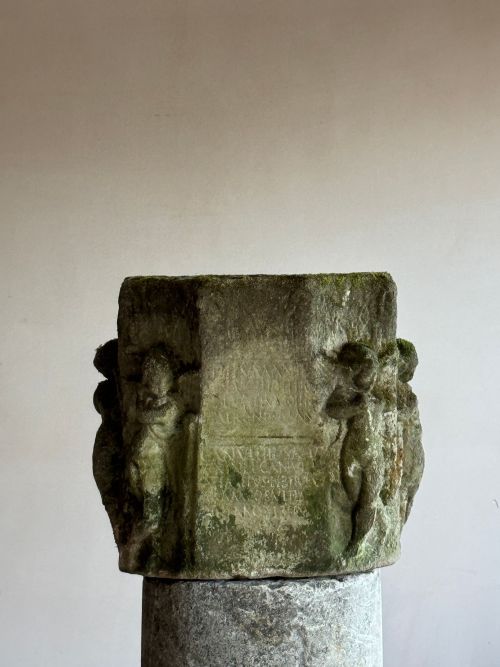
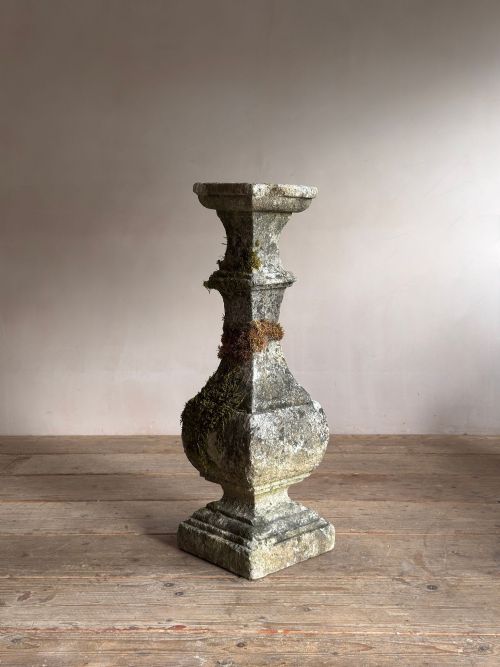
A stone pedestal stand serves as an architectural support for displaying busts, urns, lamps, and plants within interior and exterior settings. These pieces range from interior display columns to robust garden plinths and sundial bases.
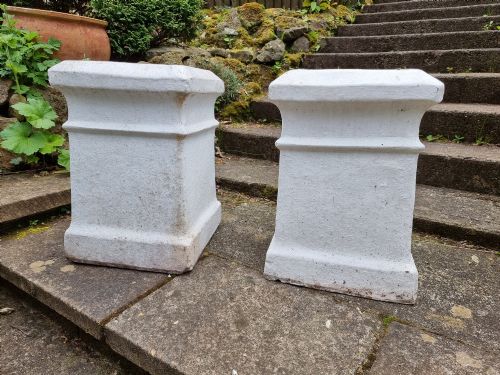
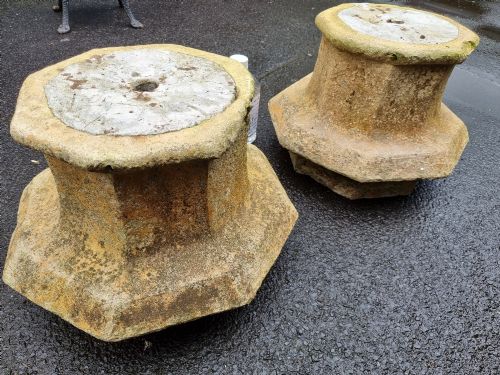
The selections available span the nineteenth century, Edwardian, and Georgian eras, encompassing forms like side tables, torcheres, and square plinths. Marble and alabaster examples dominate interior listings, whilst cast stone and limestone appear frequently in garden contexts.
Neoclassical, classical revival, and Gothic styles predominate, showing column and pillar formations with varied capitals. Certain items function dually as plant stands or floor-standing lamps alongside their primary role as pedestals.
How they were made
Carving from natural blocks shapes the stone, marble, alabaster, and onyx pieces found in these listings, demanding skilled masonry and turning work. Artisans utilised materials like Carrara marble, serpentine marble, and translucent alabaster to achieve smooth, cylindrical shafts and detailed capitals.
Moulded alternatives utilise cast stone, composite stone, and scagliola, a composite material made from selenite, glue, and pigments to imitate natural stone. Structural stability in mixed-media examples often relies on internal metalwork or brass and ormolu collars fitted to stone shafts.
Stone Pedestal Stand Retail Price Guide 2026
Typical asking prices for stone pedestal stand among the pieces listed under this phrase on Sellingantiques today, from the lower quarter to the upper quarter. They describe what is for sale here now, not the wider market.
Napoleon Bonaparte maintains a permanent stance atop his early nineteenth-century marble bust and pedestal.
What varies in quality
The quality of a stone pedestal stand rests on the selection and working of the material, from plain limestone to richly variegated green marble and carved alabaster. Superior examples exhibit crisply carved details, such as acanthus leaves or Corinthian capitals, executed with sharp edges and balanced proportions.
Construction methods also dictate grade, distinguishing solid monolithic marble columns from composite builds or cast stone alternatives. Finer items integrate complementary decorative elements, such as ormolu mounts, brass tiers, or intricate rootwood frames.
The Stone Pedestal Stand Glossary
- Pedestal
- A structural support or base carrying a statue, urn, column, or bust. These structures lift objects to eye level in a room or garden.
- Column
- A vertical architectural member, usually cylindrical, consisting of a base, shaft, and capital. They serve as freestanding display stands in interiors.
- Alabaster
- A fine-grained, translucent stone often used for carved plant stands and sculptural lamps. Its natural softness permits delicate surface carving.
- Scagliola
- A composite material made from gypsum, pigments, and glue, pressed to imitate natural marble. It allows for smooth, colourful columns without heavy stone weight.
- Torchiere
- A tall stand or floor lamp designed to direct light upwards. Antique variants frequently employ marble or alabaster shafts.
- Plinth
- A heavy rectangular or square block serving as the base for a statue, vase, or column. Garden versions are typically cast from stone or composite mixes.
Stone Pedestal Stand: Frequently Asked Questions
Where should I place a pedestal stand?
These stands suit corners, entrance halls, or focal points in reception rooms where they can support lamps, urns, or botanical displays. Exterior garden pedestals require firm, level ground on patios or lawns to bear the weight of heavy stone planters.
Interior marble or alabaster pieces need placement away from heavy foot traffic to prevent accidental knocks. Taller columns function effectively when framing doorways or supporting art objects at a commanding height.
How do I clean marble and alabaster stands?
Dust surfaces regularly with a soft, dry cloth to prevent dirt accumulation within carved crevices or natural stone fissures. Avoid acidic cleaners, vinegar, or abrasive scourers, which permanently etch marble and soften delicate alabaster.
For deeper cleaning, use a damp cloth with a minimal amount of neutral soap, followed immediately by thorough drying. Wax can be applied sparingly to certain stones to maintain a gentle sheen.
What is the difference between onyx and marble?
Marble forms from recrystallised carbonate rocks, resulting in varied crystalline structures and opaque veining patterns. Onyx is a form of banded chalcedony quartz that possesses greater translucency and distinct linear strata.
Both materials take a high polish and appear frequently in nineteenth-century columns and plant stands. Onyx items often feature supplementary brass or ormolu mounts to highlight the translucent stone.