

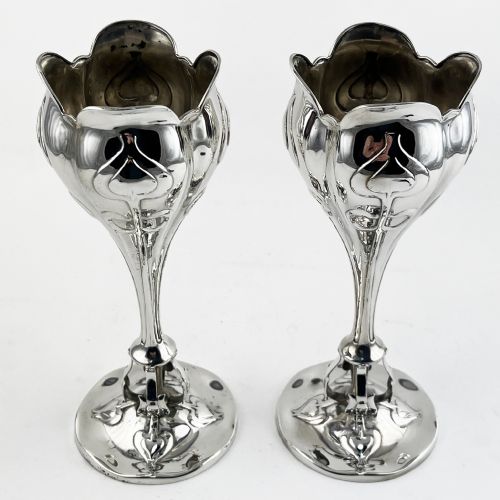


Sterling Silver Trumpet Vases
Sterling silver trumpet vases stand tall with flared mouths, bringing genuine Edwardian and Victorian elegance to any table.
Sterling Silver Trumpet Vases
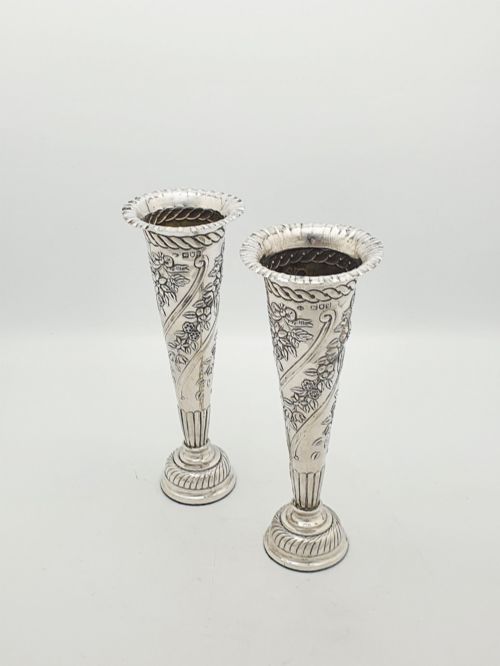
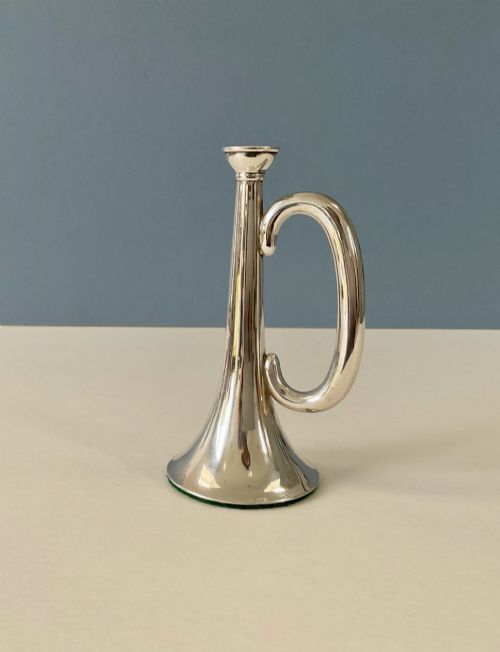
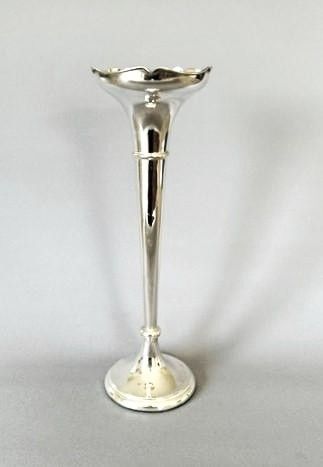
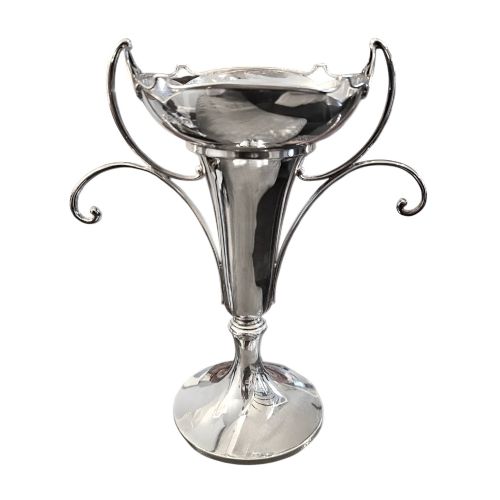
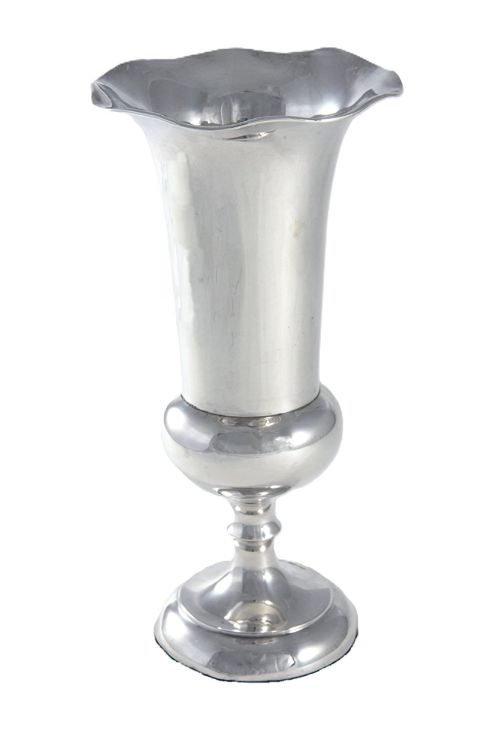
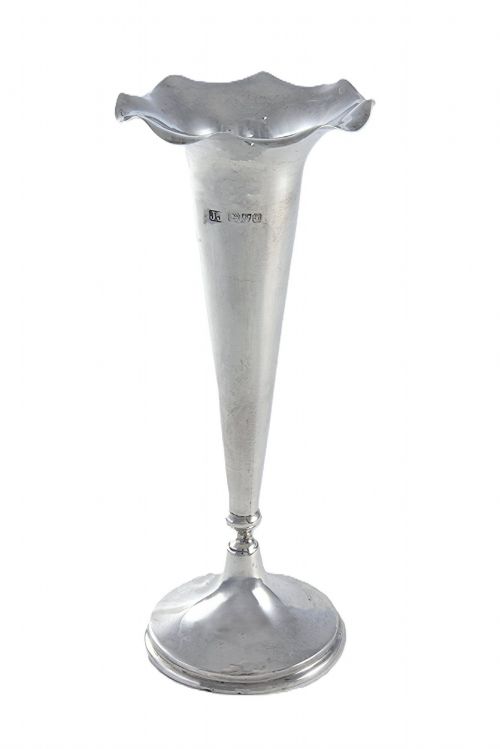
Sterling silver trumpet vases are slender, flared vessels designed to hold single blooms or small posies with upright grace. Buyers searching this phrase will find a variety of forms spanning the Victorian, Edwardian, and Art Deco periods, predominantly featuring slender fluted profiles and weighted bases.
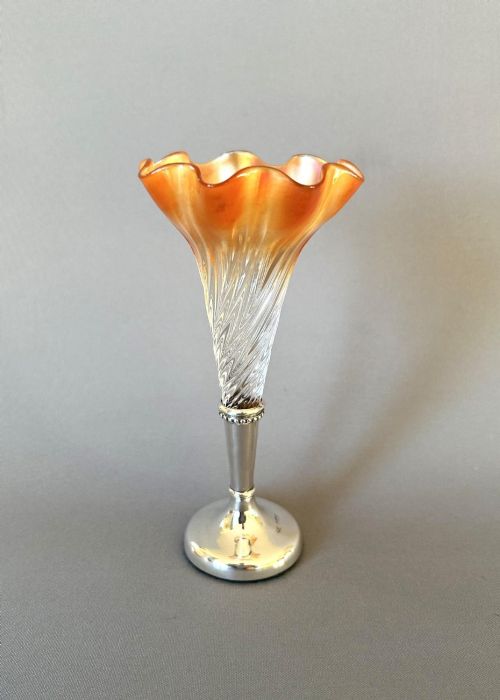
The versions most commonly met on this page include Edwardian and Victorian posy vases, alongside pairs of matching bud vases from the early twentieth century. Pieces often incorporate glass liners or wrythen glass bodies alongside the solid silver framework.
Regional British assay offices mark these pieces across decades, showing distinct stylistic shifts from floral Victorian motifs to flowing Art Nouveau curves and geometric Art Deco lines. Epergnes also appear, offering multi-fluted arrangements on a single silver base.
How they were made
Silversmiths shaped sterling silver using techniques such as piercing, embossing, and casting to achieve the characteristic fluted trumpet silhouette. Many examples integrate hand-blown glass inserts, including wrythen and fluted glass flutes held securely by the silver mounts.
Makers added weighted bases filled with resin or pitch to provide stability for the tall, slender forms. Hallmarks stamped directly into the metal record the assay town, year of production, and the sterling standard.
Sterling Silver Trumpet Vases Retail Price Guide 2026
Typical asking prices for sterling silver trumpet vases among the pieces listed under this phrase on Sellingantiques today, from the lower quarter to the upper quarter. They describe what is for sale here now, not the wider market.
Edwardian diners loved these slender vessels so much they placed miniature epergnes down the entire length of the table.
What varies in quality
Quality in these vases rests upon the crispness of the silversmith's chasing and the depth of pierced decorative patterns. Finer examples display balanced proportions, substantial metal weight, and well-executed stylistic details such as organic Art Nouveau whiplash lines or Celtic Revival interlacing.
The integrity of any associated glass components also dictates the overall standard of the piece, where undamaged wrythen glass or original liners enhance the complete assembly. Maker marks from notable workshops or specific regional assay offices further distinguish the manufacturing pedigree.
Edward Souter Barnsley·Josiah Williams and Co
The Sterling Silver Trumpet Vases Glossary
- Hallmark
- A series of official marks stamped on precious metals showing the standard of purity, assay office, and year of manufacture. These stamps provide a reliable method for dating British silver.
- Posy vase
- A small vessel specifically designed for holding a short posy of flowers rather than a large bouquet. These compact pieces were popular table decorations in the Victorian and Edwardian eras.
- Wrythen
- A decorative spiral moulding twisted into the body of glass or metal. This technique creates a dynamic, optical texture that catches the light.
- Epergne
- A centerpiece stand featuring multiple detachable trumpets or baskets branching from a central base. They were traditionally used to serve fruit, sweetmeats, or flowers at formal dining tables.
- Pierced
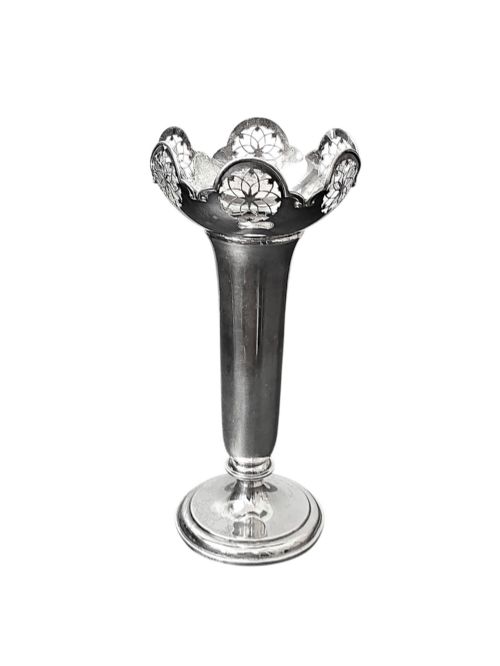
- Metalwork decorated by cutting or piercing decorative openwork patterns through the silver sheet. This technique lightened the visual weight of the vase while displaying coloured glass liners beneath.
Sterling Silver Trumpet Vases: Frequently Asked Questions
What flowers fit trumpet vases?
These tall, narrow vessels suit single long-stemmed blooms or small, compact posies that do not weigh down the slender neck. Roses, tulips, and single stems work particularly well.
Heavier arrangements tend to destabilize the piece, as most trumpet vases rely on narrow bases and internal weights for balance.
How do you clean silver vases?
Warm water, mild soap, and a soft cloth remove everyday dust without harming the antique metal surface. Specialised silver polishes should be used sparingly to preserve hallmarks.
Avoid submerging weighted bases in water, as moisture can seep inside and damage the internal filling material.
Why do some vases have glass?
Many silver trumpet vases incorporate glass inserts or liners to hold water and plant stems safely away from the metal. This protected the silver from corrosion and made cleaning straightforward.
Wrythen and clear glass flutes also added textural contrast and colour beneath pierced silver exterior patterns.
How are periods identified?
Assay office hallmarks stamped on the silver provide the exact year of manufacture and city of testing. Stylistic details like flowing organic lines indicate Art Nouveau, while geometric forms point toward Art Deco.
Victorian and Edwardian pieces often display distinct floral chasing and heavier cast mounts compared to later twentieth-century examples.