




Sterling Silver Smelling Bottle
These sterling silver smelling bottle examples combine chased silverwork and glass to hold aromatic salts, offering an authentic Victorian or Georgian pocket accessory.
Sterling Silver Smelling Bottle
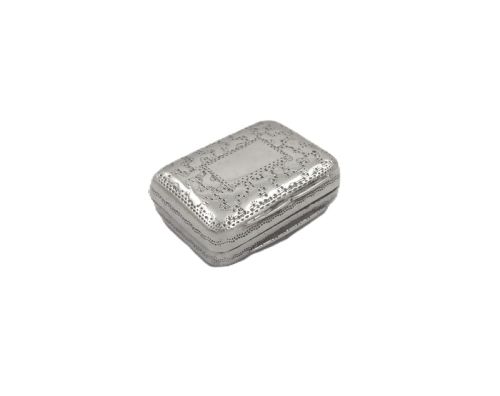
When you search for a sterling silver smelling bottle, you are looking at small personal containers designed to hold pungent salts or perfumes, originating predominantly from the Georgian and Victorian periods. The versions you are most likely to meet on this page take the form of silver-cased glass flasks, double-ended perfume bottles, and specialised vinaigrettes.
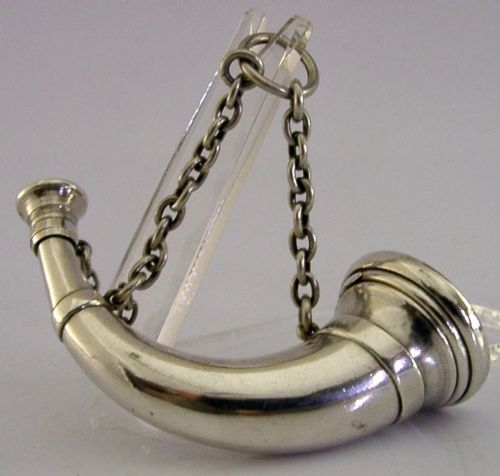
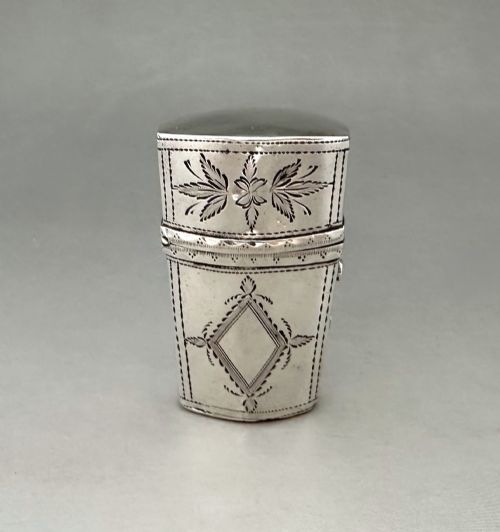
Makers produced these objects in various distinct shapes, including hunting horn designs, miniature champagne bottles, and cylindrical scent flasks. They served a vital social function in the nineteenth century, providing relief from foul odours or faintness in crowded rooms.
The materials span clear cut glass, opaline glass, and ruby glass, all encased or mounted in hallmarked sterling silver, sometimes featuring silver gilt interiors. Surviving examples reflect the changing tastes of collectors across the Georgian, Victorian, and Edwardian eras.
How they were made
Silversmiths constructed the mounts and vinaigrette grilles using sterling silver, often applying chasing, engraving, and hallmarking techniques to stamp the metal with maker marks and dates. Glassmakers blew or cut the glass bodies, producing faceted cut glass, smooth opaline, or rich ruby glass containers designed to fit snugly inside silver casing.
Makers integrated hinged caps and screw lids with cork or glass stoppers to secure volatile liquids and salts inside the vessel. Double-ended variants required precise metalwork at both extremities to accommodate two separate compartments for different scents or salts.
Sterling Silver Smelling Bottle Retail Price Guide 2026
Typical asking prices for sterling silver smelling bottle among the pieces listed under this phrase on Sellingantiques today, from the lower quarter to the upper quarter. They describe what is for sale here now, not the wider market.
Listings feature items spanning the Georgian, Victorian, and Edwardian eras, utilising sterling silver, cut glass, opaline glass, and ruby glass.
What varies in quality
The distinction between standard items and superior examples lies in the crispness of the chased silver ornamentation and the complexity of the glass cutting. Pieces featuring elaborate figural shapes, such as hunting horns or miniature liquor bottles, demonstrate greater technical ambition from the workshop.
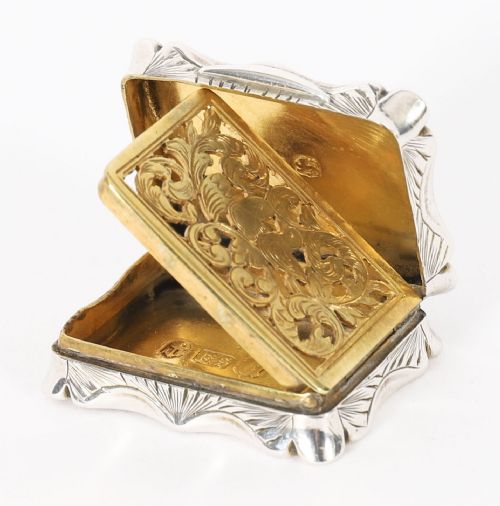
The presence of legible hallmarks providing clear dates and maker details elevates an item's documentary interest. Additionally, intact internal gilt wash within vinaigrette grilles and undamaged glass bodies preserve the original integrity of the piece.
Sampson Mordan·Edward Smith·G H James Co
The Sterling Silver Smelling Bottle Glossary
- Vinaigrette
- A small ornamental box or bottle with a perforated internal grille, used to hold a sponge soaked in aromatic vinegar. These pieces date principally to the Georgian and Victorian eras.
- Sterling silver
- An alloy of silver containing 92.5 percent silver and 7.5 percent other metals, typically copper, used widely for British hallmarked antique mounts and cases.
- Silver gilt
- Sterling silver that has been coated with a thin layer of gold on the surface, often applied to the interior grille of a vinaigrette to prevent corrosion from acidic salts.
- Opaline glass
- An opaque or translucent pale glass popular in the nineteenth century, frequently used for the bodies of Victorian scent bottles mounted in silver.
- Double-ended perfume bottle
- A symmetrical vessel featuring a hinged or screw cap at both ends, allowing the owner to carry two different scents or a perfume and smelling salts simultaneously.
Sterling Silver Smelling Bottle: Frequently Asked Questions
What is a sterling silver smelling bottle?
A sterling silver smelling bottle is a small antique container used to hold reviving salts or perfume, featuring a silver mount or casing combined with glass or metal.
These pieces were carried in pockets or reticules during the Georgian and Victorian periods for personal refreshment.
How were vinaigrettes used?
Vinaigrettes were used to hold a small sponge soaked in aromatic vinegar or smelling salts rather than liquid perfume. The user would open the outer lid to reveal a pierced silver grille that allowed the scent to diffuse.
They were essential personal accessories in crowded or poorly ventilated public spaces of the nineteenth century.
How do I care for antique silver and glass?
Caring for these items involves gentle cleaning with a soft cloth to maintain the sterling silver surface without damaging any glass bodies or historic hallmarks. Avoid harsh chemical dips, particularly on pieces with gilt interiors or delicate opaline glass.
Store them securely away from moisture and extreme temperature fluctuations to protect the metal and historic stoppers.