



Sterling Silver Scent Flacon
These sterling silver scent flacon pieces are miniature treasures of personal adornment, offering a tactile connection to historical dressing rituals.
Sterling Silver Scent Flacon
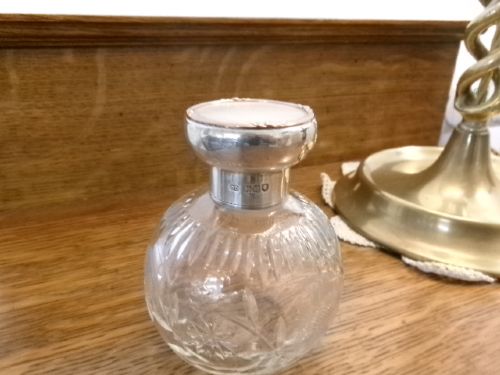
A sterling silver scent flacon is a small container designed to hold perfume, typically featuring a precious metal mount or collar alongside a glass vessel. When buyers search this phrase, they encounter portable vessels intended for pocket or vanity use.
The pieces on this page span the Victorian, Edwardian, Art Deco, and Mid-Century British eras. You will frequently meet Edwardian examples that combine cut glass bodies with ornate silver collars.
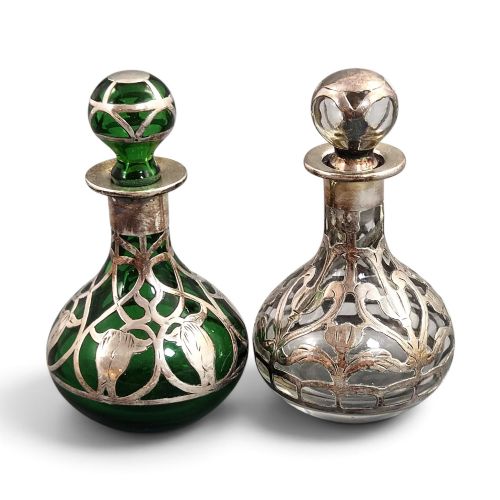
Forms range from simple glass bottles with silver screw caps to elaborate scent bottles encased in intricate metal overlay. Makers from various decades adapted these useful accessories to reflect changing aesthetic tastes.
How they were made
Silversmiths shaped sterling silver mounts and collars, often hallmarking them to record the assay office and year of production. These metal elements were then fitted securely to blown or moulded glass bodies.
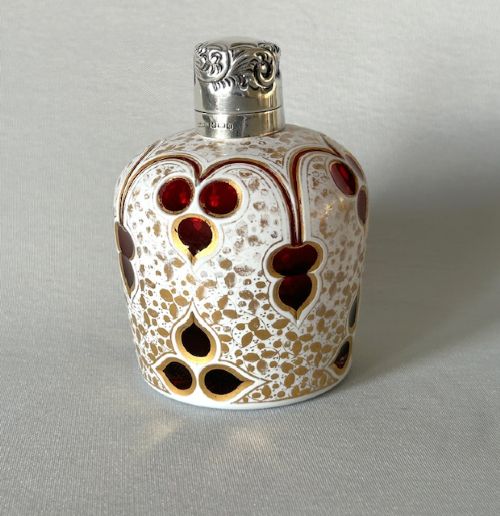
Glassmakers utilised techniques such as cutting and staining, producing clear, ruby, and green glass reservoirs. Some pieces feature decorative layers of gold leaf or vibrant enamel work applied to the metal surfaces.
Sterling Silver Scent Flacon Retail Price Guide 2026
Typical asking prices for sterling silver scent flacon among the pieces listed under this phrase on Sellingantiques today, from the lower quarter to the upper quarter. They describe what is for sale here now, not the wider market.
Listings feature sterling silver, cut glass, and enamel materials across Edwardian and Art Deco styles.
What varies in quality
The distinction between standard examples and finer pieces lies in the crispness of the metalwork and the complexity of the glass body. Heavy-gauge silver and deep, clean hand-cutting in the glass elevate a piece.
Surface treatments such as guilloche enamel and intricate silver overlay require superior craftsmanship. The preservation of these delicate finishes largely determines the standing of an individual flacon.
Gorham·Mappin & Webb
The Sterling Silver Scent Flacon Glossary
- Sterling silver
- A silver alloy containing 92.5 percent pure silver and 7.5 percent other metals, usually copper. This standard composition provides the durability required for functional mounts and caps.
- Guilloche enamel
- A decorative technique where translucent enamel is layered over precisely engraved metal. This method creates a repetitive geometric pattern that catches the light.
- Silver overlay
- A process of applying decorative sterling silver designs directly onto a glass surface. The silver adheres permanently to form intricate floral or abstract motifs.
- Bohemian glass
- Glass produced in the historic regions of Bohemia and Moravia, known for colour experimentation. These glass bodies often display rich hues like ruby and green.
- Assay office
- An official body that tests the purity of precious metals and stamps items with hallmarks. British pieces frequently display marks indicating London or Birmingham.
Sterling Silver Scent Flacon: Frequently Asked Questions
How do I clean a sterling silver scent flacon?
Use a soft cloth to polish the exterior silver mount while taking care to avoid harsh chemicals near any enamel or glass surfaces. Gentle wiping preserves the original finish without damaging delicate decorative layers.
Ensure the interior remains dry unless it is actively being washed with warm water. Proper maintenance prevents tarnish build-up while protecting the structural integrity of the antique materials.
What periods do these scent bottles represent?
The available selection covers multiple decades from the late nineteenth century through to the mid-twentieth century. Victorian and Edwardian examples sit alongside later Art Deco and 1930s designs.
Each period brings distinct stylistic traits, such as the elaborate ornamentation of the Edwardian era or the geometric lines favoured in the Art Deco years.
Were these bottles meant for travel?
Many of these containers served as portable accessories for pockets or evening bags during the Victorian and Edwardian periods. Their secure screw caps and stoppers helped prevent accidental spills during transit.
Others functioned primarily as stationary vanity items meant to sit upon a dressing table. The scale and weight often indicate whether a piece was designed for daily carriage.
How can I identify the date of a piece?
British pieces often feature hallmarks stamped directly onto the silver mount, including date letters and assay office symbols. These marks allow you to trace the exact year and location of manufacture.
Stylistic cues such as the presence of Art Nouveau curves or Art Deco symmetry also help narrow down the period of production when hallmarks are absent or worn.