

Sterling Silver Repousse Box
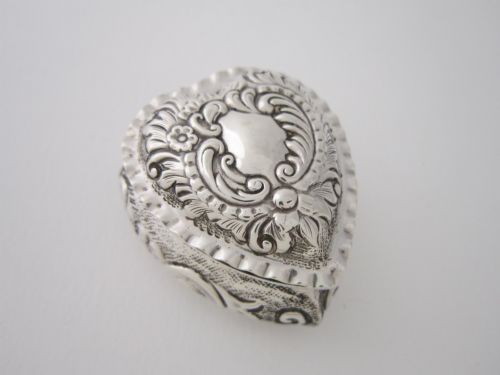
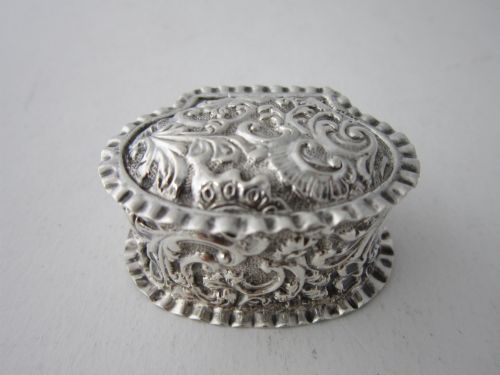
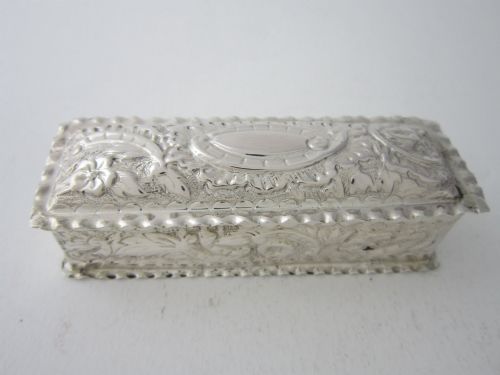
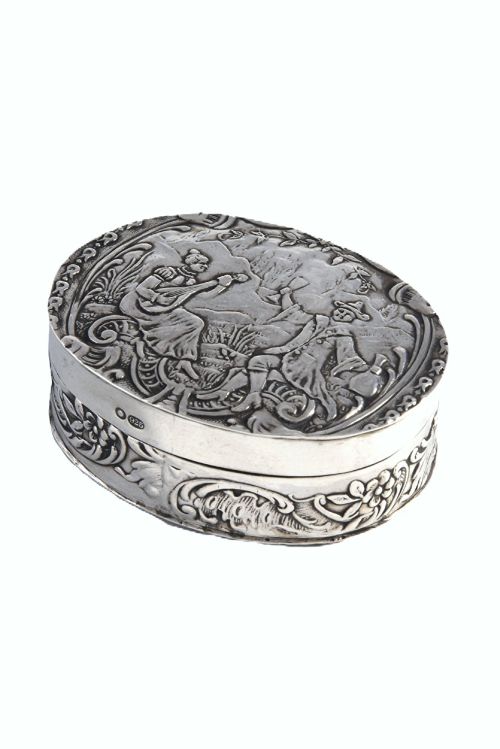
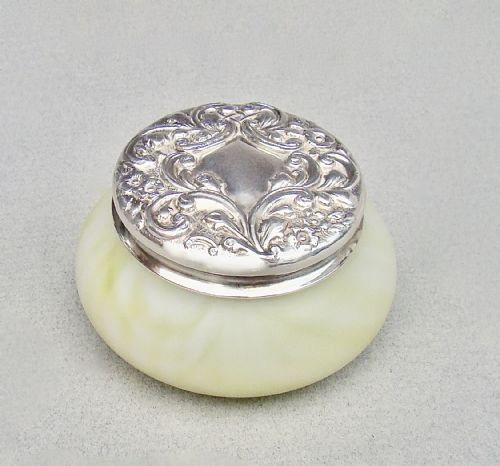
A sterling silver repousse box brings tactile, hammered relief work to the dressing table, fashioned for keeping small treasures secure.
Sterling Silver Repousse Box
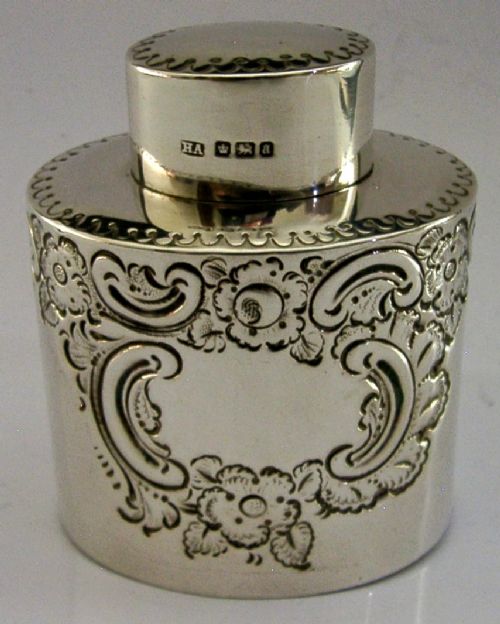
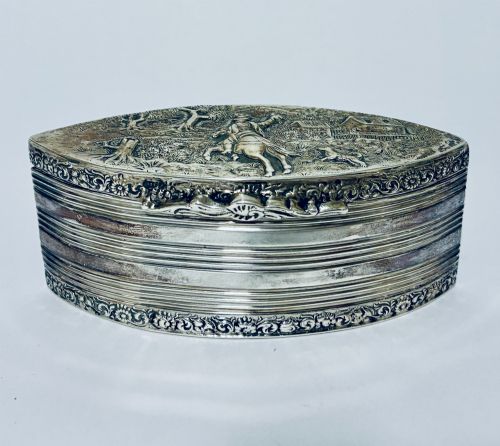
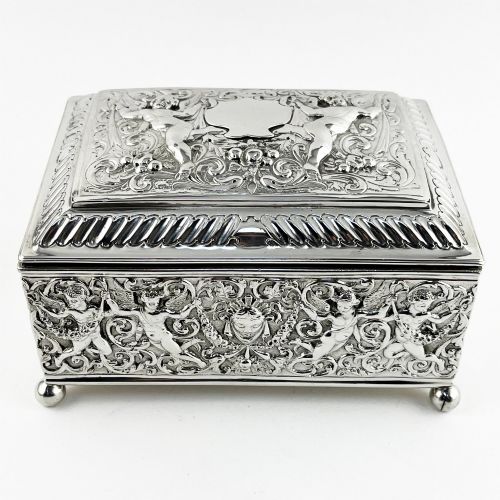
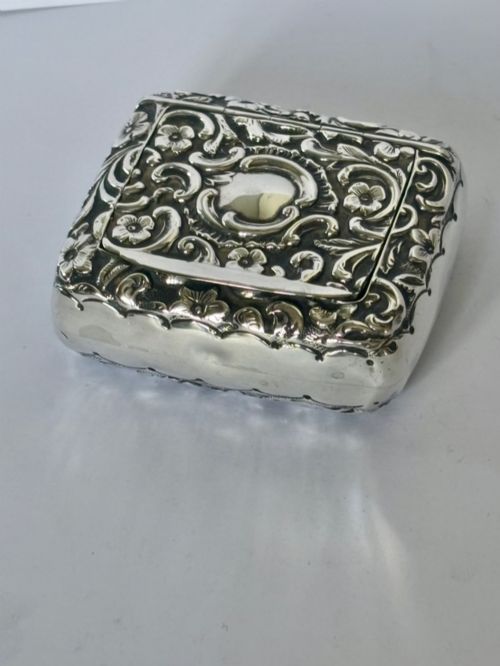
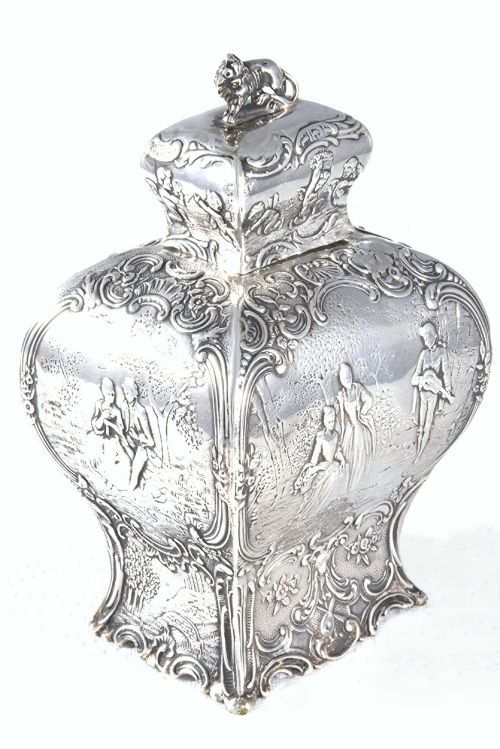
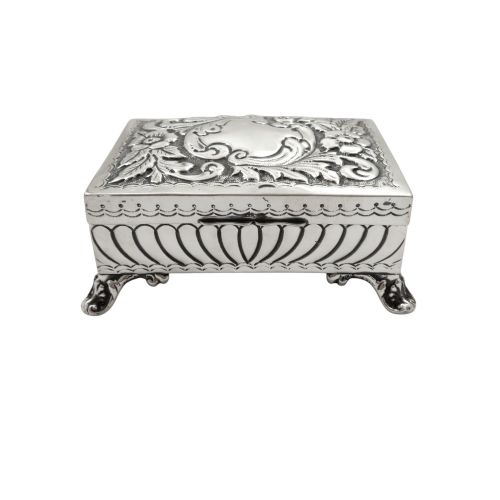
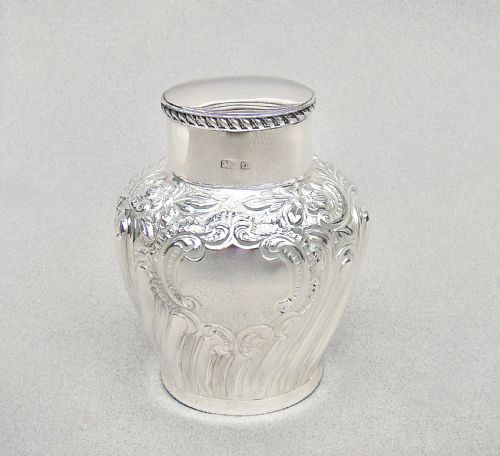
A sterling silver repousse box encompasses a range of functional small containers, most commonly encountered as trinket boxes, pill boxes, snuff boxes, and tea caddies from the Victorian and Edwardian periods. These pieces originate primarily from British assay offices, with Birmingham and London makers dominating the output alongside Scandinavian mid-century examples.
The domestic interior of the late nineteenth and early twentieth centuries relied on such vessels for dressing tables, desks, and drawing rooms. Alongside heart-shaped trinket boxes and bombe tea caddies, collectors frequently encounter card cases, vanity pots, and ring boxes featuring the characteristic raised ornamentation.
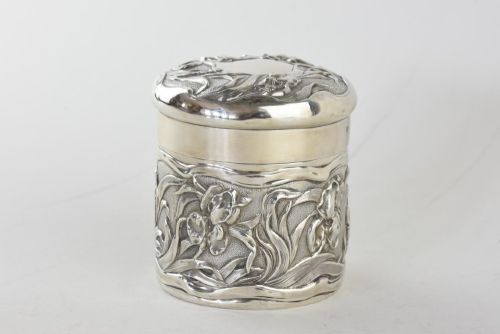
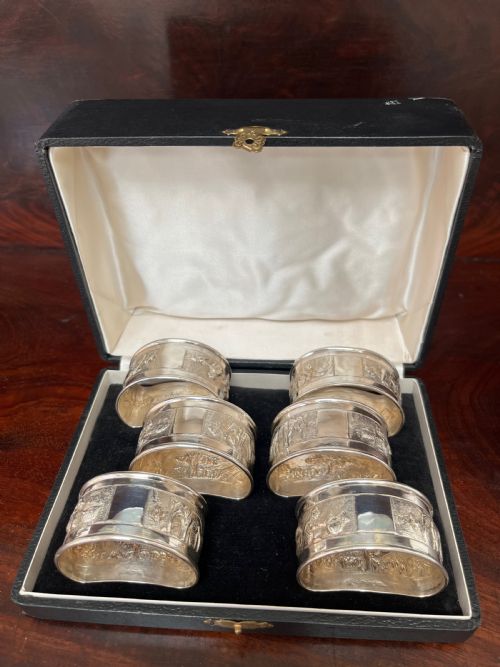
While the search centres on repousse boxes, the selection spans related silver forms including napkin rings, condiment sets, and matchbox covers. The stylistic vocabulary moves from Victorian Rococo Revival and William IV precedents through to Art Nouveau undulations and Arts and Crafts simplicity.
Materials and Technique
Silversmiths utilised sterling silver and solid silver sheets, often enhancing the interior with silver gilt or lining the base with velvet, silk, leatherette, or satin glass. The defining repousse technique involved hammering and pushing the metal from the reverse side to create raised, decorative motifs in relief on the lid and sides.
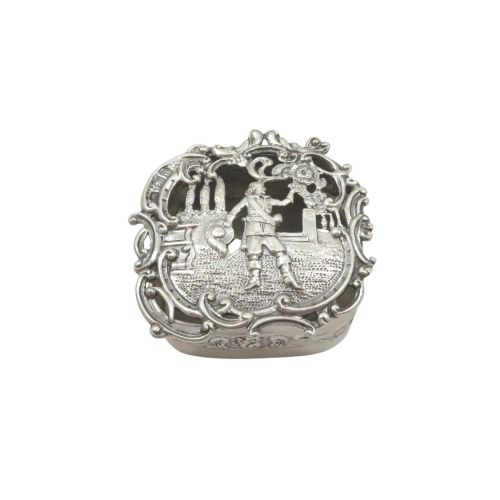
Detailing was frequently refined by chasing, where the silversmith worked the front face with punches and small chisels to sharpen the contours of floral scrolls, figures, or architectural scenes. Gilding was subsequently applied to the interior surfaces to protect the silver from tarnishing when holding cosmetics, snuff, or tea.
Some Edwardian boxes doubled as novelty coal scuttles or tiny horseshoe charms, proving Victorians loved miniatures.
Assessing Quality
The distinction between standard commercial output and superior craftsmanship rests upon the depth, crispness, and manual skill evident in the repousse relief work. Finer pieces display high definition in chased details without thinning the metal sheet or losing structural integrity at the corners and hinges.
The weight of the solid silver and the precision of the maker's mark contribute significantly to the standing of a box. Superior examples incorporate well-fitted lids that close flush, robust internal gilding, and substantial gauge silver that resists flexing under gentle pressure.
Henry Matthews·Goldsmiths and Silversmiths Company·A. Bromet and Co·Thomas Hayes·William Hutton and Sons Ltd·A and J Zimmerman Ltd
The Sterling Silver Repousse Box Glossary
- Repousse
- A metalworking technique where the artisan hammers and pushes the design from the reverse side to form raised relief decoration on the front. This method creates tactile, dimensional surfaces across the lids and bodies of small boxes.
- Silver Gilt
- Sterling silver that has been coated with a thin layer of gold on the interior surfaces. This treatment protects the metal from corrosive substances such as snuff or tea leaves.
- Bombe
- A swollen, convex furniture or box profile featuring outward-curving sides. This volumetric shape provides increased internal capacity while softening the silhouette.
- Assay Office
- An official body charged with testing the purity of precious metals and stamping items with hallmarks. Marks indicate the standard of silver, the town of assay, and the date letter.
- Chasing
- The complementary technique to repousse, executed from the front side using punches to refine and sink the background metal. It adds crisp lines and texture to the hammered relief.
Sterling Silver Repousse Box: Frequently Asked Questions
What were sterling silver repousse boxes used for?
These vessels served various domestic purposes in the Victorian and Edwardian home, functioning as containers for dry tea leaves, loose snuff, stamps, or small personal trinkets. Vanity pots and ring boxes held cosmetics and jewellery upon dressing tables.
They also acted as decorative desk accessories and gift items for special occasions. Their tactile surfaces made them popular display pieces in drawing rooms.
How do I date a silver repousse box?
Dating relies upon the hallmarks stamped into the silver, which record the assay office, the standard mark, and a specific date letter. Comparing the style of the repousse decoration, such as Art Nouveau tendrils or Victorian Rococo scrolls, provides a secondary guide.
Makers' marks further narrow the timeline by referencing the active years of the silversmith firm. Combining these elements yields an accurate period of manufacture.
How should I clean silver repousse boxes?
Cleaning requires a soft microfiber cloth and a gentle silver polish formulated to avoid abrasive damage to the raised relief. Harsh scrubbing tools must be avoided as they wear down the delicate chased details.
Lined boxes featuring velvet, silk, or satin glass require extra care to keep moisture away from fabric interiors. Regular, light dusting preserves the natural patina without stripping the character from the metal.
Can I store food or tea in a silver box?
Historic tea caddies were specifically designed to store loose tea leaves, often featuring secure lids to preserve freshness and aroma. Gilt interiors provide a protective barrier between the silver and the contents.
Modern use for consumable goods is acceptable provided the interior has been thoroughly cleaned and lacks toxic residues from old polishes. Gold-washed surfaces remain safest for direct contact with dry items.