



Sterling Silver Preserve Spoon
A sterling silver preserve spoon is a specialist table implement designed for fruit condiments, frequently discovered paired with glass jars or set within fitted boxes.
Sterling Silver Preserve Spoon
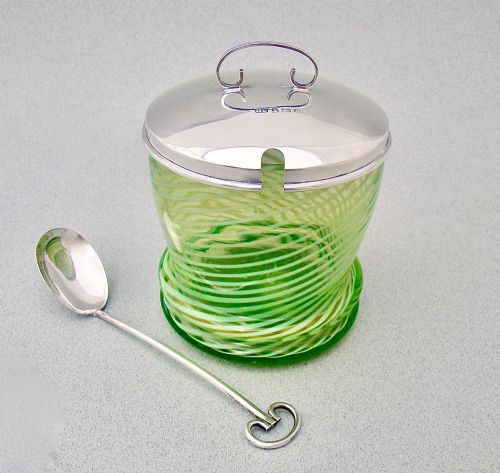
A sterling silver preserve spoon is a specialist utensil encountered across various periods including Victorian, Edwardian, and mid-century modern eras. These pieces take the form of dedicated jam spoons, berry spoons, pickle forks, and condiment spoons, often accompanied by preserve jars in cut glass or vaseline glass.
The objects on this page reflect diverse design movements such as Art Nouveau, Arts and Crafts, and early Victorian styling. Buyers frequently encounter individual spoons as well as sets housed in leatherette or velvet lined boxes.
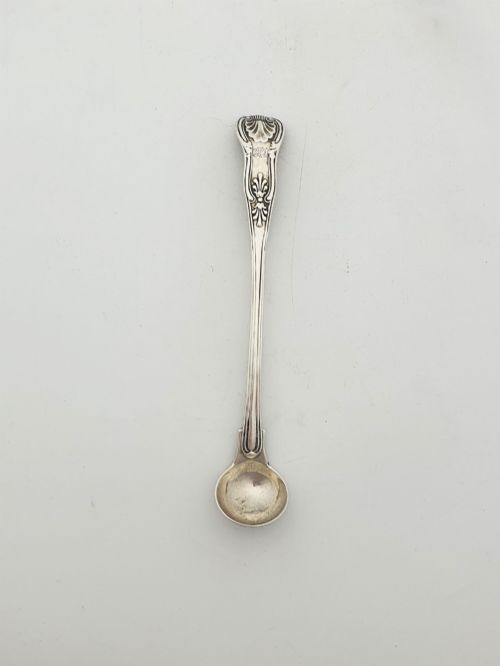
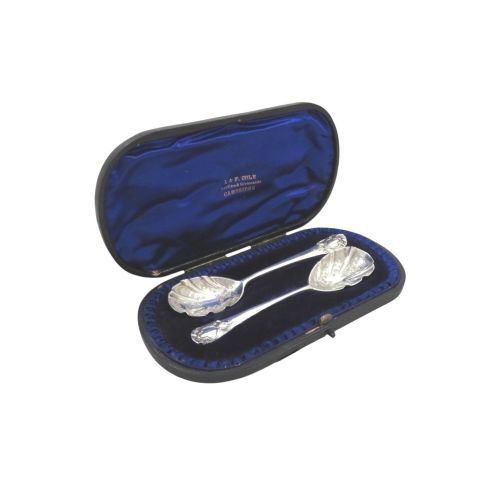
Makers and workshops from Birmingham, Sheffield, and London produced these items in solid sterling silver. The selection ranges from ornate Kings pattern and palm pattern designs to organic Art Nouveau forms and scallop shell bowls.
How they were made
Decoration is achieved through pattern stamping, such as the Kings and King Edward designs, alongside hand-wrought Arts and Crafts detailing and flowing Art Nouveau motifs. Presentation pieces often feature engraved stag decoration or specialised plating.
Sterling Silver Preserve Spoon Retail Price Guide 2026
Typical asking prices for sterling silver preserve spoon among the pieces listed under this phrase on Sellingantiques today, from the lower quarter to the upper quarter. They describe what is for sale here now, not the wider market.
Makers represented include George Unite and Amy Sandheim, alongside pieces originating from Birmingham, Sheffield, and London assay offices.
What varies in quality
Quality in a sterling silver preserve spoon is determined by the crispness of the pattern stamping, the weight of the silver, and the preservation of any associated glass containers. Substantial weight and clear hallmarks denoting specific makers and assay offices elevate an example.
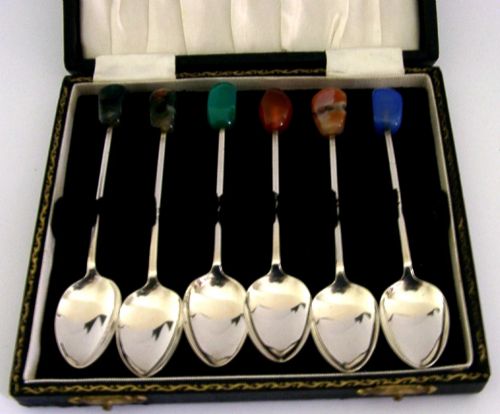
The presence of original fitted presentation cases lined with silk, velvet, or leatherette distinguishes superior sets from loose individual items. Pieces exhibiting distinct stylistic movements like Arts and Crafts or Art Nouveau demonstrate higher artisan input.
George Unite·Amy Sandheim·Whiting Co.
The Sterling Silver Preserve Spoon Glossary
- Sterling silver
- An alloy containing 92.5 percent silver and 7.5 percent other metals, typically copper. This standard is universally marked on British silver with specific assay office symbols.
- Kings pattern
- A traditional ornate cutlery design featuring a shell motif and a scroll-shaped handle top. It gained popularity during the nineteenth century.
- Vaseline glass
- A transparent yellowish-green glass coloured with uranium dioxide. It glows brightly under ultraviolet light and frequently appears paired with silver-mounted preserve jars.
- Assay office
- An organisation charged with testing the purity of precious metals and stamping items with official hallmarks. Birmingham, Sheffield, and London are notable examples.
- Cut glass
- Glassware decorated by hand with geometric or floral patterns cut into the surface using rotating wheels. These jars often accompany preserve spoons.
Sterling Silver Preserve Spoon: Frequently Asked Questions
What is a preserve spoon used for?
A preserve spoon is shaped specifically for serving fruit jams, jellies, and marmalades from a jar to a plate. The bowl is often broad or shell-shaped to accommodate chunky fruit preserves.
Many of these spoons were manufactured as part of fitted condiment sets or paired directly with matching glass jam jars.
How do I clean sterling silver?
Sterling silver benefits from gentle washing in warm soapy water using a soft cloth to remove everyday residue. Specialised silver polishing cloths help maintain the metal lustre without harsh abrasion.
Avoid using abrasive dips, particularly on pieces with inset stones like agate or delicate glass elements.
How can I date a silver spoon?
British silver incorporates mandatory hallmarks that include a date letter indicating the exact year of assay. Additional clues come from stylistic markers such as Art Nouveau curves or Victorian ornamentation.
Assay office marks also reveal the city where the piece was officially tested and stamped.